
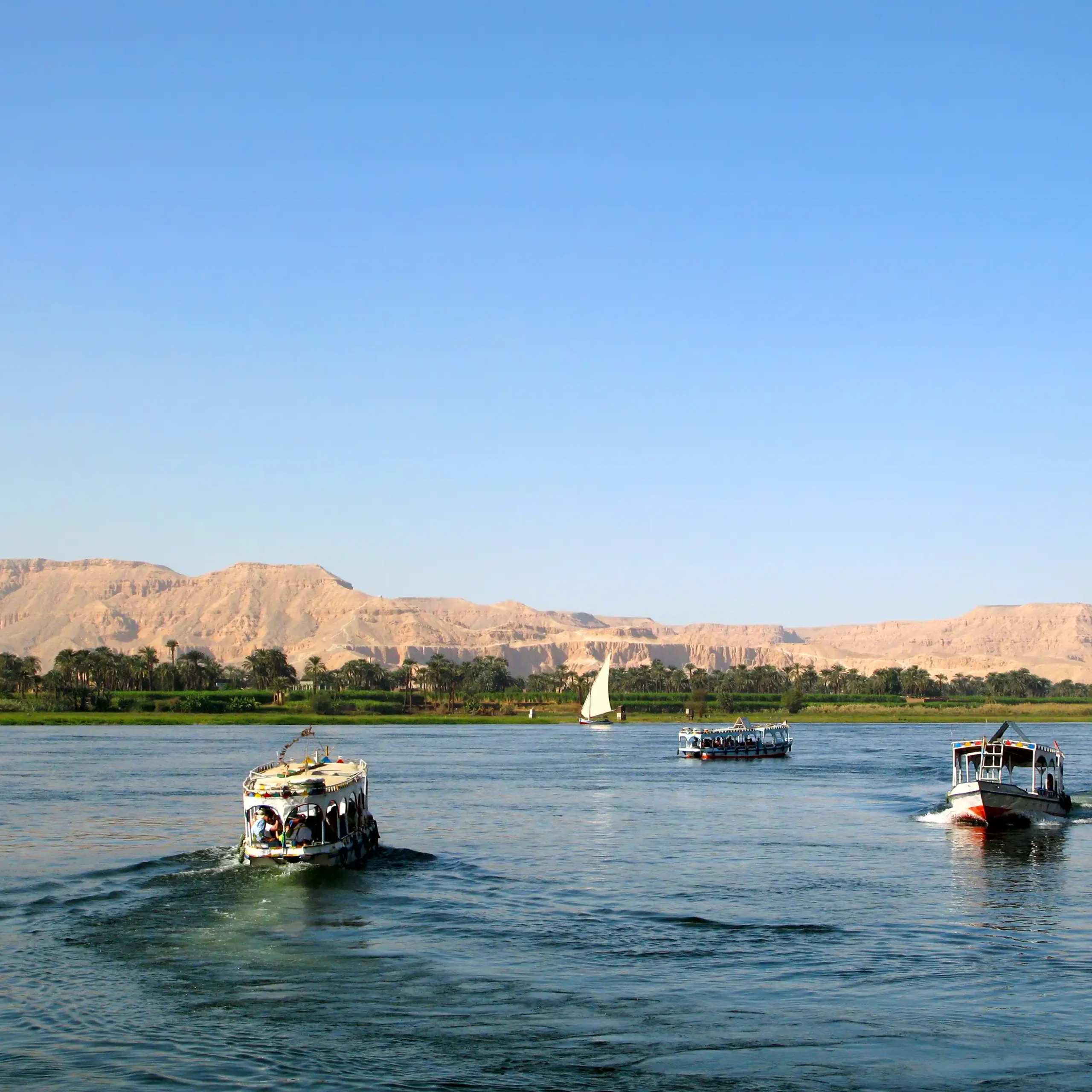

The Eternal Gift of the Nile
The Nile’s gift isn’t just an old saying; it’s how you get what Egypt is all about. From ancient times, when civilization depended on the river, to today’s cities, the Nile is still the center of the country.
The Nile made Egypt’s land, culture, beliefs, and future. It made the desert livable, inspired stories of gods and kings, and still links yesterday and today. To really see why Egypt is the Gift of the Nile, you have to see its water, history, and lasting .
Traveling the Nile isn’t just seeing pretty views; it’s traveling through the ages. With Imperial Egypt, seeing the Nile lets you experience history, traditions, and what it all means. From old temples by the banks to today’s towns, the Nile is still Egypt’s heart and shows its past, present, and future.
With Imperial Egypt, a trip on the Nile is more than just travel; it’s like a hands-on class in civilization, traditions, and beauty that never gets old.
Quick Facts:
- Location: Northeastern Africa, flowing through Sudan and Egypt
- Length: Over 4,000 miles (6,650 km)
- Best Time to Visit: October to Apri
- Time Needed to Explore: 3–7 days via a Nile River cruise
- Main Highlights: Luxor Temple, Aswan, Karnak Temple, Valley of the Kings
- How to Experience It: Nile River cruise, felucca sailing, riverbank tours

Nile River
Understanding the Gift of the Nile Meaning
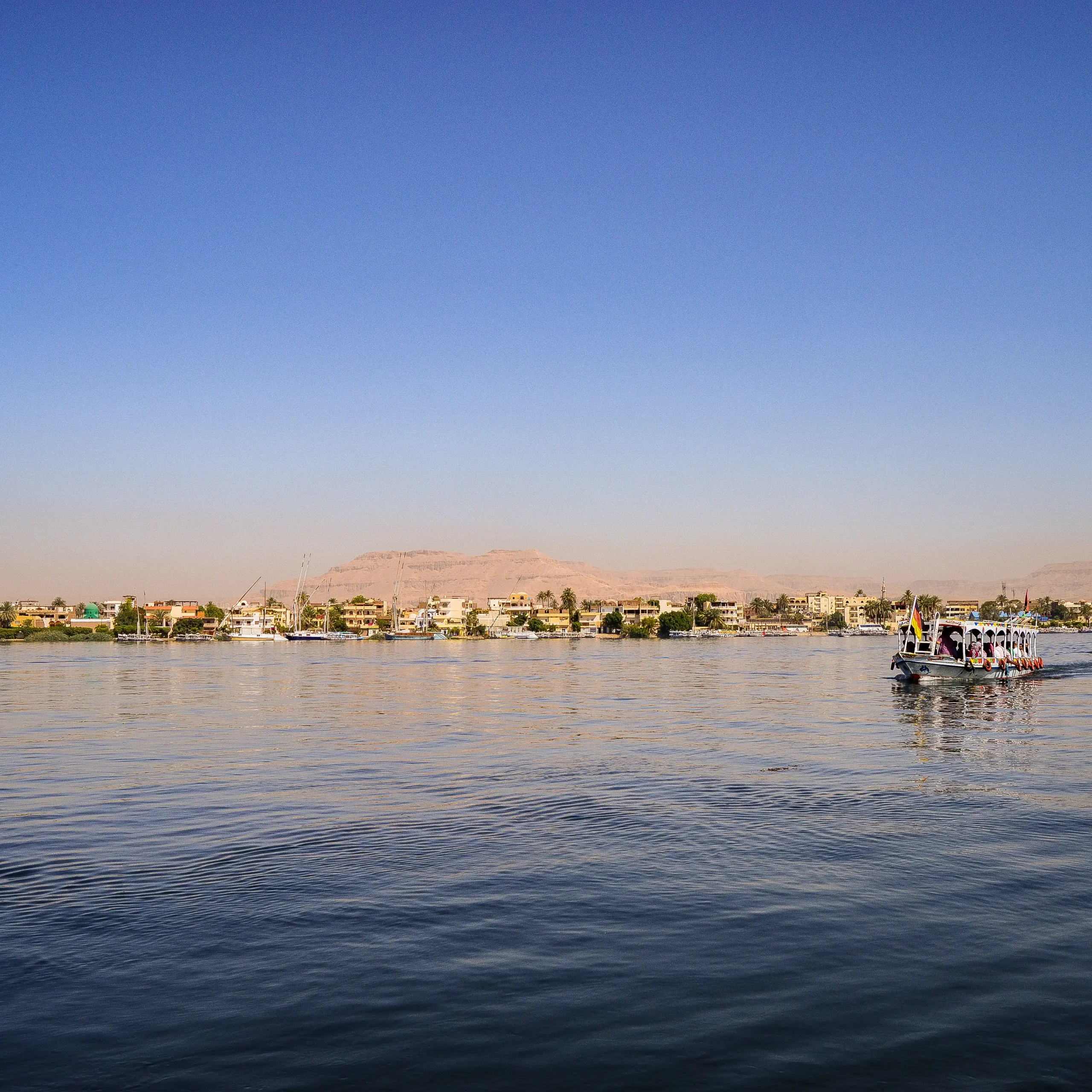
Egypt and the Nile? Total BFFs from the start. That old Greek writer, Herodotus, nailed it when he called Egypt the Nile’s gift, ’cause without the river, Egypt just wouldn’t exist.
Gift of the Nile isn’t just a catchy saying. It really shows how this river turned empty deserts into fields, helped an amazing civilization get going, and shaped Egypt’s views on, well, everything – politics, culture, even religion. From old-school farms to today’s ships, the Nile’s a big deal for Egypt.
So, if you’re into old history, geography, or what makes cultures do what they do, you need to get why Egypt is the Gift of the Nile. Let’s check out the Nile’s story, how it changed old Egypt, and why it’s still a big deal today.
So, Egypt’s basically a giant desert with wild weather and hardly any rain, right? How did such a place become this amazing civilization with tons of people, awesome cities, and massive monuments that have been around for ages? Simple: The Nile River.
- The Nile was like a super-provider. It gave them:
- Water to drink and water to grow their food.
- Rich soil for planting after the yearly floods.
- A natural highway for boats to travel easily.
- A steady flow of money and plenty to eat.
Seriously, without the Nile, there’s just isn’t a chance that old Egypt even would’ve happened. It’s the reason folks still call Egypt the Gift of the Nile when chatting about the dawn of civilization.
The Nile’s Epic Flood Story
What’s cool about the Nile? It’s a yearly flood! Every summer, crazy rains would hit East Africa, making the Nile go wild. When the water went down, good dirt was left behind.
This meant the soil got a boost every year, no need for yucky stuff. Plus, the flood came like clockwork, making planting easier.
The old Egyptians? They even made their calendar based on the Nile’s flow. Wheat, barley, you name it—everything grew like crazy. Extra food? Check. Booming economy? Double-check.
So, the Nile was more than just water. It was this dependable thing that helped them plan, grow, and chill.
Nile River Importance in Ancient Egyptian Civilization
The Nile River’s importance extended far beyond farming. It influenced every aspect of ancient Egyptian life:
1. Transportation and Trade
The Nile acted as Egypt’s main highway. Boats carried goods, people, and building materials between Upper and Lower Egypt, making trade efficient and safe.
2. Political Unity
Because settlements followed the riverbanks, the Nile helped unify Egypt geographically and politically, allowing centralized governance under the pharaohs.
3. Religion and Spirituality
The Nile was considered sacred. Gods such as Hapi, the god of flooding, were worshipped for bringing abundance. The river symbolized life, death, and rebirth—core themes in Egyptian belief systems.
The gift of the Nile meaning is deeply tied to these religious and cultural interpretations, reinforcing the river’s divine status.
Herodotus and “Egypt Is the Gift of the Nile”
Back in the 5th century BCE, the Greek historian Herodotus was traveling around when he came up with a pretty well-known saying. When he checked out Egypt, he noticed how fertile it was compared to the deserts around it, he figured the Nile was the reason Egypt was still around.
These days, historians still talk about the herodotus gift of the nile idea of the Gift of the Nile because it’s a spot-on way to explain how much Egypt relies on the river for its environment. Modern science has just made his point even clearer.
Monuments Made Possible by the Nile
Egypt’s iconic landmarks owe their existence to the Nile:
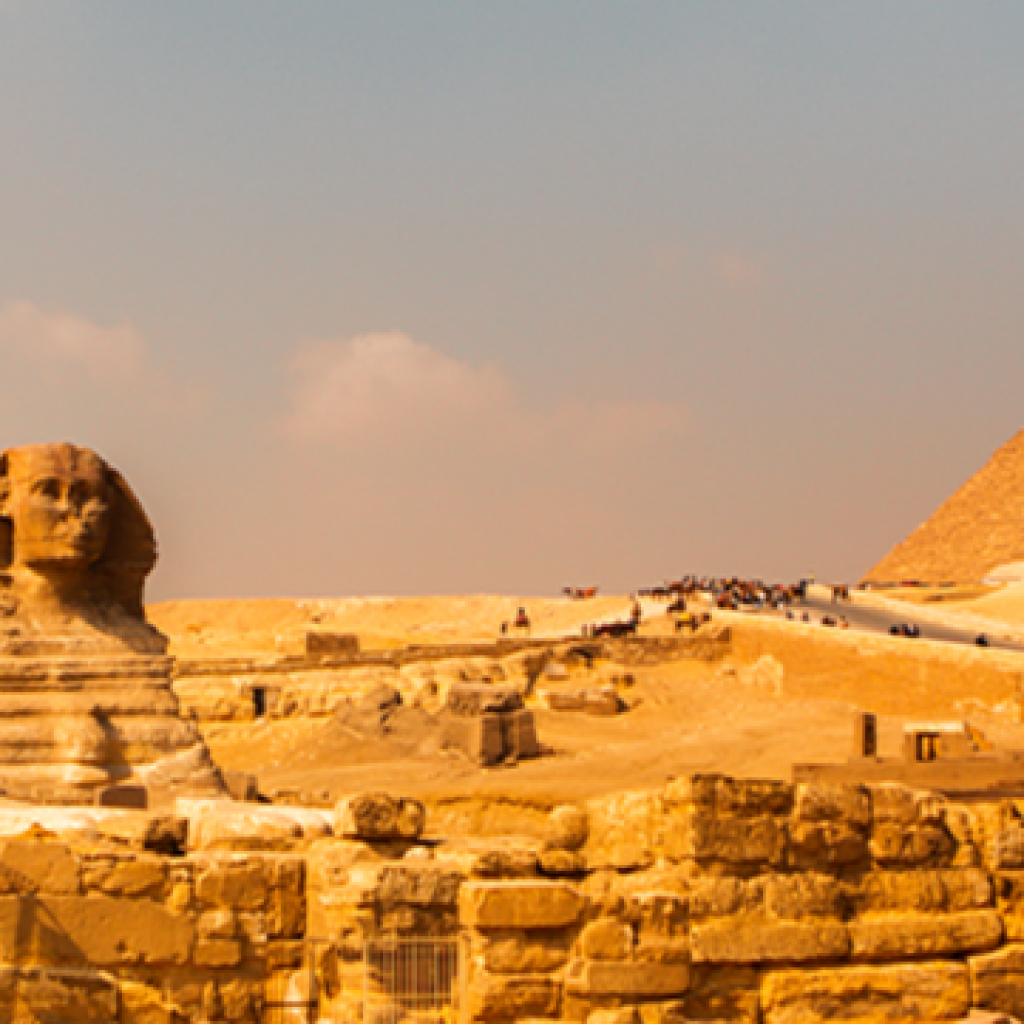
- Pyramids of Giza: Built using stone transported via the Nile
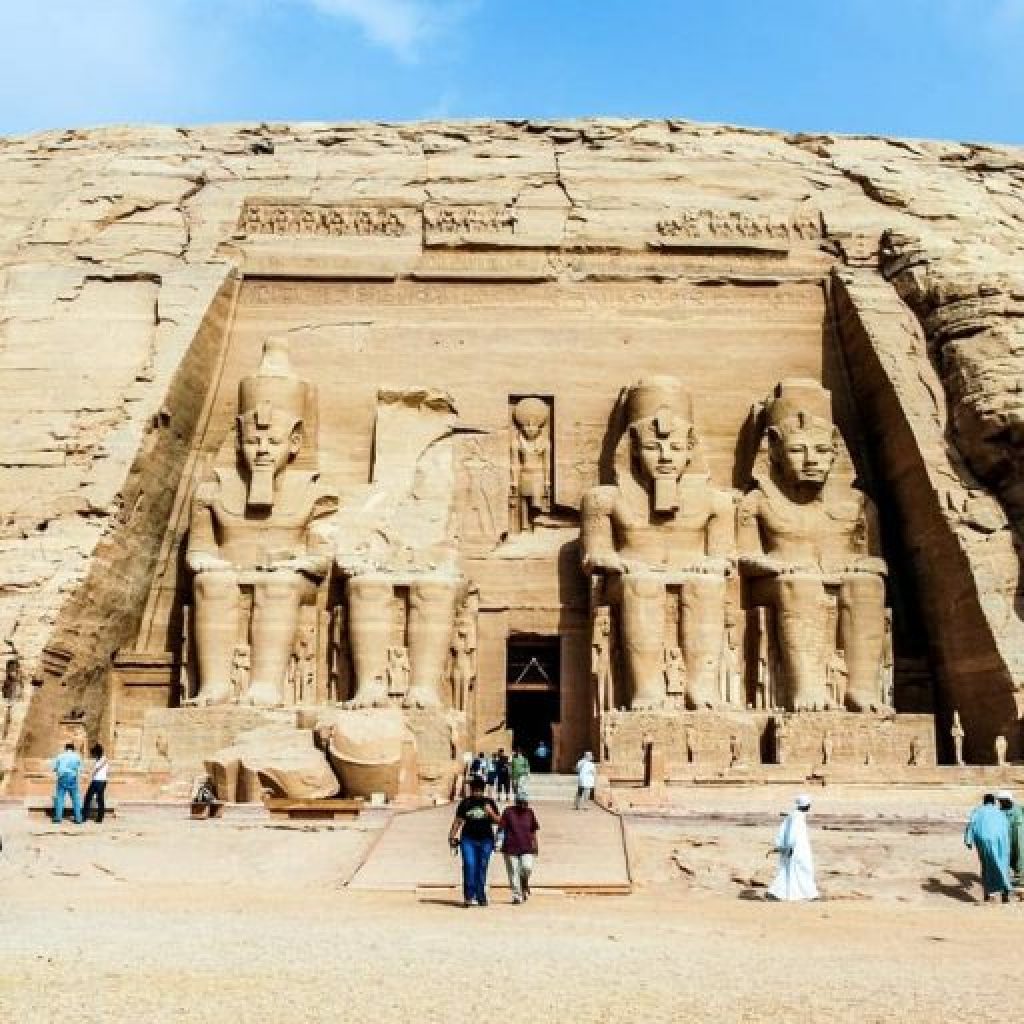
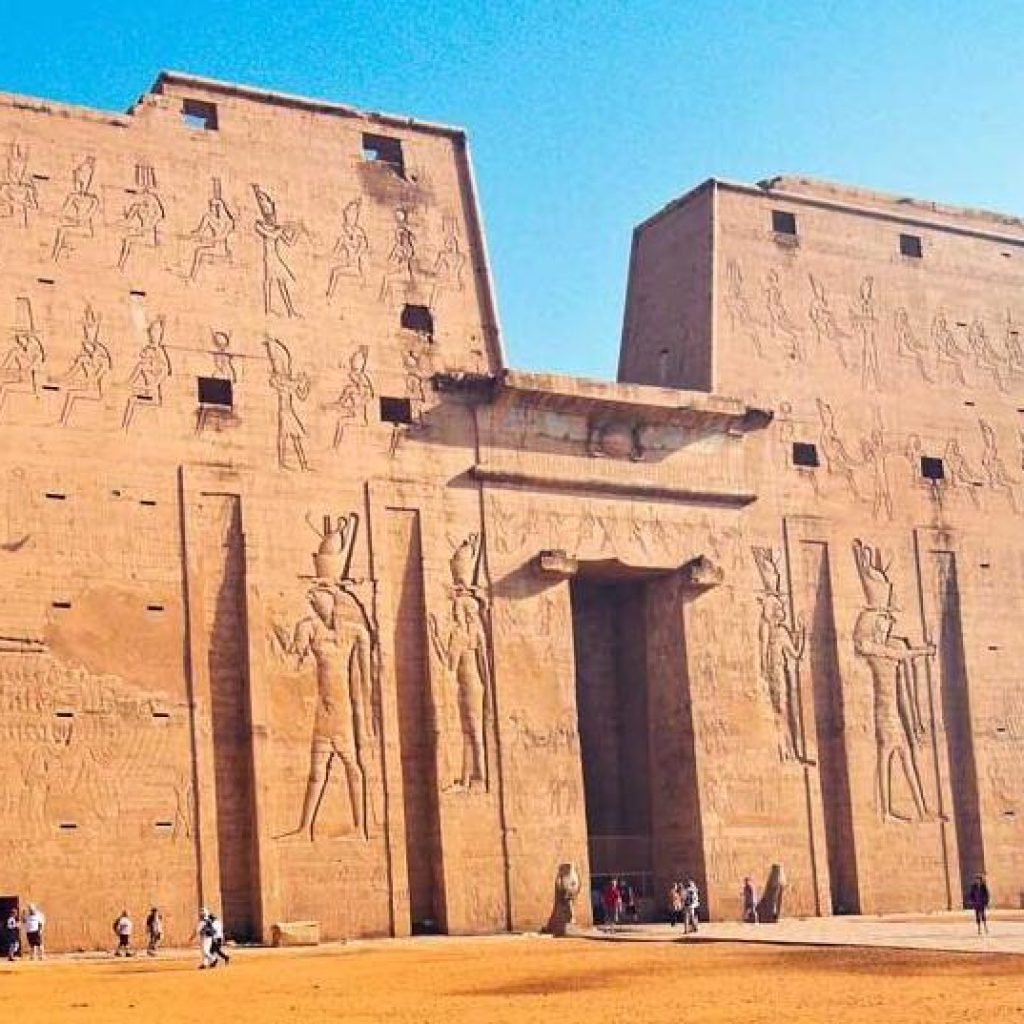
- Temples of Luxor and Karnak: Located strategically along riverbanks
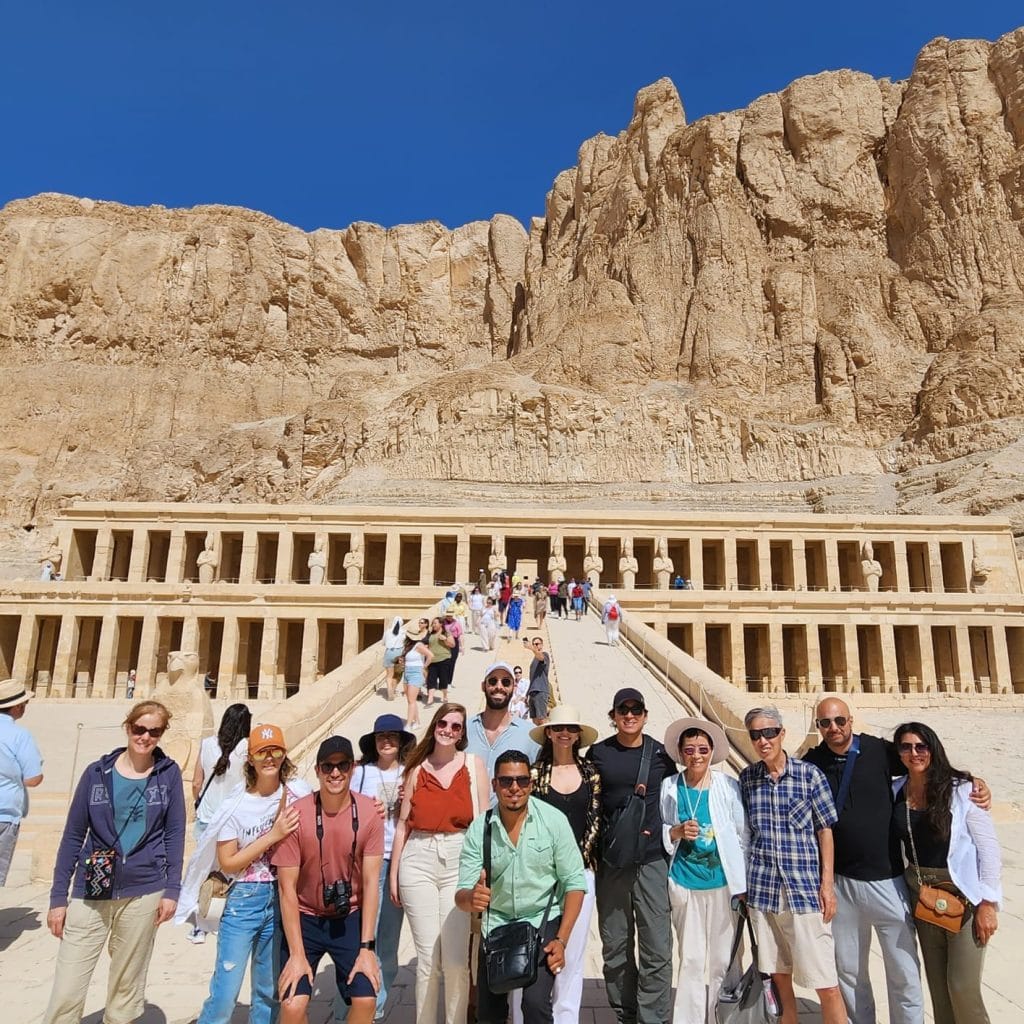
- Valley of the Kings: Positioned near the Nile for ceremonial significanceThe wealth generated by Nile-based agriculture allowed ancient Egyptians to invest in architecture, art, and science, another reason why Egypt is the Gift of the Nile.
The Nile River in Modern Egypt
While dams now control flooding, the Nile remains Egypt’s main water source. Over 95% of Egyptians live near its banks.
Modern Nile River importance includes:
- Irrigation for agriculture
- Drinking water for cities
- Hydroelectric power
- Tourism and Nile River cruises
The river continues to sustain life, echoing its ancient role in a modern context.
Experiencing the Nile Today: Nile River Cruises
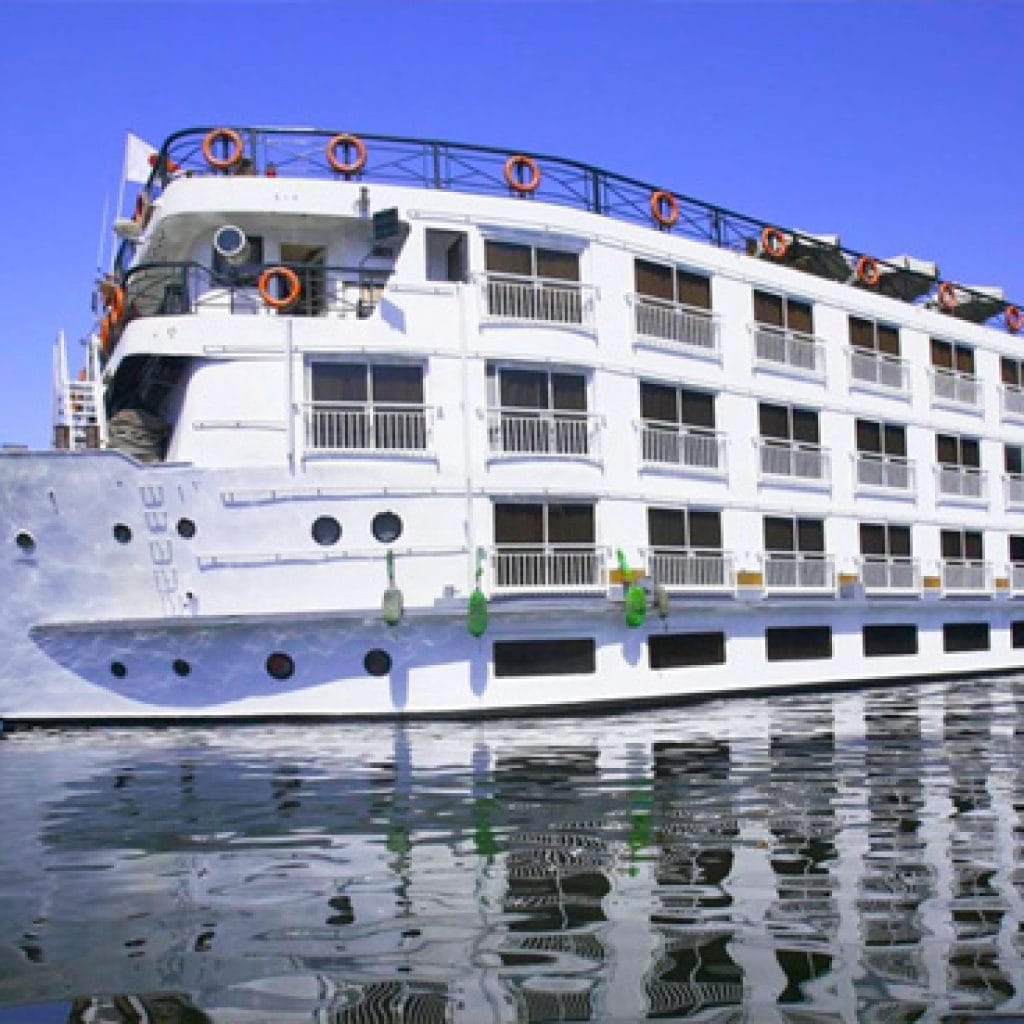
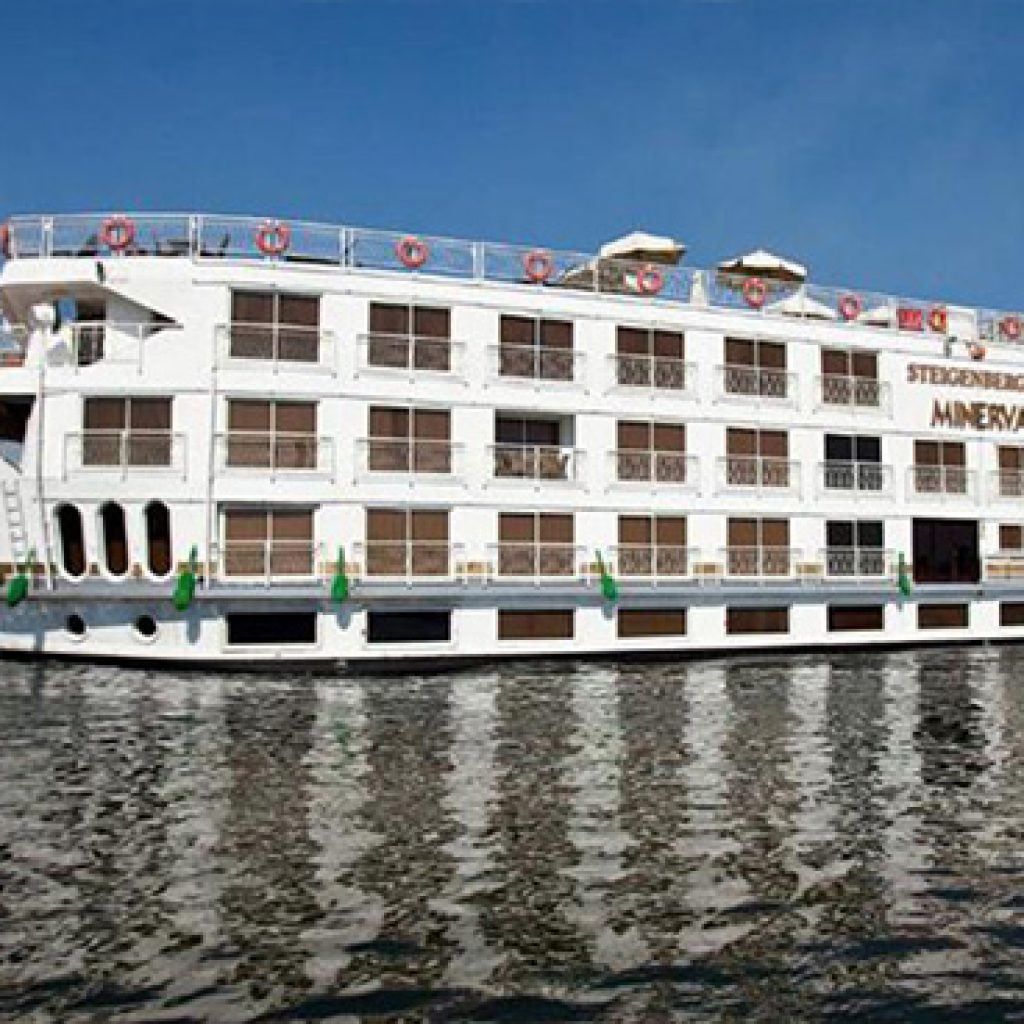
One of the best ways to understand the gift of the Nile meaning is by traveling along it. A Nile River cruise allows visitors to experience history, nature, and culture simultaneously.
Highlights include:
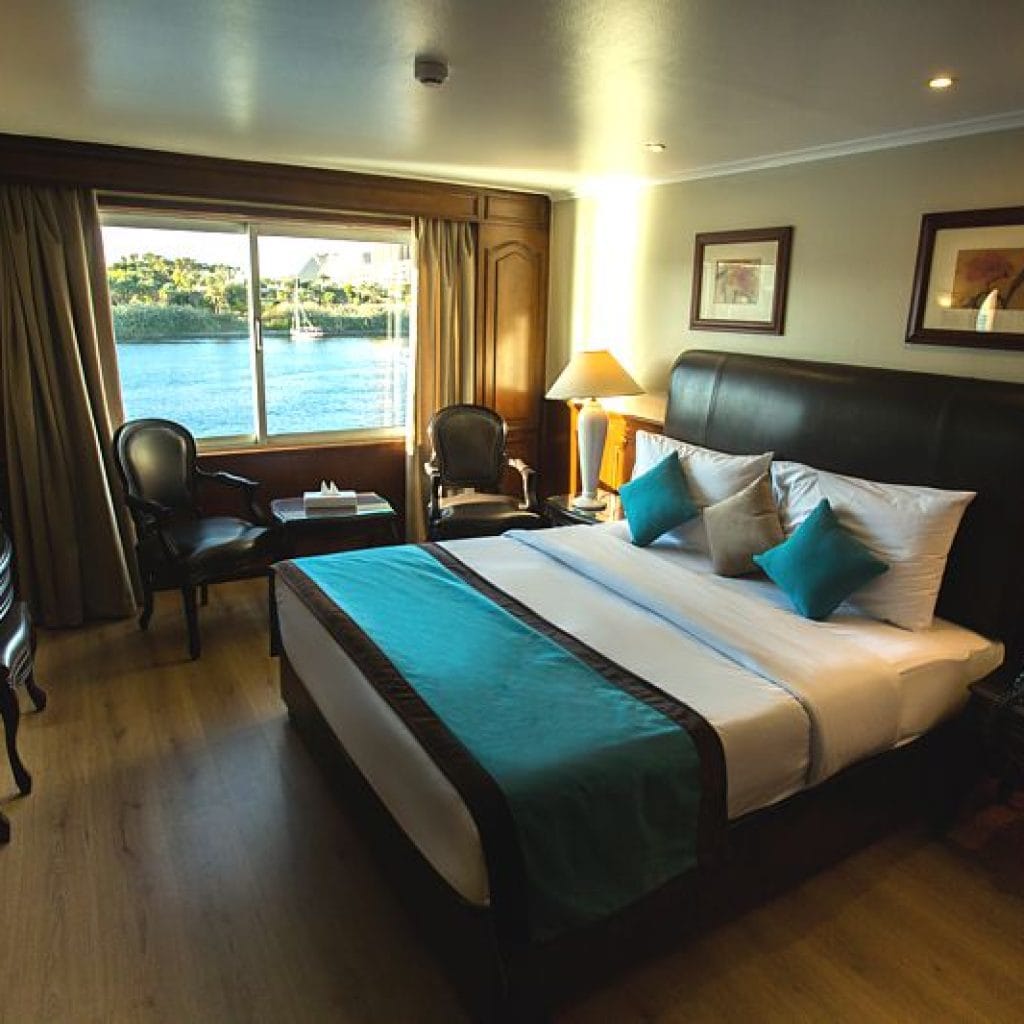
- luxury Nile cruise experience
- Sailing between Luxor and Aswan
- Visiting ancient temples along the river
- Watching daily life unfold on the banks
- Experiencing Egypt’s timeless landscapes
Imperial Egypt’s Nile cruise packages offer expertly guided journeys that connect travelers with the river’s past and present.
How to Visit the Nile River: Logistics & Planning
- Best Time: October–April (cooler weather)
- Recommended Duration: 4–7 days
- Main Routes: Luxor ↔ Aswan
- Travel Options: Cruise ships, felucca ride in Aswan, private tours
- What to Pack: Sun protection, comfortable clothing, camera
A guided experience ensures deeper insight into Nile River history and ancient Egyptian culture.
FAQs: Gift of the Nile Meaning
What does the gift of the Nile meaning refer to?
It refers to how the Nile River made life and civilization possible in Egypt by providing water, fertile soil, and transportation.
Why did Herodotus call Egypt the Gift of the Nile?
Because Egypt’s survival and prosperity depended entirely on the Nile River.
Why was the Nile River important to ancient egypt nile river?
It supported agriculture, trade, religion, political unity, and cultural development.
Is the Nile still important today?
Yes, it remains Egypt’s primary water source and a major economic and cultural asset.
Can tourists explore the Nile River today?
The Nile River cruises are one of Egypt’s most popular travel experiences.
The Nile Then and Now: Ancient Lifeline vs Modern Artery
The Nile River shaped life in ancient egypt nile river. Its floods dictated planting seasons and food supply, which drove the economy and daily routines. Egyptians even tracked the Nile to create calendars and revere it as a deity. Its central role wasn’t limited to agriculture but extended to their gods, leadership, and views on the afterlife.
Though dams and irrigation have replaced the natural floods, the Nile’s relevance continues. Egypt relies on it for farming, drinking water, transportation, and power. Cities hug its shores, confirming the river as essential to the economy and people’s lives. The shift from ancient practices to current technologies reflects the Nile’s lasting gift. Despite tech changes, Egypt still depends on it. The river continues to mold Egypt, from wheat fields long ago to current urban centers.
0 Comment