
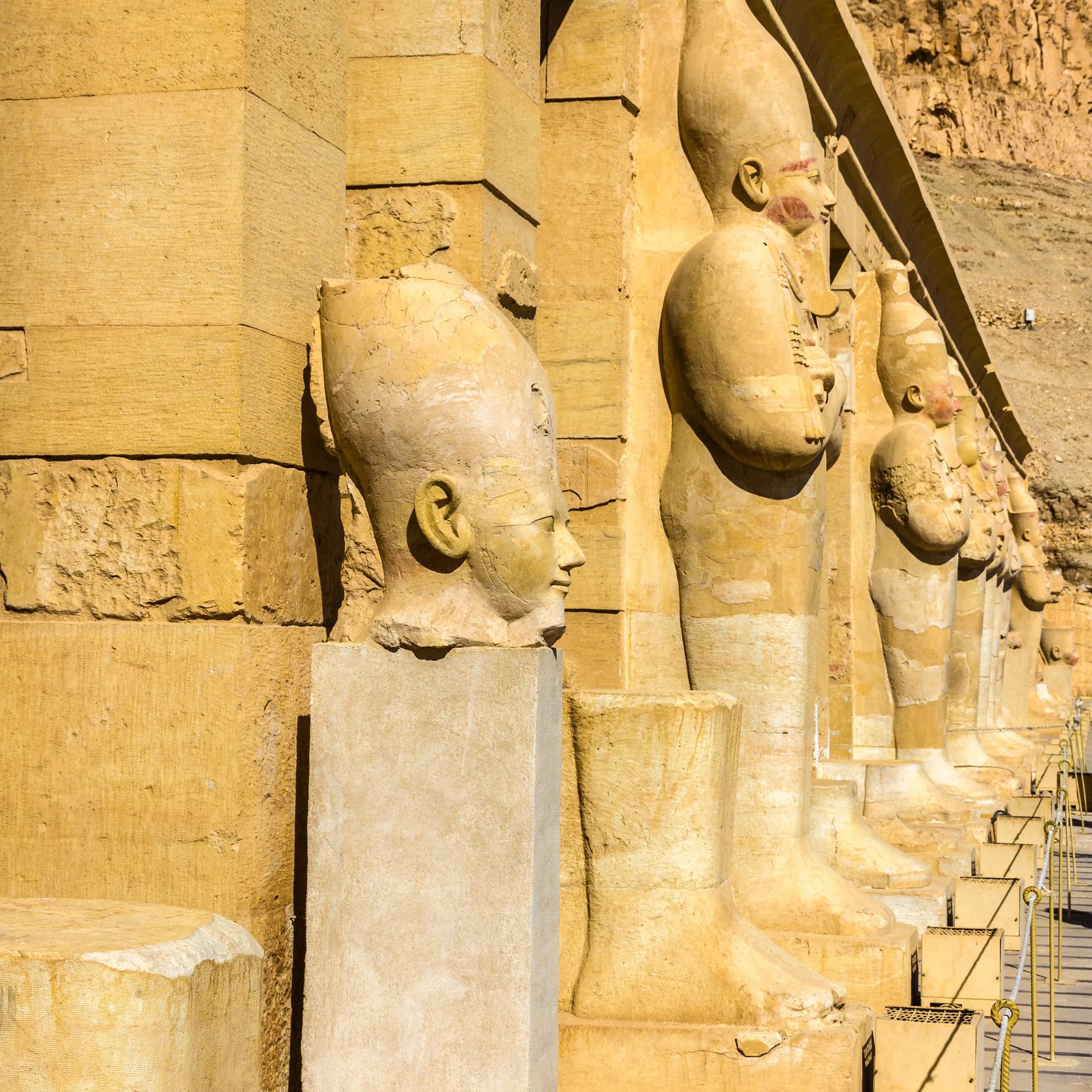

Discover Hatshepsut Temple: Power, Architecture, and Legacy
The Hatshepsut Temple is one of the most iconic monuments in Egypt and a highlight among Luxor West Bank attractions, rising dramatically against the limestone cliffs of Deir el-Bahari near Luxor. Built in the 15th century BCE and dedicated to one of ancient Egypt’s most powerful female pharaohs, its unique terraced design reflects remarkable innovation, political ambition, and deep religious devotion, setting it apart from traditional Egyptian temples. This guide will help you understand why hatshepsut Temple Luxor is so significant, what you’ll see when you visit, and how to visit the site today, Hatshepsut Temple is also a key stop in many Luxor West Bank tours and guided Luxor tours.
Most West Bank itineraries combine Hatshepsut Temple with the Valley of the Kings for a full day of ancient royal history
Quick Facts
Location: Deir el-Bahari, Luxor West Bank, Egypt
Best time to visit: Early morning, October to April
Time needed: 1–1.5 hours
Tickets/Entry: Included with West Bank tickets
How to get there: Taxi, private car, or guided tour from Luxor
What to expect: Terraced temple, ramps, reliefs, chapels
Top highlights: Punt expedition reliefs, Hathor Chapel, upper terrace
Tips: Sun protection, comfortable shoes, guided visit recommended
What Makes Hatshepsut Temple Unique
Key Points:
- Mortuary temple built for Queen Hatshepsut
- One of the most unique temples in ancient Egypt
- Designed to blend with the natural cliffs
- Central site among Luxor West Bank attractions
- Reflects political power, religion, and innovation
History and Context of Hatshepsut Temple
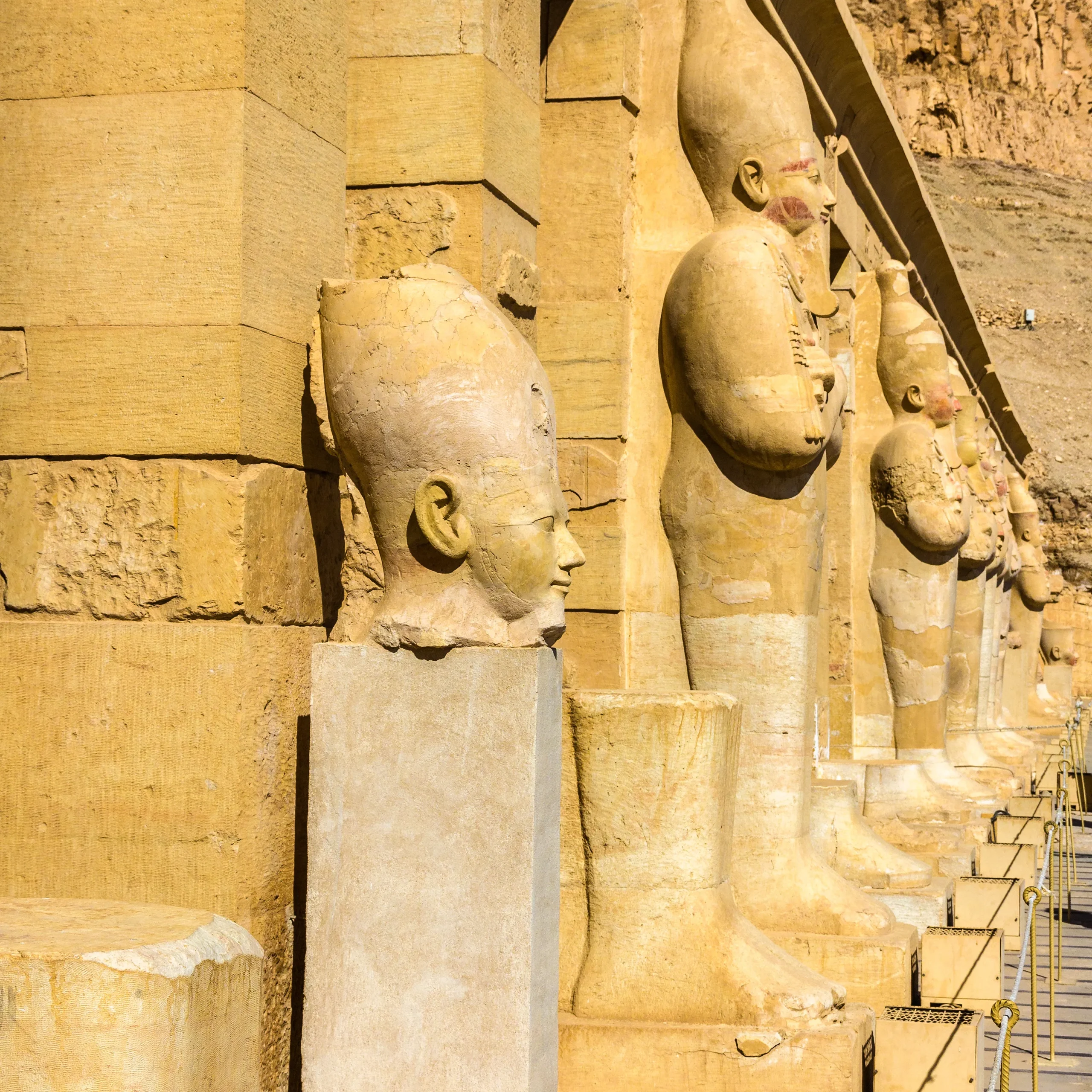
The Temple of Hatshepsut was constructed during Egypt’s New Kingdom in the 15th century BCE. Queen Hatshepsut ruled as a pharaoh at a time when Egypt was traditionally governed by men, making her reign historically exceptional. To legitimize her authority, she adopted full royal titles and emphasized her divine connection to the god Amun-Ra.
The temple was designed by her architect and advisor, Senenmut, and served as her mortuary temple, where rituals were performed to honor her spirit after death. It also contained chapels dedicated to Hathor and Anubis, reinforcing its strong religious role.
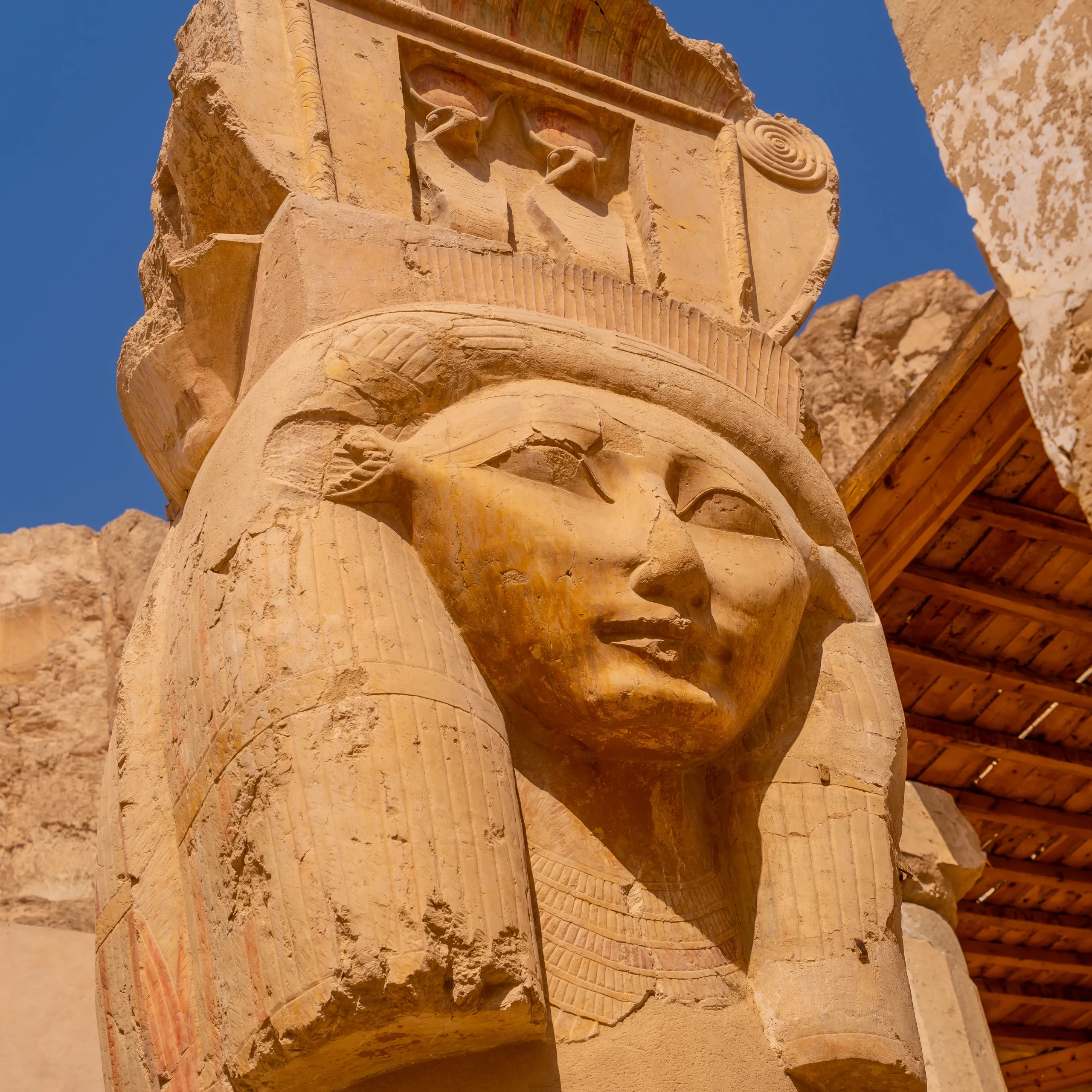
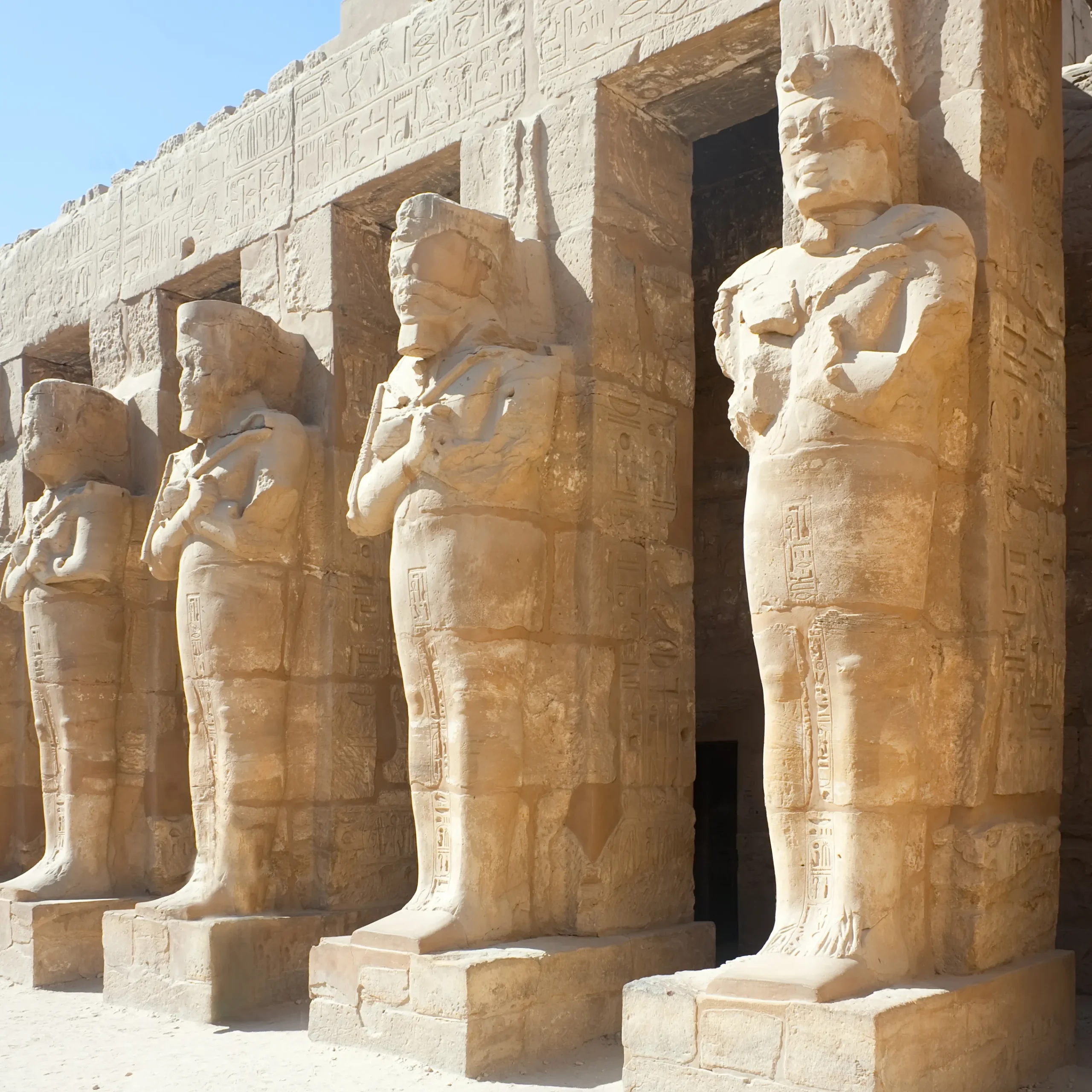
After Hatshepsut’s death, her successor Thutmose III attempted to erase her legacy by destroying her statues and inscriptions. Despite this, Hatshepsut Temple Luxor remains one of the best-preserved monuments of its era and a key source for understanding ancient Egyptian politics and belief systems.
How to Visit (Logistics)
Understanding how to visit Hatshepsut Temple is essential when planning a trip to Luxor’s West Bank.
Many visitors pair West Bank sites with the Karnak Temple Complex on Luxor’s East Bank for a complete Luxor experience.
Getting There
The temple is located in Deir el-Bahari on the West Bank of Luxor. Visitors usually reach it by taxi, private car, or as part of an organized tour. It is often combined with other nearby sites such as the Valley of the Kings.
Opening Hours
Hatshepsut Temple is typically open daily from early morning until late afternoon, though hours may vary seasonally.
Tickets
Entry is usually included in standard West Bank attraction tickets. Prices are affordable, but it’s recommended to check updated ticket policies locally.
Time Needed
- Plan to spend about 1 to 1.5 hours exploring the site at a relaxed pace.
- Best Time to Visit
- Early morning is ideal to avoid crowds and heat, especially during summer.
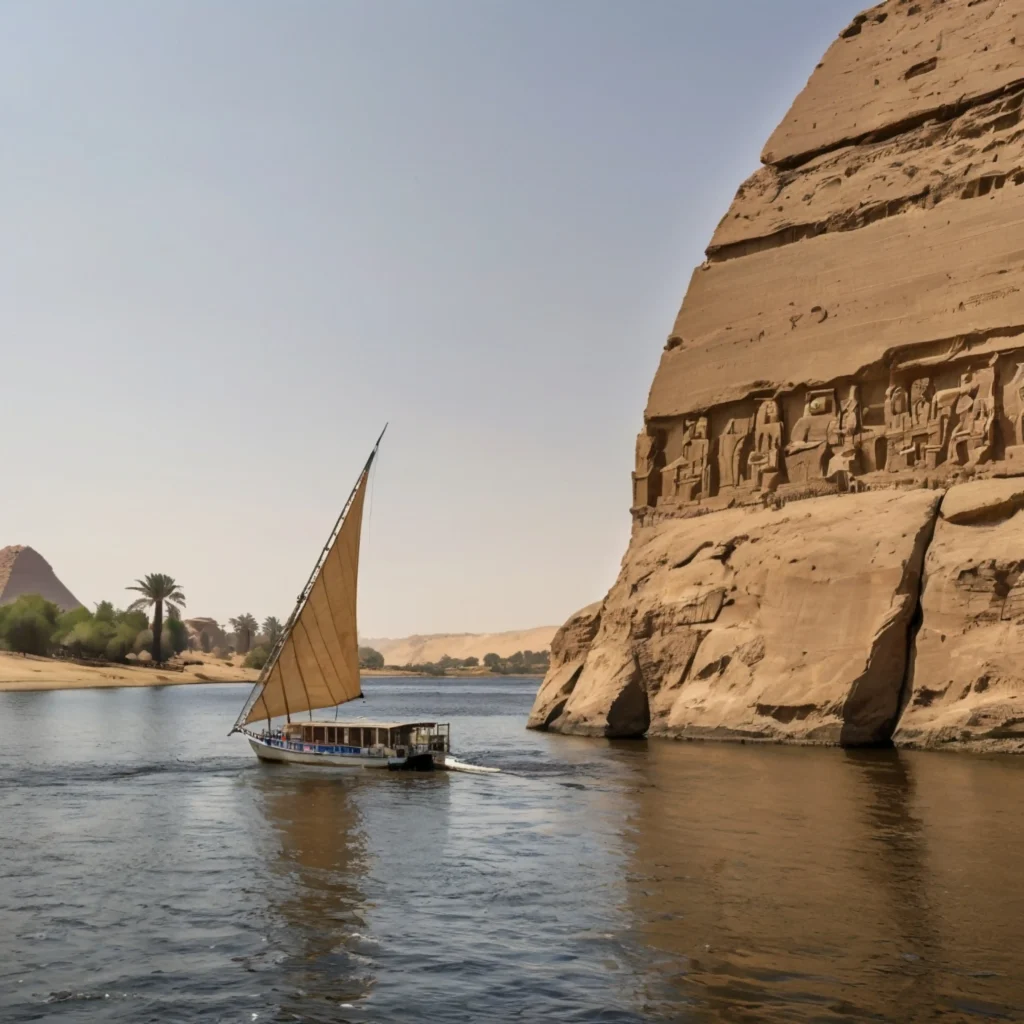
Hatshepsut Temple is included in many Nile cruises in Egypt, especially Luxor stops at the beginning or end of the cruise route
What You’ll See / Inside / Experience
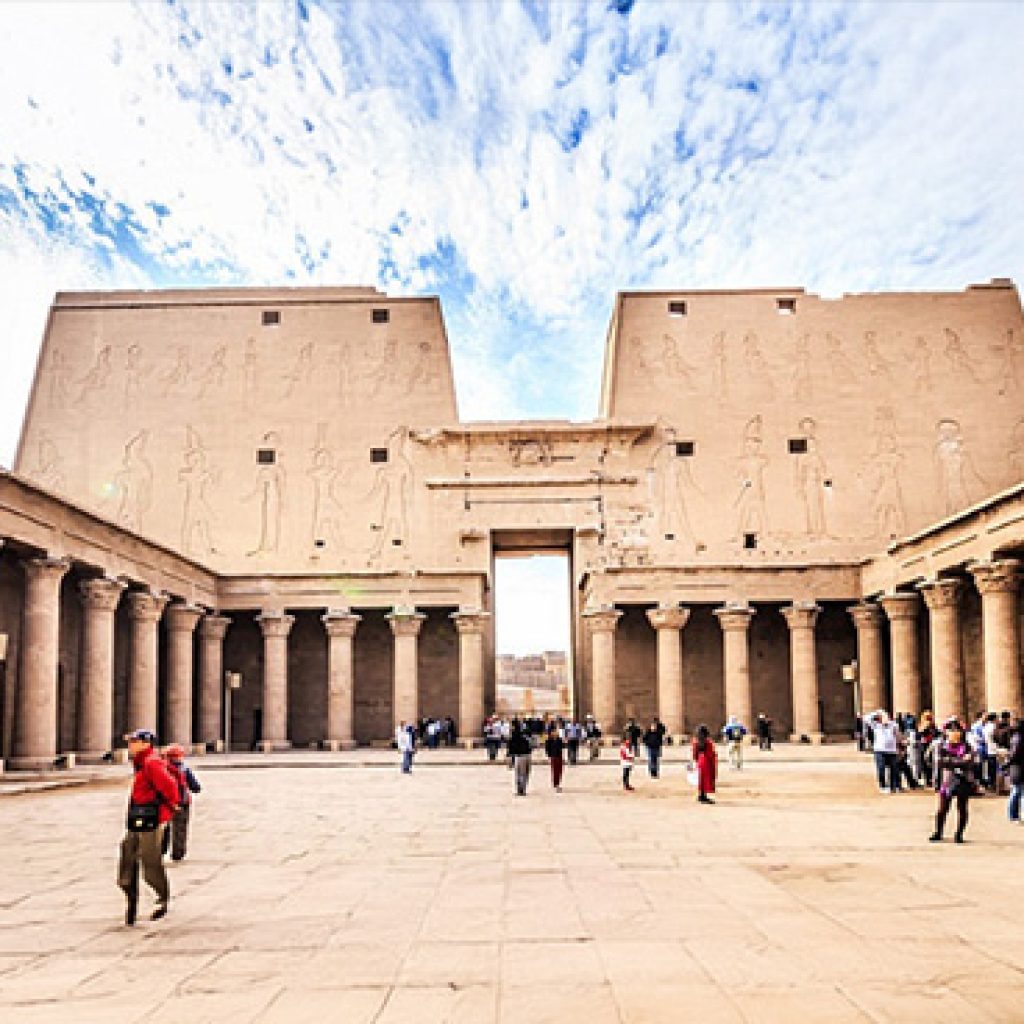
The visual impact of Hatshepsut Temple Luxor is immediate. Three wide terraces rise from the desert floor, connected by long ramps and bordered by elegant colonnades. The design creates a sense of harmony between architecture and landscape.
Inside the temple, visitors can explore detailed reliefs depicting religious rituals and major events from Hatshepsut’s reign. One of the most famous sections shows her expedition to the Land of Punt, highlighting trade achievements and foreign relations.
The chapels of Hathor and Anubis feature distinct decorative styles, adding depth to the visitor experience. Walking through the temple offers a powerful blend of history, symbolism, and architectural brilliance that sets it apart from other Egyptian monuments.
Tips (Practical Checklist)
- Visit early in the morning
- Wear comfortable walking shoes
- Bring water and sun protection
- Hire a guide for deeper historical insight
- Combine with Valley of the Kings
- Allow time for upper terraces
- Respect protected reliefs and barriers
- Photography allowed (subject to rules)
- Avoid peak midday heat
- Carry small cash for local transport
What to Visit Near Hatshepsut Temple
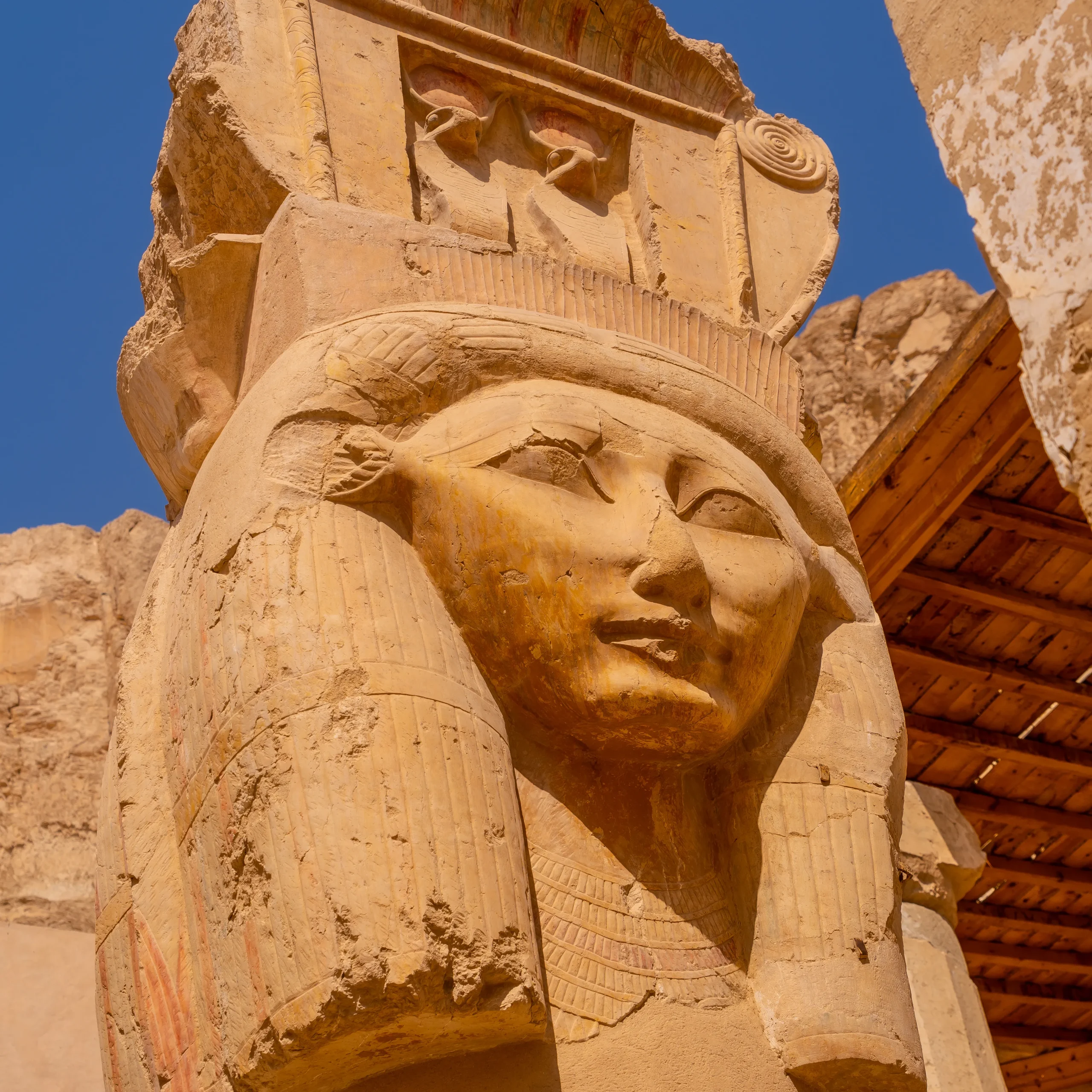
Hatshepsut Temple is ideally located near several major Luxor West Bank attractions. Many travelers pair their visit with the Valley of the Kings, home to the tombs of New Kingdom pharaohs, or explore nearby mortuary temples and noble tombs. Together, these sites provide a fuller picture of ancient Egyptian religion, burial practices, and royal ideology.
FAQs
A: Hatshepsut Temple is located in Deir el-Bahari on the West Bank of Luxor, close to the Valley of the Kings and other famous archaeological sites.
A: The temple was built in the 15th century BCE for Queen Hatshepsut and designed by her architect and advisor, Senenmut.
A: Most visitors need between one and one and a half hours to explore the temple comfortably.
A: Yes, it is one of the most accessible and visually striking sites on Luxor’s West Bank, making it ideal for first-time visitors.
A: Its terraced design, cliffside setting, and historical role as a monument to a female pharaoh make it unique in ancient Egyptian architecture.
Many deluxe Nile cruise packages include guided visits to Luxor West Bank sites such as Hatshepsut Temple.





0 Comment