

An Introduction to the Pyramid of Menkaure: The Refined Wonder of Giza
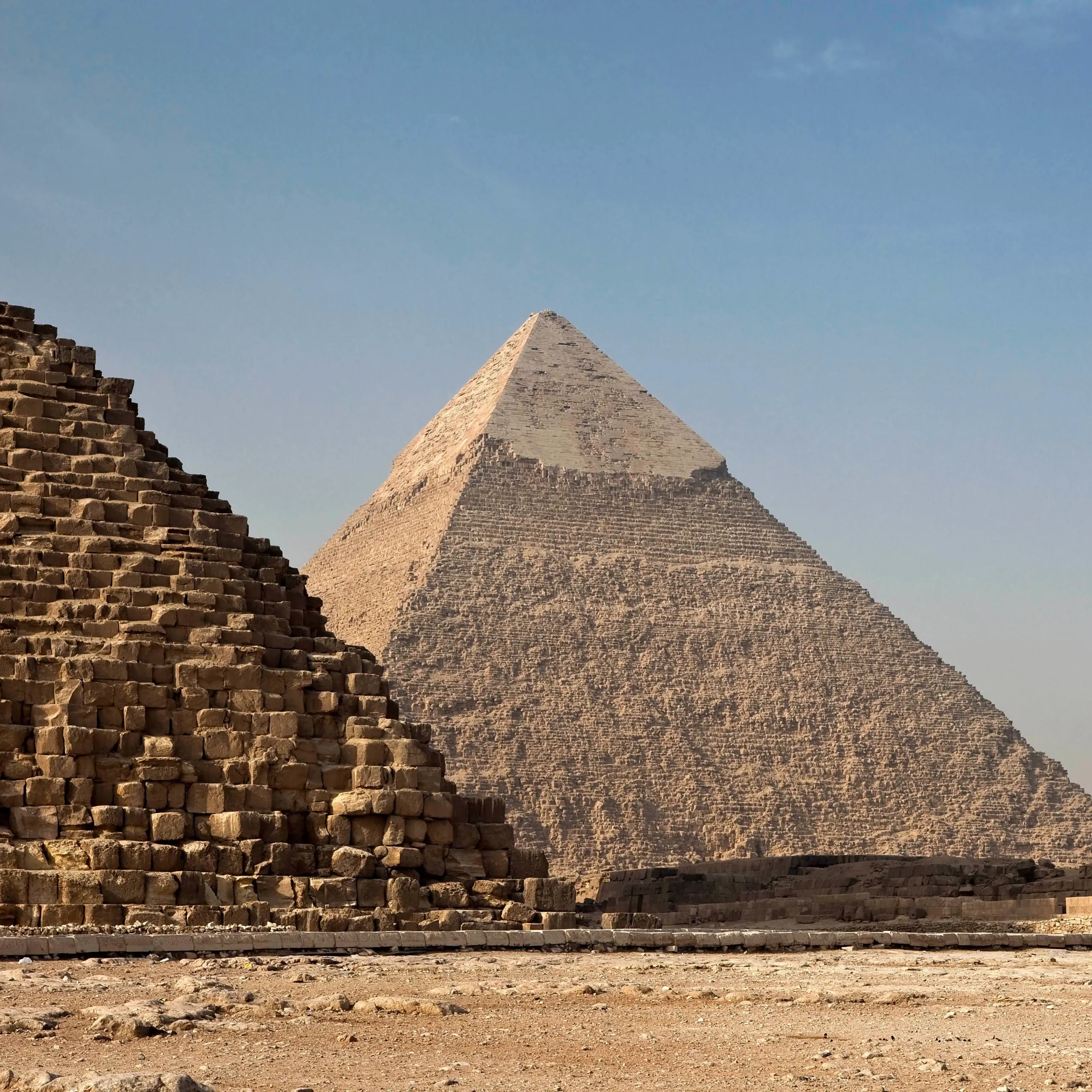
Nestled up against the towering leviathans of ancient Egypt, Menkaure’s pyramid may be the smallest at Giza, but its historical and architectural importance is equal to its more impressive neighbors. Constructed for Pharaoh Menkaure in 2490 BC, the structure embodies the last and finest feat of pyramid construction from Egypt’s Fourth Dynasty.
Commonly known as the Third Pyramid Giza, this structure is a testament to changing royal divinity, away from monumentalism and towards more subtly crafted architecture and more allusive symbolism. While Khufu and Khafre’s pyramids loom on the horizon, menkaure history, a bit more style and that royal touch.
In this article, you will find out important Menkaure pyramid facts, learn about what history knows of Menkaure (currently not a lot), information about how to get to the site and we’ll discuss why this tiny little pyramid is still an incredibly important part of the Giza Plateau.
Quick Facts About the Pyramid of Menkaure
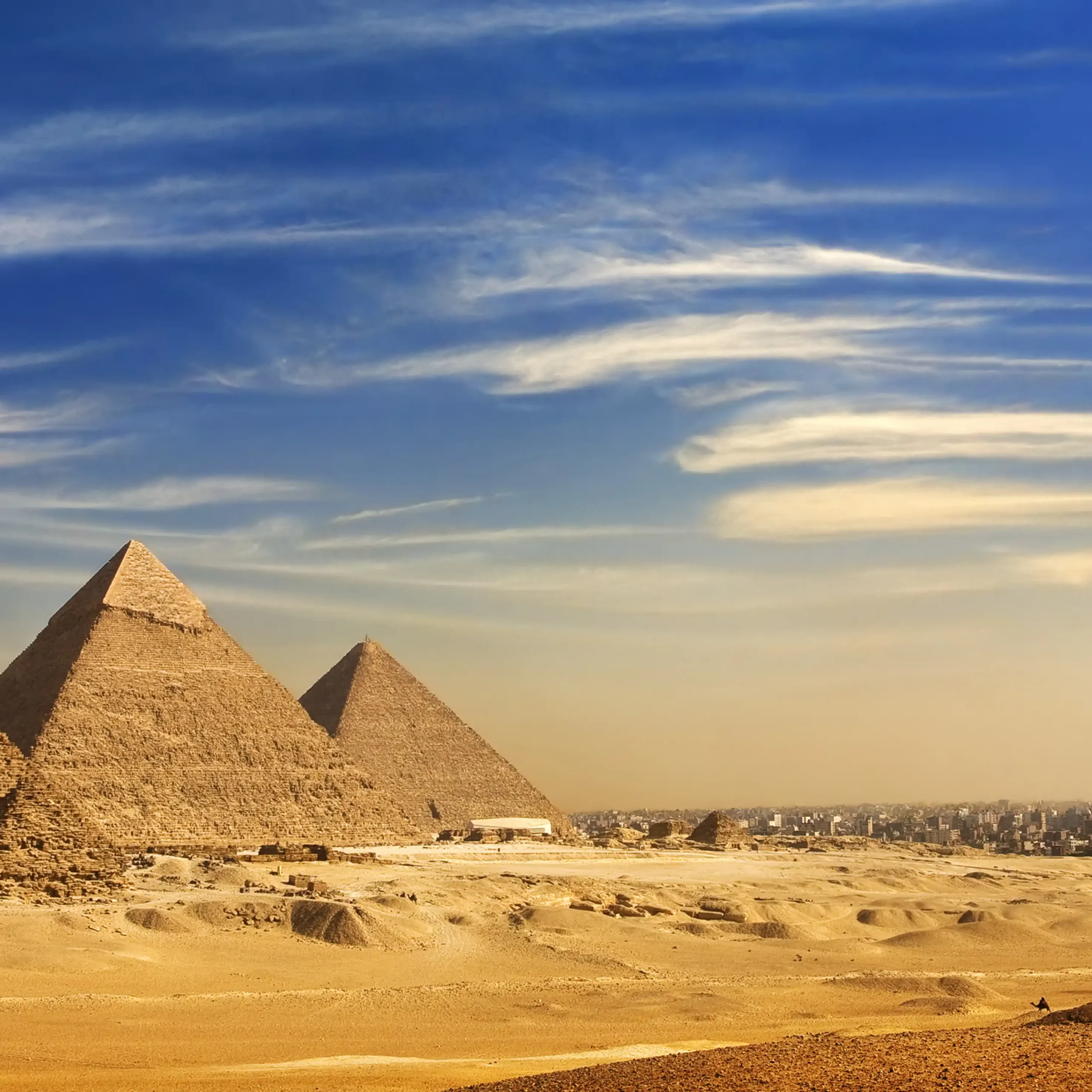
- Location: Southern edge of the Giza Plateau, just outside Cairo, Egypt
- Built For: Pharaoh Menkaure, the fifth ruler of Egypt’s Fourth Dynasty
- Construction Date: Around 2490 BCE
- Height: Approximately 65 meters (213 feet), making it the smallest of the three main giza pyramids menkaure
- Unique Feature: Originally distinguished by granite casing stones at the base
- Time Needed: Around 1–2 hours to explore the pyramid and surrounding complex
- Tickets: Entry ticket required for the Giza Plateau; separate ticket for interior access when available
- Access: Easily reachable by taxi, private car, or guided tour from Cairo
- Key Highlights: Granite casing stones, nearby queen’s pyramids, and the Valley Temple where famous statues were discovered

Great Pyramids
menkaure history & Architecture: Where Precision Replaced Size
Menkaure’s era quietly reshapes how we see pyramid building in Egypt. Though towering structures already defined earlier reigns, his rule introduced a quieter ambition. Craftsmanship took center stage under his name, moving beyond sheer size. Interiors grew more deliberate, shaped by belief as much as power. Details mattered now – angles, layouts, meanings tucked into stone. This king didn’t reach higher; he dug deeper into meaning. His monuments feel personal, almost intimate, despite their scale. Religious thought guided each corridor, every chamber carved. Royal image still stood strong – but spoke through precision, not just mass.
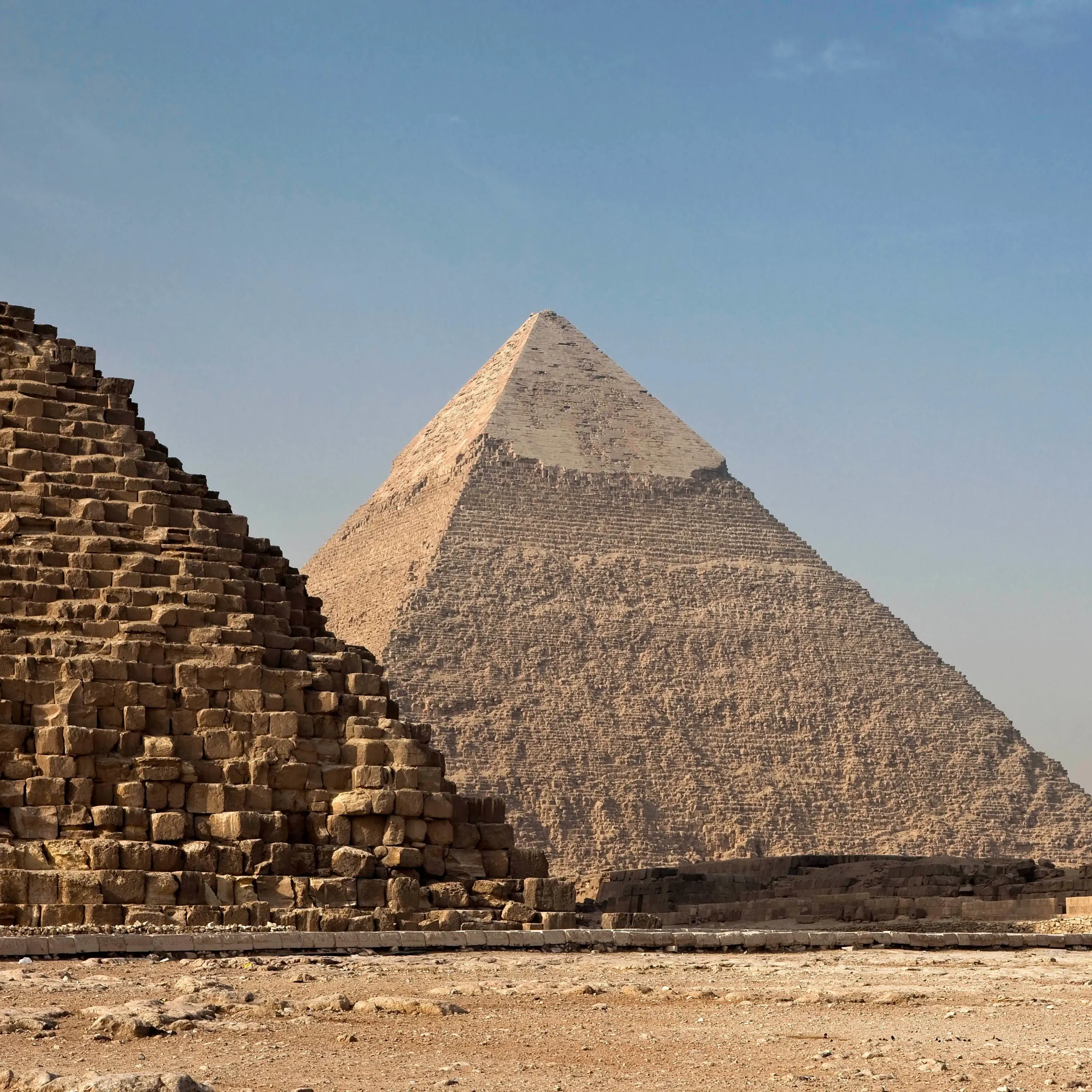
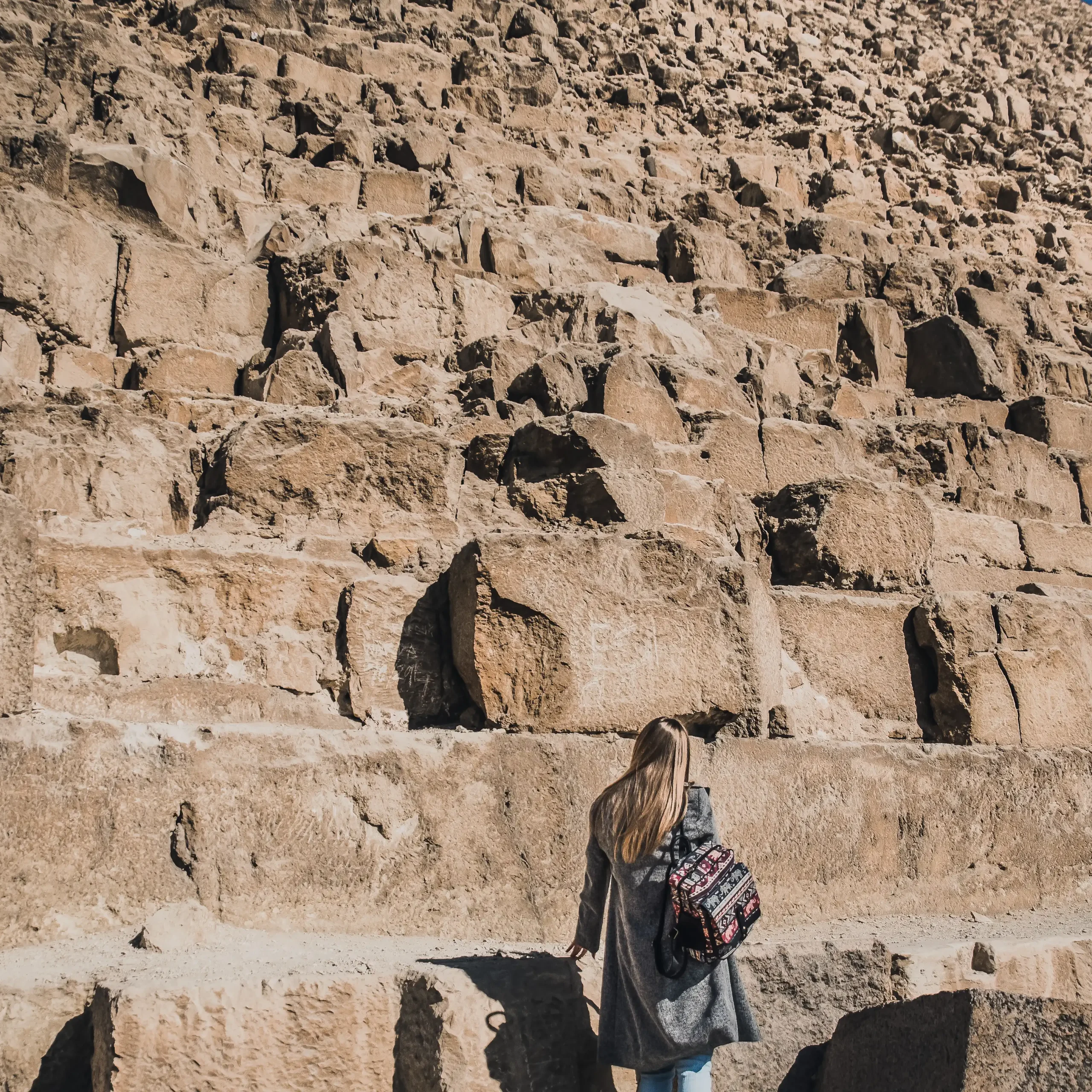
Starting near the bottom, Menkaure’s pyramid swaps common materials for granite – a costly move few before had tried. Hauled from Aswan, that stone traveled over 800 kilometers through heat and dust. Only massive effort could bring such weight so far just to wrap a tomb’s foundation. Up top, pale limestone takes over, stepping back in boldness where granite dominates below. Seen beside others on the plateau, this mix stands apart – solid, heavy at the feet, lighter toward the sky.
Beyond the towering shape of Menkaure’s pyramid lies a broader sacred layout. Connected through ancient pathways stand three smaller pyramids, likely resting places for queens or princesses of high rank. A temple near the floodplain once hosted key rites tied to death and passage. Finds here – carved images, silent stone figures – speak quietly of how power dressed in ritual back then. These objects reveal shifts in worship, art choices, even thoughts about what comes after life.
Inside the Pyramid of Menkaure: A Refined Interior Design
Deep inside, the walls open up where few would expect. Though small from outside, the structure holds careful thought behind every angle. Where the tomb lies, stone meets earth without seams – cut straight into solid ground below. Builders placed it there so forces above would not crush what rests underneath. Strength came from how layers were set, one upon another, balanced by unseen logic. Protection shaped the plan just as much as honor did.
Even so, the first basalt coffin vanished underwater while being shipped to England long ago. Still, old documents and sketches prove how finely it was made, full of meaning down to each mark. Instead of just size, later hallways and rooms focused on smart design, layered symbols, and purposeful layout. What stands out now are clues hidden in the pyramid’s structure – quiet signs of progress during Menkaure’s time.
 Great Pyramids
Why Visit the Pyramid of Menkaure?
A quiet hush settles here, unlike the busier sites nearby – Menkaure’s pyramid stands modest but steady. Fewer footsteps echo around it, leaving room to wander without rush. Details speak louder than scale when given time to be seen. Those drawn to skill rather than spectacle tend to linger longest. The rhythm of carved stone tells a story older than most remember.
Standing last among the three main pyramids at Giza, Menkaure’s structure finishes what the others began. Not about sheer size anymore – this one values harmony, careful design, beauty even. Close by the giants built by Khufu and Khafre, it pulls visitors into a quieter kind of awe. To walk here is to see how power started speaking softer, shaping stone with subtler intent.
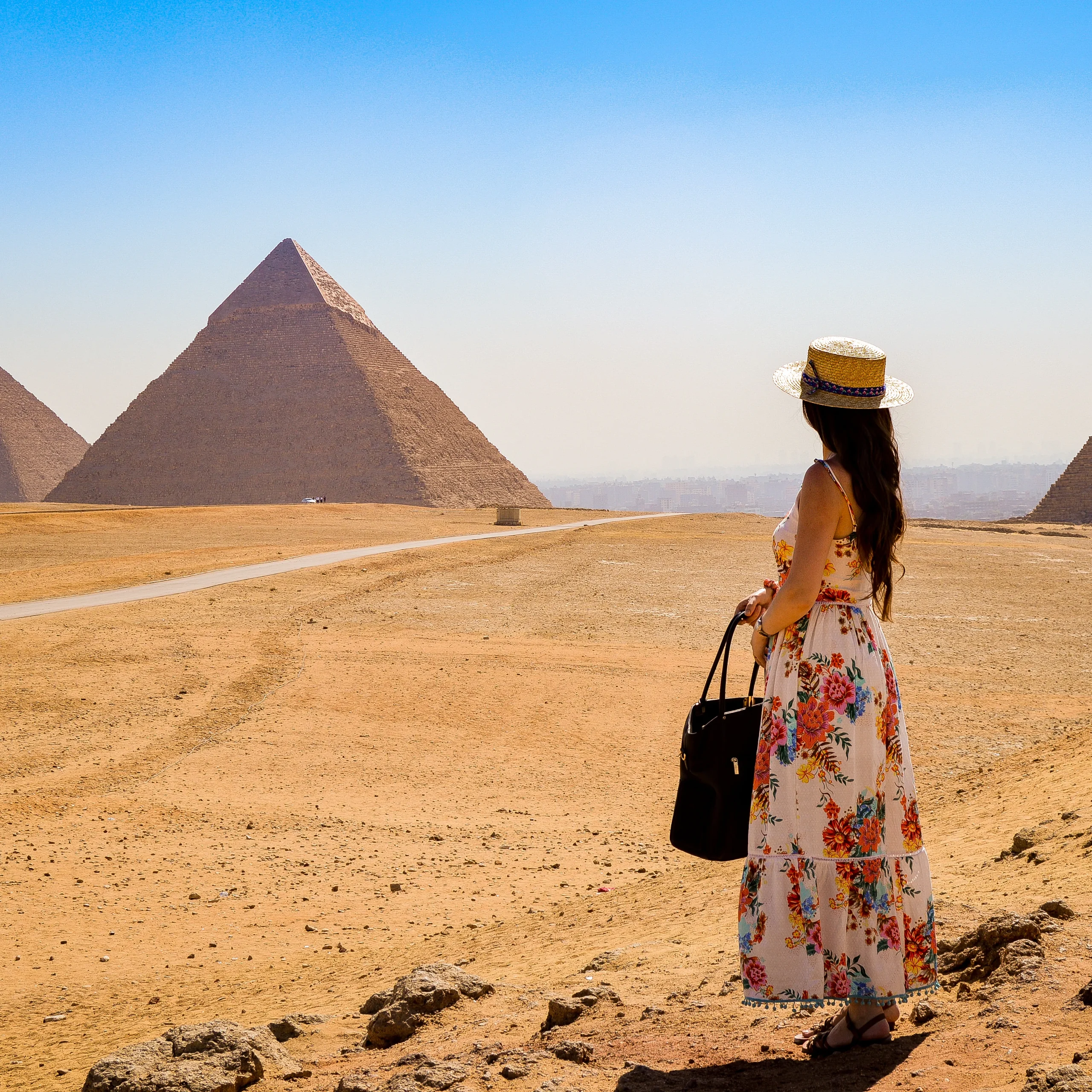
The Pyramid of Menkaure: A Photographer’s Dream on the Giza Plateau
Down at the edge of the ridge, Menkaure’s pyramid holds its place away from the others – attention comes less from size, more from solitude. Positioned further south, open ground wraps around it, offering views most photos near crowded sites never catch. Here, light shifts character, reflecting between bleached sand, shadowed stones, and endless sky overhead. When sunlight lifts, images sharpen suddenly, colored bands slicing through each scene without warning.
Sunrise drags thin shadows across the stone, shaping corners more clearly until evening repeats the act. Edges sharpen under morning light, giving forms a sudden presence, like sketches deciding to breathe. From a certain spot, Menkaure rests forward, dwarfed by giants rising behind, stacked like memories of rule. Shifting dark patches add layers to every image, as though moments pause inside the frame. A few rush on, some stay longer, yet most freeze briefly – caught by sight.
How to visit Menkaure pyramid ?
Start early if heading to Menkaure’s pyramid – timing helps avoid crowds. Reaching it from Cairo takes little effort, thanks to clear routes. Exploring nearby spots on the Giza Plateau fits naturally into the same trip.
- Getting There
Out near the edge of the desert, Menkaure’s pyramid sits on the Giza Plateau – roughly half an hour from downtown Cairo if you drive, though traffic might slow things down. Getting there? Taxis work, so do ride apps or your own car, plus some come through Tour Packages that handle everything. A bunch of people go with scheduled trips just because it bundles the ride, entry pass, and stories about the past into a single day out. - Tickets & Entry
Getting in usually means you can walk around the Giza Plateau, see the outside of the pyramid too. To go inside Menkaure’s pyramid, another pass is needed – few are sold, depending on upkeep plans. These extras aren’t always there, showing up sooner helps secure one. Tickets like that tend to run out, planning ahead makes a difference. - When to Go
Mornings start calm, that is when shadows stretch long across the paths. Later in the day, near sunset, light turns golden – perfect for photos. Fewer people wander then, plus heat fades into comfort. Sightseeing feels easier under pale skies, not harsh sun. - Time Needed
Spending a bit of time wandering near the big pyramid means you can check out the smaller ones close by too. Maybe one hour will do it, though two gives room to pause, look around, snap some photos. Moving slowly helps notice things that rush past at first glance. The light shifts, shadows stretch – worth waiting just to see how it changes. - What to Bring
When paths get bumpy, good walking shoes make a real difference. Water should come along, just in case thirst hits under open sky. Sunscreen helps when light bounces off stone or sand. Cash works where machines fail, especially at small booths or village stops. Snapshots turn moments into something tangible later on. Phones do that now, if you have one handy. Views tend to stick around longer when caught in pixels.
Many travelers choose a Giza day tour from Cairo for transport, tickets help, and a licensed guide.
Nearby & Related Attractions on the Giza Plateau
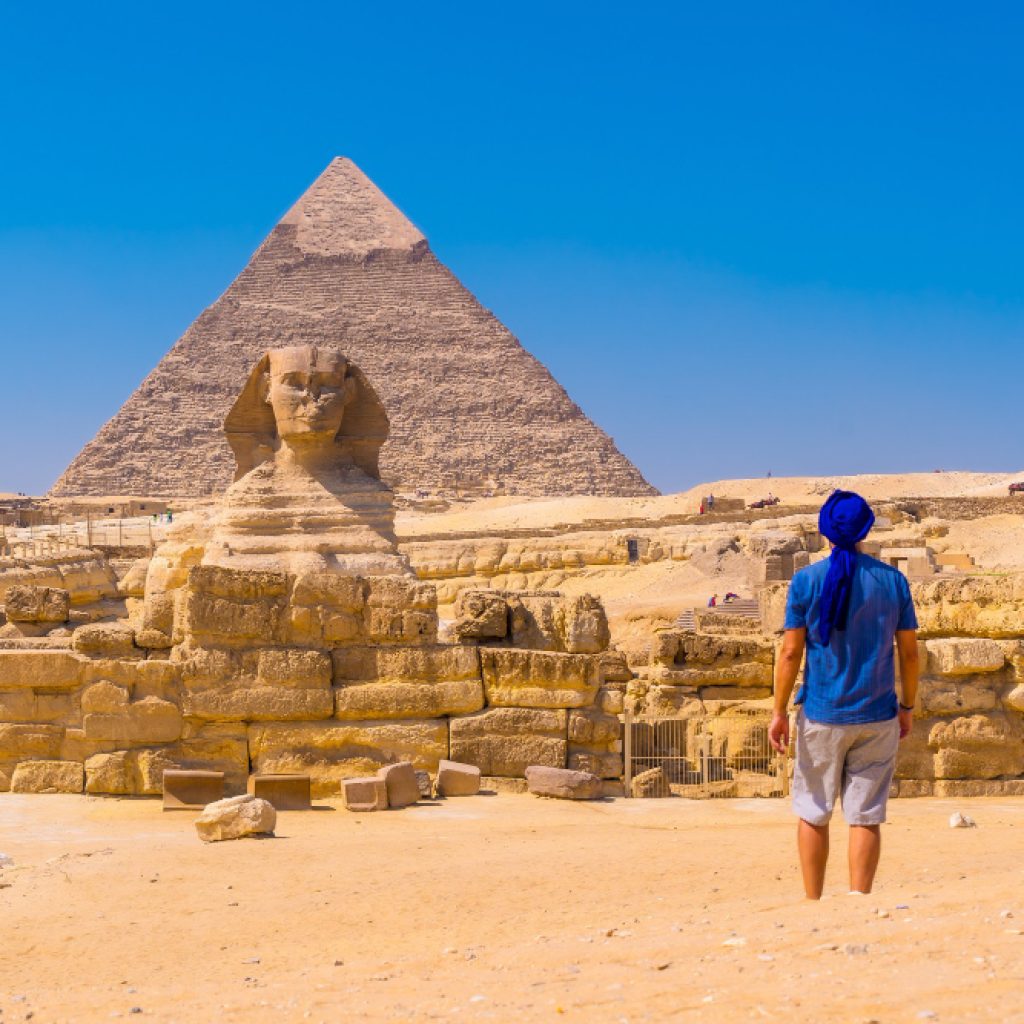
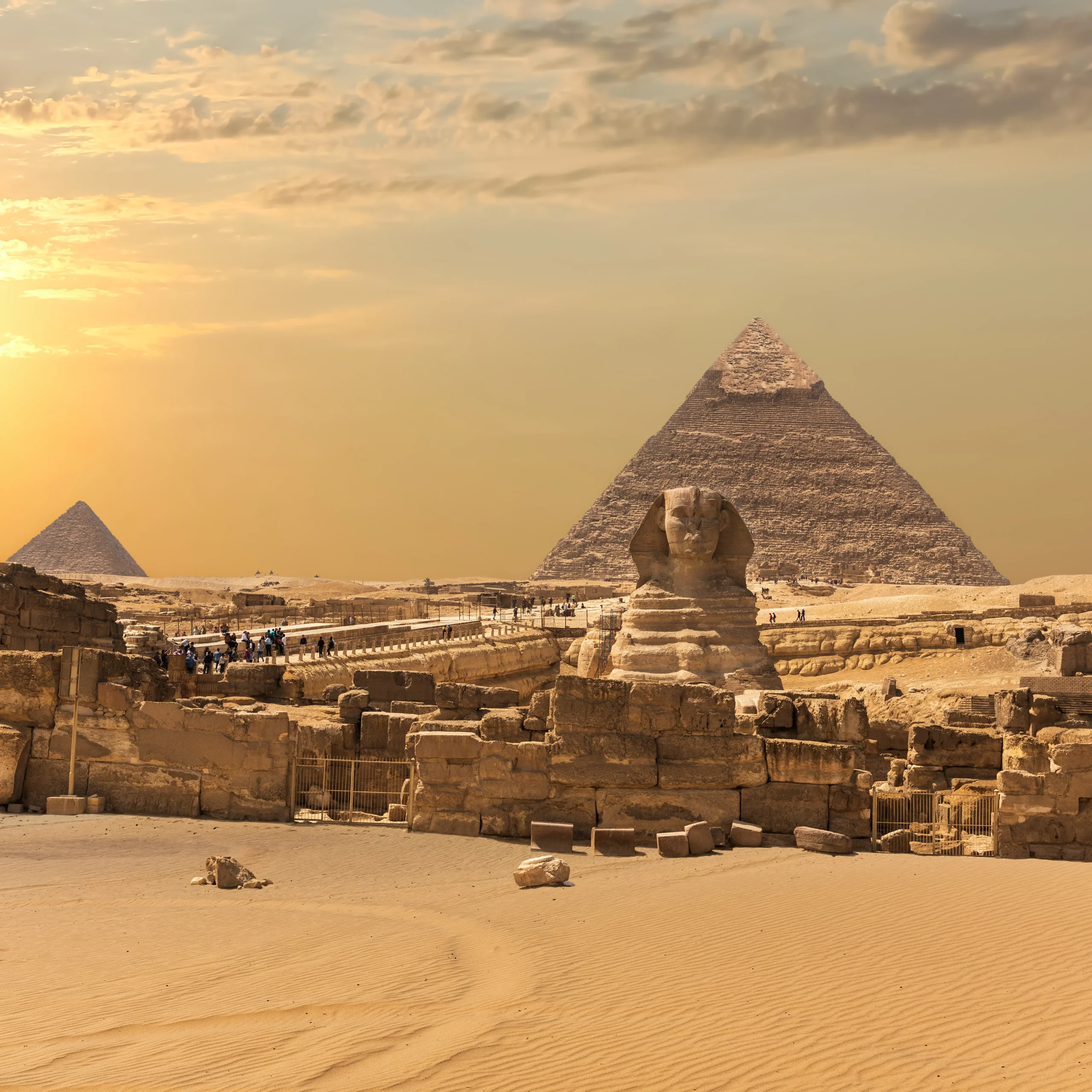
From near Menkaure’s pyramid, Khafre’s construction climbs into view – patches of casing stones linger at the top, whispering echoes of a brilliance now gone. Ahead, space widens sharply, drawing eyes toward the Sphinx, shaped from living rock, holding a quiet watch outside clear sight. At each turn, signs of power and old rites appear suddenly, stitched slowly by worn contours and shifting light.
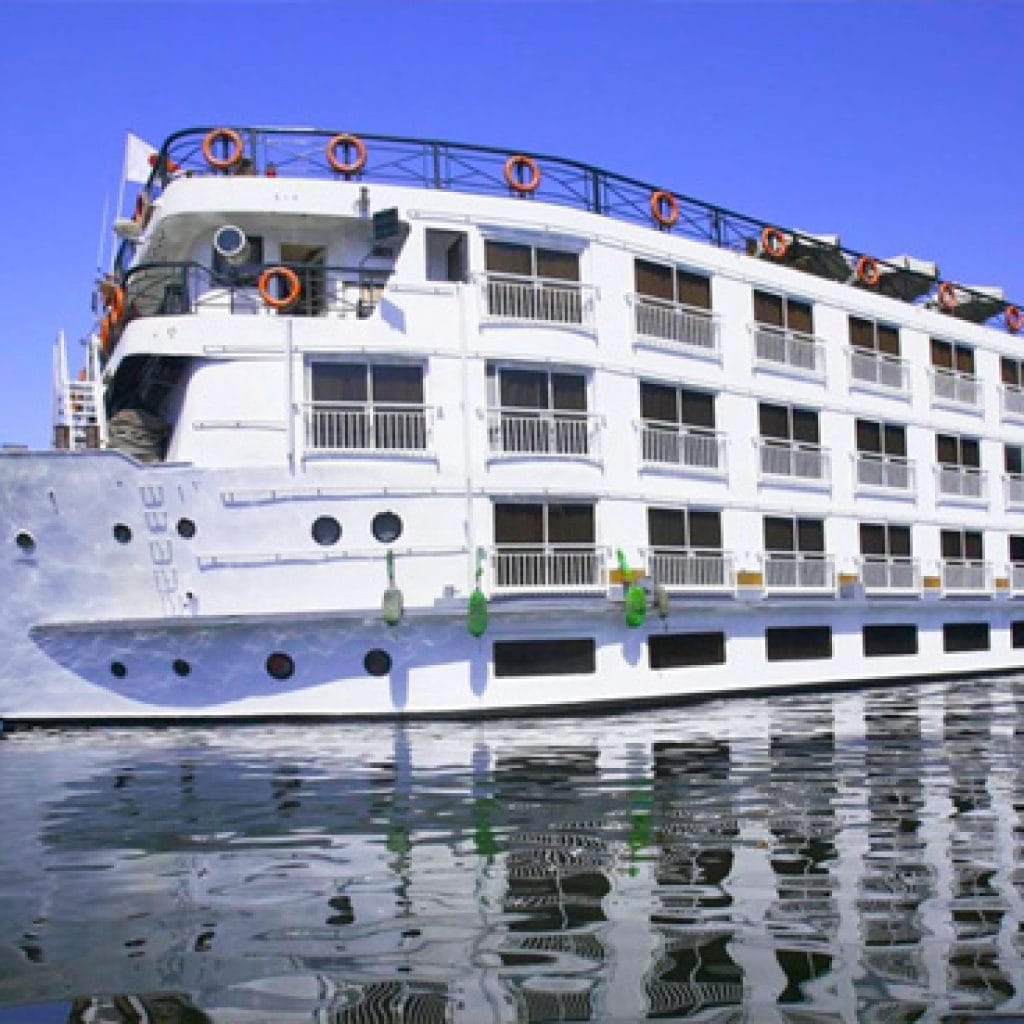
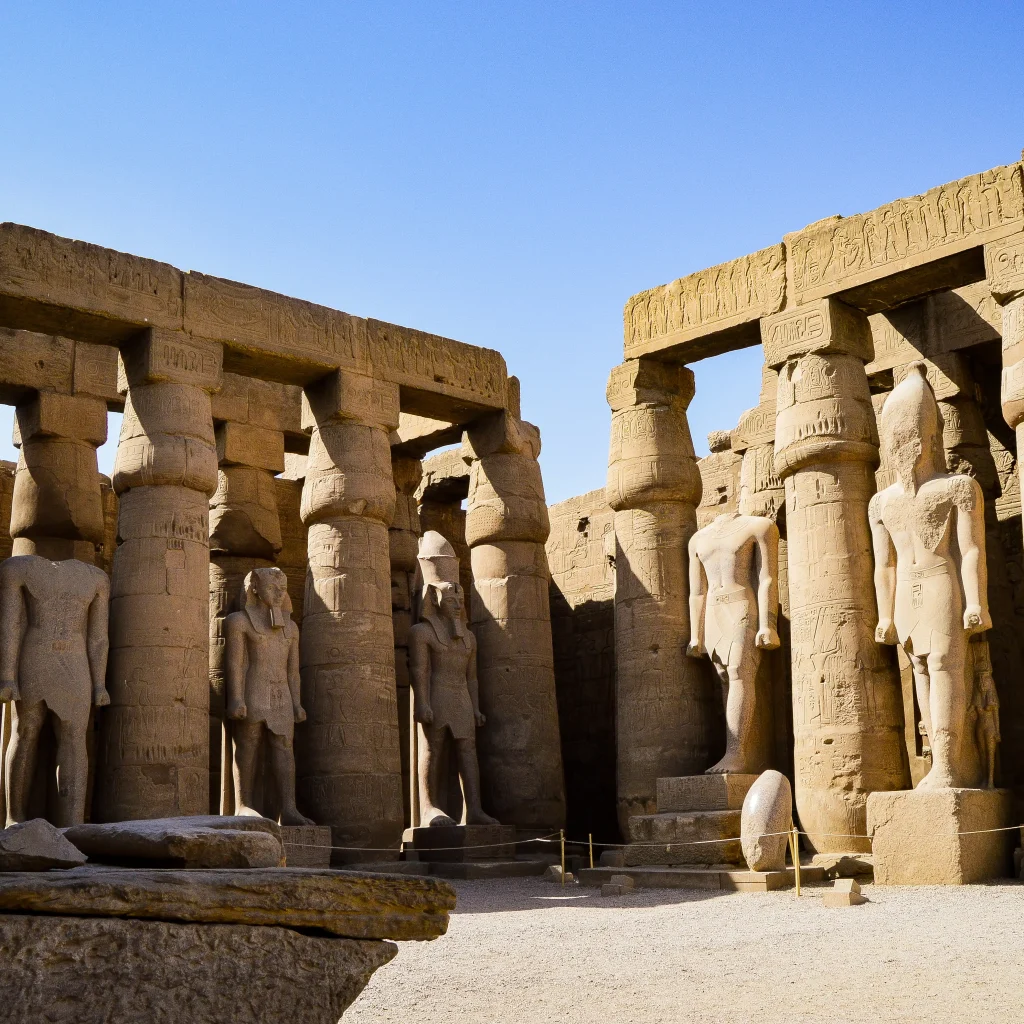
A few travelers extend their visit beyond Giza, connecting it with journeys such as cruising the Nile or following guided routes through ancient Egyptian sites like Luxor and Aswan. Along such a route, catching sight of Menkaure’s pyramid brings added context, its significance sharpening when seen among other relics from the time of the Old Kingdom.
For earlier pyramid evolution, add the Saqqara Step Pyramid (Djoser) to your Cairo itinerary.
FAQs About the Pyramid of Menkaure
Who was Pharaoh Menkaure?
Pharaoh Menkaure was the fifth king of Egypt’s Fourth Dynasty and the builder of the pyramid of Menkaure. He ruled around 2490 BCE and is remembered for refining pyramid design and supporting artistic excellence.
Can you go inside the Pyramid of Menkaure?
Yes, when open to visitors, interior access is available with a separate ticket. Inside, visitors can explore corridors and chambers carved into bedrock, offering insight into late Old Kingdom engineering.
How is Menkaure’s pyramid different from the others?
The pyramid of Menkaure is smaller but more refined. It features granite casing stones and a more complex interior, reflecting architectural evolution.
Is the Pyramid of Menkaure worth visiting?
Absolutely. As the third pyramid Giza, it completes the historical story of the plateau and offers a calmer, more detailed experience.
How long should I spend there?
Most visitors spend 1–2 hours exploring the pyramid and surrounding structures, making it an easy addition to a Giza visit.
Completing Your Visit: A Deeper Look at Menkaure’s Legacy
Standing by the Menkauire pyramid does not simply mean facing an ancient burial place. Instead, it opens a window into a turning point of early Egypt’s past. Built during the Fourth Dynasty, this monument marks a shift – size gave way to smarter layouts, deeper meaning, stronger bones beneath stone. Close up, its craftsmanship reveals touches overlooked when eyes drift toward larger neighbors towering nearby.
Out here, movement reveals the pyramid’s place among the wider plateau, its ties to nearby monuments slowly becoming clear. With fewer people around, photographing details feels natural, close inspection of stone joints possible, thoughts drifting toward the labor behind such a feat. Certain angles open up broad views – desert stretching beyond, sibling pyramids standing firm, the sprawl of Cairo hovering faintly on the horizon.
Standing before Menkaure’s pyramid pulls old tales into clear sight. You begin to walk alongside the life of Pharaoh Menkaure, carried forward by human hands full of vision, belief, strength. Should your visit come solo or within a broader journey across Giza, the structure quietly reshapes how you view craftsmanship and tradition from one of humanity’s most enduring societies.
See more Cairo day tour highlights to build a complete itinerary around Giza


0 Comment