
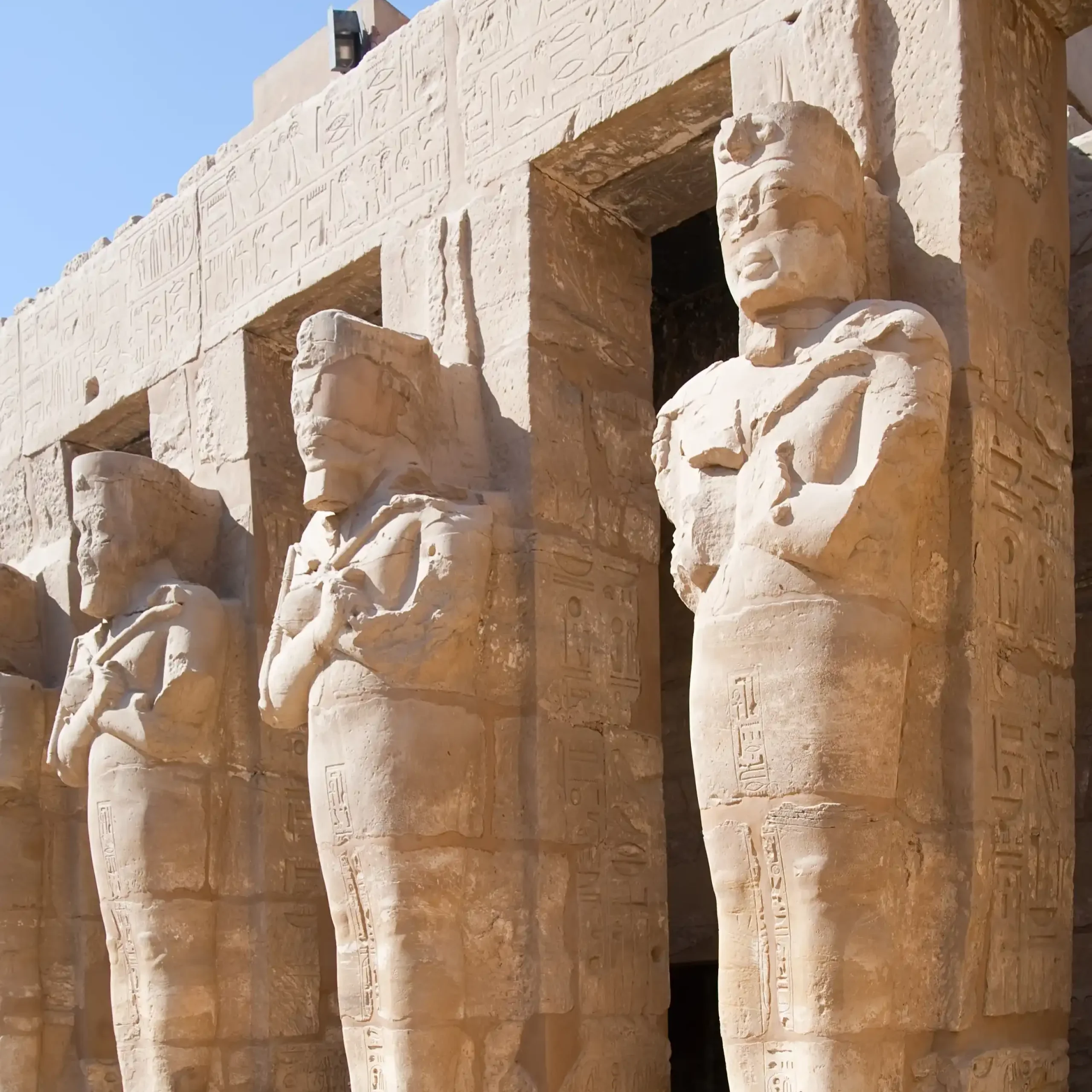

Luxor Temple: Where Ancient Power Meets Living History
Where the Nile slices across modern Luxor, an ancient temple stands bare and unashamed. Built around 1400 BCE, its stones were laid not only for prayer but also to declare power, renewal, divine voices flowing through kings. Those stepping inside meet towering columns etched with scenes murmuring secrets of ceremonies forgotten. The past doesn’t rest here lightly – instead it crowds near, sharp and bright beneath wide daylight.
Down by the river, Luxor Temple stood apart from others in Egypt – less about daily prayers, more about power and palace moments. When the Opet Festival came around, statues of gods traveled in grand style from Karnak, winding their way through streets toward Luxor. This march wasn’t just show; it breathed new life into the idea of kings, linking them straight to the divine. As crowds watched, the old order faded behind, making room for renewal dressed in gold and chant.
Shadows grow long here as daylight fades, reaching over ancient columns. Hidden within those quiet moments are clues about Luxor Temple’s story. Once you grasp how people move around the area, getting close doesn’t seem far off. Hours change a little depending on the time of year – best to look that up first. Evening wraps the place in a quiet glow, nothing like the harsh sun or busy hours before. Some say it stands out – even if their reason for coming was pyramids or bazaars instead. When night settles, the stone details wake up, glowing soft, no shine to block the view. It sticks around in your mind more than you’d think. Not many places in southern Egypt grab hold quite like this one.
Most visitors see it as part of guided Luxor tours that cover the East Bank efficiently.
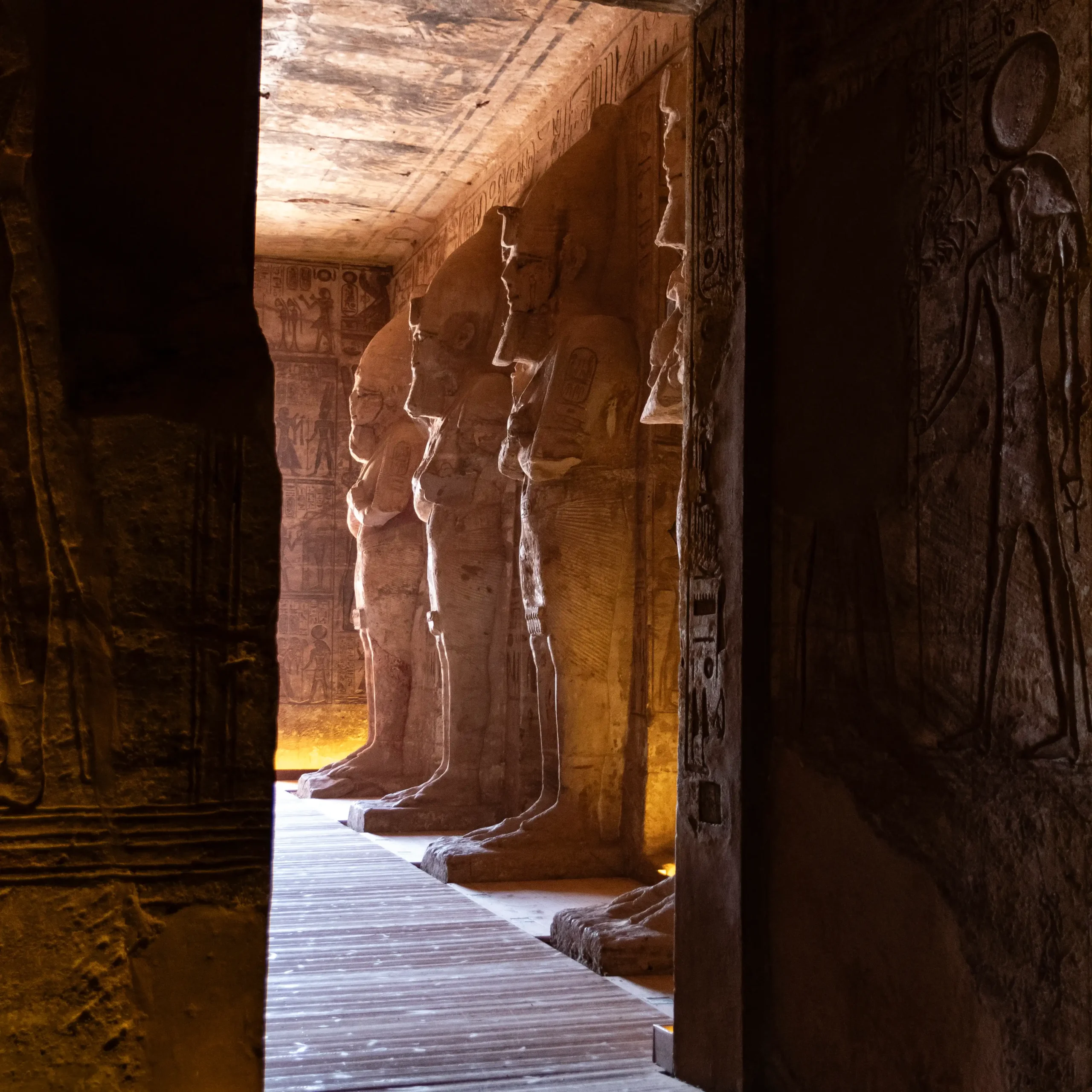
Luxor Temple
Quick Facts About Luxor Temple
- Location: East Bank of the Nile, Luxor, Egypt
- Built: New Kingdom, around 1400 BCE
- Main Builders: Amenhotep III & Ramses II
- Dedicated To: The Theban Triad (Amun-Ra, Mut, Khonsu)
- Time Needed: 1–2 hours
- Tickets: Entry ticket required (night visits available)
- Best Time to Visit: Late afternoon or evening
- How to Get There: Taxi, walking from central Luxor, or guided tour
- Key Highlights: Colonnade, Ramses II statues, Avenue of Sphinxes
Luxor Temple egypt History & Its Deep Religious Meaning
Ancient Egyptians saw royal authority as a gift from the gods, something reborn through ritual. Luxor Temple rose under Amenhotep III, its stones laid long before dawn prayers echoed nearby. Later, Ramses II stretched its walls farther into the sky with towering columns and open courts. This was not built for ordinary offerings or routine ceremonies at sunrise. Here, amid carved glyphs and sunlit courtyards, each king touched divinity again – proven worthy in silence and flame. Gods watched. People believed. Power passed anew.
What stands out about Luxor Temple egypt ? Its place at the heart of the Opet Festival, a key spiritual moment in ancient Egyptian life. Each year, images of Amun-Ra, Mut, and Khonsu traveled – carried on shoulders – from Karnak to Luxor, moving by river then down the path lined with sphinxes. Sound rang through stone courtyards; hymns mixed with prayers, while gifts piled high before sacred spaces. Inside those walls, gods met kings – not in myth but ritual – and power passed again beneath desert skies.
Still standing strong through time, Luxor Temple changed shape instead of disappearing. Romans reshaped sections long after its first builders were gone, while later on, followers of Islam raised the Abu Haggag Mosque inside its walls – an act of reuse that lives on now in daily prayer. Layer upon layer, one age building on another, it stands apart – few places have served people so steadily across more than thirty centuries.
Architectural Highlights of Luxor Temple
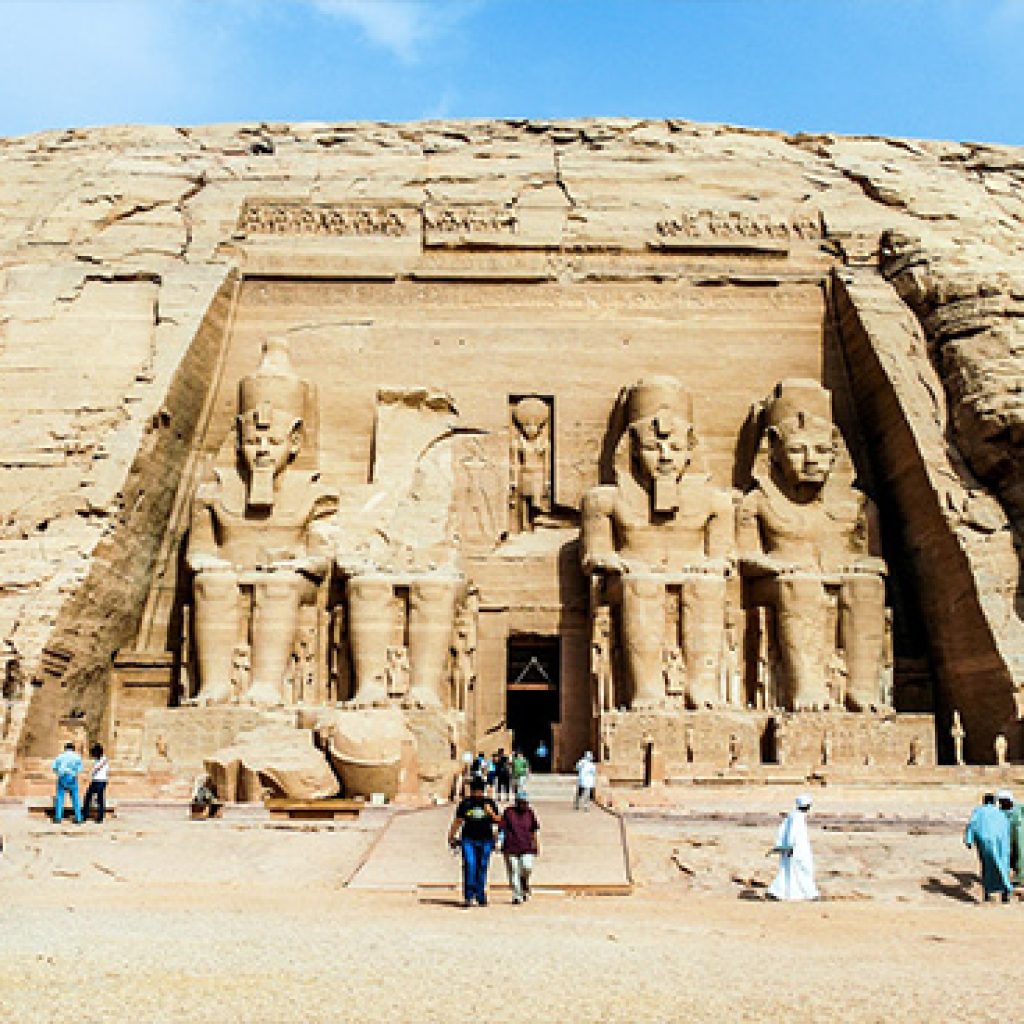
Standing at the front, the huge gateway rises like a stone giant, shaped under Ramses Second’s name. Colossal statues sit still on thrones, their faces calm, carved deep with stories of battles won and gods praised. Power shows not in words but in scale, in height, in shadow cast across sandstone. Balance appears where columns meet open air, neither crowded nor bare. Religious meaning hides inside carvings only priests once read aloud. Grandness does not shout – it waits, silent, beneath carved crowns and sun-worn stone.
Down past the gate, people move beneath a stunning row of massive pillars shaped like papyrus plants, built long ago during Amenhotep III’s time. Standing tall, every pillar carries deep carvings – glyphs showing gifts for deities, holy ceremonies, moments where kings showed their faith. This path pulls you forward, step by step, into the inner pulse of Luxor Temple Egypt.
A stone pillar once stood paired with another, both rising near the temple. When one traveled to France, it found a new home on a square in Paris. Its sibling remains upright beside the ancient walls of Luxor, reaching toward the sky. This pair tells a story that stretches beyond borders, linking past and present through form and place.
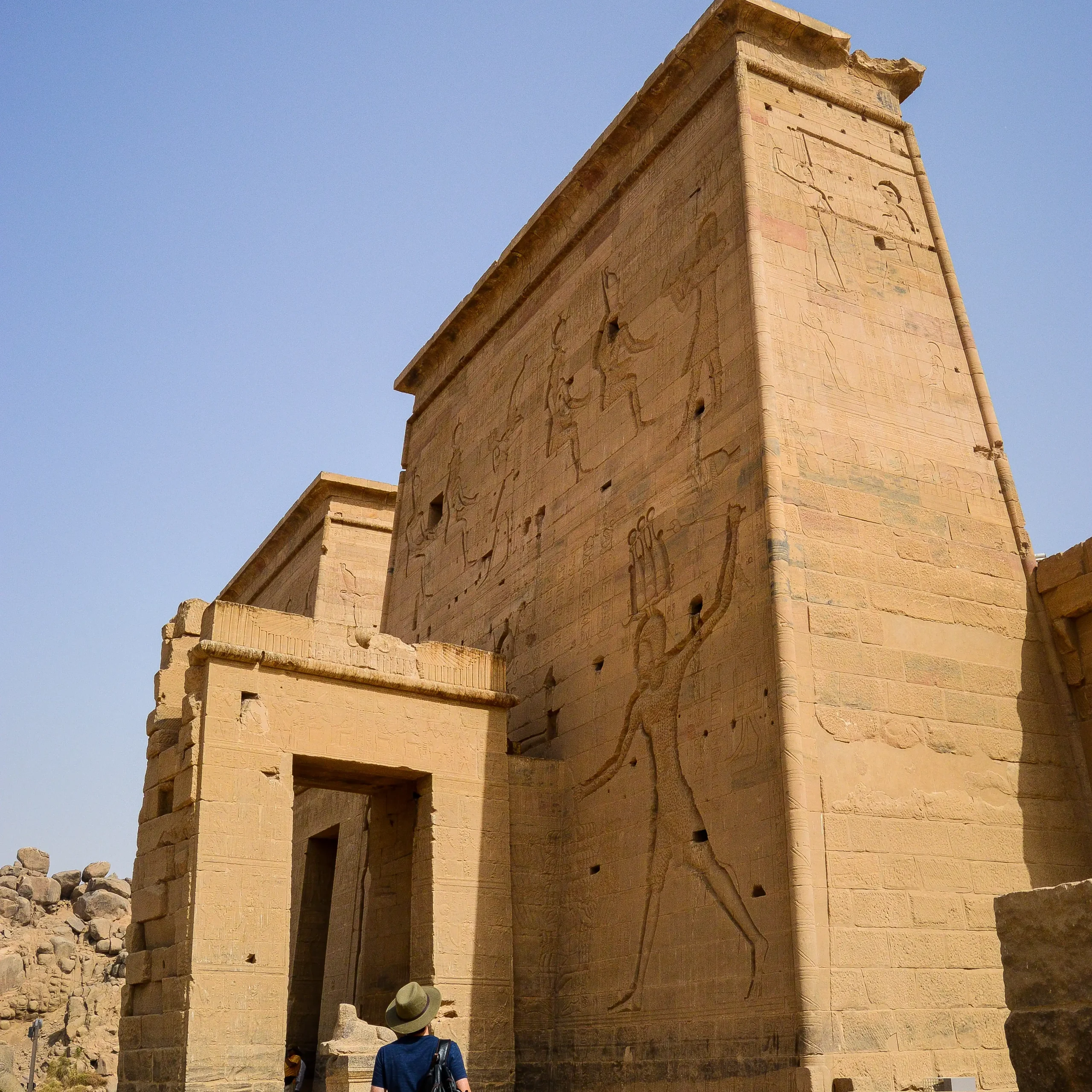
The Avenue of Sphinxes: A Ceremonial Link Between Gods
What stands out about Luxor Temple is how it links spiritually to Karnak through a grand pathway known as the Avenue of Sphinxes. Running close to three kilometers, this route used to hold rows upon rows of sphinx figures. Festivals such as Opet saw priests and followers walk it together. Statues watched silently from both sides, marking each step of the journey.
Now uncovered after years beneath the earth, the Avenue of Sphinxes lets today’s travelers follow where priests, rulers, and faithful once moved. Through this walk, Luxor Temple reveals more than stone – it shows how belief shaped a city long ago. Linking two great sanctuaries, the route stands as quiet proof: power, faith, and design were never separate in ancient Thebes.
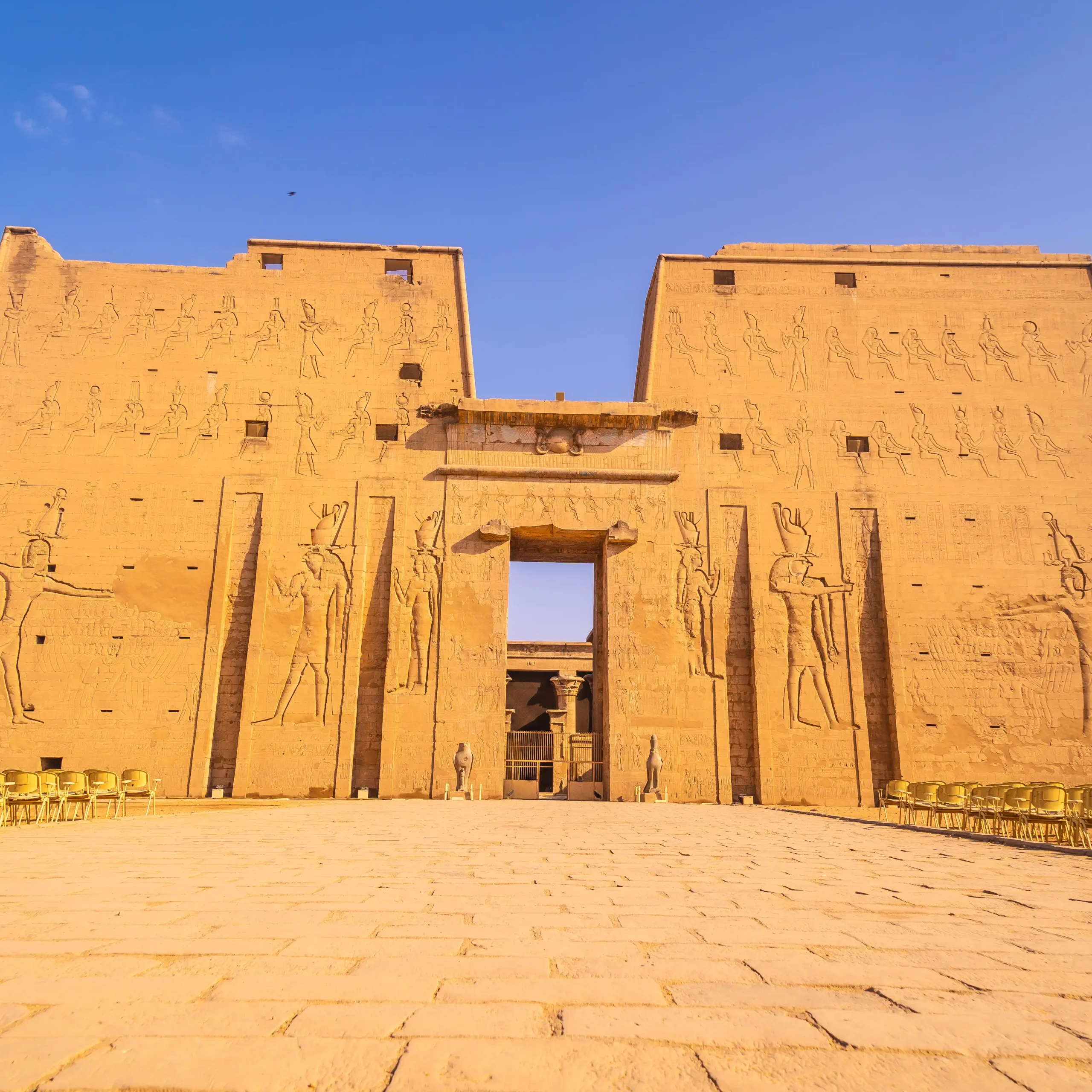
Luxor Night Activities: Experiencing Luxor Temple After Dark
When evening comes, Luxor Temple changes completely under warm golden lights. The moment shadows grow, huge columns begin to glow, stepping forward out of blackness. Statues reappear slowly, shaped by beams that trace every carved line. Reliefs gain depth only visible once sun has gone. Night reveals what day hides – form, texture, presence – all sharpened in quiet light.
When night falls, visiting Luxor Temple feels quieter, almost like stepping into another world. Instead of midday heat, there is a gentle coolness that makes moving around easier on the feet. Fewer people wander the stone paths, so time slows down without rush. Light spills across old walls in uneven patches, making carved figures seem to shift when you glance away. Stories etched in stone suddenly feel closer, as if they were just waiting for darkness to speak.
Dark visits to Luxor Temple stick with people, no matter if they love cameras, old stories, or just arrived. Walking the pillared path at night changes how you feel about those massive figures lit by soft light. The moment pulls you into Egypt’s distant years without saying a word. Few experiences there match it.
How to Visit Luxor Temple
- Getting There
Luxor Temple is centrally located in Luxor city and easily reached by taxi, horse carriage, or on foot from many hotels along the Nile. - Tickets
Entry tickets are required and can be purchased on-site. Prices are affordable and often included in guided tours. - Luxor Temple Opening Hours
Daily: Morning until evening
Night Visits: Available and highly recommended - Best Time to Visit
Late afternoon or evening offers pleasant weather and beautiful lighting. - Time Needed
Plan to spend 1–2 hours exploring the complex
Nearby & Related Attractions Around Luxor Temple
A morning at Luxor Temple works well when mixed with time spent across the broader East Bank sights. Nearby, only steps or a brief ride off, rises Karnak – biggest temple compound from pharaonic times. Once, these two sites pulsed as Thebes’ spiritual core, joined by a stone path lined with sphinx figures, traveled when crowds moved for ceremonies like the Opet event.
Some people pair a visit to Luxor Temple with a slow trip up the Nile River instead. Traveling by boat makes it smooth to reach major spots like the Valley of the Kings, the Temple of Hatshepsut, or the Colossi of Memnon across the river. Seeing the temple as part of a larger route adds layers to what you understand about ancient times. That wider view helps make sense of how vital Luxor was – spiritually, politically, culturally – for old Egypt.
For a quieter luxury route, a Dahabiya Nile cruise can include Luxor stops with guided excursions.
FAQs About Luxor Temple
What is Luxor Temple famous for?
Luxor Temple is famous for its role in the Opet Festival, its impressive colonnades, and its connection to divine kingship. It differs from other temples because it focuses on royal renewal rather than daily worship alone.
How to visit Luxor Temple?
You can visit Luxor Temple by taxi, walking from central Luxor, or through a guided tour. Tickets are available on-site, and the temple is easy to access year-round.
What are Luxor Temple opening hours?
Luxor Temple opening hours typically extend from morning until evening. Night visits are popular and offer a unique atmosphere with beautiful lighting.
Is Luxor Temple worth visiting at night?
Absolutely. Luxor night activities often highlight visiting the temple after dark, when cooler temperatures and dramatic lighting enhance the experience.
How much time do you need at Luxor Temple?
Most visitors spend around 1–2 hours exploring Luxor Temple comfortably, including photography and walking through the main halls.




0 Comment