

Why Medinet Habu Is One of Luxor’s Best-Kept Secrets
Explore medinet habu temple in Luxor. Discover Ramesses III’s mortuary temple, detailed reliefs, and tips for visiting Egypt’s West Bank.
Why Medinet Habu Is One of Luxor’s Best-Kept Secrets
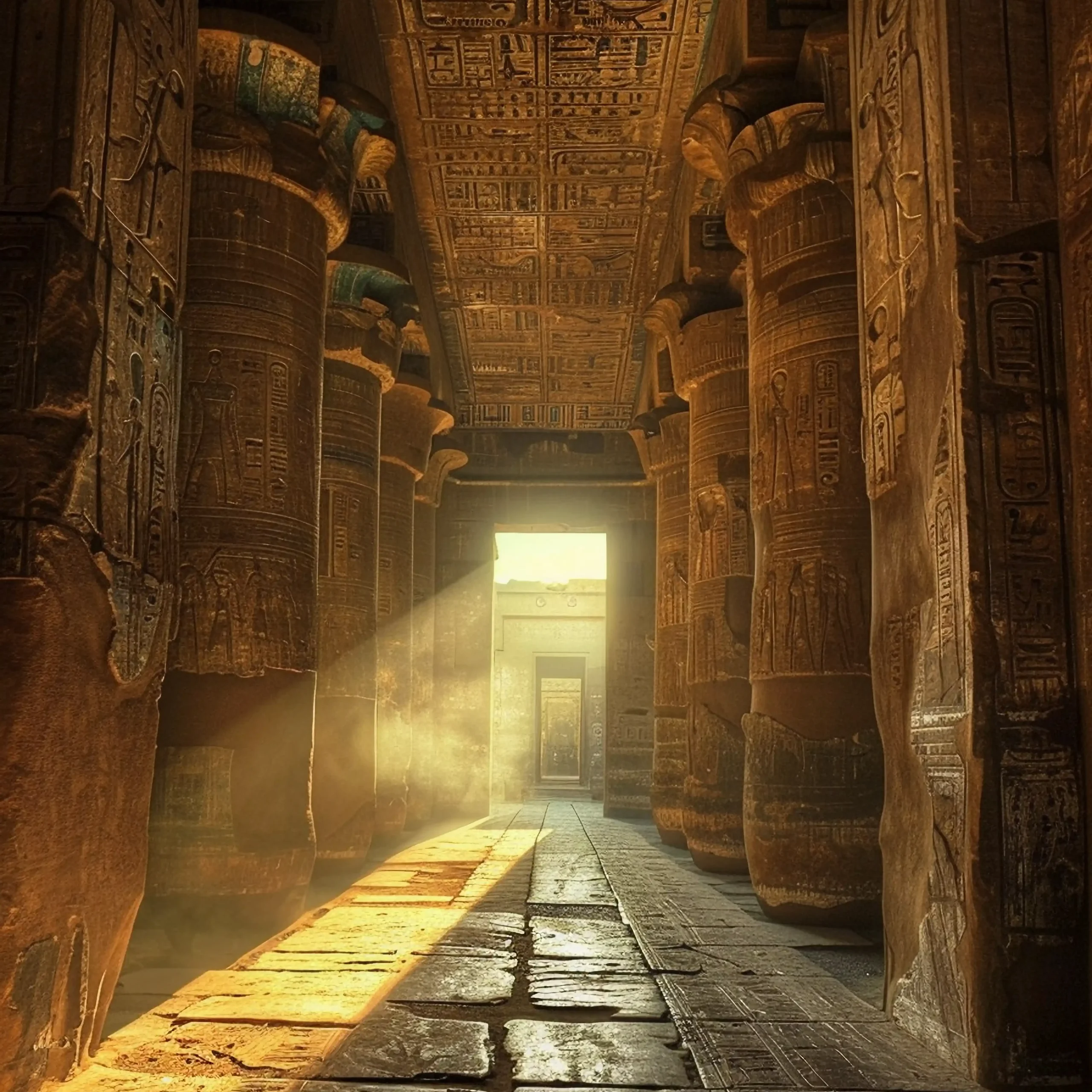
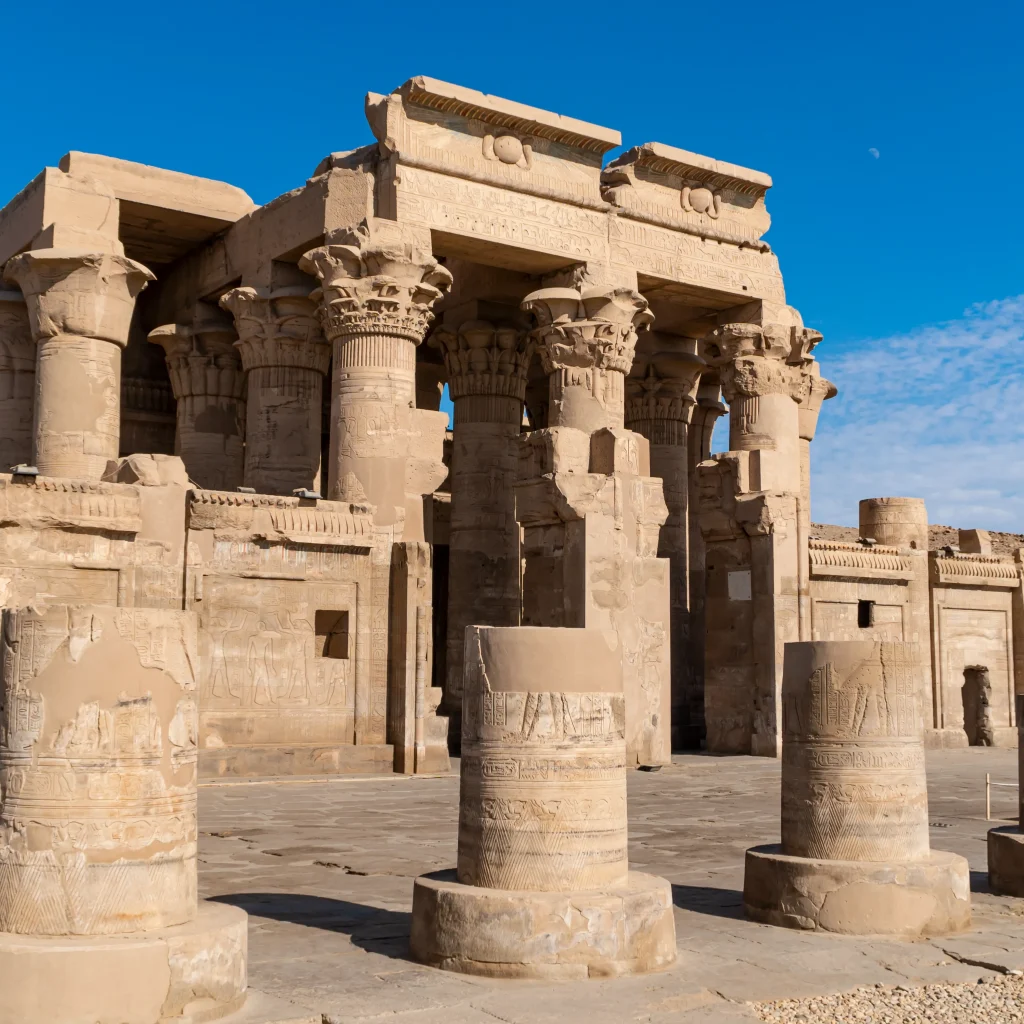
Nestled on the West Bank of the Nile in Luxor,It’s also a highlight on many guided Luxor West Bank tours. the medinet habu temple complex is one of ancient Egypt’s most impressive yet underrated monuments. Far less crowded than other major sites, it offers visitors a rare opportunity to explore monumental architecture and vividly preserved reliefs in a calm, immersive setting.
Dominated by the mortuary temple of Ramesses III, this vast complex provides deep insight into the political power, military strength, and religious life of the New Kingdom. As one of the most important luxor west bank temples, Medinet Habu rewards travelers who venture beyond the usual highlights with a richer and more intimate encounter with Egypt’s past.
Quick Facts
- Location: Luxor West Bank, Egypt
- Built: 12th century BCE (New Kingdom)
- Time needed: 1.5–2.5 hours
- Tickets/Entry: Ticket required
- How to get there: Taxi or guided tour from Luxor
- What to expect: Temples, reliefs, courtyards, statues
- Top highlights: Battle reliefs, migdol gate, statues of Ramesses III
- Tips: Visit early; bring water
What Makes Medinet Habu Exceptional
- One of the best-preserved temples in Egypt
- Dedicated to Pharaoh Ramesses III
- Fortress-like walls unlike other temples
- Extraordinary military reliefs
- Key site among luxor west bank temples
A Testament to Pharaoh Ramesses III
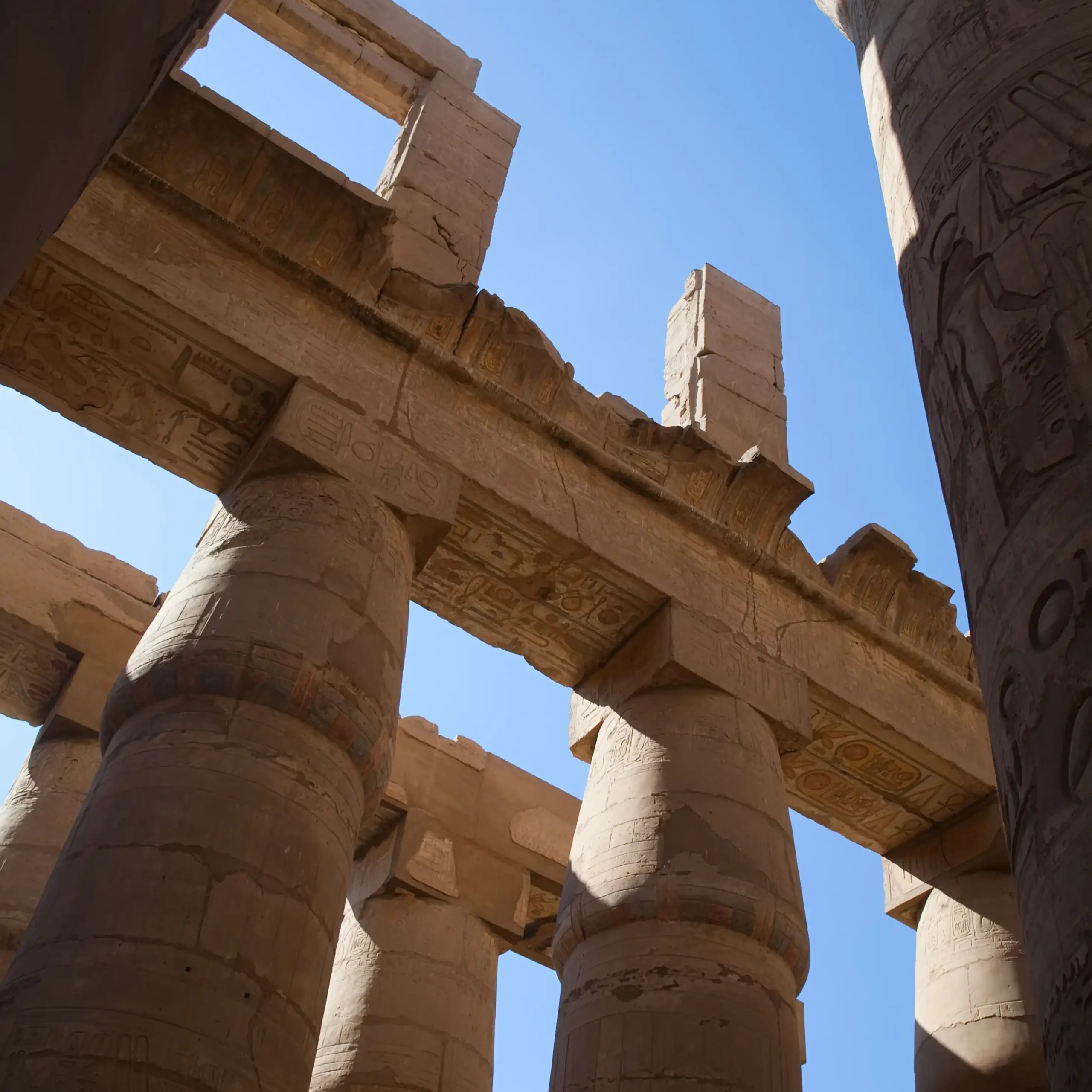
Constructed in the 12th century BCE, the ramesses iii temple stands as a powerful statement of royal authority and divine kingship. Its layout closely resembles the nearby Ramesseum, yet it is distinguished by massive mudbrick enclosure walls that suggest both ceremonial and defensive functions.
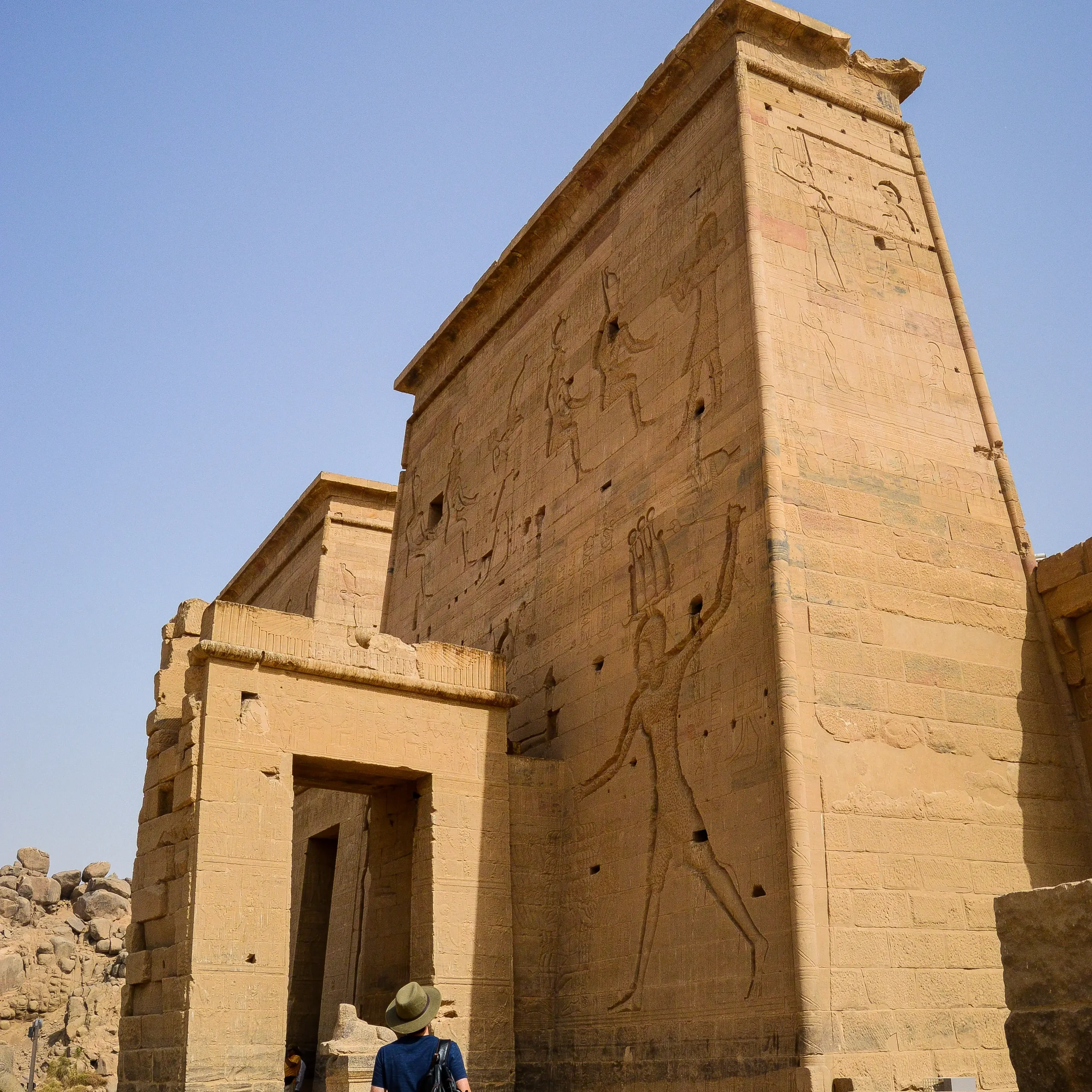
Visitors enter through a dramatic fortified gateway known as the migdol, inspired by Syrian military architecture. Inside, a sequence of spacious courtyards and halls unfolds, featuring colossal statues of Ramesses III depicted as Osiris. Wall reliefs vividly record the pharaoh’s victories—most famously his battles against the Sea Peoples—making the site one of the most important visual records of ancient Egyptian warfare.
A Living Chronicle of History
Beyond its New Kingdom origins, medinet habu luxor reflects centuries of continuous use. Originally dedicated to the god Amun, the complex later evolved into a Coptic Christian settlement. Parts of the temple were converted into churches, leaving behind a fascinating blend of religious layers visible in inscriptions and architectural modifications.
This historical continuity makes Medinet Habu not just a temple, but a living chronicle of Egypt’s evolving civilizations—from pharaonic times through the Christian era.
How to Visit Medinet Habu
- Getting There
The site is easily reached by taxi or as part of a guided Luxor West Bank tour. - Tickets
A separate entrance ticket is required and can be purchased at the site. - Time Needed
Allocate at least 1.5–2.5 hours to explore comfortably. - Best Time to Visit
Early morning offers cooler temperatures and fewer crowds—ideal for photography.
If you’re researching how to visit medinet habu, combining it with nearby West Bank temples makes for an efficient and rewarding itinerary.
Tips to Know Before You Go
- Visit early to avoid heat
- Wear comfortable walking shoes
- Bring water and sun protection
- Hire a guide for historical context
- Photography is allowed
- Expect large open spaces
- Combine with nearby West Bank sites
For a full Luxor day, pair the West Bank with the Karnak Temple Complex on the East Bank
- Take time to read the wall reliefs
What to See Near Medinet Habu
Medinet Habu pairs perfectly with other West Bank highlights such as the Valley of the Kings, the Ramesseum, and the Colossi of Memnon. Exploring these sites together provides a deeper understanding of New Kingdom royal power and sacred landscapes across Luxor’s West Bank., Many itineraries also add Hatshepsut Temple at Deir el-Bahari.
FAQs
Q: Who built Medinet Habu?
A: It was built by Pharaoh Ramesses III during the New Kingdom.
Q: What is Medinet Habu famous for?
A: Its exceptional preservation and detailed military reliefs.
Q: How long should I spend there?
A: Most visitors spend 1.5–2.5 hours.
Q: Is Medinet Habu crowded?
A: It is usually much quieter than other major Luxor sites.
Q: Is it suitable for first-time visitors?
A: Yes, especially for those interested in history and architecture.

0 Comment