
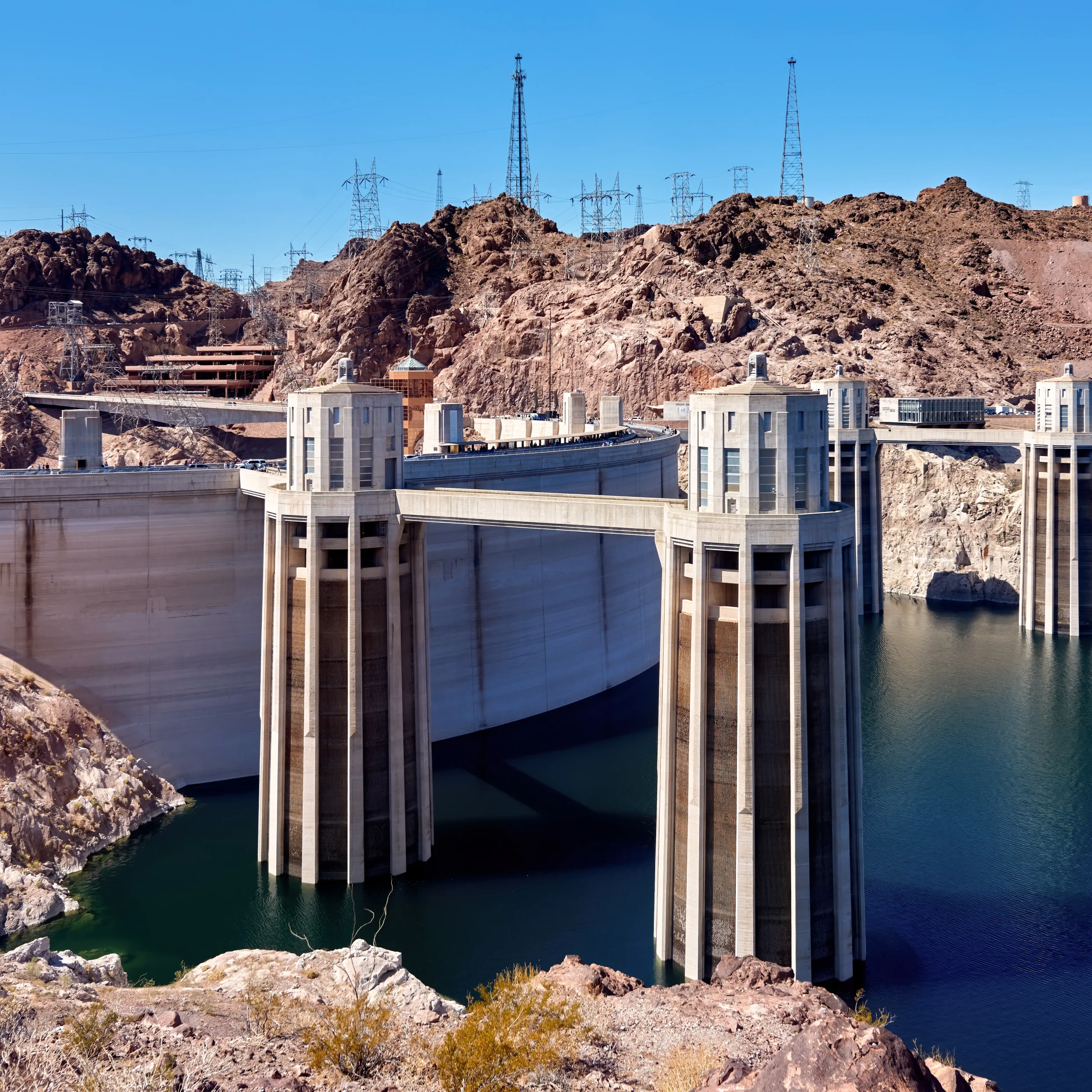

Aswan High Dam History
The Aswan High Dam is one of the most important engineering achievements of modern Egypt and a defining landmark among major Aswan attractions. Built on the Nile River in southern Egypt and completed in 1970, the dam reshaped the country’s relationship with its most vital natural resource.
Often referred to simply as the Aswan Dam, this massive structure was designed to control flooding, generate electricity, and secure water for agriculture year-round. While its economic and developmental benefits are undeniable, the dam also brought environmental and social challenges that continue to be debated today.
In this guide, you’ll find essential Aswan High Dam facts, understand its historical and economic significance, learn how to visit Aswan High Dam, and discover how it fits into a broader itinerary of things to do in Aswan.
It also fits easily into many Aswan tours and day itineraries alongside Philae Temple and other top landmarks.
Quick Facts
- Location: Nile River, Aswan, southern Egypt
- Best time to visit: Morning hours, October–April
- Time needed: 30–45 minutes
- Tickets/Entry: Small local entry fee
- How to get there: Taxi or guided tour from Aswan city
- What to expect: Panoramic views, Lake Nasser, monuments
- Top highlights: Lake Nasser, dam crest, Nile viewpoints
- Tips: Bring ID, sunglasses, camera
The Role of the Aswan High Dam in Modern Egypt
Key Points:
- One of the world’s largest embankment dams
- A landmark of modern Egyptian engineering
- Regulates Nile flooding and irrigation
- Produces hydroelectric power
- Central to Egypt’s economic development
The Story Behind the Aswan High Dam
The Aswan High Dam was conceived in response to the Nile River’s unpredictable flooding and drought cycles, which historically caused major agricultural and economic disruptions. Construction began in the 1960s and required extensive international cooperation, advanced engineering methods, and enormous material resources.
Completed in 1970, the dam spans approximately 3.6 kilometers in length and rises 111 meters high. Behind it lies Lake Nasser, one of the largest artificial lakes in the world, stretching far into neighboring Sudan. The project marked a turning point in Egypt’s modernization efforts and symbolized national ambition and self-reliance.
Today, the Aswan high dam stands as both an engineering triumph and a reminder of the complex consequences large-scale infrastructure can have on people, culture, and the environment.
How to Visit (Logistics)
Understanding how to visit Aswan High Dam is simple and fits easily into most Aswan itineraries.
Getting There
The Aswan high dam is located a short drive south of Aswan city. Visitors typically reach it by taxi, private car, or guided tour. Many tours combine the dam with Philae Temple, making it easy to experience both modern engineering and ancient history in one outing.
- Opening Hours
The Aswan Dam is generally open daily during daylight hours. Exact times may vary, so it’s best to visit in the morning.
- Tickets
Visitors usually pay a small entry fee. Identification may be requested at the checkpoint.
- Time Needed
A visit typically lasts 30 to 45 minutes, including time for photos and views of Lake Nasser.
- Best Time to Visit
The cooler months from October to April are ideal. Morning visits offer better lighting and more comfortable temperatures.
The Aswan High Dam is also a common stop before or after embarkation on many Nile cruises in Egypt.
The Visitor Experience at the Aswan High Dam
Visiting the Aswan Dam offers sweeping views of both the Nile River and Lake Nasser. Standing on the dam’s crest, visitors gain a real sense of the immense scale of the structure and the engineering precision behind it.
Key sights include:
- The vast expanse of Lake Nasser stretching into the horizon
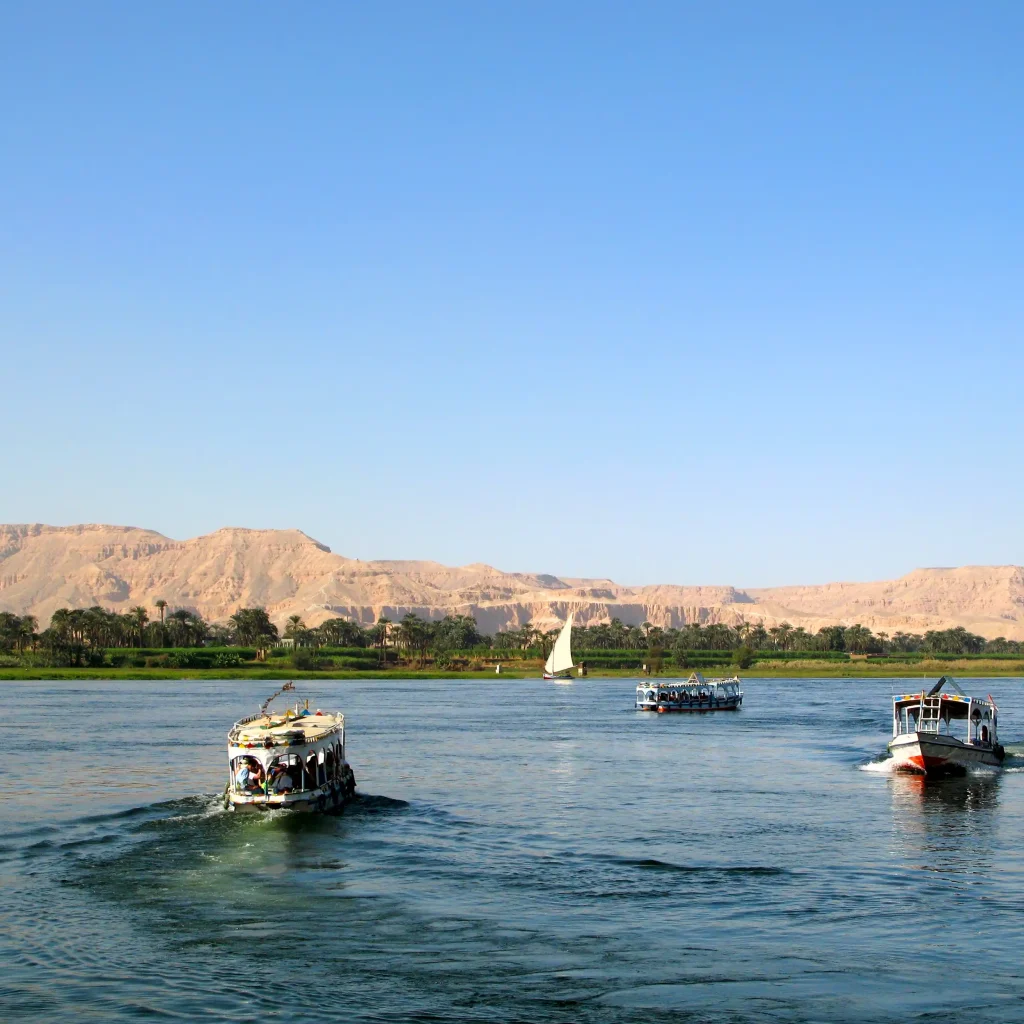
- Views of the Nile flowing north toward Egypt’s farmlands
- Monuments and markers commemorating the dam’s construction
- Photo opportunities highlighting the contrast between desert, water, and modern infrastructure
- While the experience is brief, it provides valuable context for understanding Egypt’s modern history and water management systems.
Tips (Practical Checklist)
- Visit in the morning for cooler weather
- Bring sunglasses and sun protection
- Carry your passport or ID
- Combine with nearby Aswan attractions
- Use a guide for historical context
- Allow time for photos and views
- Wear comfortable shoes
- Avoid peak midday heat
- Bring water, especially in summer
What to Visit Near the Aswan High Dam
The Aswan High Dam is close to several popular things to do in Aswan. Many visitors combine it with Philae Temple, the Unfinished Obelisk, or a boat ride on the Nile. These nearby Aswan attractions offer a balanced experience of ancient history, modern engineering, and natural beauty, making Aswan one of Egypt’s most diverse travel destinations.
If you’re planning to continue your trip by river, read our guide to the Nile cruise from Aswan to Luxor to understand the route, stops, and travel tips.
FAQs
A: The dam controls Nile flooding, provides irrigation water, and generates hydroelectric power that supports Egypt’s economy.
A: Yes. While brief, the visit offers insight into modern Egypt’s development and impressive panoramic views.
A: Most visitors spend about 30–45 minutes at the site.
A: Yes, but a guide can help explain the historical, economic, and environmental significance.
A: Yes, it’s easily accessible and suitable for most travelers.
Many travelers visit the Aswan High Dam as part of broader Egypt tour packages that combine Cairo, Aswan, Luxor, and a Nile cruise.







0 Comment