
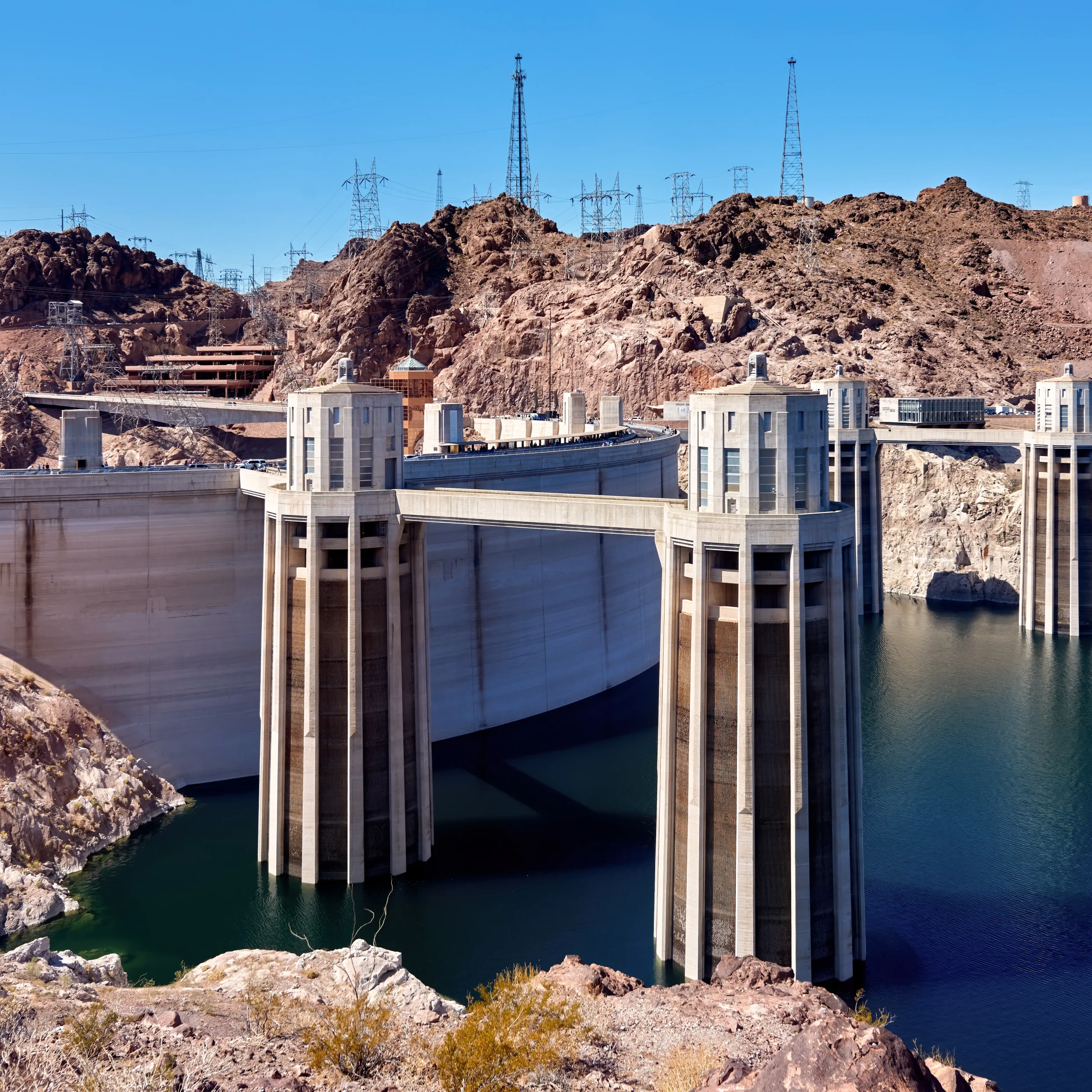

Aswan High Dam History
The Aswan High Dam is one of the most important engineering achievements of modern Egypt and a defining landmark among major Aswan attractions. Built on the Nile River in southern Egypt and completed in 1970, the dam reshaped the country’s relationship with its most vital natural resource.
Often referred to simply as the Aswan Dam, this massive structure was designed to control flooding, generate electricity, and secure water for agriculture year-round. While its economic and developmental benefits are undeniable, the dam also brought environmental and social challenges that continue to be debated today.
In this guide, you’ll find essential Aswan High Dam facts, understand its historical and economic significance, learn how to visit Aswan High Dam, and discover how it fits into a broader itinerary of things to do in Aswan.
It also fits easily into many Aswan tours and day itineraries alongside Philae Temple and other top landmarks.
Quick Facts
- Location: Nile River, Aswan, southern Egypt
- Best time to visit: Morning hours, October–April
- Time needed: 30–45 minutes
- Tickets/Entry: Small local entry fee
- How to get there: Taxi or guided tour from Aswan city
- What to expect: Panoramic views, Lake Nasser, monuments
- Top highlights: Lake Nasser, dam crest, Nile viewpoints
- Tips: Bring ID, sunglasses, camera
Engineering Facts and Scale
The Aswan High Dam is one of the most important engineering projects in modern Egypt. Built across the Nile south of Aswan, the dam is approximately 3,830 metres long, 111 metres high, and nearly 980 metres wide at its base. Its huge earth-and-rock structure contains more than 43 million cubic metres of material, making it many times larger in volume than the Great Pyramid of Khufu.
Construction began in 1960 and the main project was completed in 1970, with the dam officially opened in the early 1970s. The project became a symbol of Egypt’s post-1952 development ambitions, but also a major Cold War story. After the United States, United Kingdom, and the International Bank for Reconstruction and Development withdrew support in 1956, the Soviet Union became the major foreign backer of the project.
The dam’s hydroelectric power station includes 12 turbines, each with a capacity of about 175 megawatts, for a total installed capacity of around 2.1 gigawatts. When fully operational in the early 1970s, it supplied a major share of Egypt’s electricity, helped regulate Nile flooding, improved irrigation control, and supported year-round navigation.
For visitors, the dam is not only a viewpoint over Lake Nasser. It is the structure that reshaped the Nile, modern Egyptian agriculture, electricity production, Nubian history, and the location of some of Egypt’s most famous rescued temples.
Lake Nasser: One of the World’s Largest Man-Made Lakes
The Aswan High Dam created Lake Nasser, one of the largest artificial lakes in the world. The reservoir stretches for hundreds of kilometres south of Aswan, reaching into Sudan, where the southern section is known as Lake Nubia. Published measurements vary slightly by source, but Lake Nasser is commonly listed at around 500 km long, up to 35 km wide, with a surface area of about 5,250 km² and storage capacity of around 132 km³ of water.
The lake was named after President Gamal Abdel Nasser, who made the High Dam central to Egypt’s national development project. It transformed the landscape south of Aswan, creating a vast reservoir where Nubian villages, archaeological sites, and desert valleys once stood.
Lake Nasser also became an important inland fishery. However, fish production has fluctuated over time, so it is better to avoid presenting one production figure as permanently current. A historically accurate phrasing is: Lake Nasser developed into a major fishery, with production reported at about 35,000 tonnes in the mid-1990s, though later studies report lower averages.
The Nubian Relocation and UNESCO’s Temple Rescue
The Aswan High Dam brought major benefits to Egypt, but it also came with a profound human and cultural cost. As Lake Nasser filled, many Nubian communities lost their ancestral villages along the Nile. Egyptian Nubians were relocated north of Aswan into planned resettlement areas often referred to as New Nubia, while Sudanese Nubian communities were also affected by the rising waters. Estimates vary by source, but the displacement affected tens of thousands of people and permanently changed Nubian life, memory, language, and connection to place.
At the same time, the rising lake threatened some of the most important ancient monuments in southern Egypt and northern Sudan. In response, UNESCO launched the International Campaign to Save the Monuments of Nubia, a major rescue operation that ran from 1960 to 1980. The campaign is often described as one of the greatest archaeological rescue projects ever attempted.
The most famous rescue was Abu Simbel, where the temples of Ramesses II were cut into massive blocks, moved to higher ground, and reassembled. Philae Temple was also dismantled and moved to nearby Agilkia Island, which is why visitors see it there today rather than in its original flooded location. Other rescued or protected monuments connected to the Nubian campaign include Kalabsha, Amada, Wadi el-Sebua, and several sites now grouped under the UNESCO World Heritage listing “Nubian Monuments from Abu Simbel to Philae.”
This history makes the Aswan High Dam more than an engineering stop. It is a place where modern development, national ambition, Nubian displacement, and global heritage preservation all meet.
The Role of the Aswan High Dam in Modern Egypt
Key Points:
- One of the world’s largest embankment dams
- A landmark of modern Egyptian engineering
- Regulates Nile flooding and irrigation
- Produces hydroelectric power
- Central to Egypt’s economic development
The Story Behind the Aswan High Dam
The Aswan High Dam was conceived in response to the Nile River’s unpredictable flooding and drought cycles, which historically caused major agricultural and economic disruptions. Construction began in the 1960s and required extensive international cooperation, advanced engineering methods, and enormous material resources.
Completed in 1970, the dam spans approximately 3.6 kilometers in length and rises 111 meters high. Behind it lies Lake Nasser, one of the largest artificial lakes in the world, stretching far into neighboring Sudan. The project marked a turning point in Egypt’s modernization efforts and symbolized national ambition and self-reliance.
Today, the Aswan high dam stands as both an engineering triumph and a reminder of the complex consequences large-scale infrastructure can have on people, culture, and the environment.
How to Visit (Logistics)
Understanding how to visit Aswan High Dam is simple and fits easily into most Aswan itineraries.
Getting There
The Aswan high dam is located a short drive south of Aswan city. Visitors typically reach it by taxi, private car, or guided tour. Many tours combine the dam with Philae Temple, making it easy to experience both modern engineering and ancient history in one outing.
- Opening Hours
The Aswan Dam is generally open daily during daylight hours. Exact times may vary, so it’s best to visit in the morning.
- Tickets
Visitors usually pay a small entry fee. Identification may be requested at the checkpoint.
- Time Needed
A visit typically lasts 30 to 45 minutes, including time for photos and views of Lake Nasser.
- Best Time to Visit
The cooler months from October to April are ideal. Morning visits offer better lighting and more comfortable temperatures.
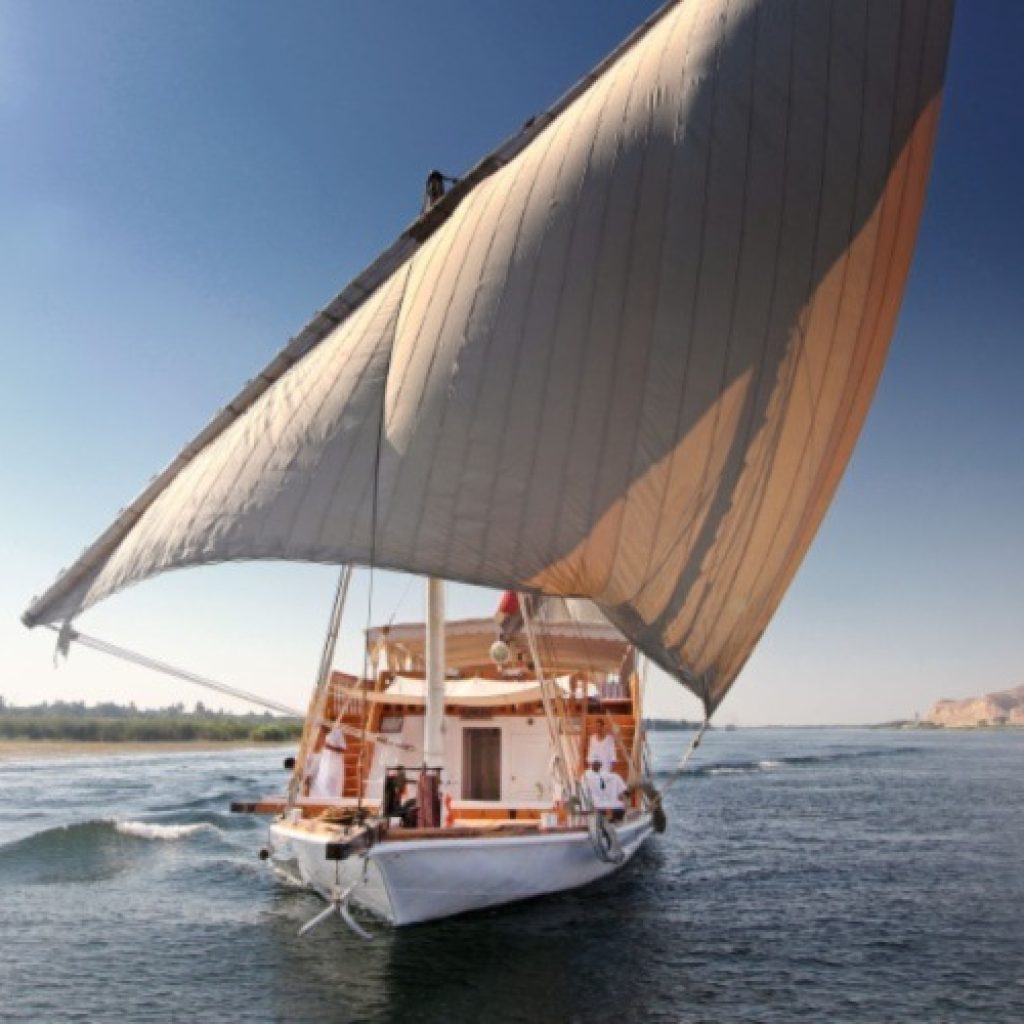
The Aswan High Dam is also a common stop before or after embarkation on many Nile cruises in Egypt.
The Visitor Experience at the Aswan High Dam
Visiting the Aswan Dam offers sweeping views of both the Nile River and Lake Nasser. Standing on the dam’s crest, visitors gain a real sense of the immense scale of the structure and the engineering precision behind it.
Many visitors also include Nubian villages near Aswan as part of their Aswan experience.
Key sights include:
- The vast expanse of Lake Nasser stretching into the horizon
- Views of the Nile flowing north toward Egypt’s farmlands
- Monuments and markers commemorating the dam’s construction
- Photo opportunities highlighting the contrast between desert, water, and modern infrastructure
- While the experience is brief, it provides valuable context for understanding Egypt’s modern history and water management systems.
Tips (Practical Checklist)
- Visit in the morning for cooler weather
- Bring sunglasses and sun protection
- Carry your passport or ID
- Combine with nearby Aswan attractions
- Use a guide for historical context
- Allow time for photos and views
- Wear comfortable shoes
- Avoid peak midday heat
- Bring water, especially in summer
What to Visit Near the Aswan High Dam
The Aswan High Dam is close to several popular things to do in Aswan. Many visitors combine it with Philae Temple, the Unfinished Obelisk, or a boat ride on the Nile. These nearby Aswan attractions offer a balanced experience of ancient history, modern engineering, and natural beauty, making Aswan one of Egypt’s most diverse travel destinations.
If you’re planning to continue your trip by river, read our guide to the Nile cruise from Aswan to Luxor to understand the route, stops, and travel tips.
For the full route, logistics, and major stops, read our Nile cruise from Aswan to Luxor.
FAQs
A: The dam controls Nile flooding, provides irrigation water, and generates hydroelectric power that supports Egypt’s economy.
A: Yes. While brief, the visit offers insight into modern Egypt’s development and impressive panoramic views.
A: Most visitors spend about 30–45 minutes at the site.
A: Yes, but a guide can help explain the historical, economic, and environmental significance.
A: Yes, it’s easily accessible and suitable for most travelers.
The Aswan High Dam has 12 hydroelectric turbines with a total installed capacity of about 2.1 gigawatts. In the early 1970s, it supplied a major share of Egypt’s electricity, though its share of national power production is lower today because Egypt’s total energy system has grown.
The Aswan High Dam is a large earth-and-rock dam built across the Nile River south of Aswan, Egypt. It was constructed to control Nile flooding, store water for irrigation, and generate hydroelectric power. It also created Lake Nasser, one of the world’s largest man-made lakes.
Personal photography is generally possible at the Aswan High Dam viewpoint, but security rules may apply. Professional cameras, video equipment, drones, tripods, or large zoom lenses may require permission, and visitors should follow checkpoint instructions on arrival.
Many Nubian communities were displaced when Lake Nasser flooded their ancestral villages. Egyptian Nubians were resettled north of Aswan in planned communities often called New Nubia, while Sudanese Nubian communities were also affected. The relocation remains one of the most important social consequences of the High Dam.
The UNESCO Nubia campaign helped save major monuments threatened by Lake Nasser, including Abu Simbel, Philae, Kalabsha, Amada, and Wadi el-Sebua. Abu Simbel was moved to higher ground, while Philae Temple was dismantled and rebuilt on Agilkia Island.
Many travelers visit the Aswan High Dam as part of broader Egypt tour packages that combine Cairo, Aswan, Luxor, and a Nile cruise.



0 Comment