
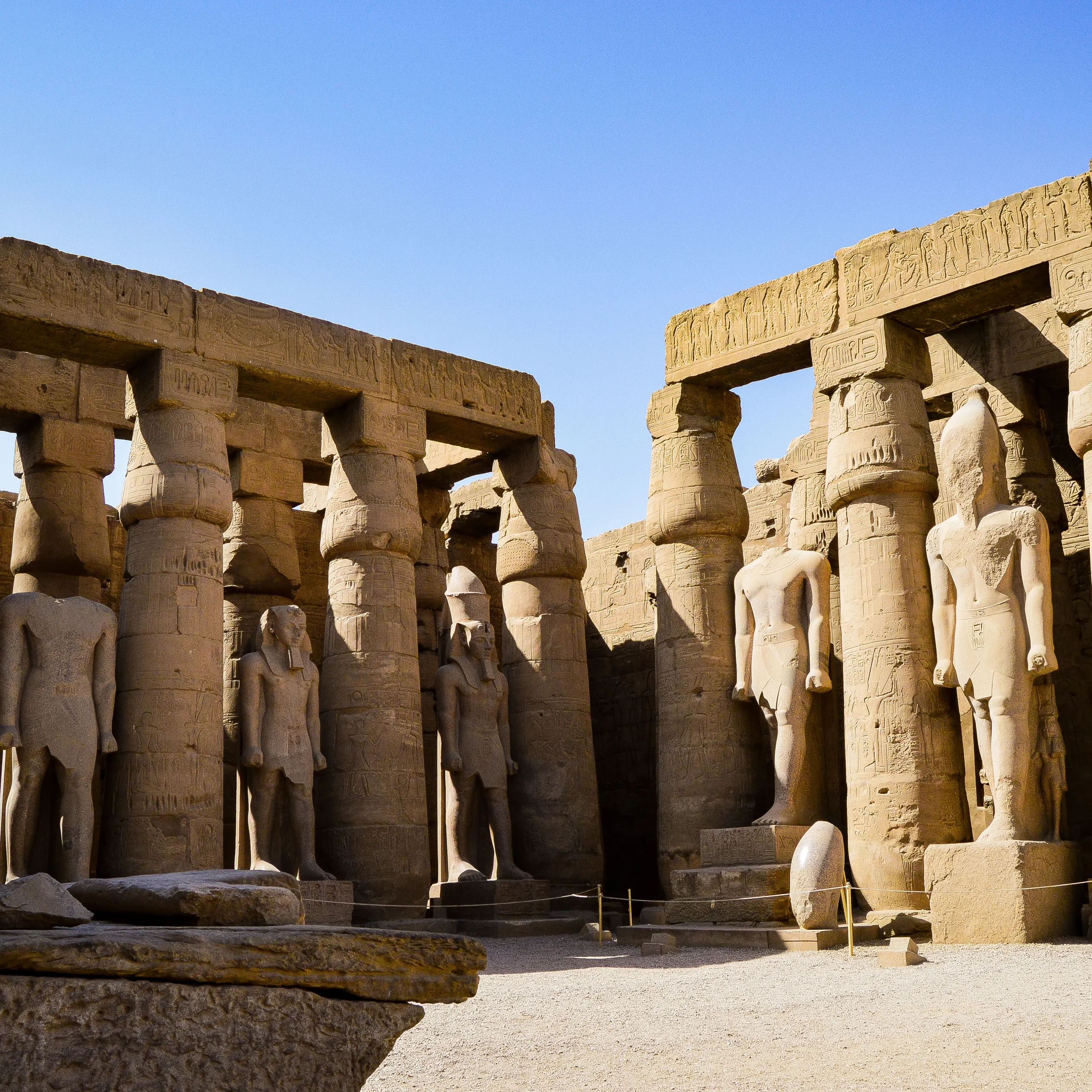

Karnak Temple History
The Karnak temple complex is one of the most extraordinary monuments of ancient Egypt and the largest religious site ever built. Located on the east bank of the Nile in Luxor, this immense sanctuary was constructed and expanded over more than 2,000 years, serving as the spiritual heart of ancient Thebes and a centerpiece among the most important luxor temples.
Dedicated primarily to the god Amun-Ra, the complex reflects the power, wealth, and devotion of successive pharaohs. With towering pylons, sacred lakes, colossal statues, and richly carved walls, the site offers an unparalleled insight into ancient Egyptian religion and statecraft. This guide explores the history of Karnak temple, its architectural marvels, what visitors can see today, and practical tips to help you plan a rewarding visit to one of the world’s greatest archaeological treasures.
Karnak is also a major highlight in many Luxor tours and guided itineraries across the East and West Banks.
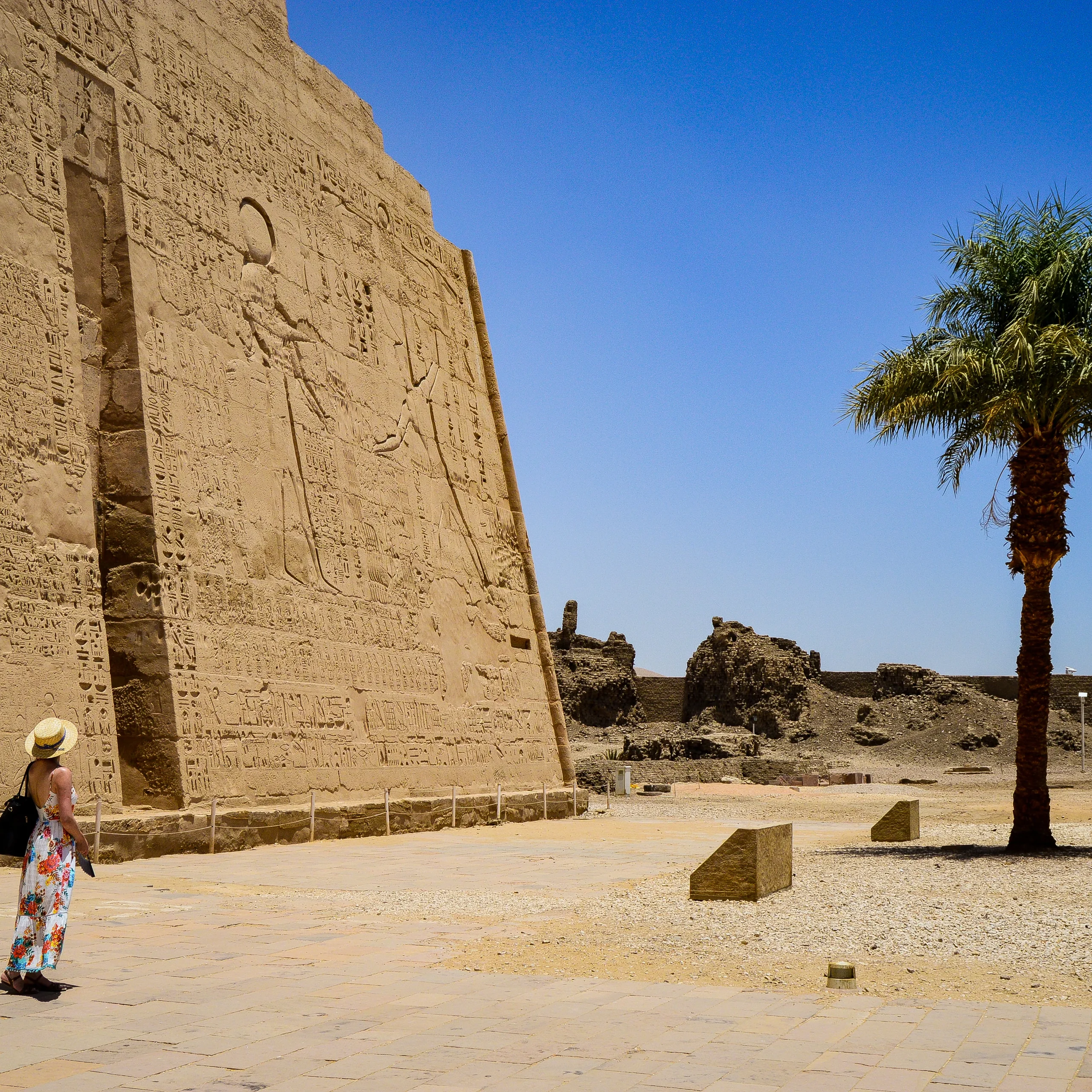
Quick Facts
- Location: Luxor, East Bank of the Nile
- Best time to visit: October–April
- Time needed: 2–3 hours
- Tickets/Entry: Ticket required (sound & light show sold separately)
- How to get there: Taxi, horse carriage, or guided tour
- What to expect: Temples, columns, statues, reliefs
- Top highlights: Hypostyle Hall, Sacred Lake, Great Pylons
- Tips: Visit early, wear comfortable shoes, bring water
What Makes Karnak Exceptional
- Largest religious complex in ancient Egypt
- Built over 2,000 years by multiple dynasties
- Dedicated mainly to Amun-Ra
- Home to the famous karnak hypostyle hall
- Central site among major luxor temples
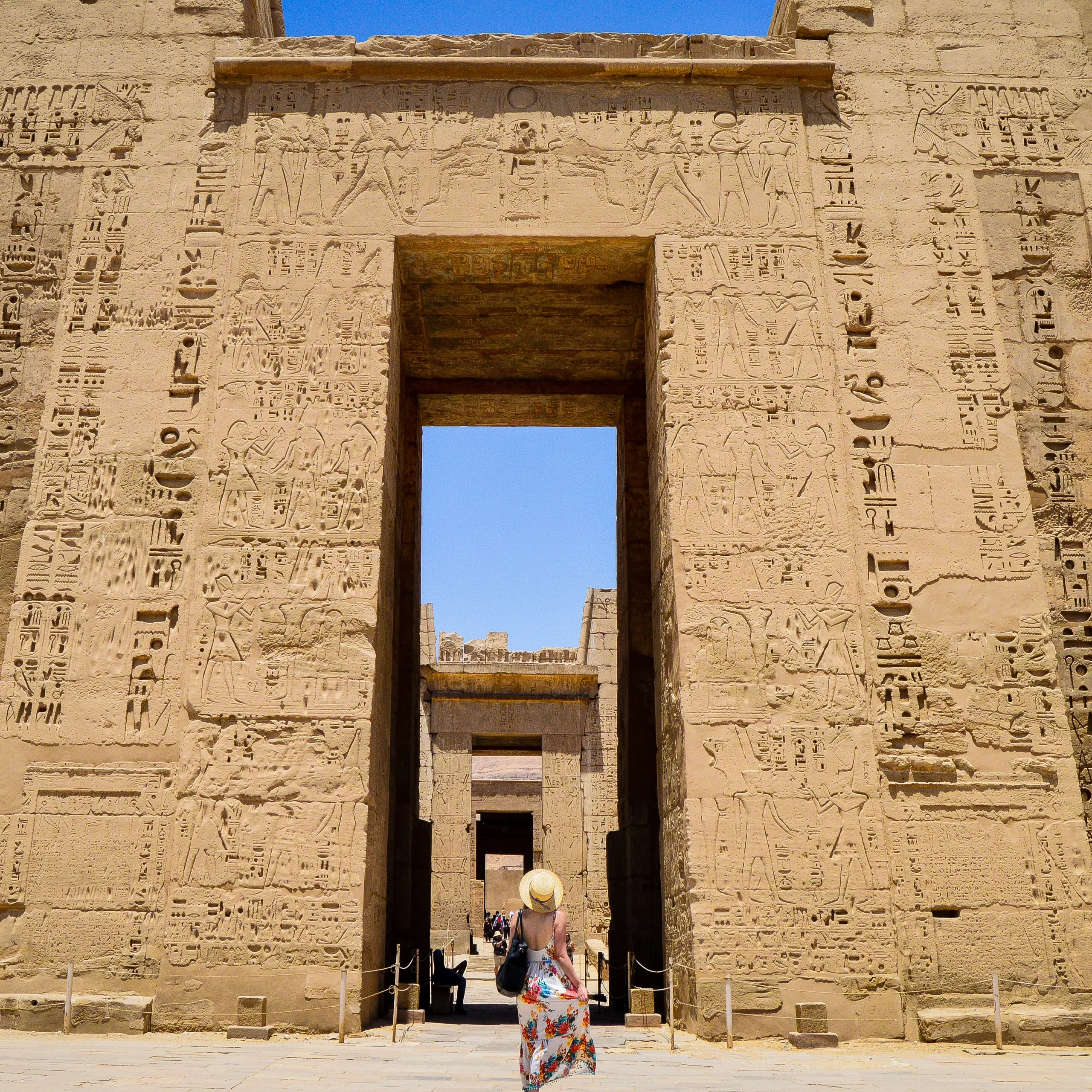
History and Construction
The origins of karnak temple luxor date back to the Middle Kingdom, with major expansions during the New Kingdom when powerful pharaohs such as Hatshepsut, Thutmose III, Seti I, and Ramses II added monuments to honor the gods. Rather than a single temple, Karnak is a vast complex composed of sanctuaries, chapels, pylons, and obelisks built across generations.
Among the most remarkable karnak temple facts is the scale of its Hypostyle Hall, containing 134 massive columns arranged in dramatic symmetry. Walls throughout the complex are covered with inscriptions documenting religious rituals, military victories, and offerings to the gods, making Karnak an invaluable historical record as well as a sacred site.
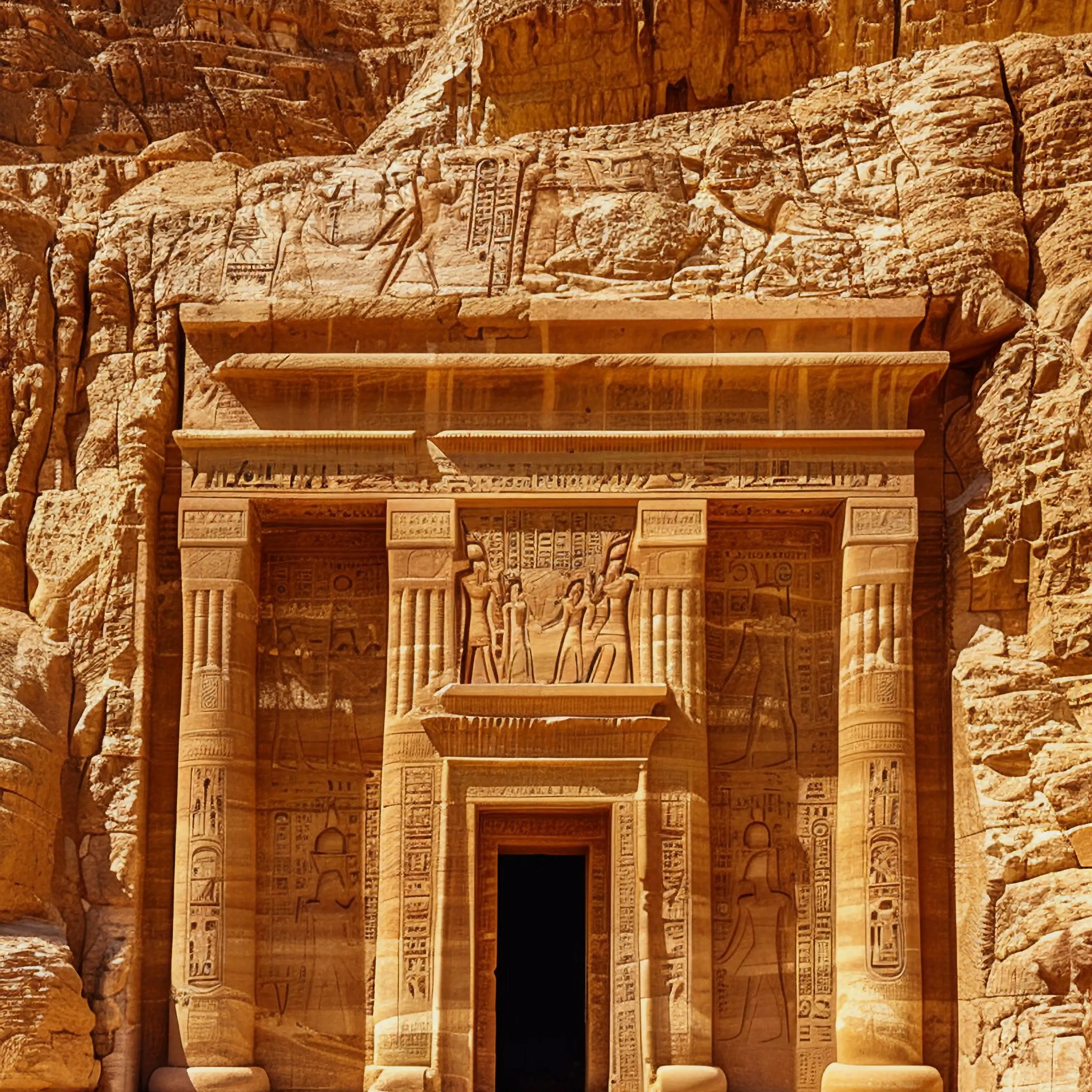
How to Visit
- Getting There
Karnak is easily accessible from central Luxor by taxi, carriage, or as part of an organized tour. - Opening Hours
Open daily, usually from 6:00 AM to 5:30 PM (hours may vary seasonally). - Tickets
Entry tickets are required. Evening sound-and-light show tickets are sold separately. - Time Needed
Allow at least 2–3 hours to explore comfortably. - Best Time to Visit
Early morning or late afternoon offers softer light and fewer crowds—ideal for photography.
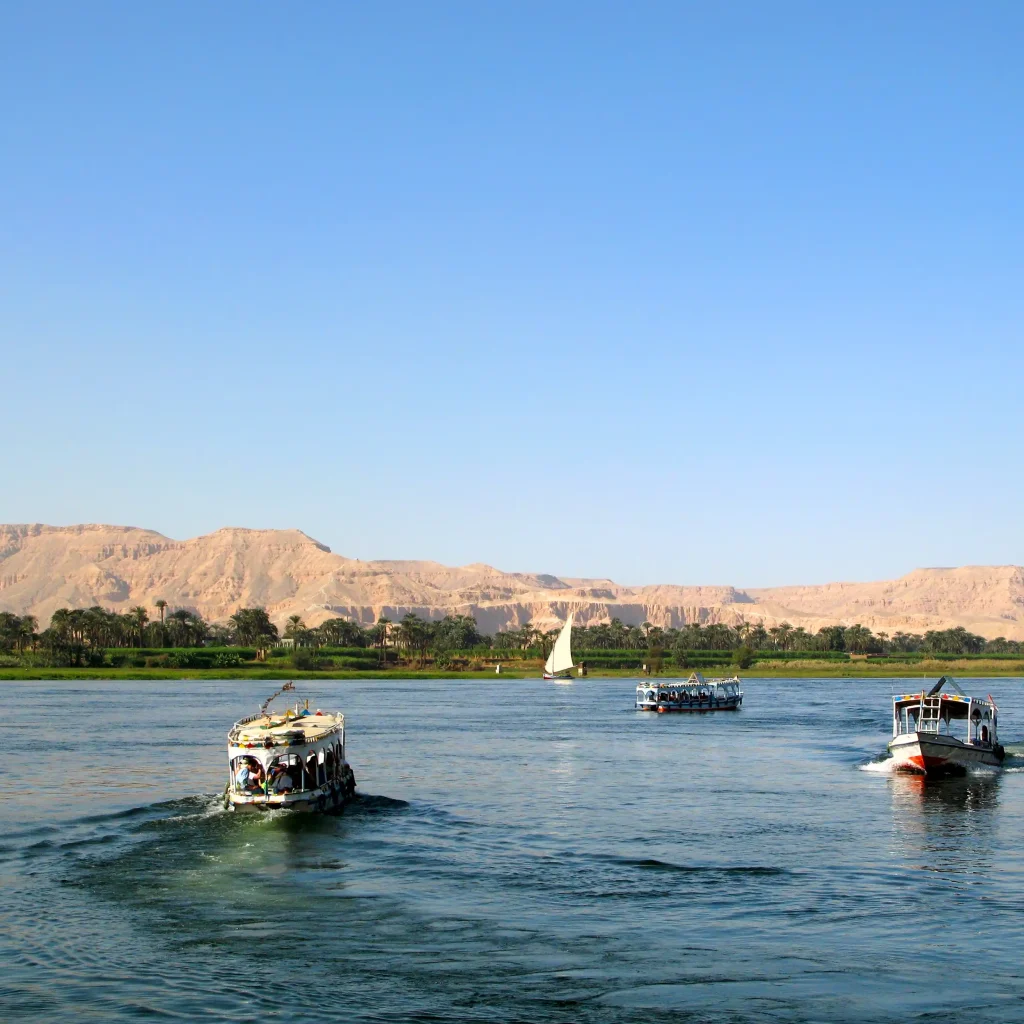
Karnak is also included in many Nile cruises in Egypt, especially itineraries that start or end in Luxor.
What You’ll See Inside Karnak
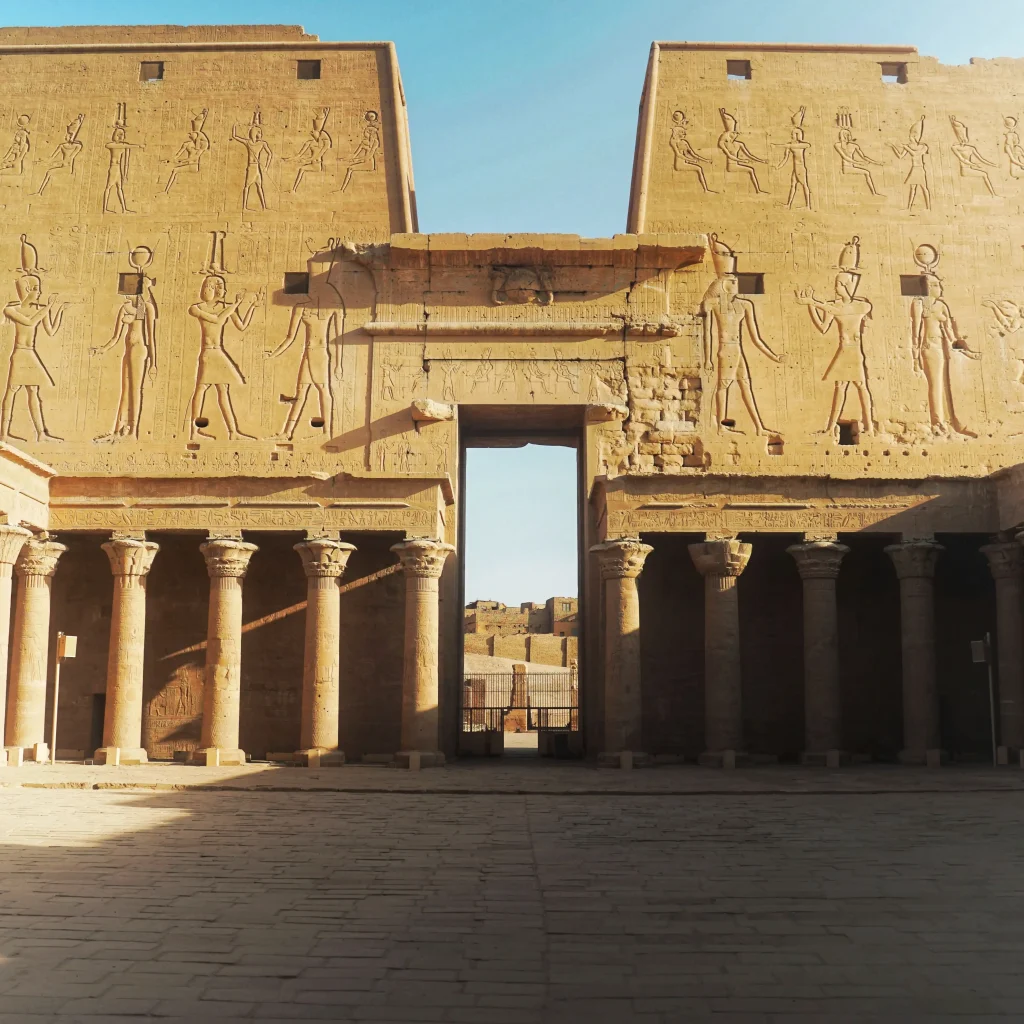
Visitors enter through massive pylons leading into a sequence of courtyards and halls. The most awe-inspiring feature is the Hypostyle Hall, where towering columns covered in hieroglyphs create a forest of stone unlike anything else in Egypt. Sacred lakes, obelisks, statues, and shrines reveal the spiritual complexity of ancient Egyptian worship.
Walking through the complex offers a powerful sense of scale and continuity, allowing visitors to trace centuries of religious architecture in a single location. Compared to other sites, Karnak feels expansive, ceremonial, and deeply symbolic
Tips to Know Before You Go
- Visit early or late to avoid heat and crowds
- Wear sturdy walking shoes
- Bring water, sunscreen, and a hat
- Hire a guide for historical context
- Photography is allowed
- Expect extensive walking
- Combine with nearby temples for a full day
- Stay hydrated in warm months
Many travelers combine Karnak with Valley of the Kings and other West Bank highlights for a full-day Luxor experience.
What to See Near Karnak
Karnak sits near several major attractions on Luxor’s East Bank. Nearby sites include Luxor Temple connected historically by the Avenue of Sphinxes as well as museums and the Nile Corniche. Visiting these sites together offers one of the most rewarding things to do in Luxor, providing a complete picture of ancient Thebes’ religious landscape.
FAQs
A: The complex is primarily dedicated to Amun-Ra, along with Mut and Khonsu, forming the Theban Triad.
A: Most visitors spend 2–3 hours exploring the complex.
A: Yes. It is well-organized and one of the highlights of any Luxor visit.
A: Yes. A sound-and-light show is available in the evening with a separate ticket.
A: Almost all Luxor itineraries include Karnak due to its historical importance.
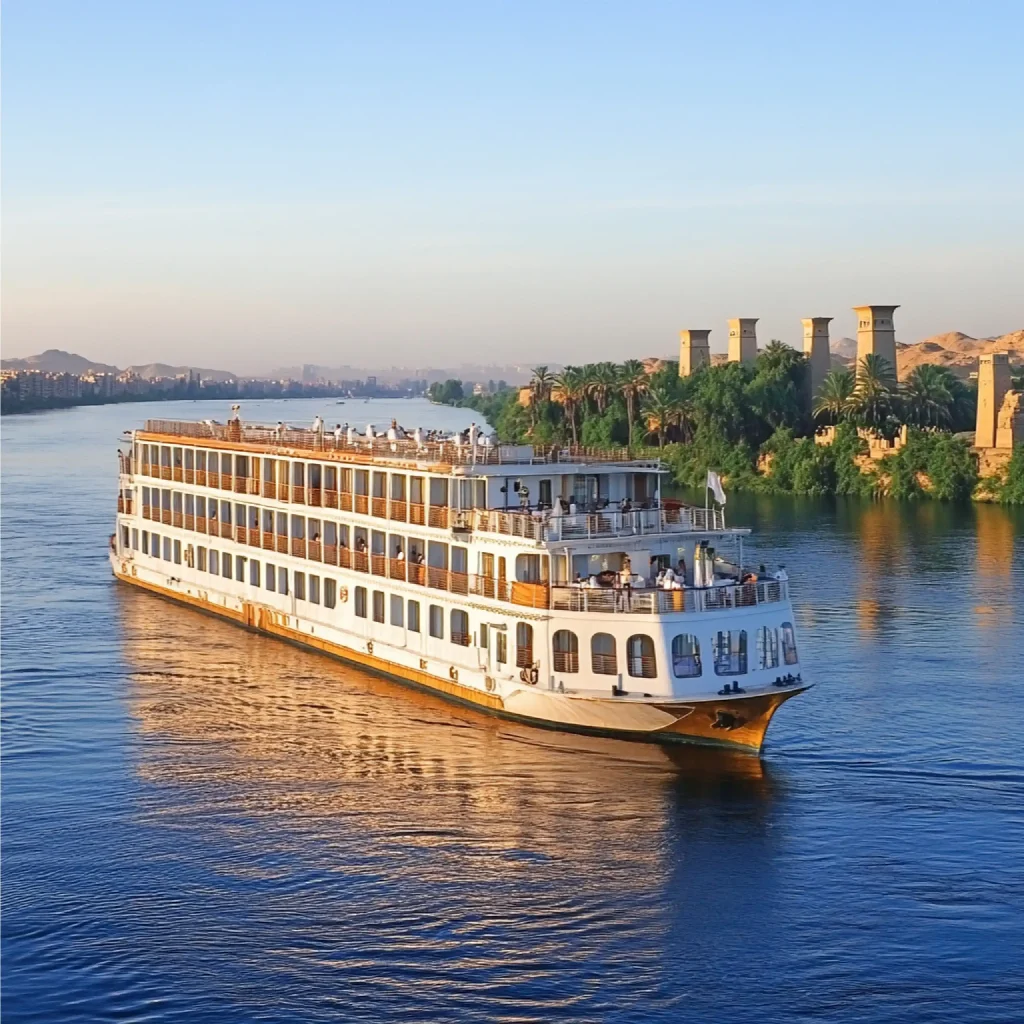
Many deluxe Nile cruise packages include guided visits to Karnak as part of the Luxor stop, Travelers looking for a quieter pace can also visit Karnak as part of a Dahabiya Nile cruise itinerary.


0 Comment