

Discover the Dahabiya Cruise in Egypt
A Dahabiya cruise Egypt experience offers travelers a unique way to explore the Nile River through comfort, history, and cultural authenticity. Unlike large modern cruise ships, a Dahabiya is a traditional sailing vessel that moves slowly along the river, allowing visitors to experience Egypt at a relaxed pace while enjoying uninterrupted views of temples, villages, and palm-lined riverbanks.
Many visitors wonder, what is a dahabiya?
It is a handcrafted wooden sailing boat that dates back to the 19th century and was originally used by Egyptian royalty and foreign explorers navigating the Nile in privacy and elegance. These boats were designed to rely mainly on wind power, creating a quiet and peaceful travel experience.
Today, Dahabiyas have been restored and adapted for tourism while preserving their historic design. They now serve as boutique floating hotels with comfortable cabins, shaded decks, and attentive service. This guide explores the history and cultural role of Dahabiya cruises, what travelers can expect onboard, and how to experience them as part of a deeper journey along Egypt’s most famous river route.
Quick Facts
- Location: Nile River (Luxor to Aswan or vice versa)
- Boat type: Traditional sailing vessel (Dahabiya)
- Best time to visit: October to April
- Time needed: 4–7 days
- Tickets/Entry: Cruise package booking
- How to get there: Flights or transfers to Luxor or Aswan
- What to expect: Temples, islands, villages, quiet sailing
- Top highlights: Hidden sites, sunset views, private stops
- Tips: Book early, pack light, respect local customs
The Role of the Dahabiya in Egyptian Tourism
Key Points:
- One of the oldest forms of Nile travel
- A cornerstone of heritage river tourism
- Symbol of traditional Egyptian sailing culture
- Supports slow and sustainable travel
- Provides access to smaller archaeological sites
- Represents a refined alternative to mass tourism
The Dahabiya plays an important role in preserving the original spirit of Nile exploration. It reflects how travelers once moved between Upper Egypt’s temples and towns while maintaining respect for the surrounding environment and local communities.
The History of the Dahabiya Cruise in Egypt
The Dahabiya originated during the 19th century, when Egypt’s rulers and early European explorers traveled along the Nile in wooden sailboats designed for comfort and privacy. These vessels featured large sails, open decks, and shaded areas for relaxation, making long journeys along the river both practical and elegant.
With the introduction of steam-powered ships and later large cruise vessels, Dahabiyas gradually declined in use. Mass tourism favored speed and capacity over intimacy and cultural connection. However, interest in traditional sailing methods has grown again in recent decades as travelers search for quieter and more authentic ways to experience Egypt.
Modern Dahabiyas preserve the classic design of the original boats while offering contemporary facilities such as air-conditioned cabins, dining lounges, and professional crews. They combine historical character with modern comfort, allowing guests to relive an earlier era of Nile travel without sacrificing safety or convenience.
Today, Dahabiya cruises represent a revival of heritage tourism and reflect Egypt’s commitment to protecting its cultural identity while welcoming travelers from around the world.
How to Plan Your Dahabiya Journey
- Knowing how to plan a Dahabiya journey makes exploring the Nile both simple and rewarding.
- Getting There
- Most journeys operate between Luxor and Aswan. Visitors can reach their starting point by:
- Domestic flights from Cairo
- Private transfers from hotels
- Organized tour packages
- Opening Season
- Dahabiya cruises usually operate from October through April, when temperatures are mild and sightseeing is comfortable.
- Tickets
Trips are booked through licensed tour operators that provide full travel packages including accommodation, meals, and guided visits.
Time Needed
Most itineraries last between 4 and 7 days, depending on the route and number of stops.
Best Time to Visit
Morning departures allow for calm sailing conditions and provide ideal lighting for photography and sightseeing.
What You’ll See on a Dahabiya Cruise
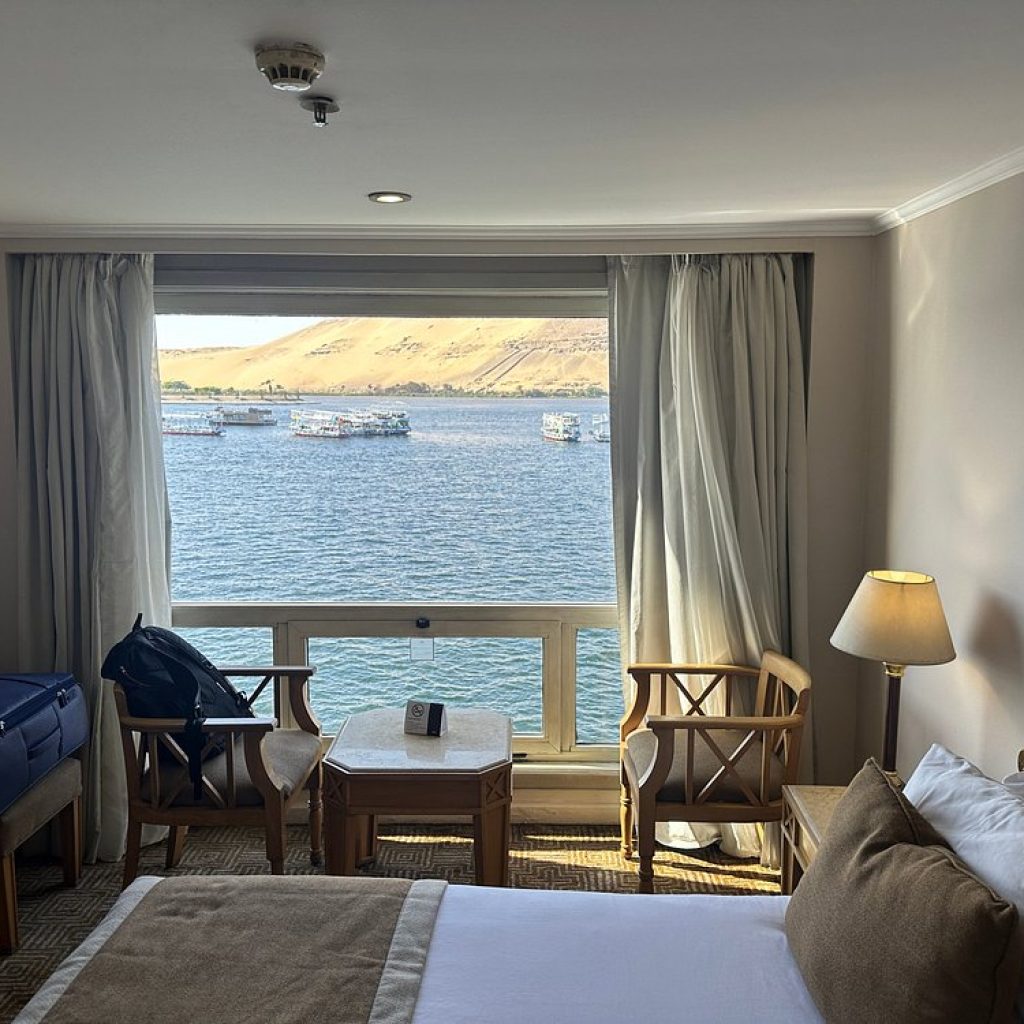
Onboard, travelers experience a quiet and refined atmosphere with open decks for relaxation and well-designed cabins overlooking the Nile. The slow pace allows time to enjoy daily river life, passing farms, fishing boats, and riverside villages.
Excursions typically include major temples such as Edfu and Kom Ombo, as well as lesser-known sites and natural islands that are not accessible to large ships. Visitors can walk through traditional communities and observe local customs and crafts.
Meals are prepared fresh each day and enjoyed in a peaceful dining area. Evenings are spent watching sunsets, listening to the sounds of the river, and relaxing under the night sky. This combination of culture, comfort, and tranquility makes the dahabiya nile cruise one of the most distinctive ways to experience Egypt.
Travel Tips for Your Dahabiya Journey
- Dress comfortably and modestly
- Book outside peak holiday periods if possible
- Follow guide instructions at historical sites
- Carry sunscreen and a hat
- Bring small cash for village visits
- Respect local traditions and customs
- Allow time for relaxation and scenery
- Limit heavy luggage
- Enjoy the slow pace of travel
What to Visit Near the Dahabiya Route
A Dahabiya journey passes through some of Egypt’s most important cultural and historical regions, including:
- Karnak Temple in Luxor
- Edfu Temple
- Kom Ombo Temple
- Gebel el-Silsila quarries
- Philae Temple in Aswan
- Traditional Nubian villages
- Local markets and river islands
Together, these landmarks create one of Egypt’s richest cultural corridors, combining famous monuments with quiet, rarely visited locations.
FAQs
It operates along the Nile River between Luxor and Aswan.
The dahabiya vs large cruise comparison shows that Dahabiyas offer fewer guests, quieter sailing, flexible stops, and more personal service.
Most journeys last between 4 and 7 days.
Dahabiya inclusions often cover accommodation, meals, guided tours, entrance fees, and transfers.
Yes, it is ideal for travelers seeking privacy, comfort, and cultural immersion.


0 Comment