

Why the Abu Simbel Temples Are One of Egypt’s Greatest Wonders
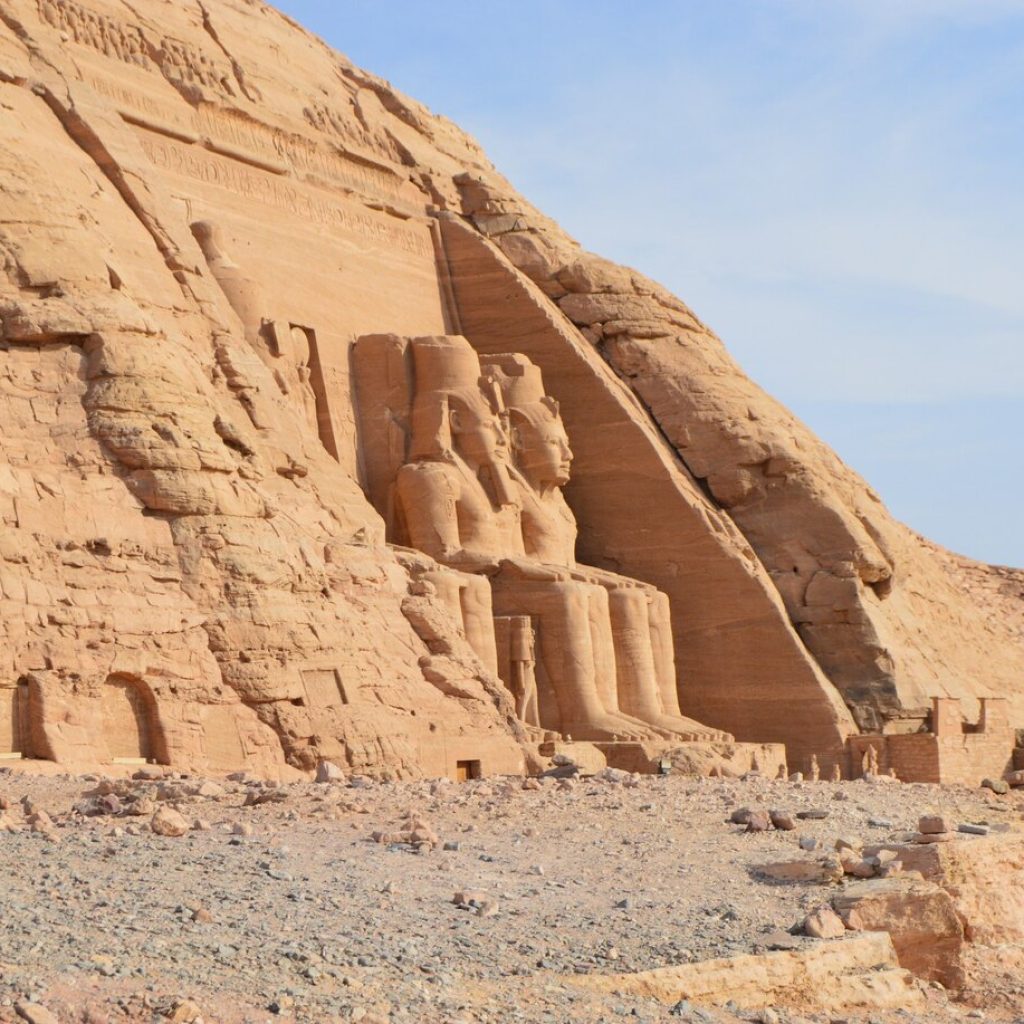
Rising dramatically from the western bank of Lake Nasser in southern Egypt, the Abu Simbel temples stand as one of the most awe-inspiring achievements of ancient civilization. Carved directly into solid rock during the 13th century BCE, these monumental sanctuaries were built under Pharaoh Ramses II to project power, divine authority, and eternal legacy.
Located far from Egypt’s urban centers, Abu Simbel Egypt combines isolation, scale, and symbolism. The sheer size of the statues, their precise alignment, and the remote desert setting create a temple complex unlike any other in the country one that feels both sacred and overwhelming.
Quick Facts
- Location: Southern Egypt, near Lake Nasser
- Built: c. 1264 BCE
- Builder: Pharaoh Ramses II
- Main deities: Amun, Ra-Horakhty, Ptah
- Famous feature: Abu Simbel sun alignment
- Nearby access: Abu Simbel from Aswan
- Status: UNESCO World Heritage Site
What Makes the Abu Simbel Temples Unique
- Colossal rock-cut temples built by Ramses II
- Dedicated to both gods and royal power
- One of the most precise astronomical alignments in antiquity
- Entire site relocated to save it from flooding
- Remote location enhances dramatic impact
- The temples’ combination of scale, craftsmanship, and location makes them a highlight of any southern Egypt attractions tour.
Construction, Purpose, and Royal Power
Commissioned by Ramses II during Egypt’s New Kingdom, the Abu Simbel temples were designed to assert Egyptian dominance over Nubia and honor the gods who legitimized the pharaoh’s rule. The Great Temple was dedicated to Amun, Ra Horakhty, and Ptah—alongside Ramses himself—while the Smaller Temple honored Queen Nefertari and the goddess Hathor.
The façades feature towering statues of Ramses II, portraying him as eternal, invincible, and divinely chosen. Every detail communicates political authority and religious devotion, showing how architecture in ancient Egypt became a tool of statecraft.
Architectural Marvel and Sun Alignment
Inside the temples, walls are covered with finely detailed reliefs showing military victories, religious rituals, and royal symbolism. The most extraordinary feature, however, is the Abu Simbel sun alignment.
Twice each year on February 22 and October 22—the rising sun penetrates the inner sanctuary, illuminating the statues of Ramses II, Amun, and Ra-Horakhty, while Ptah, god of darkness, remains in shadow. This precise alignment demonstrates the advanced astronomical knowledge of ancient Egyptian architects.
Visitors from around the world time their visits to coincide with this natural spectacle, making it a bucket-list event for history and astronomy enthusiasts alike.
Relocation and Preservation Story
In the 1960s, construction of the Aswan High Dam threatened to submerge Abu Simbel beneath Lake Nasser. A massive international effort led by UNESCO carefully dismantled the temples into over 20,000 blocks and reassembled them on higher ground.
This monumental feat preserved Abu Simbel exactly as it stood, safeguarding one of humanity’s greatest architectural achievements. Today, the site stands not only as a testament to Ramses II but also to modern heritage preservation, attracting visitors interested in both ancient and contemporary accomplishments.
Visiting Abu Simbel from Aswan
Getting There
- Most travelers visit Abu Simbel from Aswan, with several transport options:
- Early-morning road convoy: About 3–4 hours along the desert highway
- Domestic flight: 45-minute flight from Aswan International Airport
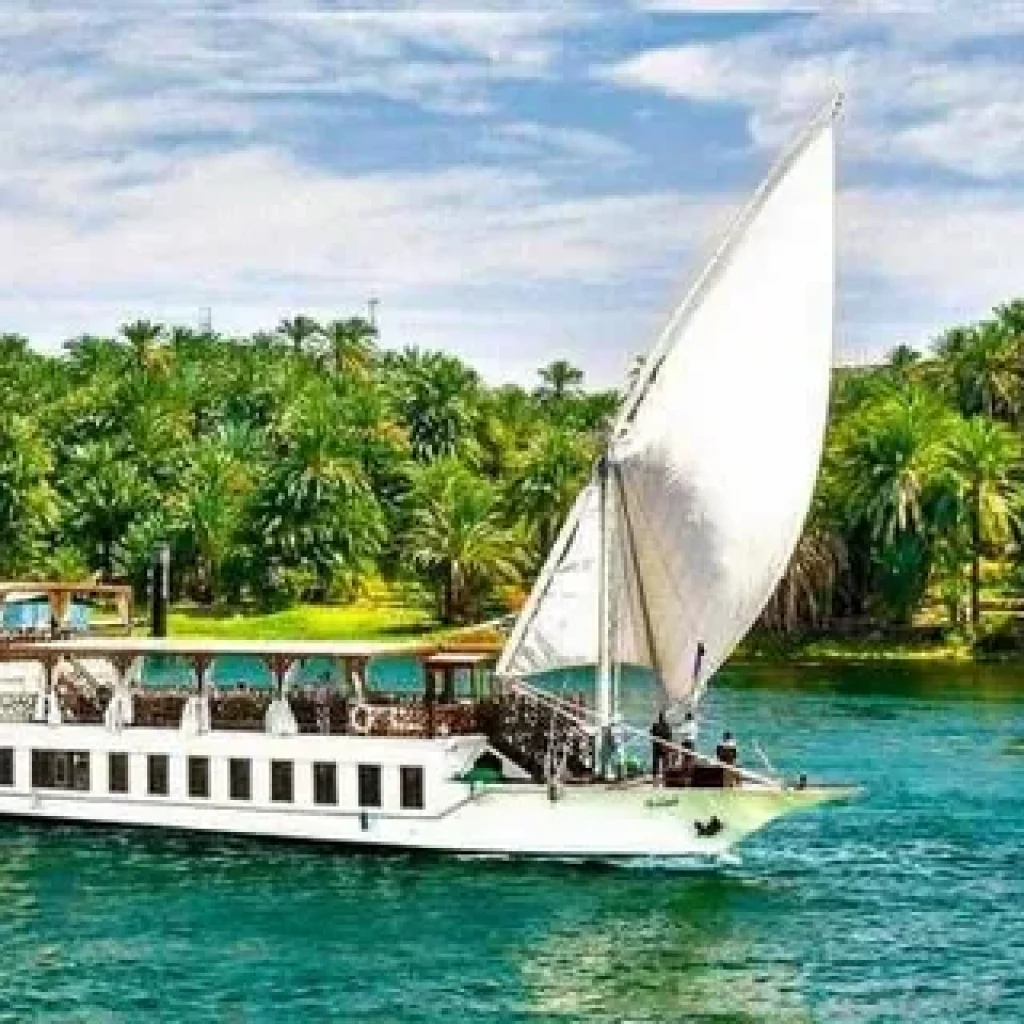
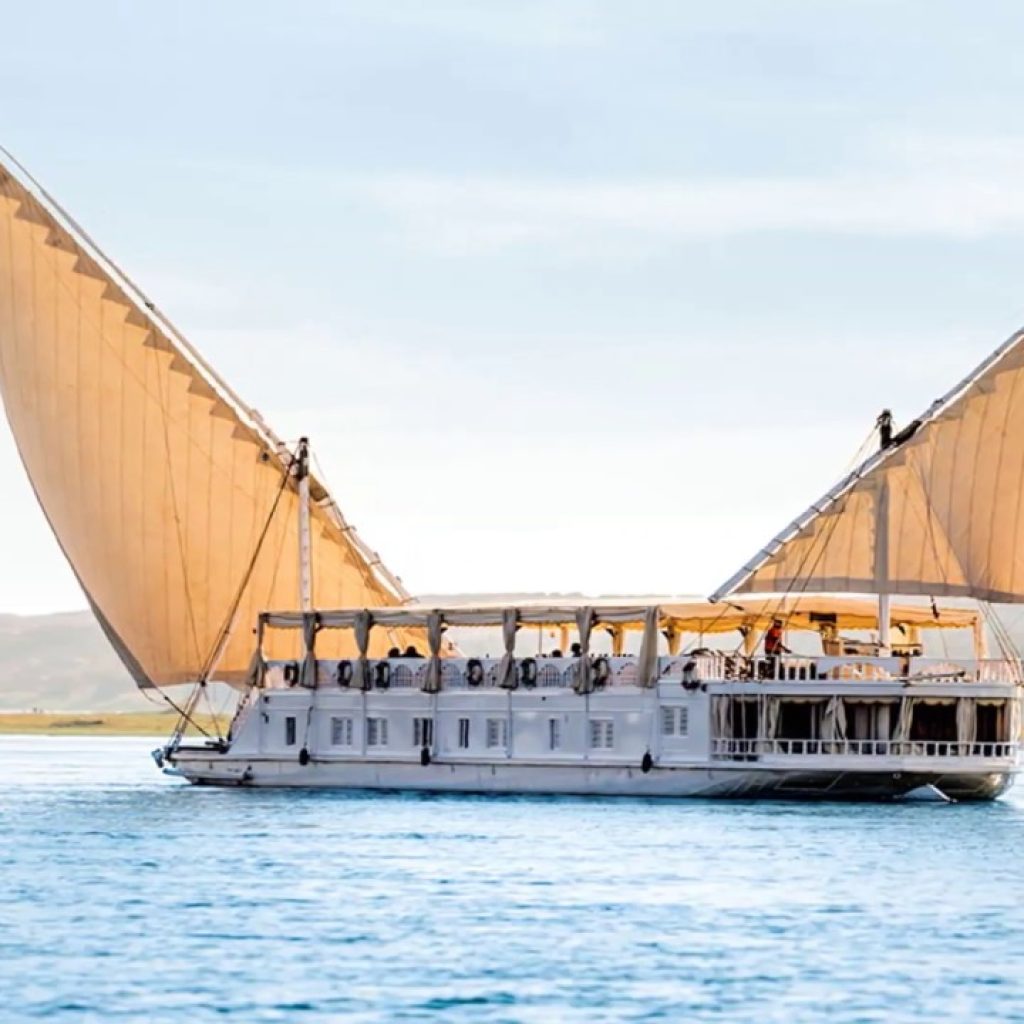
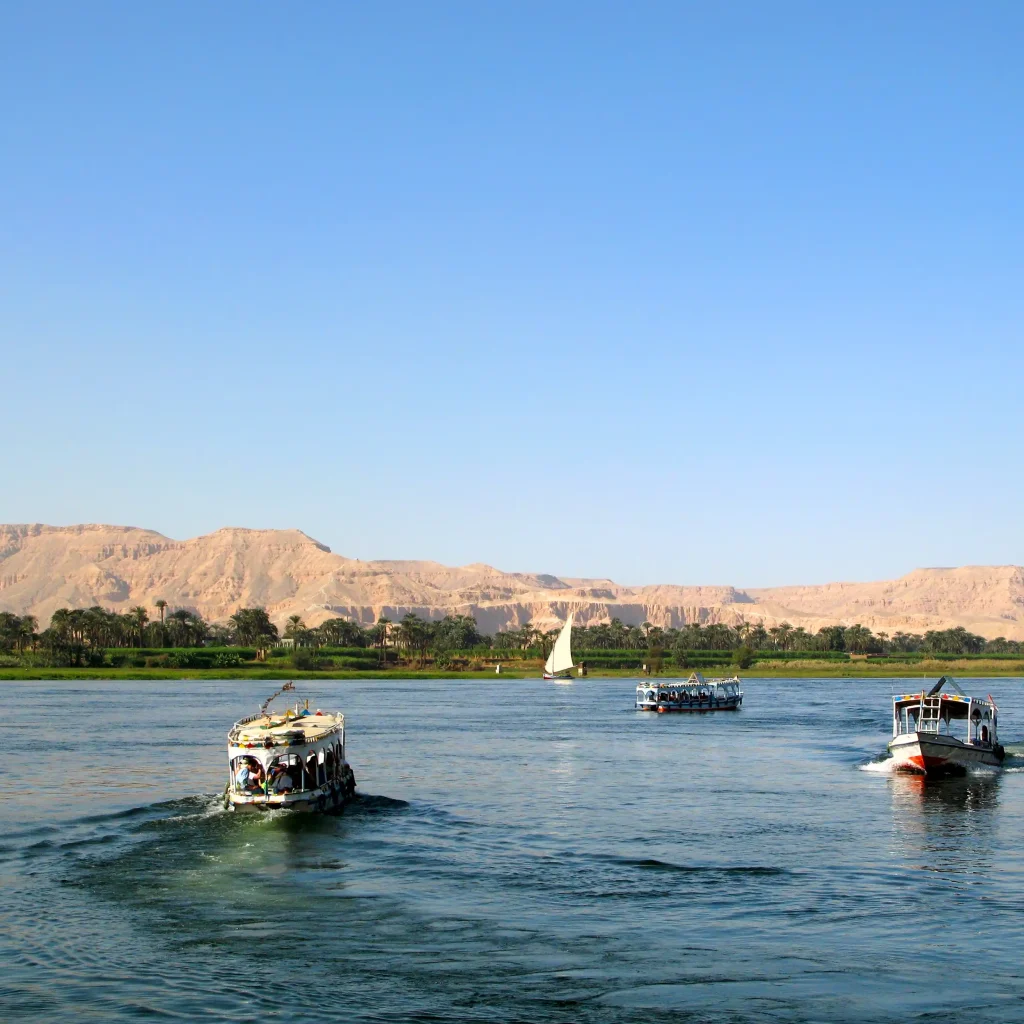
- Lake Nasser cruise: Multi-day cruises often include Abu Simbel as a highlight
- Each option provides a unique perspective, whether it’s the scenic desert drive, aerial view, or relaxed approach via the lake.
Best Time to Visit
- October April: Comfortable temperatures and minimal heat
- February & October: Ideal for witnessing the solar alignment
- Time Needed
- Plan at least 2–3 hours to explore both the Great and Small Temples, plus surrounding viewpoints. Combine your visit with a Lake Nasser cruise or other southern Egypt attractions for a richer itinerary.
Tips to Know Before You Go
- Start early; most visitors aim for sunrise to enjoy the cooler morning
- Bring water, sunscreen, and a hat
- Comfortable walking shoes are essential
- Photography is allowed (check for flash restrictions inside sanctuaries)
- Book flights, transfers, or cruises in advance
- Respect barriers and avoid touching carvings
- Combine your visit with Lake Nasser or other southern Egypt itineraries
- Following these tips ensures a smooth, memorable visit to one of Egypt’s most iconic temple complexes.
Experiencing Abu Simbel in Person
Walking among the colossal statues and entering the sun-aligned sanctuary is unforgettable. The combination of scale, desert surroundings, and detailed reliefs conveys both awe and reverence. The temples’ isolation emphasizes the grandeur, making it feel as though you’ve stepped back into ancient Egypt itself.
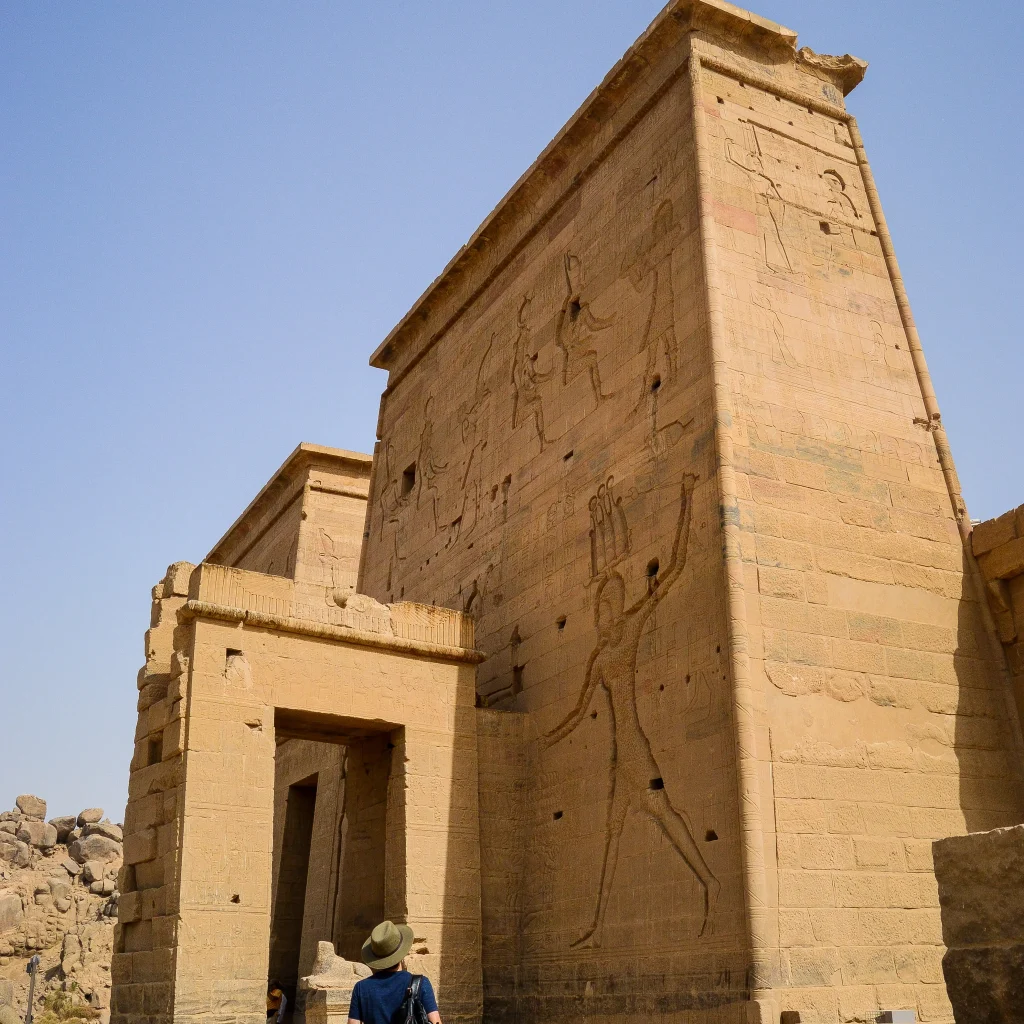
A Lake Nasser cruise that includes Abu Simbel offers an even more immersive experience, allowing visitors to enjoy calm mornings, uninterrupted desert views, and access to nearby lesser-known temples like Amada and Kalabsha.
FAQs About Abu Simbel
Absolutely. They are among Egypt’s most impressive monuments, combining scale, engineering, and symbolism unlike any other site.
Twice yearly, sunlight reaches the inner sanctuary, illuminating select statues with remarkable precision.
Approximately 280 km. Travel is typically by flight, road convoy, or cruise.
Yes, but many travelers combine it with Lake Nasser or southern Egypt tours.
Yes. The lighting is particularly dramatic at sunrise and sunset, perfect for capturing the colossal statues.
0 Comment