

Explore the Charm of the Pyramid of Menkaure The Third Pyramid of Giza
Explore the Pyramid of Menkaure, the smallest of the Giza pyramids. Learn about its history, unique construction, and how to visit this ancient monument today.
Why the Pyramid of Menkaure is a Testament to Ancient Egyptian Craftsmanship
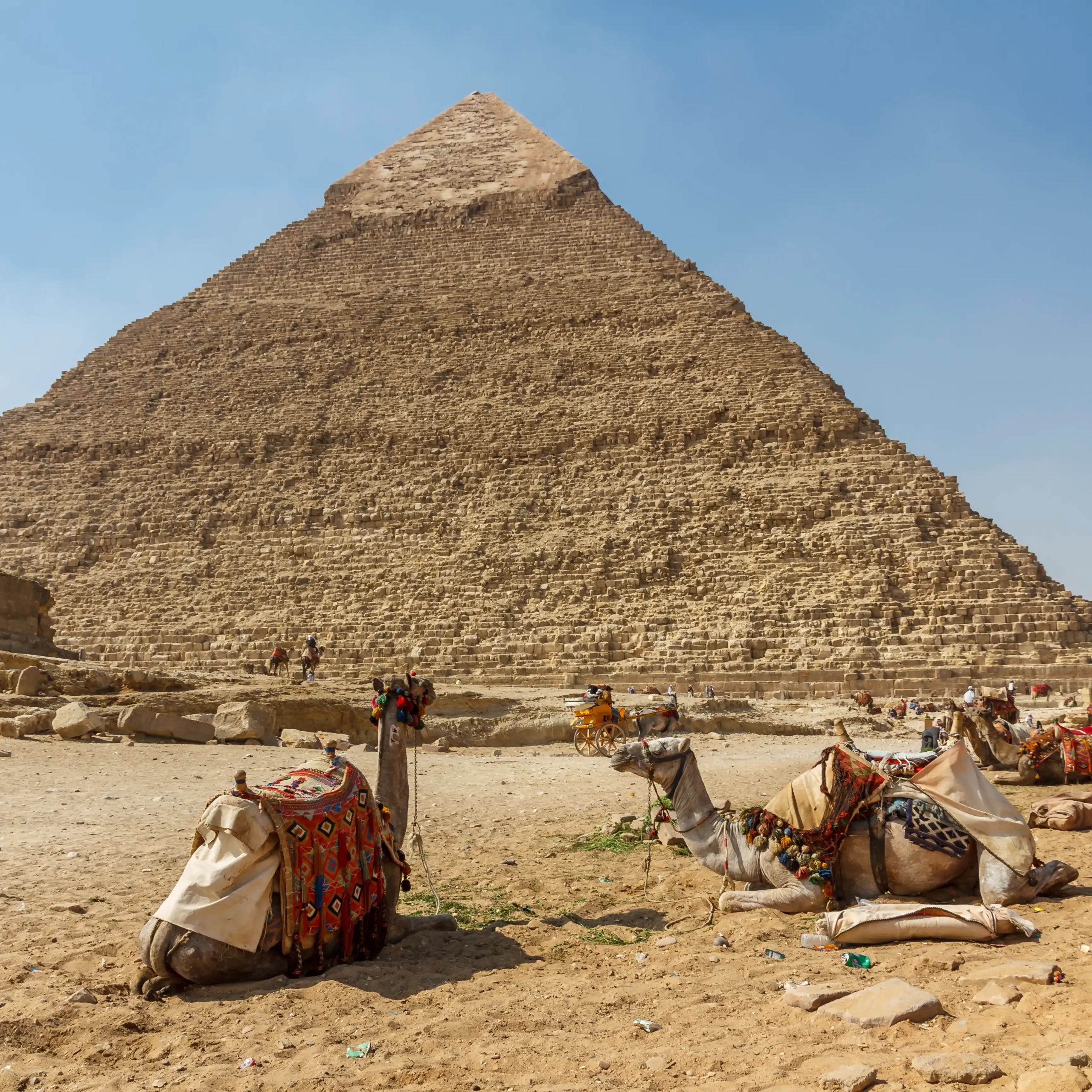
Tucked alongside the grand giants of Giza, the Pyramid of Menkaure may be the smallest of the three pyramids, but its historical and architectural significance is undeniable. Built around 2490 BC for Pharaoh Menkaure, the fifth king of Egypt’s 4th Dynasty, the pyramid stands as a lasting testament to his reign and legacy.
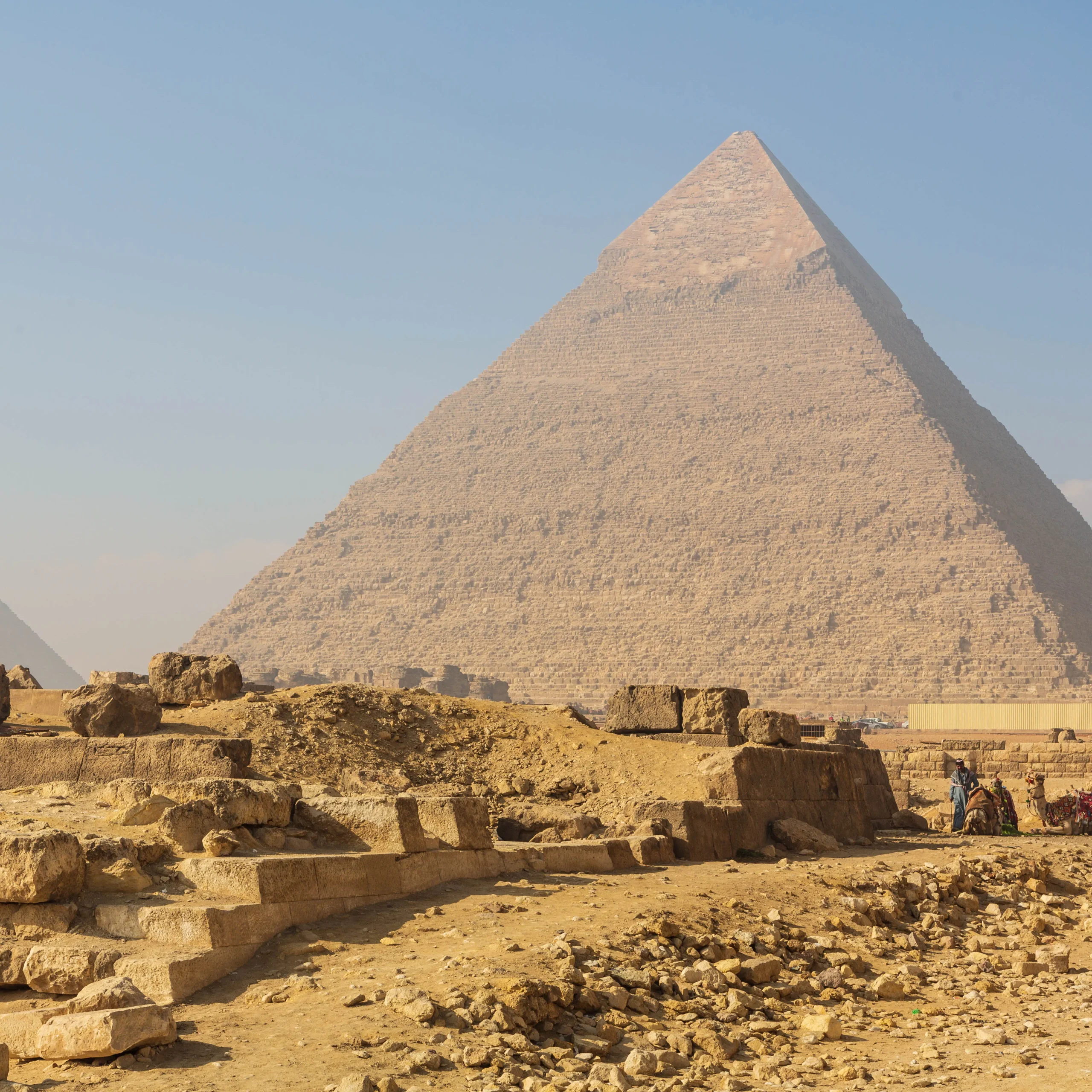
Unlike the towering Pyramids of Khufu and Khafre, the Pyramid of Menkaure rises to a modest height of 65 meters (213 feet). While smaller in size, it demonstrates a more refined and elegant construction. The lower sections of the pyramid were originally clad in polished granite, a material that was both expensive and difficult to work with. This shift in material and design indicates a growing focus on aesthetic detail and artistic craftsmanship during this period.
Quick Facts
- Location: Giza Plateau, Egypt
- Height: 65 meters (213 feet)
- Built: c. 2490 BC
- Main feature: Polished granite casing and intricate design
- Adjacent structures: Queen’s pyramids, Menkaure Valley Temple
- Notable feature: Burial chamber carved into bedrock

What Makes the Pyramid of Menkaure Unique
- Smallest of the three pyramids at Giza
- Features polished granite casing
- Unique burial chamber carved directly into the bedrock
- Part of the Giza Plateau Menkaure complex
- Flanked by Menkaure Queens Pyramids
- Menkaure Valley Temple houses significant statues
The Historical Significance of the Pyramid of Menkaure
The Pyramid of Menkaure was constructed to serve as the final resting place of Pharaoh Menkaure, and it stands as a royal tomb symbolizing the grandeur of ancient Egyptian civilization. Although smaller than the Pyramids of Khufu and Khafre, it displays an evolution in pyramid construction, with a greater focus on refined aesthetics and more intricate designs.
Menkaure’s pyramid retains parts of its original polished granite casing at the top, offering a glimpse of how the pyramid might have appeared in its prime. The construction of this pyramid, along with its Menkaure Valley Temple and the Queens’ Pyramids, speaks to the advanced architectural and artistic skills of the ancient Egyptians.
Architectural Marvels and the Burial Chamber
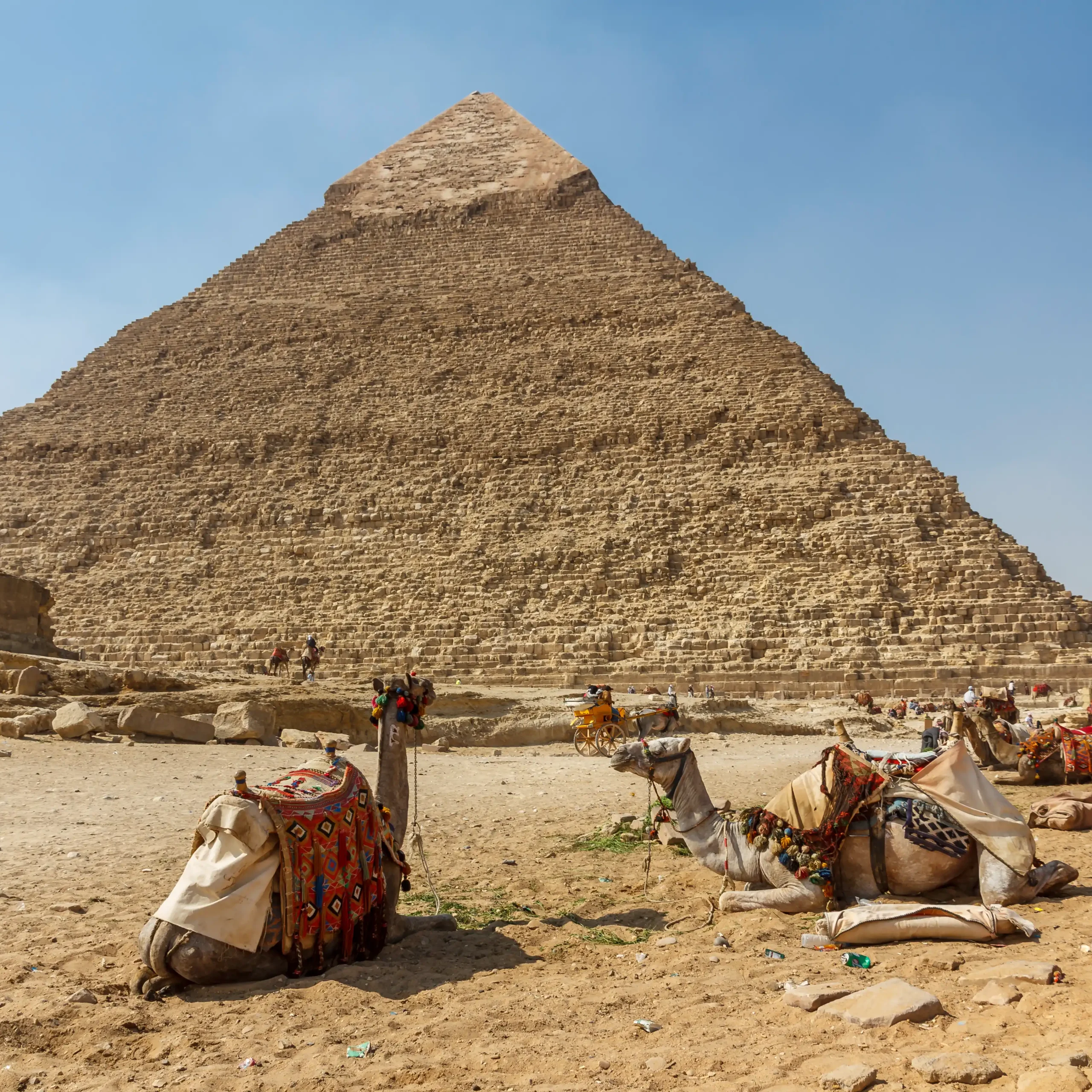
The Pyramid of Menkaure is an architectural marvel. The burial chamber, carved directly into the bedrock, once housed a basalt sarcophagus that was unfortunately lost at sea during its transportation to England in the 19th century. Despite this, the pyramid’s interior reveals advanced planning and design, showcasing the ancient Egyptians’ understanding of construction techniques and their spiritual beliefs.
The Menkaure Valley Temple, located nearby, has yielded remarkable statues, including the famous triads of Menkaure flanked by the goddess Hathor and a regional deity. These statues emphasize the divine connection between Menkaure and the gods, underscoring the pharaoh’s role as both a ruler and a divine figure.
The Menkaure Queens Pyramids and Their Role
Adjacent to the Pyramid of Menkaure are three smaller pyramids, commonly believed to be dedicated to Menkaure’s queens or family members. These Menkaure Queens Pyramids add to the historical significance of the site, providing a glimpse into the royal family structure and their eternal resting places. The presence of these smaller pyramids reflects the importance of family in royal Egyptian life and the desire to honor the queen’s role in the pharaoh’s legacy.
How to Visit the Pyramid of Menkaure
Getting There
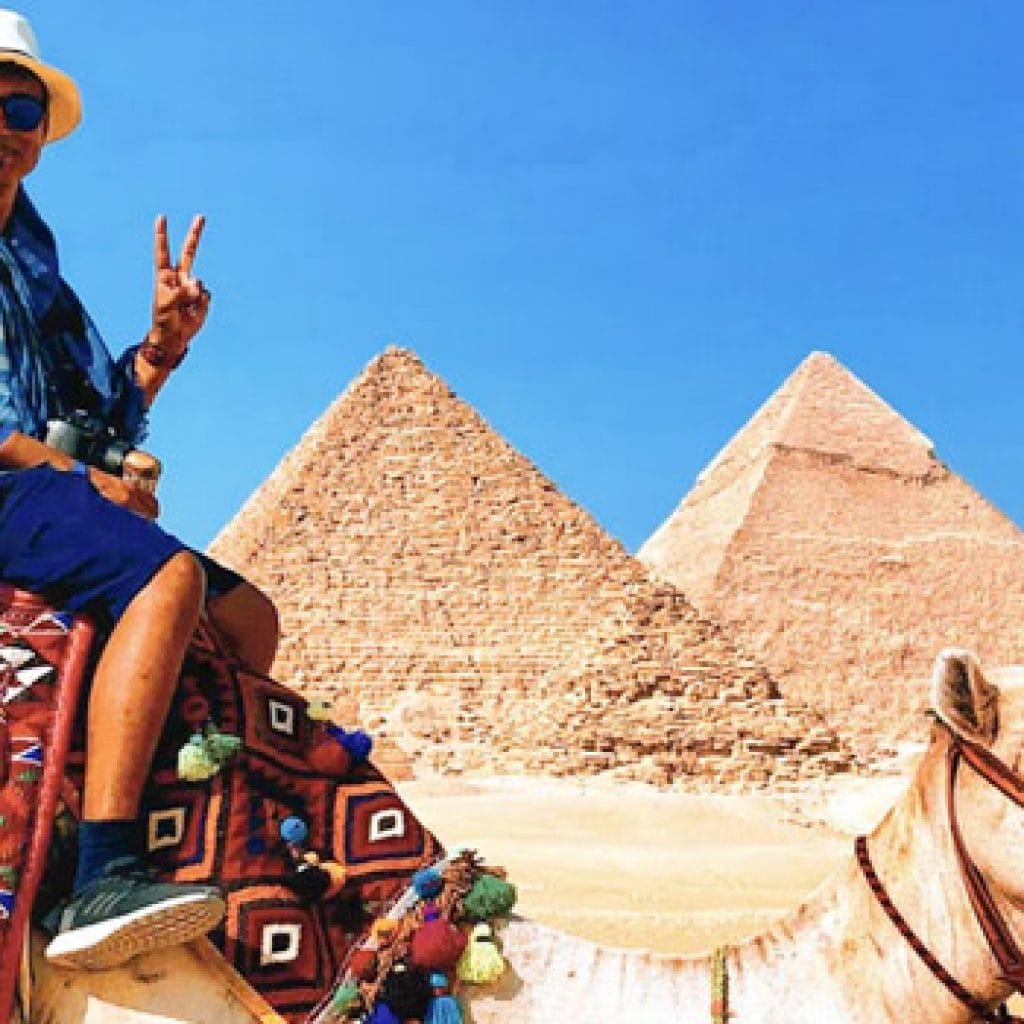
The Pyramid of Menkaure is located on the Giza Plateau, near the Great Pyramid of Khufu and the Pyramid of Khafre. It is easily accessible from Cairo, and visitors can take a short drive or join an organized tour to explore the site.
Best Time to Visit
Visit early in the morning or late in the afternoon to avoid the heat and crowds. The cooler months from October to April are the best time to explore the pyramids.
Time Needed
It will take approximately 1–2 hours to explore the Pyramid of Menkaure and the surrounding structures, including the Valley Temple and the Queens’ Pyramids.
Tips to Know Before You Go
- Wear comfortable shoes for walking on uneven terrain
- Bring water, sunscreen, and sun protection
- Photography is allowed in most areas (check for any restrictions)
- Early morning visits are recommended for a quieter experience
- Respect the monument and surrounding grounds
- Hire a licensed guide for deeper historical context
FAQs
The Pyramid of Menkaure stands at 65 meters (213 feet), making it the smallest of the three pyramids at Giza.
It is the only pyramid at Giza to retain some of its original Khafre pyramid casing stones at the top and is part of the Giza Plateau Menkaure.
The Pyramid of Menkaure is easily accessible from Cairo by car, taxi, or organized tour, and it is part of the Giza Plateau tour.
The pyramid’s burial chamber, carved directly into bedrock, once housed a basalt sarcophagus, though it was lost during its transportation.


0 Comment