
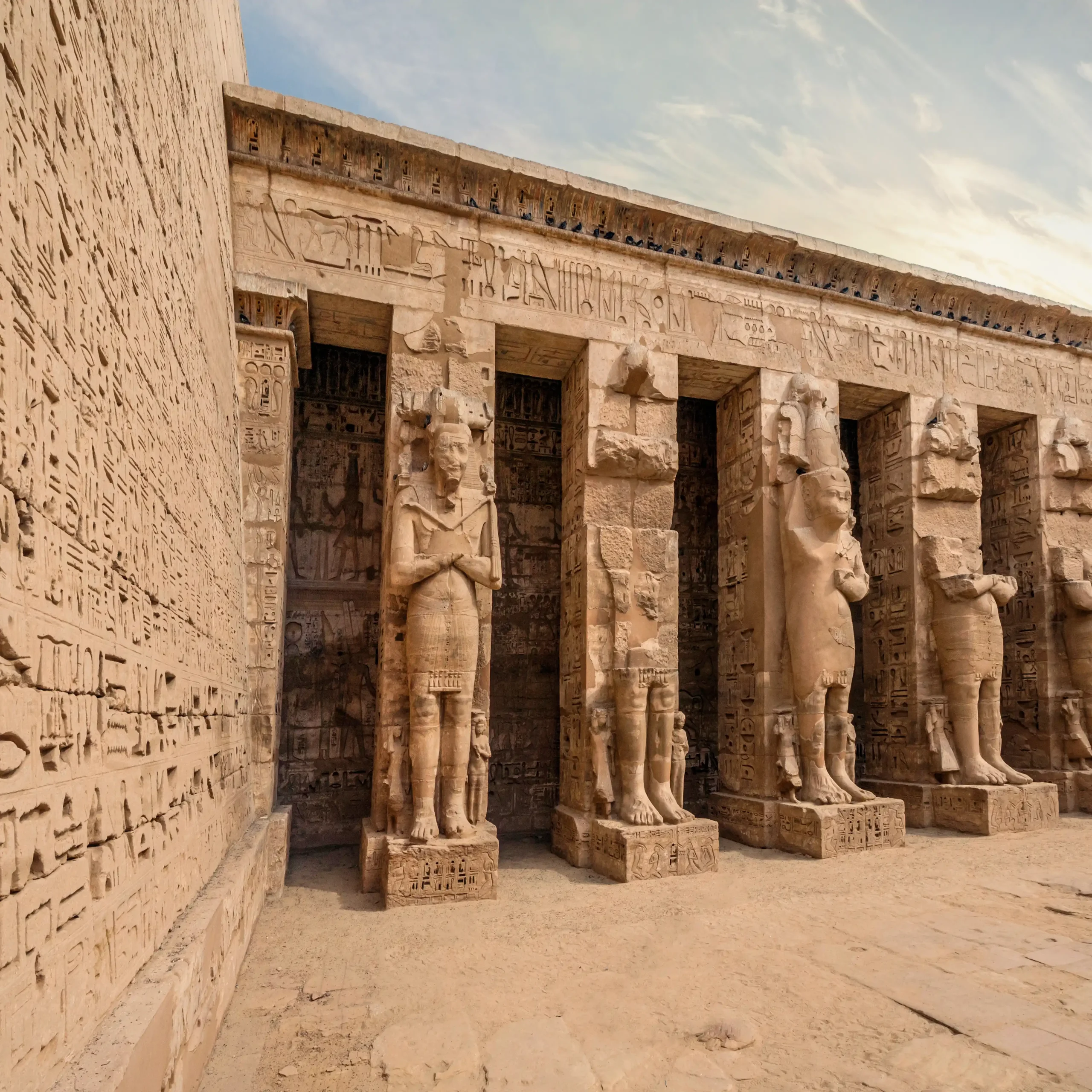

Temple of Ramesses II: Abu Simbel’s Monument to Power and Eternity
The Temple of Ramesses II at Abu Simbel is one of ancient Egypt’s most iconic and dramatic monuments. Carved directly into the sandstone cliffs along the western shores of Lake Nasser, the temple stands as a testament to Pharaoh Ramesses II’s ambition, religious devotion, and political power.
Built over 3,000 years ago during the reign of Ramesses II, the temple was meant to impress visitors, intimidate rivals, and honor the gods who legitimized the pharaoh’s rule. Its location, far from the Nile Valley’s major cities, makes it strikingly remote and enhances its monumental impact.
From the towering statues to the precise astronomical alignment, every aspect of the temple conveys meaning and grandeur. Visiting this site is more than sightseeing; it is an encounter with the power and precision of ancient Egyptian civilization.
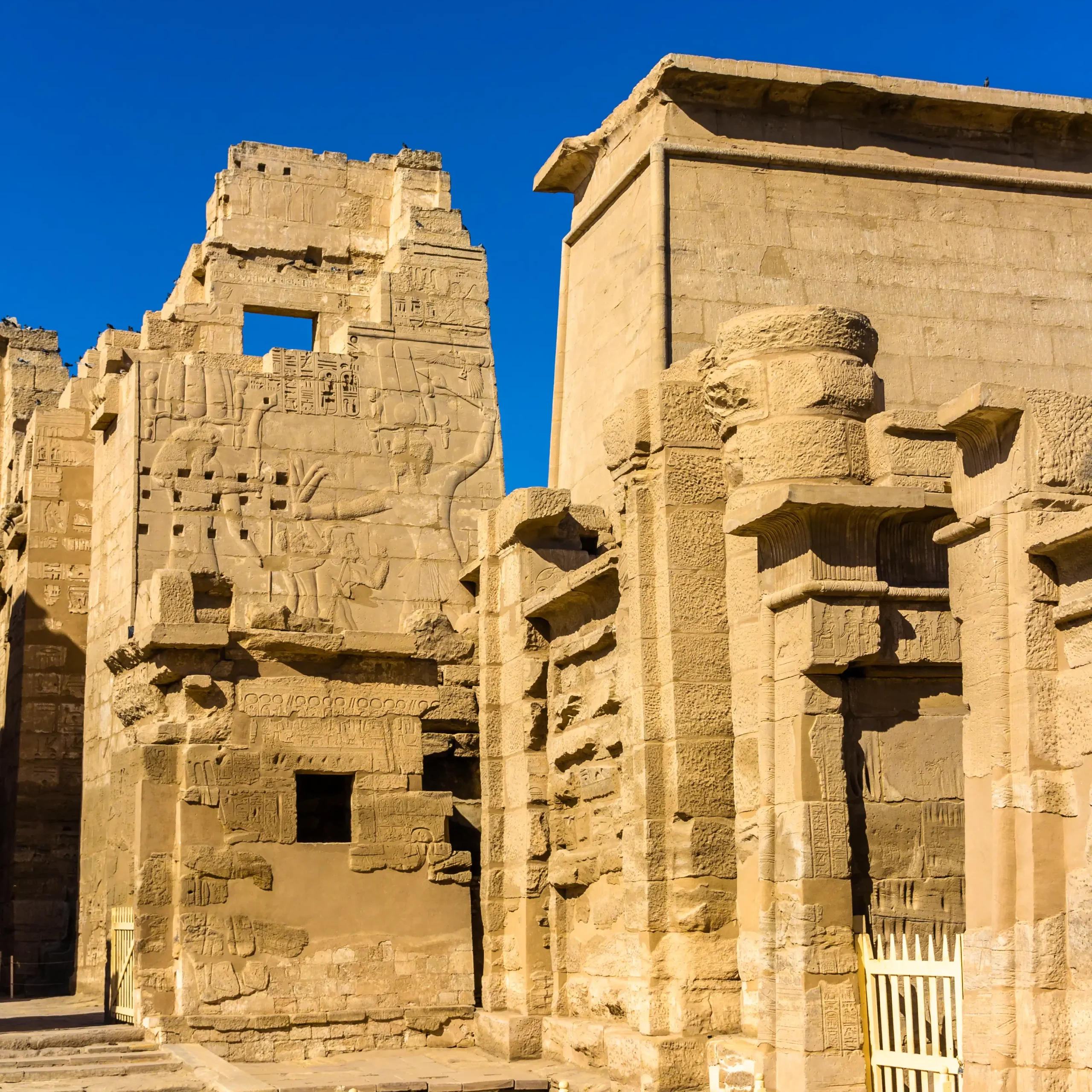
Quick Facts
- Location: Abu Simbel, southern Egypt
- Builder: Pharaoh Ramesses II
- Date: 13th century BCE
- Main feature: Four colossal seated statues
- Famous event: Abu Simbel sun alignment
- Nearby landmark: Lake Nasser
- Status: UNESCO World Heritage Site
What Makes the Temple of Ramesses II Unique
- Four colossal statues guarding the entrance, each over 20 meters tall
- Carved directly into a sandstone cliff
- Perfect solar alignment twice a year
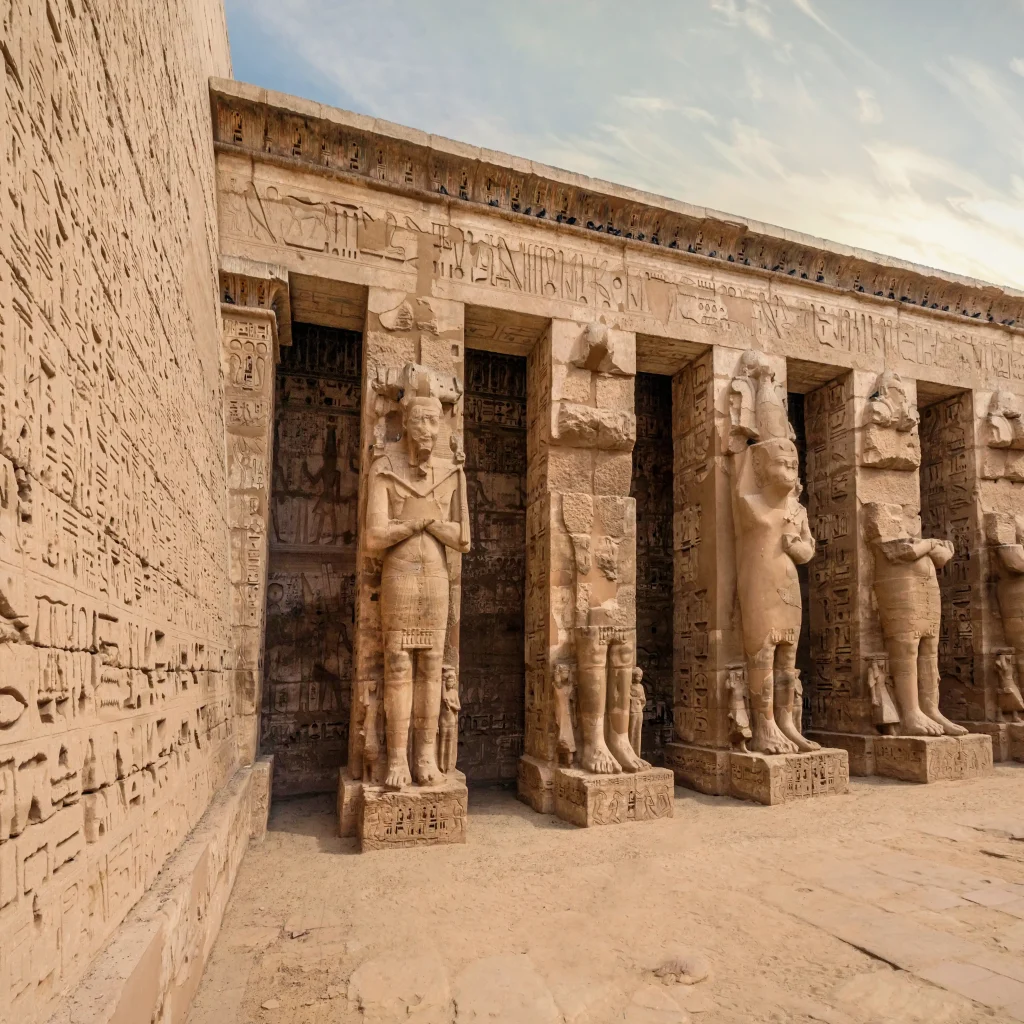
- Interior walls covered with royal, military, and religious reliefs
- One of the greatest relocation projects in modern history
- These features combine to make the temple not only a masterpiece of Egyptian architecture but also a living symbol of the pharaoh’s eternal legacy.
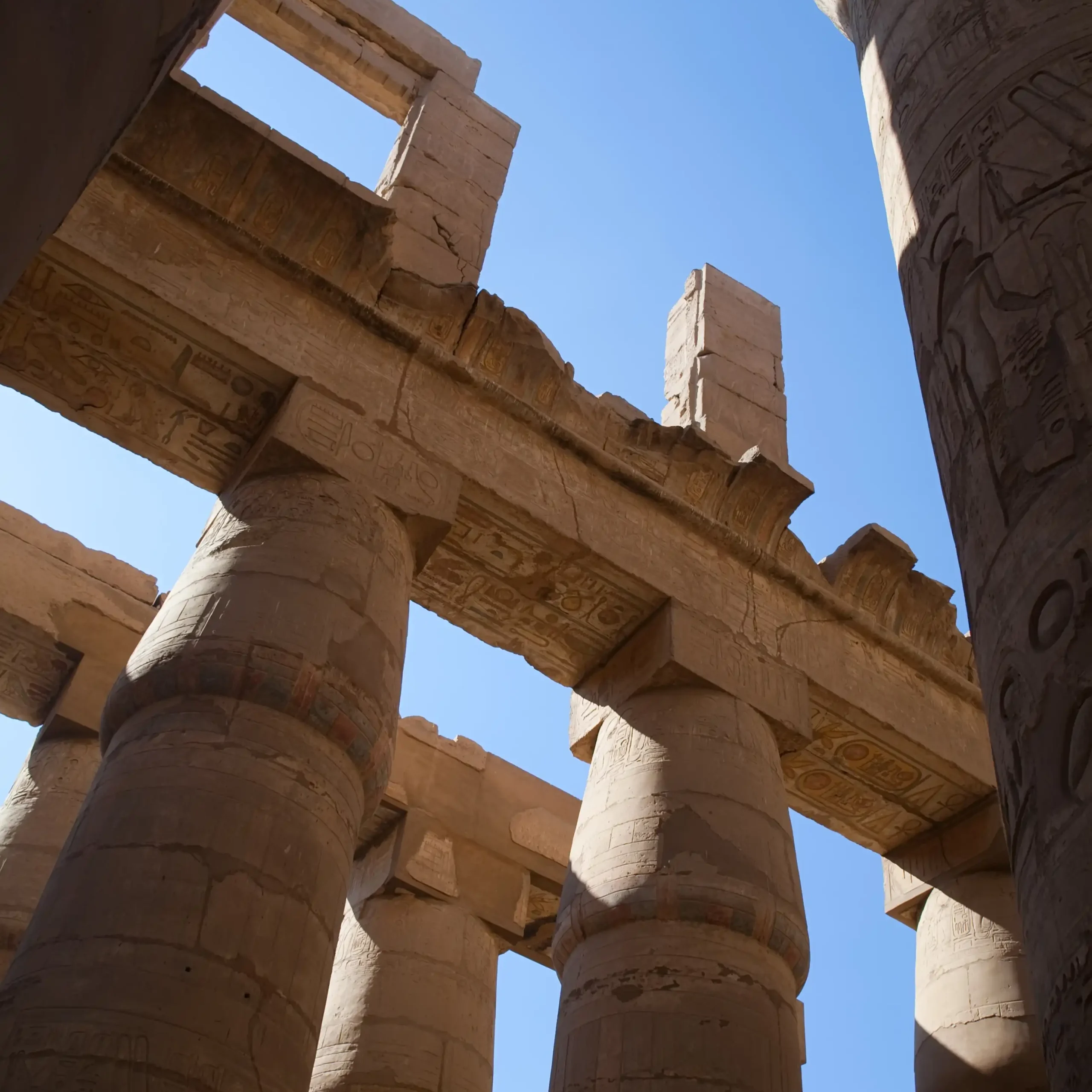
Architecture, Symbolism, and Royal Propaganda
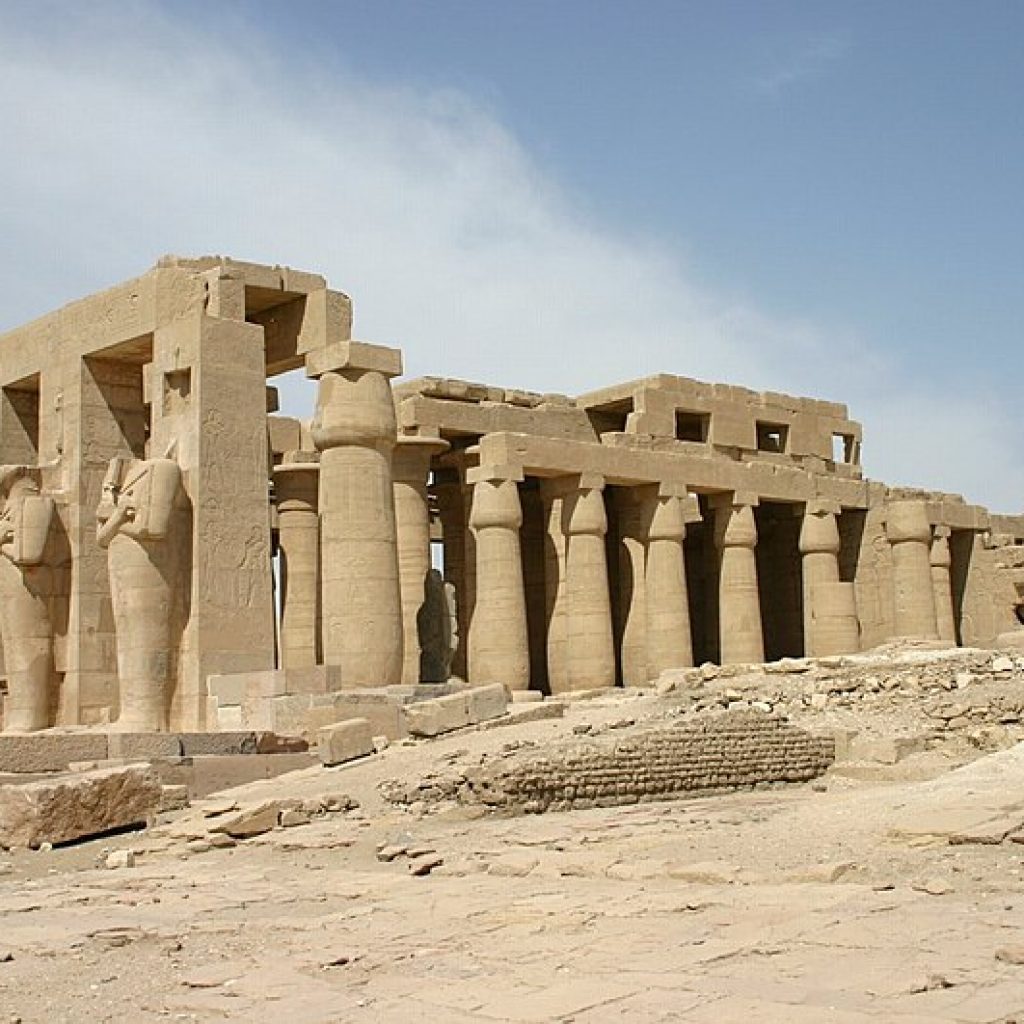
The façade of the temple is dominated by four colossal statues of Ramesses II seated on thrones, flanked by smaller statues of his family. These imposing figures were designed to awe visitors and assert the pharaoh’s divine authority.
Inside, walls are adorned with detailed reliefs depicting Ramesses’ military victories, religious ceremonies, and offerings to the gods. Notable scenes include the famous Battle of Kadesh, illustrating the pharaoh’s might and strategic brilliance. Every carving communicates political propaganda, reinforcing Ramesses II’s role as both protector and god-chosen ruler.
The temple’s interior layout guides visitors through a spiritual journey, transitioning from the human world to the divine presence, culminating in the inner sanctuary where statues of deities and the pharaoh stand together.
- The Abu Simbel Sun Alignment
One of the temple’s most extraordinary features is its astronomical alignment. Twice each year on February 22 and October 22 the rising sun penetrates the temple’s axis to illuminate the statues in the inner sanctuary.
During this event, sunlight strikes statues of Ramesses II, Amun, and Ra-Horakhty, while Ptah, god of darkness, remains in shadow. This precision demonstrates advanced knowledge of astronomy and sacred architecture, emphasizing the temple’s spiritual and cosmic significance. Visitors from around the world time their visits to witness this spectacular natural phenomenon, making it one of the most unique cultural experiences in Egypt.
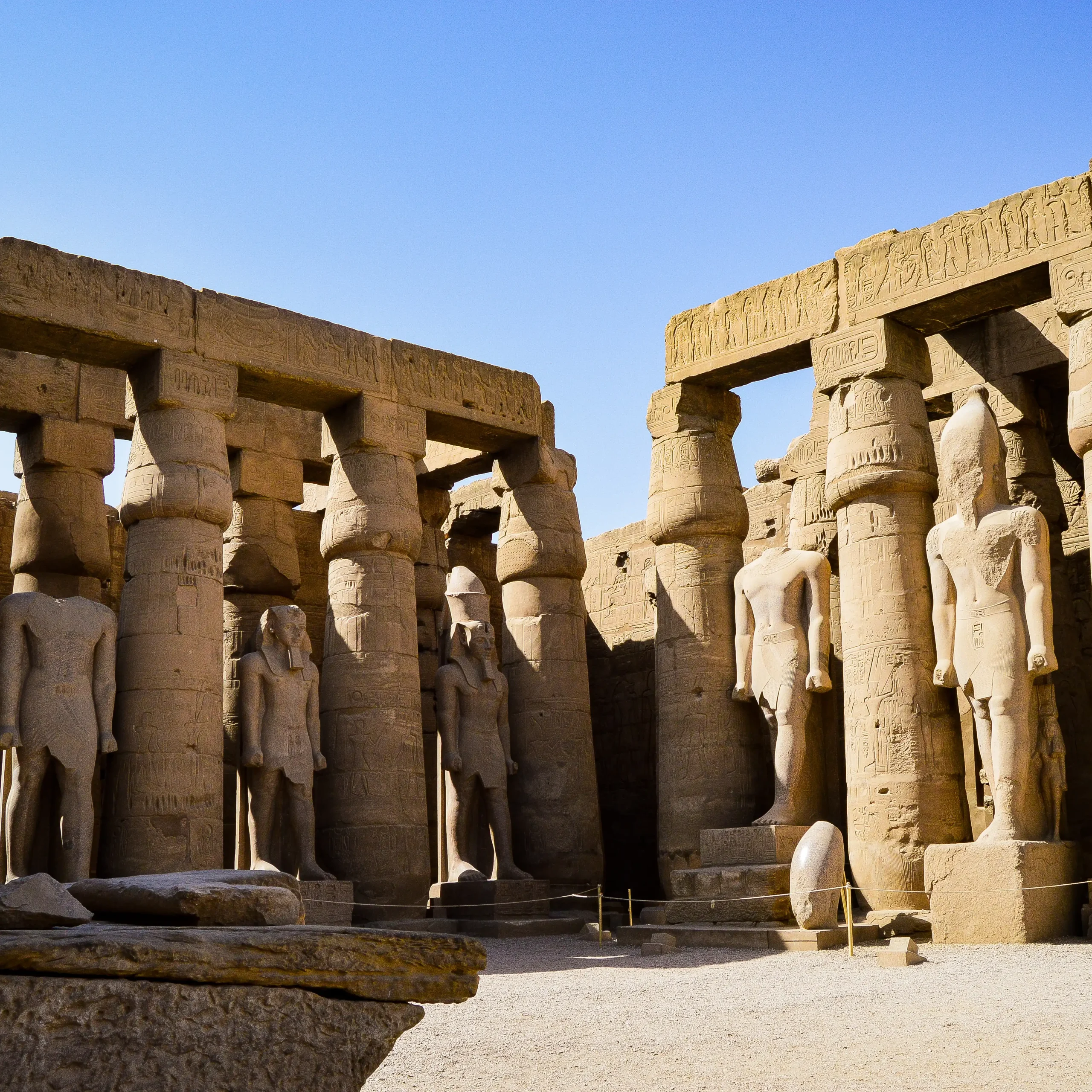
Relocation and Preservation Story
The construction of the Aswan High Dam in the 1960s threatened to submerge Abu Simbel under the rising waters of Lake Nasser. In response, UNESCO led an international campaign to save the temples.
The entire complex was dismantled into over 20,000 individual blocks and reconstructed 65 meters higher on artificial ground, preserving the original orientation and solar alignment. This extraordinary feat preserved not only the temple’s physical structure but also centuries of cultural and religious history.
Today, Abu Simbel stands as both an archaeological marvel and a symbol of international cooperation in heritage preservation.
How to Visit the Temple of Ramesses II
Getting There
- Most travelers visit Abu Simbel from Aswan. Options include:
- Early-morning road convoy: Approximately 3–4 hours from Aswan, offering desert scenery
- Domestic flight: 45-minute flight, ideal for time-conscious travelers
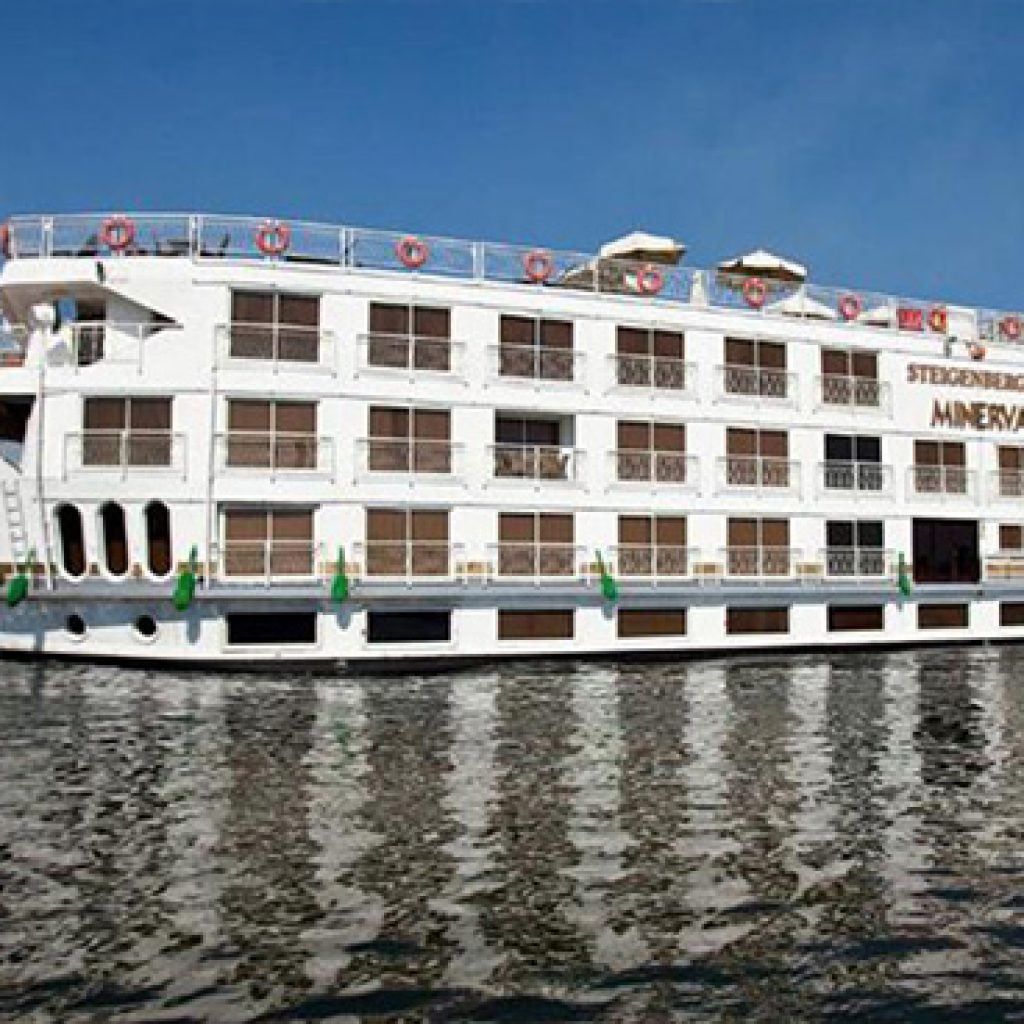
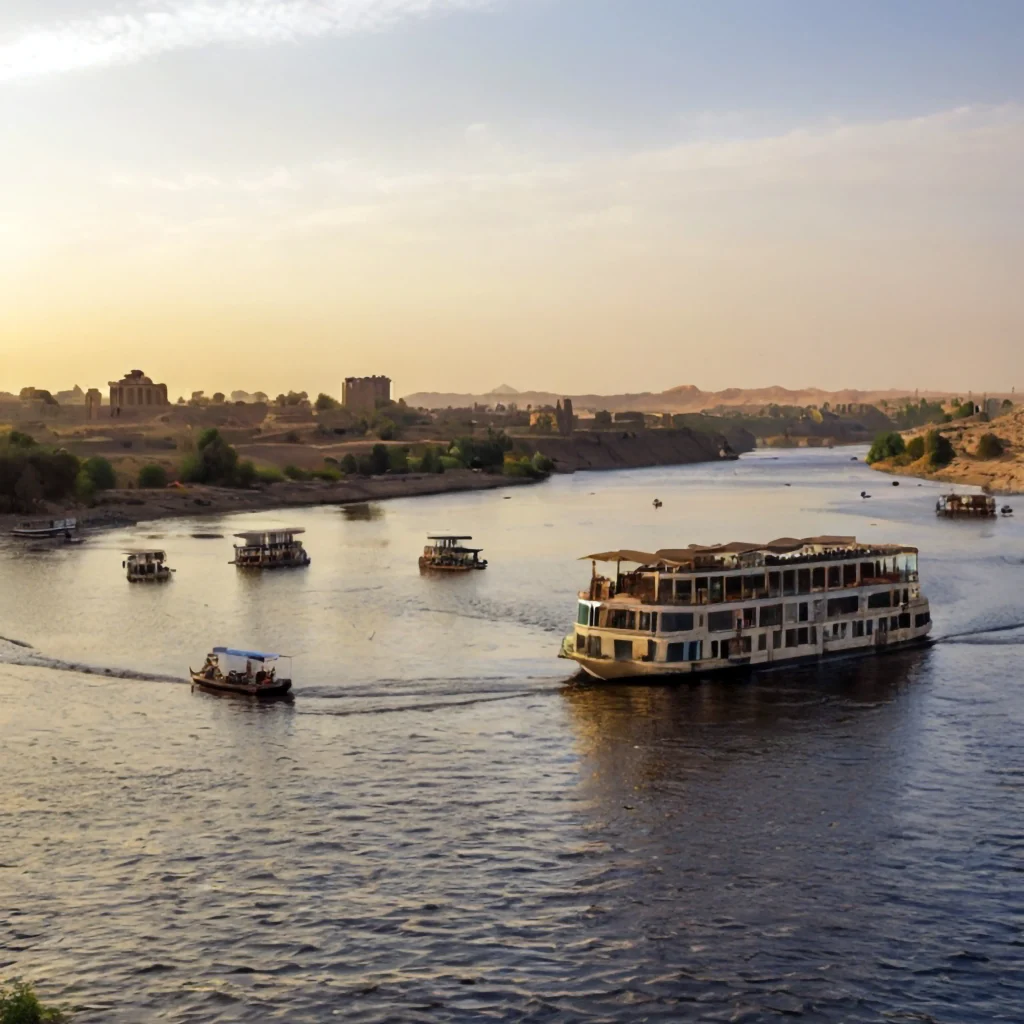
- Lake Nasser cruise: Multi-day cruises include Abu Simbel, combining comfort, scenic views, and historical stops
- Each option offers a unique experience, whether it’s the scenic drive, aerial views, or a leisurely cruise along Lake Nasser.
Best Time to Visit
- October–April: Comfortable weather with minimal heat
- February & October: Best months to witness the Abu Simbel sun alignment
Time Needed
Plan 2–3 hours to explore both the Great Temple and nearby viewpoints. Adding a Lake Nasser cruise or other southern Egypt attractions provides a more immersive experience.
Tips to Know Before You Go
- Start early to avoid crowds and high temperatures
- Bring water, sun protection, and a hat
- Wear comfortable walking shoes
- Photography is allowed (check flash rules inside the sanctuary)
- Book flights, road transfers, or cruises in advance
- Respect barriers, carvings, and preservation rules
- Combine the visit with a Lake Nasser cruise or an Aswan itinerary
Experiencing Abu Simbel in Person
Walking through the temple, surrounded by the colossal statues and intricate reliefs, is unforgettable. The grandeur of the architecture, the desert backdrop, and the peaceful lake environment make it feel like stepping directly into history.
A Lake Nasser cruise that includes Abu Simbel offers even more depth: quiet mornings, uninterrupted desert and water views, and access to nearby lesser-known temples such as Amada, Kalabsha, and Wadi El Seboua. The slow pace of the cruise allows for reflection, photography, and an immersive cultural experience.
FAQs
Yes. It is the Great Temple at Abu Simbel, dedicated to Ramesses II and major Egyptian gods.
Twice yearly, sunlight illuminates statues in the inner sanctuary with remarkable precision.
Approximately 280 km south of Aswan. Travel is typically by flight, road convoy, or cruise.
Yes. The temple was reconstructed exactly as it stood before, preserving alignment and structure.
Yes. Many travelers combine it with a Lake Nasser cruise or other southern Egypt tours for a full experience.
0 Comment