
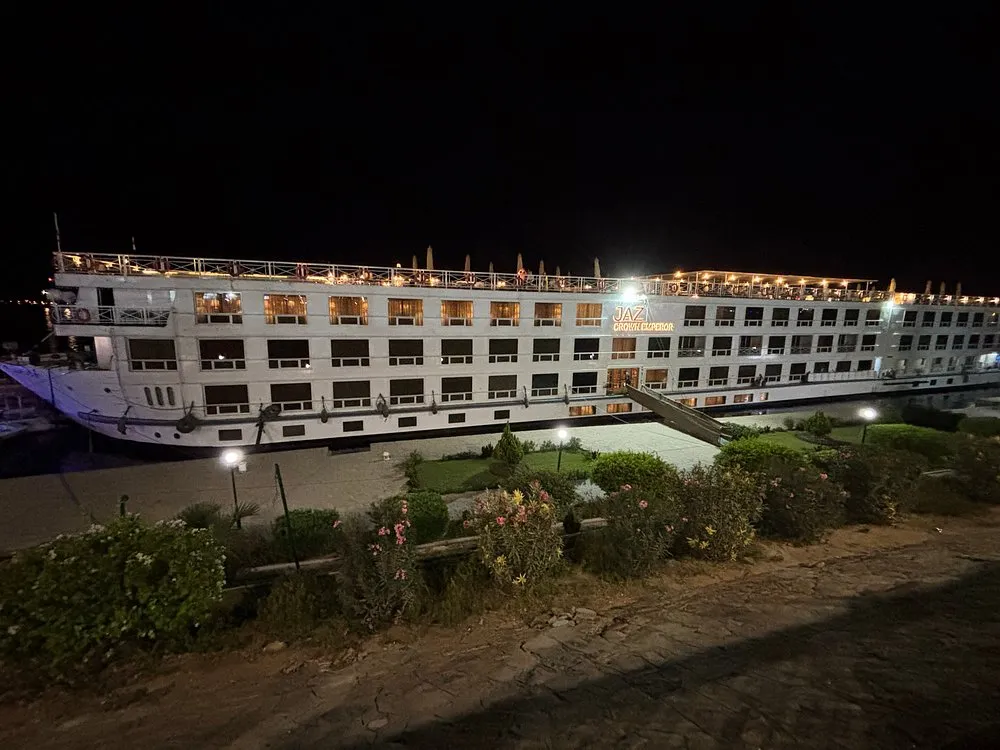

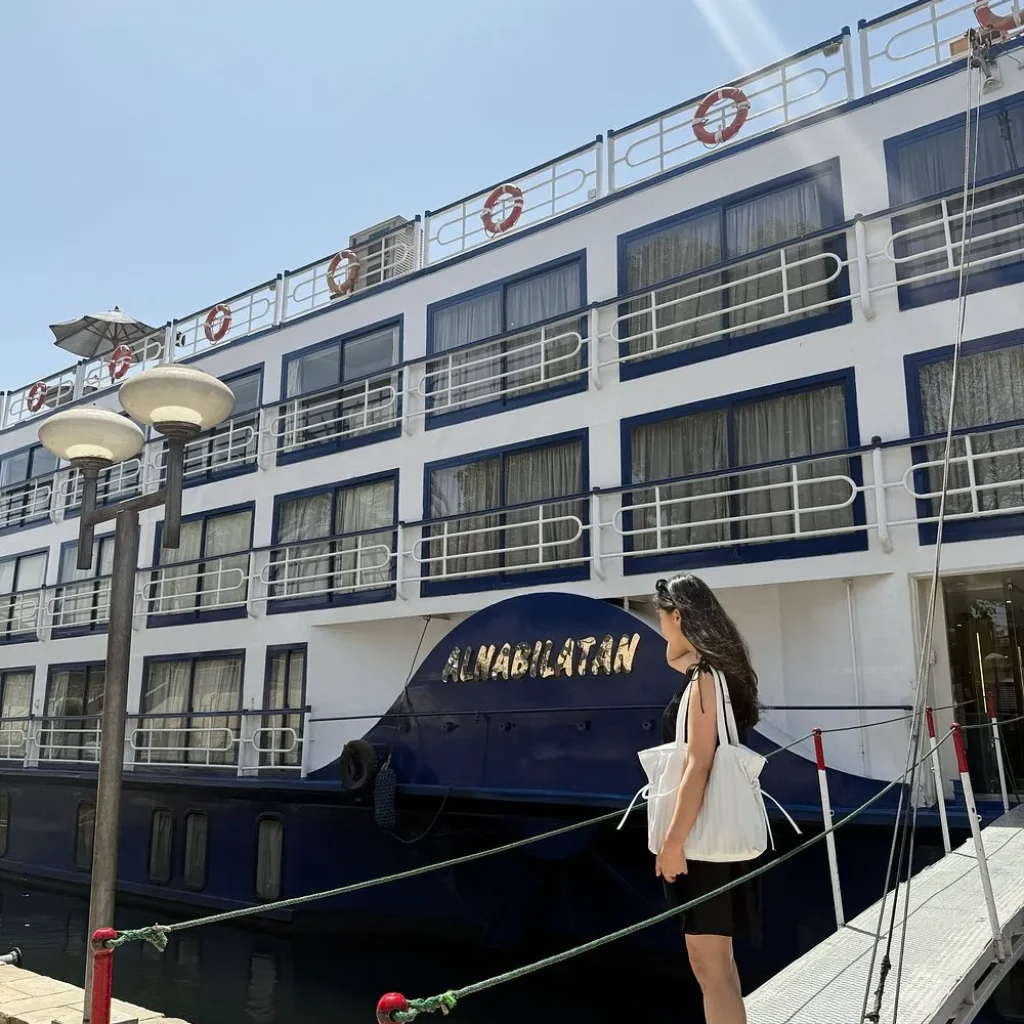
Most first-time travelers picture Egypt through the Pyramids, the Sphinx, Luxor, and a classic Nile cruise. Those icons deserve their fame, but they are only the beginning. Egypt also has desert monasteries, whale fossils, salt lakes, palm-filled oases, Roman fortresses, Nubian villages, empty temples, mountain trails, and Red Sea coastlines where the rhythm feels quieter.
This guide is for travelers who want egypt off the beaten path without missing the depth that makes the country unforgettable. Instead of building the trip around only Cairo, Giza, Luxor, and Aswan, this route moves through Alexandria, Fayoum, the Western Desert, lesser-known Nile Valley temples, and quieter Red Sea landscapes.
The result is a hidden egypt itinerary for curious travelers who prefer stories, scenery, and local texture over a standard checklist. It still includes practical structure, comfortable pacing, and realistic travel advice, but the focus is on lesser known egypt, where the silence between sites can feel as powerful as the monuments themselves.
Why Choose an Alternative Egypt Route?
Alternative egypt travel is ideal if you have already seen the major highlights or if you want a more layered first trip. The country is full of places that reveal different chapters of Egyptian history: Greco-Roman Alexandria, prehistoric Fayoum, desert monasticism, oasis life, Coptic heritage, and the long caravan routes of the Western Desert.
This type of journey also helps you avoid the feeling of moving with the same tourist crowds every day. You will still need good planning, licensed guides, and reliable drivers, but you can enjoy a slower, more personal rhythm.
Choosing egypt off the beaten path does not mean rough travel all the way. Some days can be adventurous, especially in the desert, while others can be comfortable and relaxed. The key is balancing remote areas with good hotels, expert support, and enough time between long drives.
Who Is This 12-Day Itinerary Best For?
This itinerary is best for travelers who enjoy archaeology, landscapes, culture, photography, and quiet places. It suits second-time visitors especially well, but adventurous first-time visitors can also use it if they are comfortable skipping or shortening the classic route.
It is ideal for:
- Travelers who want fewer crowds
- Photographers seeking unusual landscapes
- Culture lovers interested in local life
- Couples wanting a memorable slow journey
- Families with older children or teenagers
- Repeat visitors looking for a deeper Egypt
It is less suitable for travelers who mainly want luxury resorts, nightlife, or a simple beach holiday.
Best Time for Egypt Off the Beaten Path
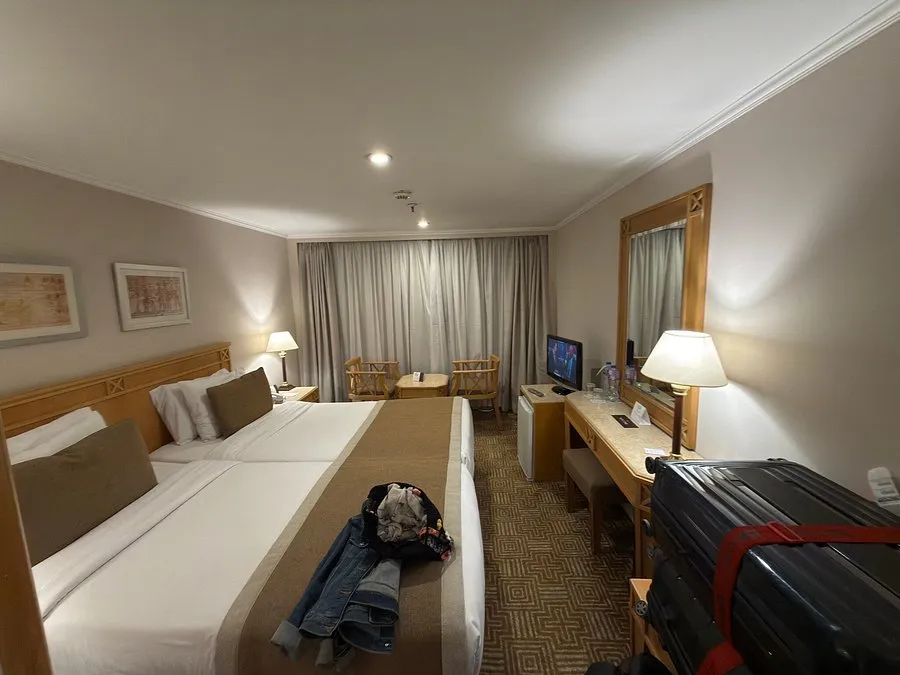
The best time for this route is usually October to April. During these months, desert travel is more comfortable, walking is easier, and the heat is less intense. Winter nights in the desert can be cold, so layers are important.
Spring and autumn are especially good for the Western Desert and Fayoum. Summer is possible on the Mediterranean and Red Sea, but it can be very hot inland. If you travel from May to September, start early, drink water constantly, and choose accommodations with strong air conditioning.
12-Day Off-the-Beaten-Path Egypt Itinerary
Day 1: Arrive in Cairo and Settle In
Arrive in Cairo and keep the first day simple. Instead of rushing straight to the Pyramids, settle into your hotel, recover from the flight, and take a gentle evening walk in Zamalek, Garden City, or along the Nile.
If you want a soft cultural start, book a food tour focused on local dishes such as koshari, hawawshi, molokhia, grilled meats, and fresh juices. This gives you a human introduction to Egypt before the long drives and remote sites begin.
Stay overnight in Cairo or Giza, depending on your arrival time and hotel preference.
Day 2: Islamic Cairo and the City of the Dead
Start with Islamic Cairo rather than the Pyramids. Walk along Al-Muizz Street, visit historic mosques, see medieval gates, and explore the atmosphere around Khan El Khalili before the market gets too busy.
In the afternoon, visit the Northern Cemetery, often called part of Cairo’s City of the Dead. Go only with a knowledgeable local guide, as this is a living neighborhood as well as a historic cemetery. The visit should be respectful, quiet, and focused on architecture, history, and local context.
This day shows a different side of Cairo: not just monuments, but a layered city where daily life, devotion, memory, and heritage exist side by side.
Day 3: Alexandria Beyond the Corniche
Drive or take the train to Alexandria, Egypt’s Mediterranean city. Many visitors come only for a quick library photo, but Alexandria deserves a full day.
Visit the Catacombs of Kom El Shoqafa, Pompey’s Pillar, the Roman Amphitheatre, and the Bibliotheca Alexandrina. The modern library is a major cultural center with museums, exhibitions, and reading spaces, and its official visitor information is worth checking before planning opening times.
In the afternoon, explore Anfushi, local seafood restaurants, or the area around Fort Qaitbay. Alexandria feels different from Cairo: saltier, breezier, and shaped by layers of Egyptian, Greek, Roman, and Mediterranean history.
Overnight in Alexandria.
Day 4: Rosetta or Wadi El Natrun Monasteries
Today, choose between two rewarding side trips. Rosetta, known locally as Rashid, is famous for Ottoman-era houses, Nile Delta scenery, and its connection to the Rosetta Stone. It is a strong option for travelers interested in architecture and overlooked Delta towns.
Alternatively, visit Wadi El Natrun, a desert valley known for historic Coptic monasteries. This route is especially meaningful for travelers interested in Christian heritage and monastic life.
Return toward Cairo or stay near the road west, depending on your next day’s route to Fayoum. This is where a private driver becomes very useful because public transport connections can be slow and complicated.
Day 5: Fayoum, Tunis Village, and Lake Qarun
Leave Cairo for Fayoum, one of the most rewarding areas for alternative egypt travel. It is close enough to the capital to reach by road, yet it feels worlds away, with lakes, pottery studios, farmland, desert edges, and ancient sites.
Visit Tunis Village, known for ceramics and relaxed guesthouses. Continue to Lake Qarun, one of Egypt’s oldest natural lakes, and enjoy the slower countryside atmosphere. If time allows, visit Karanis, the remains of a Greco-Roman town with temples and mudbrick structures.
Spend the night in a Fayoum lodge or eco-style guesthouse. The slower pace will help you feel the shift from city to desert.
Day 6: Wadi El Hitan and Wadi El Rayan
Today is one of the highlights of this hidden egypt itinerary. Travel into the desert to visit Wadi El Hitan, or Whale Valley, a UNESCO World Heritage Site known for fossil remains that show an important stage in the evolution of whales from land-based ancestors to ocean mammals.
Continue to Wadi El Rayan, famous for lakes, desert scenery, and waterfalls created by the meeting of two lakes. The landscapes here are open, cinematic, and very different from the Nile Valley.
Return to Fayoum for the night. Bring sunscreen, water, a hat, and comfortable shoes because shade can be limited.
Day 7: Bahariya Oasis and the Black Desert
Drive from Fayoum toward Bahariya Oasis, one of the gateways to Egypt’s Western Desert. The journey is long, but the scenery begins to change as the road moves deeper into desert country.
After arrival, visit the Black Desert, where volcanic-looking hills rise from golden sand. Depending on timing, you may also visit local hot springs or the small oasis town of Bawiti.
This region is a good introduction to lesser known egypt because it combines desert geology, oasis life, and a strong sense of distance from the usual tourist circuit.
Overnight in Bahariya or at a desert camp arranged by a licensed operator.
Day 8: White Desert Camping
Continue into White Desert National Park, part of the Farafra depression and known for its pale chalk formations, white sand, and surreal rock shapes. The landscape is one of Egypt’s most extraordinary natural sights.
On the way, stop at Crystal Mountain and the Agabat area if your desert route includes them. By late afternoon, reach a camping area and watch the formations change color as the sun drops.
A night in the White Desert is unforgettable. The silence is deep, the stars feel close, and the strange white rocks can look like animals, towers, or sculptures. Travel only with experienced desert drivers and proper permits.
Day 9: Farafra and Dakhla Oasis
Wake early in the White Desert, then continue toward Farafra Oasis. Visit the small town, local springs, or the Badr Museum if time allows. Then drive on to Dakhla Oasis, one of the most atmospheric oases in Egypt.
Dakhla is known for palm groves, mudbrick villages, hot springs, and historic settlements. Visit Al Qasr, a medieval Islamic village with narrow lanes, carved wooden doors, and old houses built from mudbrick.
Overnight in Dakhla. After the open desert, the oasis feels green, shaded, and quietly lived in.
Day 10: Kharga Oasis and the Road to Luxor
Drive from Dakhla to Kharga Oasis, stopping at sites such as Bagawat Cemetery, Hibis Temple, or Roman-era remains depending on timing and access. Kharga was an important point on ancient desert routes, and the landscape still feels connected to caravan history.
Continue toward Luxor, arriving in the evening. This is a long travel day, so do not overload it with too many stops.
Luxor may be famous, but arriving from the oases gives it a different meaning. You understand more clearly how the Nile Valley and the desert were connected by trade, movement, faith, and survival.
Day 11: Dendera and Abydos
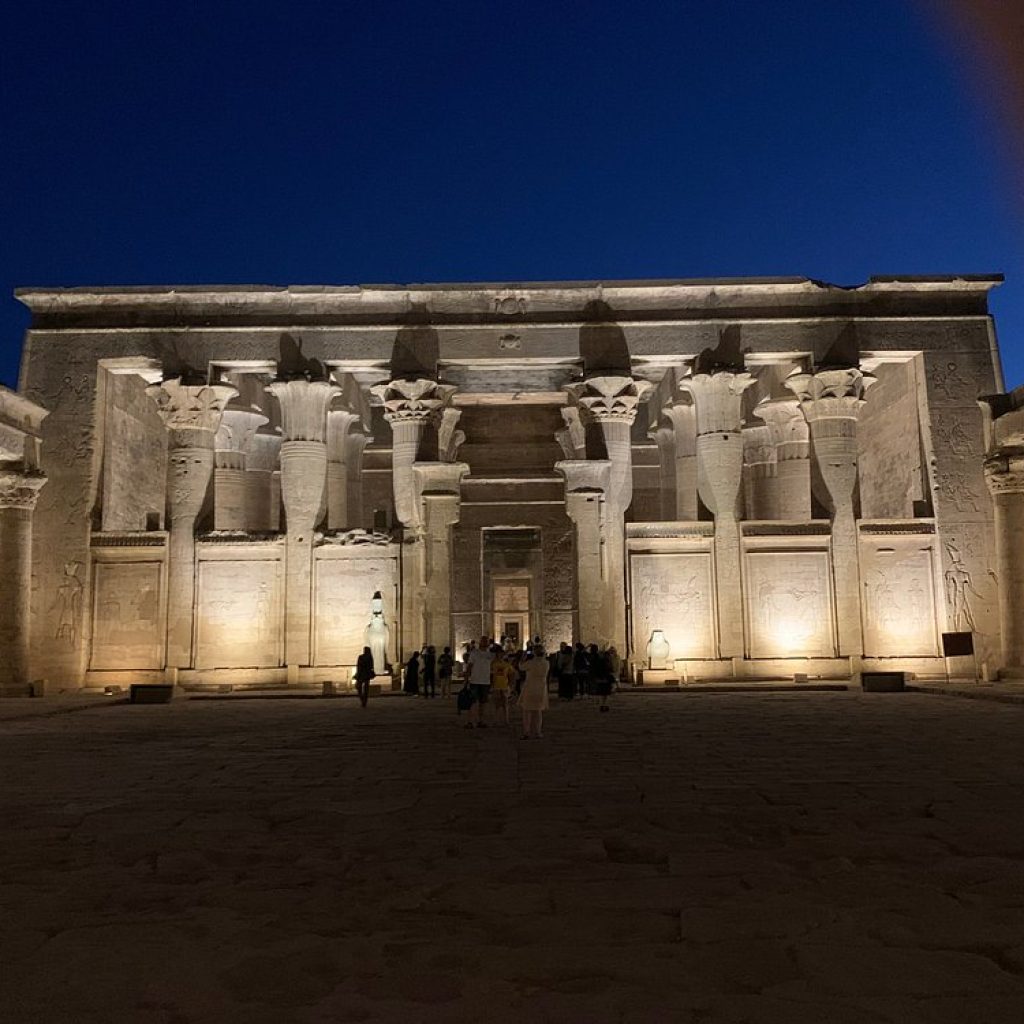
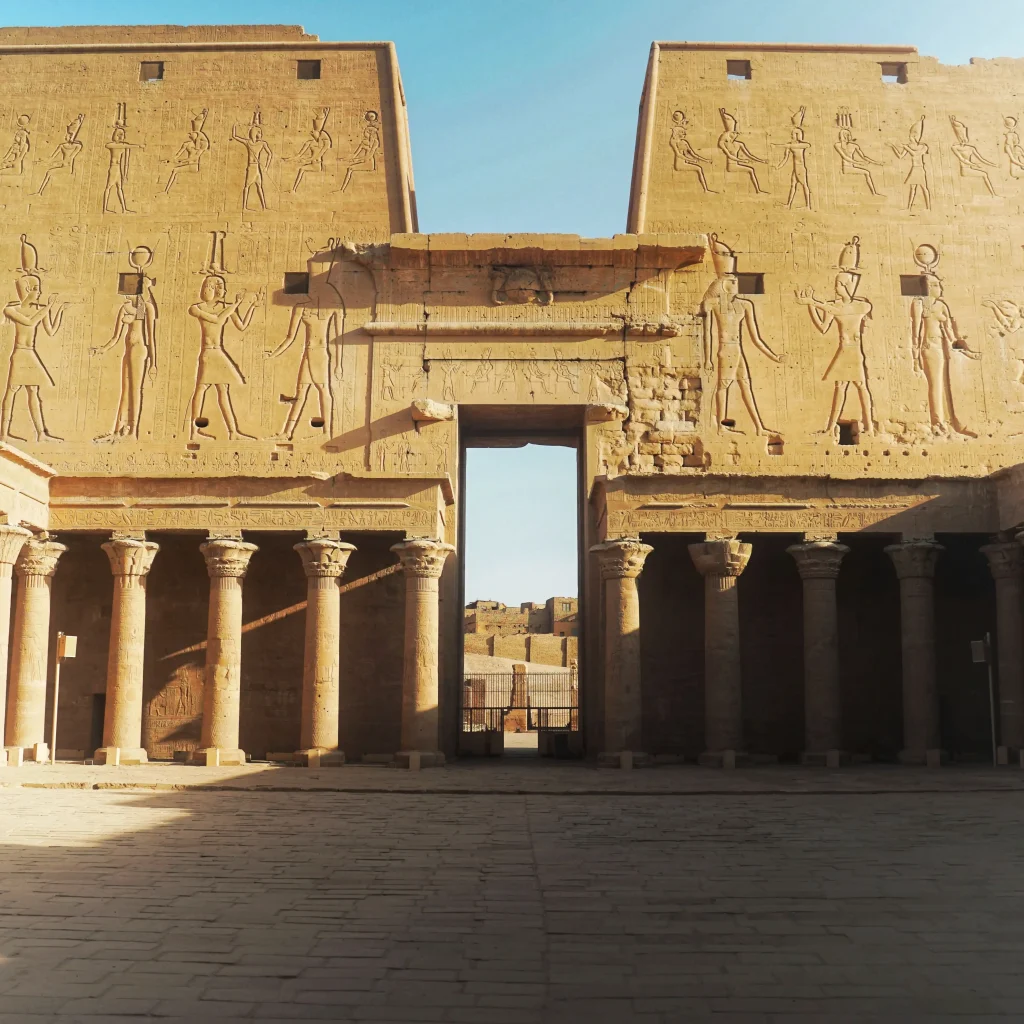
Instead of repeating the most crowded Luxor route, take a day trip north to Dendera and Abydos. Dendera’s Temple of Hathor is one of the best-preserved temples in Egypt, with beautiful columns, ceiling details, crypts, and astronomical scenes.
Abydos is one of ancient Egypt’s most sacred sites and is strongly associated with Osiris. The Temple of Seti I is famous for elegant reliefs and a deeply spiritual atmosphere.
This day is perfect for travelers who want egypt off the beaten path while still experiencing major ancient history. The sites are impressive, but they often feel calmer than Luxor’s headline attractions.
Return to Luxor for the night.
Day 12: Esna, El Kab, or a Quiet Red Sea Finish
On your final day, choose the ending that best fits your route. If you stay near Luxor, visit Esna Temple, which has beautifully restored ceiling colors and a town setting that feels more local than many major sites.
Another option is El Kab, an ancient site north of Edfu with tombs, remains, and desert-edge scenery. It is rewarding for travelers interested in archaeology without crowds.
If your trip continues, transfer to the Red Sea around Marsa Alam or Wadi El Gemal for a quiet beach extension. This is a beautiful way to end a journey through desert, oasis, and Nile Valley landscapes.
Practical Planning Tips
A trip like this needs more preparation than a standard Egypt package. Roads can be long, desert permits may be required, and some areas need experienced local operators. Do not attempt remote desert routes without professional support.
Book a private driver or specialized tour company for the Western Desert sections. Confirm accommodation quality in oases, as options are more limited than in Cairo or Luxor. Carry cash, snacks, water, sunscreen, layers, a power bank, and copies of your passport.
Also check visa requirements before travel. Egypt’s official e-Visa portal advises travelers to apply at least seven days before departure, and rules can vary by nationality.
Responsible Travel in Lesser-Known Egypt
Traveling through quieter regions comes with responsibility. Many places on this route are not built for heavy tourism, so respectful behavior matters.
Ask before photographing people, dress modestly in villages and religious sites, avoid leaving waste in the desert, and listen to local guidance around protected areas. In fragile landscapes such as Wadi El Hitan and the White Desert, stay on approved routes and do not touch fossils or rock formations.
Responsible travel helps protect the qualities that make lesser known egypt so special: silence, authenticity, fragile heritage, and living communities.
Where This Route Can Be Customized
This itinerary can be adjusted in several ways. If you want more comfort, reduce the number of oasis nights and add Alexandria or Luxor. If you love desert travel, extend Bahariya, Farafra, and Dakhla.
If you want more coast, end in Marsa Alam, Wadi El Gemal, or El Quseir. If you want more archaeology, add Amarna, Beni Hasan, or more time around Abydos and Dendera.
The best version depends on your pace. A hidden route should feel curious and immersive, not exhausting.
How to Balance Comfort and Adventure
Because this route includes cities, oases, desert camps, and long road transfers, comfort planning matters. Mix simple guesthouses with better hotels where possible, especially after camping nights. Ask about bathroom arrangements, vehicle type, meal stops, and backup plans before confirming the desert section.
A good itinerary should also include recovery time. Do not schedule sunrise hikes, full-day drives, and late dinners back to back. The most memorable moments often happen when there is space to pause: tea in an oasis, sunset over dunes, or a quiet conversation with your guide. along the way slowly.
Common Questions About Alternative Egypt Travel
Is Egypt off the beaten path safe for travelers?
It can be safe with proper planning, licensed guides, reliable drivers, and updated route advice. Remote areas require more preparation than major cities, so do not self-drive into the desert without expert support.
Can first-time visitors follow this itinerary?
Yes, but only if they are comfortable missing some classic highlights. First-time travelers who want the Pyramids and Luxor should add extra days or combine this route with a shorter classic introduction.
Do I need a guide for the Western Desert?
Yes, a specialist operator is strongly recommended. Desert travel requires route knowledge, permits, suitable vehicles, supplies, and experience with changing conditions.
What should I pack?
Pack breathable clothing, layers, walking shoes, sun protection, a hat, reusable water bottle, flashlight, power bank, modest outfits, and a warm layer for desert nights.
Is this route suitable for families?
It is best for families with older children or teenagers who enjoy nature, history, and long drives. Younger children may find the desert sections tiring.
Discover Egypt Beyond the Icons
Egypt is much bigger than its most famous photographs. Beyond the main sites, you find whale fossils in the desert, monasteries on ancient routes, Mediterranean neighborhoods, pottery villages, oasis towns, sacred temples, and nights when the sky feels wider than the land.
This 12-day route is not about avoiding Egypt’s icons because they are unworthy. It is about seeing another layer of the country, one shaped by silence, distance, local craft, forgotten towns, and landscapes that reward patience.
For travelers seeking egypt off the beaten path, this journey offers a deeper, slower, and more textured way to understand Egypt. It shows that the country’s magic is not limited to the places everyone already knows.



0 Comment