

Planning your outfits is an important part of preparing for a trip to Egypt. While the country welcomes millions of international visitors every year, clothing expectations can differ depending on where you are, what you are doing, and the season. Dressing appropriately helps you stay comfortable in the climate, respect local customs, and enjoy attractions without unnecessary attention or inconvenience.
If you’re wondering what to wear in Egypt, the good news is that there is no single outfit that works everywhere. Clothing suitable for relaxing at a Red Sea resort may not be appropriate inside a historic mosque, while lightweight clothes perfect for exploring temples during the day might need an extra layer for cooler desert evenings. Understanding these differences before you travel makes packing much easier.
This guide explains what to wear in Egypt for major tourist sites, cities, religious attractions, beaches, Nile cruises, desert adventures, and everyday sightseeing. It also covers seasonal clothing advice, practical packing tips, and common mistakes visitors should avoid so you can travel confidently throughout Egypt.
Understanding the Egypt Dress Code
One of the first questions travelers ask concerns the egypt dress code. Egypt is considered a relatively conservative country, although expectations vary significantly between destinations. International beach resorts, luxury hotels, and tourist areas often feel more relaxed than residential neighborhoods or religious sites.
For most visitors, modest clothing is appreciated rather than strictly enforced. Wearing clothes that cover the shoulders and knees in many public places helps visitors blend in while showing respect for local customs. Men and women are generally free to wear comfortable tourist clothing, but revealing outfits may attract unwanted attention in some locations.
Fortunately, dressing respectfully does not mean sacrificing comfort. Breathable fabrics, loose-fitting clothing, and lightweight layers work well in Egypt’s warm climate while remaining appropriate for most sightseeing activities.
Weather Matters More Than You Think
Egypt enjoys sunshine throughout much of the year, but temperatures vary depending on both the season and the destination.
Summer temperatures can become extremely hot, particularly in Upper Egypt around Luxor and Aswan, where daytime temperatures frequently exceed 100°F (38°C). Winter is much milder, making it one of the most popular seasons for sightseeing.
Even during warm months, evenings may become surprisingly cool in desert regions. Air-conditioned buses, hotels, museums, and cruise ships can also feel chilly after spending hours outdoors.
Packing several lightweight layers gives you flexibility throughout the day without carrying heavy clothing.
Best Fabrics for Egypt
Fabric choice often matters more than fashion.
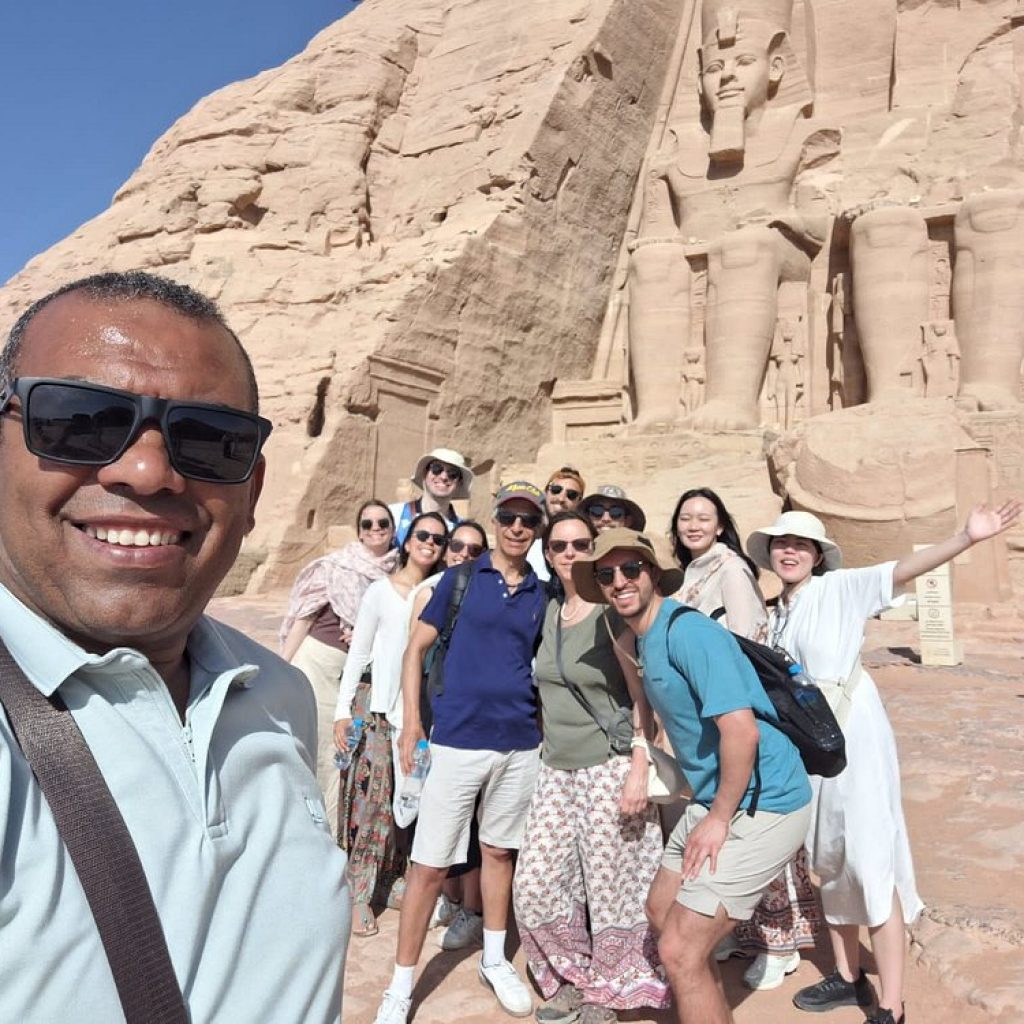
Natural materials like cotton and linen allow better airflow, helping your body stay cooler during long days of sightseeing. Moisture-wicking performance fabrics can also work well, especially for active travelers exploring archaeological sites.
Avoid thick synthetic materials that trap heat and become uncomfortable during extended outdoor walks.
Loose clothing generally feels cooler than tight-fitting outfits because it allows air to circulate more freely.
What Women Should Wear
Women visiting Egypt have considerable freedom in choosing their clothing, particularly in tourist areas. However, modest outfits usually provide the most comfortable experience.
Loose trousers, maxi skirts, midi dresses, lightweight blouses, cotton shirts, and breathable tops with sleeves are excellent choices for everyday sightseeing.
Tank tops, short shorts, crop tops, and very low-cut clothing are acceptable at some beach resorts but may attract additional attention elsewhere.
Many female travelers also carry a lightweight scarf. Besides providing sun protection, it becomes useful when entering mosques where covering the hair may be required.
Comfort should remain your priority. Walking several miles across archaeological sites becomes much easier in breathable clothing designed for hot weather.
What Men Should Wear
Men generally have fewer clothing restrictions than women, but modest attire is still appreciated.
T-shirts, polo shirts, linen shirts, lightweight trousers, chinos, and longer shorts are commonly worn by tourists.
Very short athletic shorts are best reserved for beaches, swimming pools, and resort areas.
Sleeveless shirts are acceptable at many resorts but less common when visiting cities, museums, or religious attractions.
Light-colored clothing helps reflect sunlight and can feel noticeably cooler during summer sightseeing.
Comfortable Footwear
Egypt’s historical sites involve a surprising amount of walking.
Visitors often spend hours exploring uneven stone pathways, sandy trails, temple complexes, museum floors, and busy city streets.
Comfortable walking shoes or supportive sneakers are usually the best choice for full sightseeing days.
Sandals work well in hot weather but should provide sufficient support if worn for extended periods.
High heels are generally impractical for archaeological sites due to uneven surfaces.
Visiting Ancient Monuments
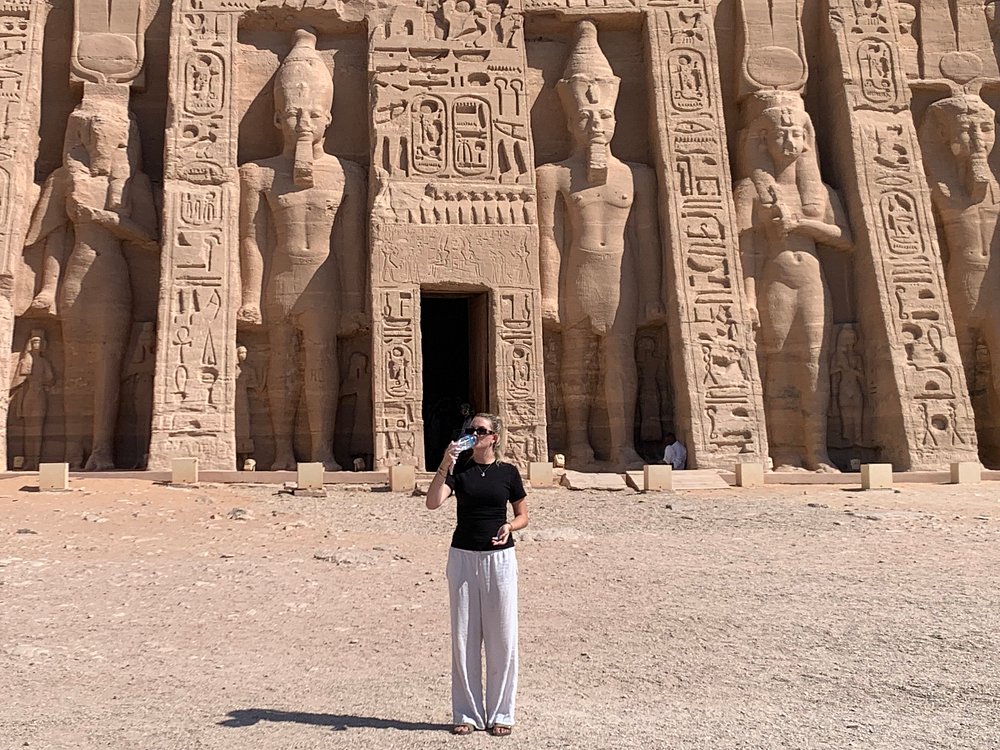
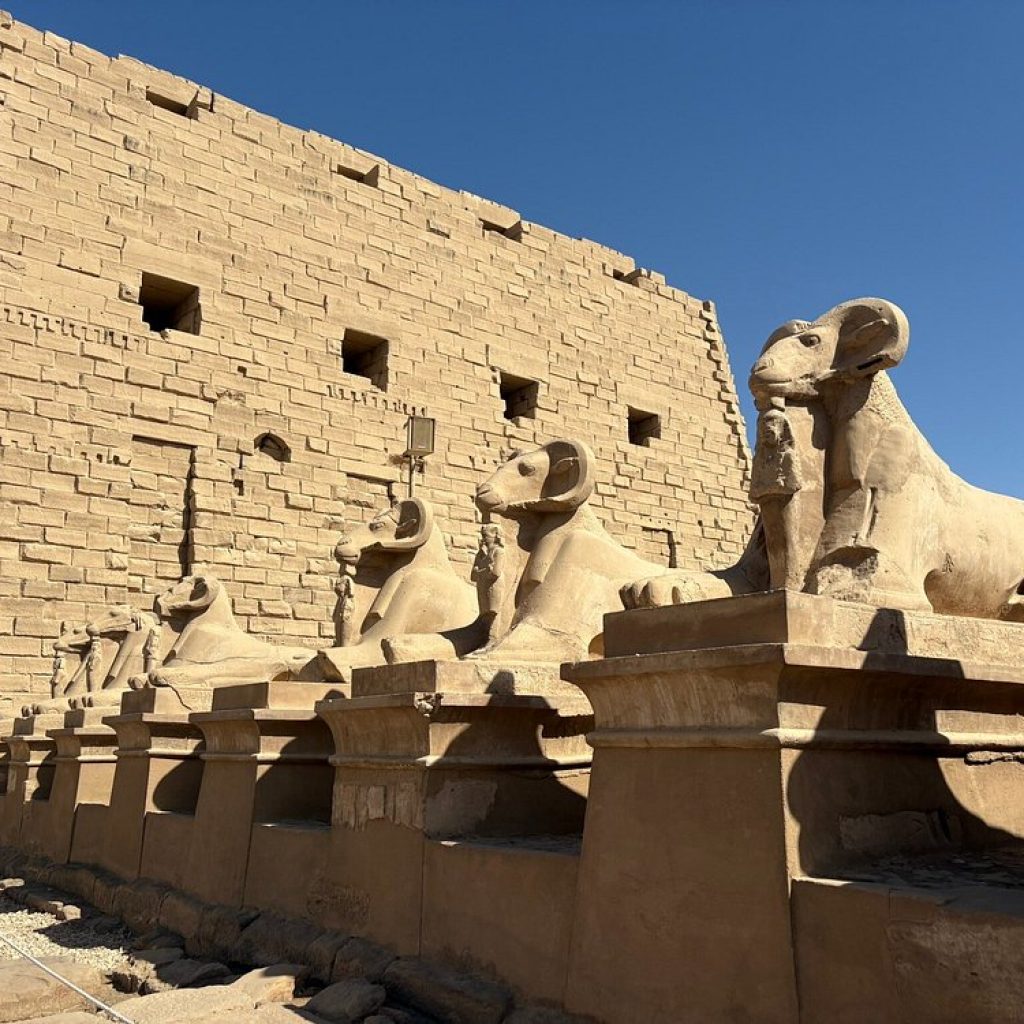
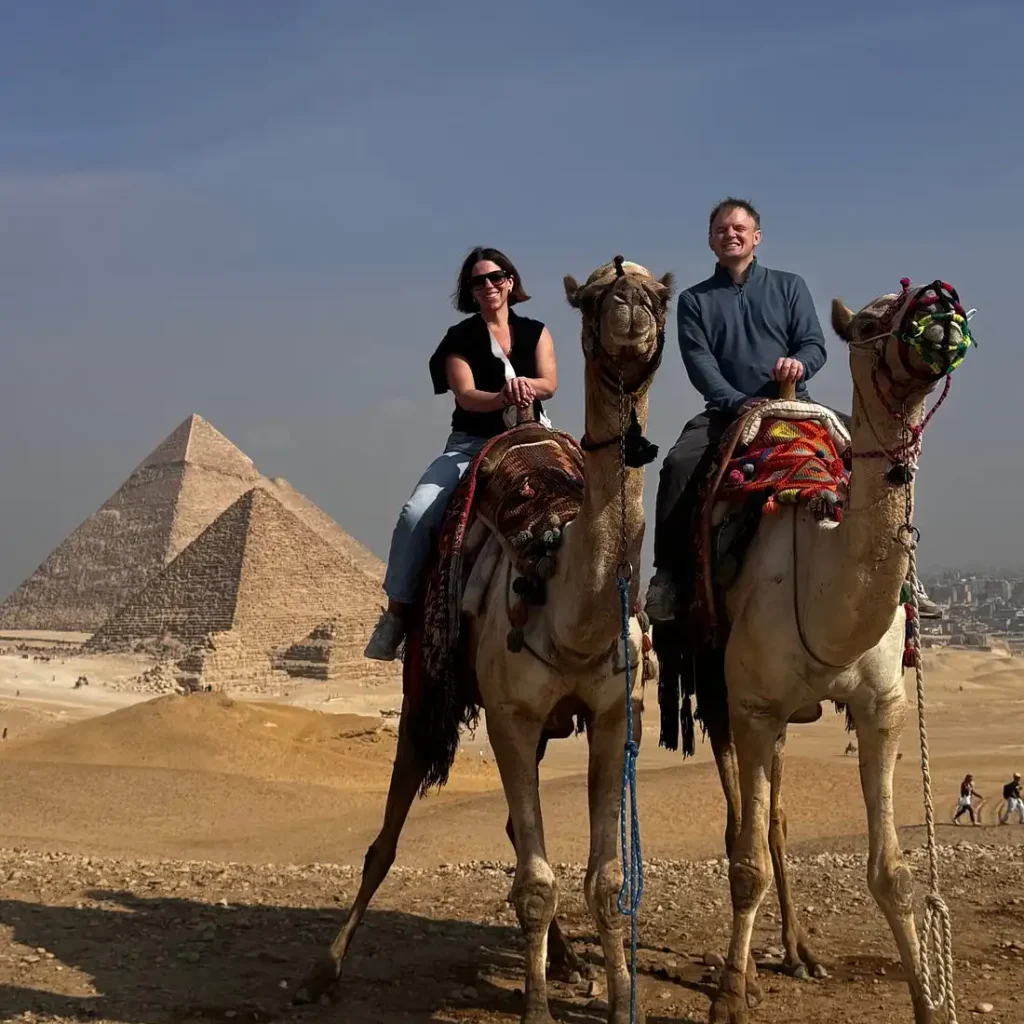
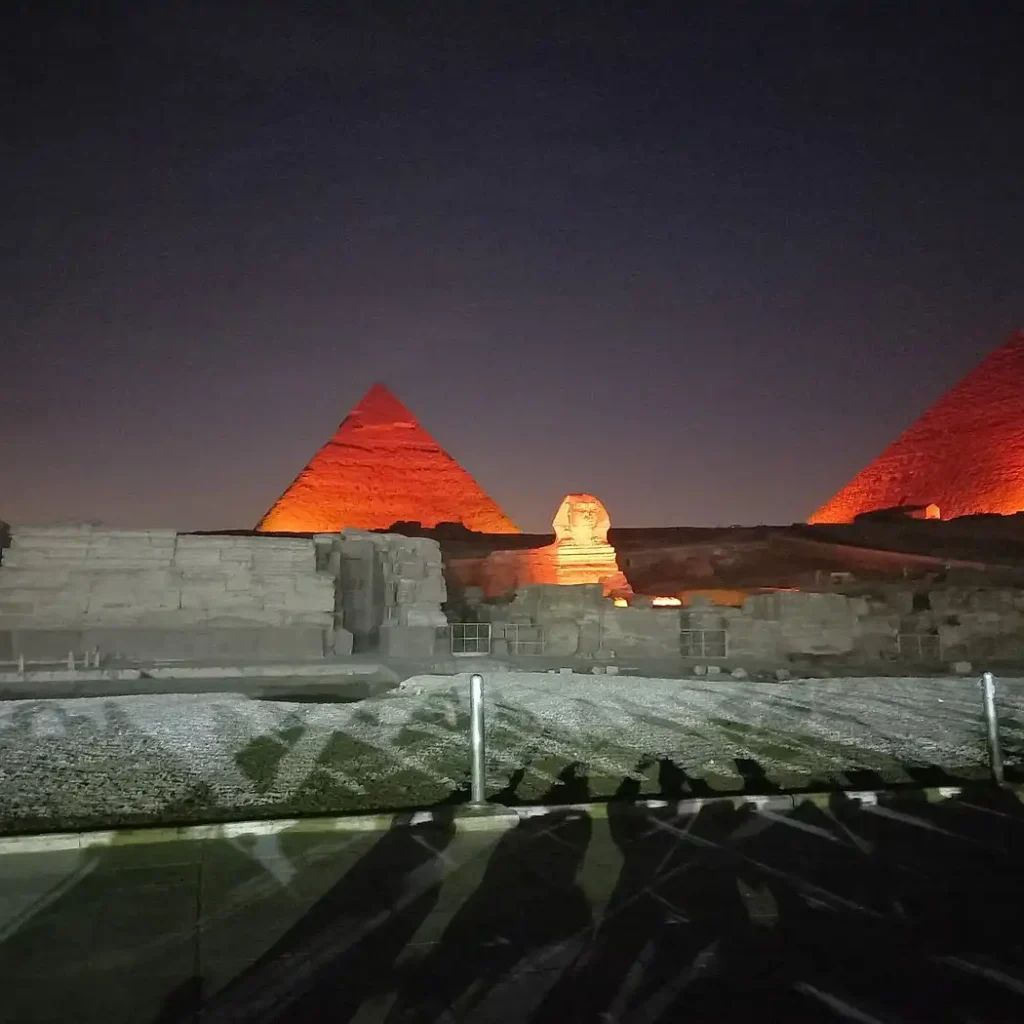
When visiting famous sites like the Pyramids of Giza, Karnak Temple, Abu Simbel, or the Valley of the Kings, practicality matters far more than fashion.
Choose breathable clothing that protects your skin from direct sunlight while allowing easy movement.
Wide-brimmed hats, sunglasses, sunscreen, and reusable water bottles are just as important as your clothing.
Many ancient sites offer very little shade, making lightweight long sleeves surprisingly comfortable because they reduce direct sun exposure.
Dust can also become an issue, especially on windy days, so avoid wearing delicate white fabrics if possible.
What to Wear Inside Mosques
Religious sites require additional attention to clothing.
The egypt dress code for mosques generally expects both men and women to dress modestly.
Women should wear clothing covering their arms and legs while carrying a scarf to cover their hair if required before entering.
Men should avoid sleeveless tops and wear trousers or longer shorts depending on the specific mosque’s guidelines.
Shoes are removed before entering prayer areas, so wearing footwear that is easy to remove makes the process more convenient.
Always observe posted signs and follow instructions provided by mosque staff.
Beach Resorts
Egypt’s Red Sea resorts operate differently from historical cities.
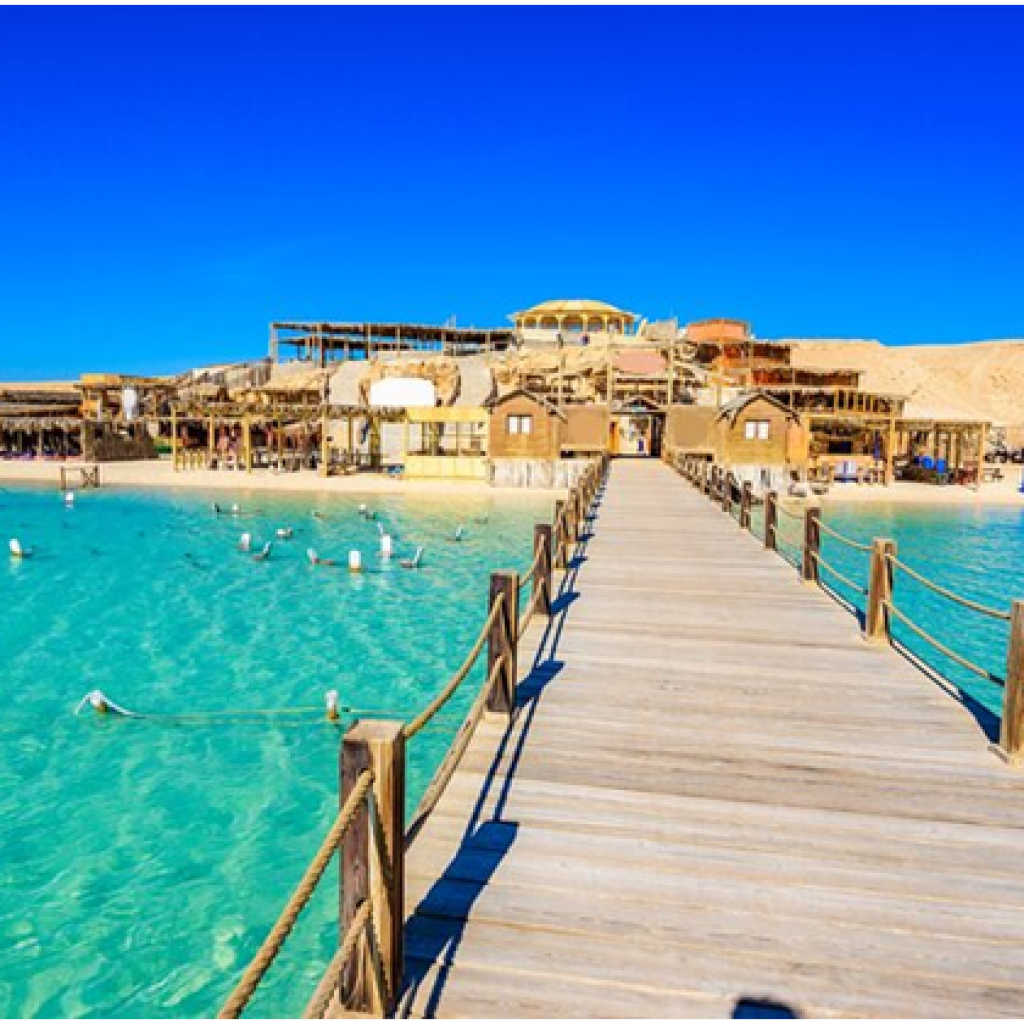
Hotels in destinations like Hurghada, El Gouna, Marsa Alam, and Sharm El Sheikh welcome international tourists and generally follow relaxed resort standards.
Swimwear is perfectly acceptable around hotel pools and private beaches.
However, when leaving the resort to visit restaurants, shops, or nearby neighborhoods, covering up with a dress, shirt, or shorts is considered respectful.
Walking through public streets wearing only swimwear is generally discouraged.
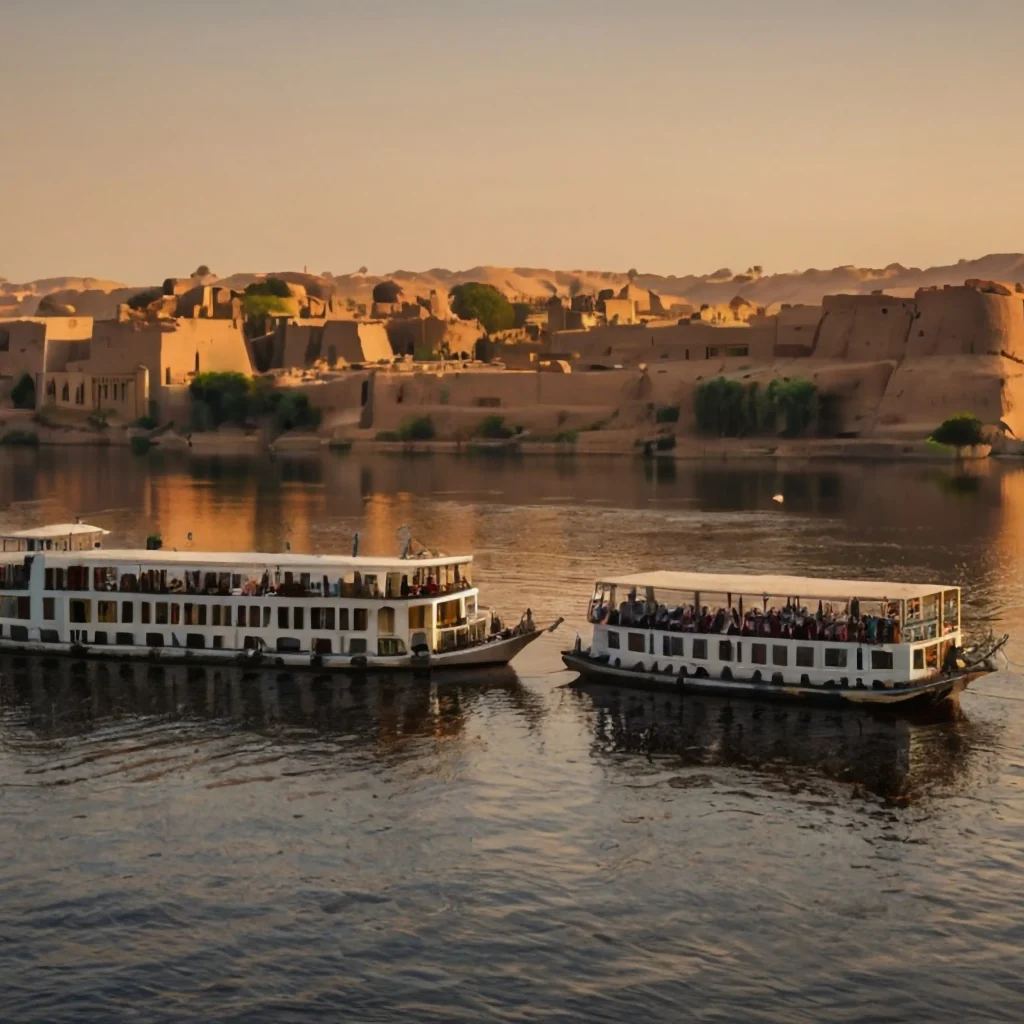
Nile Cruises
Packing for a Nile cruise combines sightseeing with evening relaxation.
During daytime excursions, lightweight sightseeing clothes remain the best choice.
Evenings onboard often feel slightly dressier, although formal clothing is rarely necessary.
Casual dresses, linen trousers, collared shirts, and comfortable sandals usually fit the atmosphere perfectly.
A light sweater or jacket becomes useful on open decks after sunset, particularly during winter.
Desert Adventures
Desert excursions require clothing that protects against both sunshine and blowing sand.
Long sleeves help reduce sun exposure while remaining surprisingly comfortable in dry climates.
A scarf or neck gaiter becomes useful during windy conditions.
Closed shoes prevent sand from entering more effectively than sandals.
Temperatures may fall significantly after sunset, making a lightweight jacket essential even during warmer months.
Egypt Packing Clothes Essentials
Creating your egypt packing clothes checklist becomes much easier once you understand your itinerary.
Pack versatile clothing that can transition between sightseeing, dining, transportation, and evening activities without requiring complete outfit changes.
Neutral colors mix easily while hiding dust better than bright white fabrics.
Choose clothing that dries quickly after washing, especially during longer trips.
Travelers visiting multiple climates within Egypt should prioritize lightweight layers rather than bulky jackets.
Accessories Worth Bringing
Accessories often improve comfort more than extra clothing.
A wide-brimmed hat provides valuable shade throughout long sightseeing days.
Polarized sunglasses reduce glare, especially around desert landscapes and the Nile.
A reusable water bottle helps maintain hydration.
Lightweight scarves serve multiple purposes including sun protection, modesty, warmth during flights, and mosque visits.
Small crossbody bags also keep valuables secure while allowing easy movement through crowded attractions.
Seasonal Packing Advice
Spring and autumn generally offer the most comfortable sightseeing temperatures.
Summer travelers should prioritize lightweight clothing designed for extreme heat.
Winter visitors should include sweaters or light jackets for evenings, early mornings, and air-conditioned transportation.
Rainfall remains limited across much of Egypt, meaning waterproof clothing is rarely essential.
Regardless of season, comfortable walking clothes should always occupy most of your suitcase.
Dressing for Different Cities
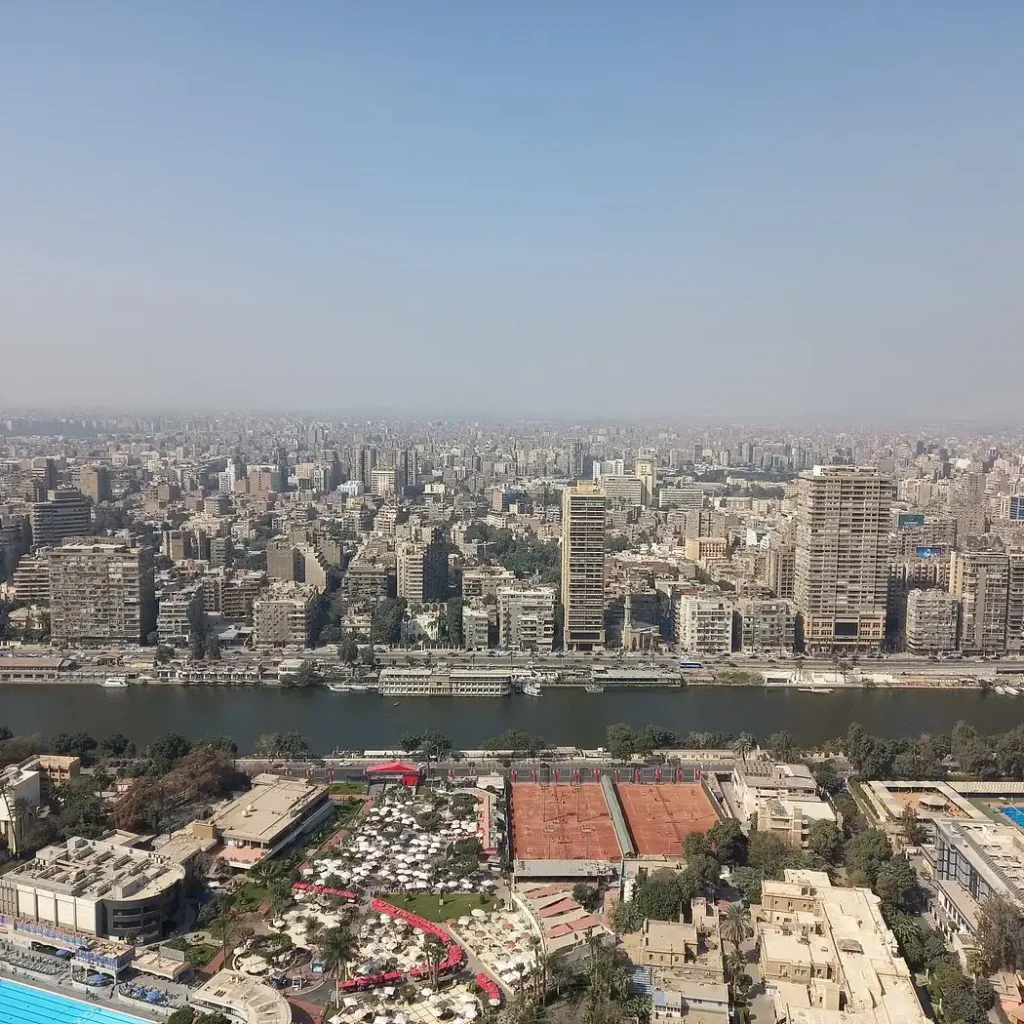
Clothing expectations can vary slightly depending on where you travel. Cairo is Egypt’s busiest city, combining modern neighborhoods with traditional districts. Casual but modest clothing works well for most sightseeing and shopping. Alexandria feels slightly more Mediterranean in atmosphere, although respectful dress remains appreciated.
Luxor and Aswan receive many international visitors, especially around archaeological sites, making tourist clothing common. However, when walking through residential neighborhoods or local markets, modest outfits continue to help visitors blend in comfortably.
Red Sea destinations generally follow more relaxed resort customs within hotel properties while maintaining local expectations outside resort grounds.
What to Wear for Evening Activities
Evening temperatures can become pleasantly cool, particularly between November and March.
Light sweaters, cardigans, denim jackets, or linen overshirts provide enough warmth without taking much suitcase space.
Restaurants at luxury hotels often have smart-casual atmospheres. While formal wear is unnecessary for most venues, clean and tidy clothing helps you feel comfortable during evening dinners or cultural performances.
Comfortable closed shoes may also feel warmer than sandals during cooler evenings.
Clothes for Shopping in Local Markets
Egyptian bazaars and traditional markets are exciting places to explore, often involving several hours of walking through narrow streets and crowded areas.
Choose lightweight clothing that allows comfortable movement while remaining modest.
Avoid expensive jewelry or flashy accessories that may attract unnecessary attention.
Crossbody bags worn securely across the body are practical while browsing busy markets.
Comfortable shoes remain essential because many market streets feature uneven pavement or stone walkways.
Photography and Respectful Clothing
Many travelers want memorable photographs at Egypt’s iconic landmarks.
Choosing clothing that balances style with practicality often produces the best results. Neutral earth tones, linen fabrics, and breathable cotton photograph beautifully against desert landscapes and ancient stone monuments.
Avoid clothing with offensive slogans or inappropriate graphics when visiting cultural or religious sites.
Respectful clothing not only honors local customs but also helps create timeless travel photographs you’ll enjoy for years.
Should You Wear Traditional Egyptian Clothing?
Visitors occasionally purchase traditional Egyptian garments such as galabeyas while traveling.
These comfortable robes are widely worn by local people in many parts of the country and can make practical souvenirs.
Tourists are generally welcome to wear them respectfully, especially during cultural experiences or themed evenings on Nile cruises.
However, there is no expectation that international visitors adopt traditional clothing. Comfortable travel attire remains perfectly acceptable throughout your journey.
Egypt Outfit Guide for Families
Families traveling together should plan clothing according to daily activities rather than packing separate wardrobes for every destination.
Children should wear lightweight, breathable clothing that protects them from the sun while allowing easy movement.
Wide-brimmed hats, sunscreen, and comfortable walking shoes are particularly important for younger travelers exploring outdoor archaeological sites.
Parents may wish to pack an extra outfit for children each day, especially during hot weather.
Following a practical egypt outfit guide helps simplify packing for the entire family without overloading suitcases.
Packing for Adventure Activities
Many visitors include activities beyond traditional sightseeing.
Quad biking, camel rides, snorkeling, scuba diving, hiking, and hot air balloon rides all benefit from practical clothing choices.
Quick-drying sportswear performs well for active excursions, while lightweight long sleeves offer protection against both sunshine and wind.
Bring swimwear for water activities but remember to cover up once you leave beaches or resort pools.
Closed shoes are usually safer than sandals during adventure excursions.
Common Packing Mistakes
Many first-time visitors overpack heavy clothing after hearing that desert temperatures become cold.
In reality, lightweight layers usually provide enough warmth for most travelers during cooler evenings.
Another common mistake involves bringing fashionable shoes instead of supportive walking footwear.
Some visitors also forget to pack a scarf, which becomes surprisingly useful for sun protection, religious sites, air-conditioned transportation, and cooler evenings.
Following an organized egypt packing clothes checklist helps avoid these problems while keeping luggage manageable.
Laundry During Your Trip
Most hotels offer laundry services, allowing travelers to pack fewer clothes for longer vacations.
Many accommodations also provide reasonably priced washing and pressing services with next-day delivery.
Packing quick-drying fabrics makes hand washing small items simple if necessary.
This flexibility allows travelers to prioritize versatile outfits instead of carrying excessive luggage.
Dressing Respectfully Without Overthinking
One of the biggest concerns among first-time visitors is accidentally wearing the wrong clothing.
Fortunately, Egypt welcomes millions of tourists every year, and locals are accustomed to seeing international visitors dressed differently.
The key is balancing comfort with cultural awareness.
If your clothing would be considered appropriate for visiting a church, museum, or family restaurant in most countries, it will generally work well across much of Egypt outside beaches and resort pools.
When in doubt, choose slightly more modest clothing rather than something more revealing.
Frequently Asked Outfit Questions
Travelers often ask whether shorts are acceptable.
Yes, particularly in tourist areas and during hot weather, although longer shorts generally feel more appropriate than extremely short styles.
Another common question concerns leggings.
Leggings work well when paired with a longer shirt or tunic that provides additional coverage.
Women also ask whether they must cover their hair everywhere.
Outside mosques and certain religious settings, covering your hair is generally unnecessary for international visitors.
Understanding these practical details helps remove unnecessary stress before departure.
Final Packing Checklist
Before closing your suitcase, confirm that you have lightweight shirts, breathable trousers or shorts, comfortable walking shoes, sandals, a hat, sunglasses, sunscreen, a reusable water bottle, and a lightweight scarf.
Include one warmer layer for evenings, especially during winter travel or desert excursions.
Swimwear should remain packed for beaches and hotel pools, while modest clothing should be easily accessible for cultural sightseeing.
A carefully planned egypt outfit guide ensures you remain comfortable without carrying unnecessary luggage throughout your journey.
Dress Comfortably and Respectfully
Knowing what to wear in egypt is less about following strict rules and more about matching your clothing to your surroundings. Tourist attractions, historic monuments, beaches, cities, mosques, and desert adventures each have slightly different expectations, but the overall approach remains simple: prioritize comfort, breathable fabrics, and respectful attire.
Following the egypt dress code does not require changing your personal style. Instead, choosing lightweight clothing with modest coverage helps you stay comfortable while respecting local customs. Planning your egypt packing clothes in advance also makes sightseeing easier by ensuring you have suitable outfits for changing temperatures and activities.
Whether you’re exploring the Pyramids, relaxing beside the Red Sea, visiting magnificent mosques, cruising along the Nile, or wandering through colorful local markets, a thoughtful egypt outfit guide allows you to focus on the unforgettable experiences waiting ahead rather than worrying about what you’re wearing. With versatile clothing, supportive footwear, and a few practical accessories, you’ll be well prepared to enjoy every destination confidently, comfortably, and respectfully throughout your Egyptian adventure. Our guides brief you fully before each site visit
0 Comment