
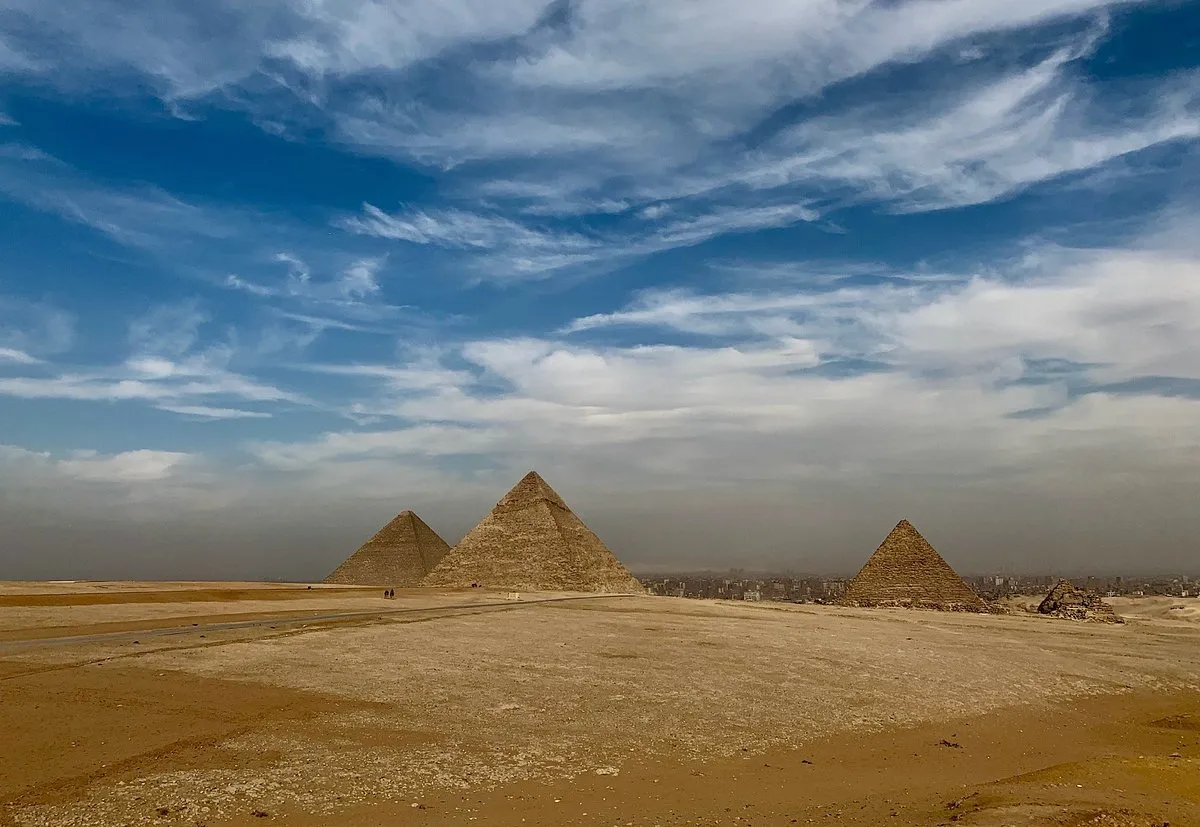

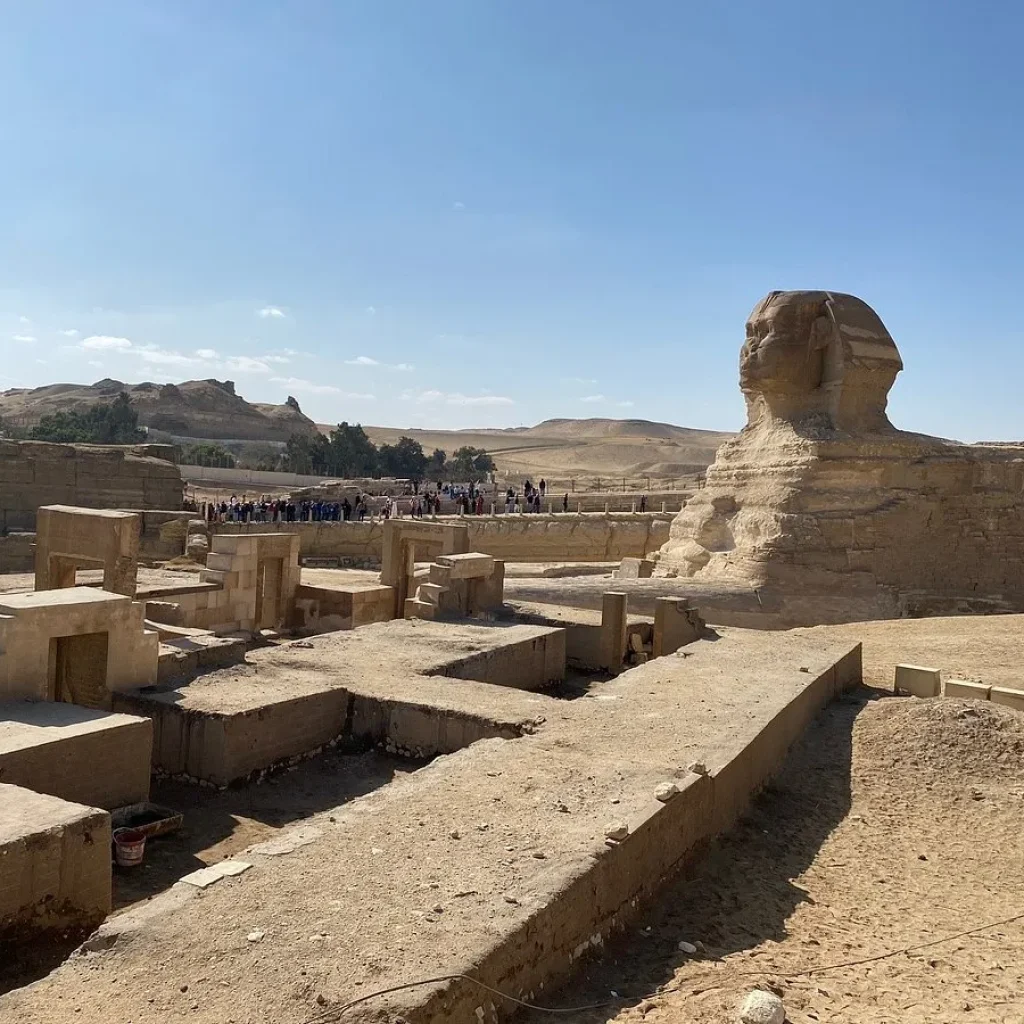
Choosing when to explore Egypt can shape almost every part of your trip, from sightseeing comfort and hotel prices to crowd levels and the kind of experiences available. Egypt is a year-round destination, but conditions vary sharply between the Mediterranean coast, Cairo, the Western Desert, the Nile Valley, and the Red Sea. A pleasant winter afternoon in Luxor can feel completely different from a breezy evening in Alexandria or a warm beach day in Hurghada. For most travelers, the best time to visit egypt 2026 falls between October and April, when daytime temperatures are generally more comfortable for temples, pyramids, city walks, and desert excursions. Egypt’s official tourism information describes winter as extending roughly from November through March, while summer generally runs from May through September, with short transitions between them. Winters are mild, southern destinations remain warmer, and summers are typically hot and dry, especially away from the northern coast. That broad rule is useful, but it does not answer every traveler’s needs. Beach lovers, divers, budget-conscious visitors, photographers, families, and cultural travelers may prefer different months. This guide explains egypt weather by month, the main travel seasons, and the advantages and drawbacks of visiting throughout 2026.
Understanding Egypt’s Climate
Egypt is dominated by a dry desert climate, with abundant sunshine and limited rainfall. However, geography creates meaningful regional differences. Cairo and Giza have hot summers, mild winters, and occasional cool evenings. Alexandria and the North Coast are more humid, breezier, and more likely to receive winter rain. Luxor, Aswan, and Abu Simbel are hotter than Cairo for much of the year, while desert areas can experience large temperature drops after sunset. The Red Sea resorts, including Hurghada, El Gouna, Marsa Alam, and Sharm El Sheikh, enjoy warm conditions for much of the year. Coastal winds can make summer heat feel more manageable, although midday temperatures remain intense. Winter is usually sunny and comfortable, but evenings may feel cool, particularly after swimming or boat trips. Understanding these regional differences is essential when deciding when to visit egypt. A January itinerary focused on Luxor and Aswan may be ideal, while the same month could feel too cool for travelers who want long evenings in swimwear. Likewise, August can suit a resort holiday built around air conditioning, pools, and diving, yet it is challenging for full-day archaeological sightseeing.
Egypt’s Main Travel Seasons
The busiest period generally runs from late autumn through early spring. Comfortable daytime weather draws visitors to Cairo, Luxor, Aswan, and Nile cruises. Christmas, New Year, school holidays, and Easter can create especially strong demand. Hotels, guides, domestic flights, and popular cruises may sell out earlier, and prices can rise. The shoulder seasons usually include April, May, September, and October. These months balance manageable crowds with increasingly warm or gradually cooling weather. They often suit travelers who want good availability and are comfortable adjusting sightseeing times around midday heat. Summer, especially June through August, is the low season for cultural touring in Upper Egypt. Temperatures can be severe, but prices may be lower, attractions can feel quieter, and Red Sea resorts remain popular. The egypt travel seasons therefore depend on the region: what is low season for temple visits may still be a lively beach period.

January: Cool, Comfortable, and Popular
January is one of the strongest months for classic sightseeing. Cairo days are usually mild, while Luxor and Aswan are pleasantly warm compared with many winter destinations. Mornings and evenings can be cool, so layered clothing is important. A light jacket, sweater, and scarf are useful for early departures, open-air restaurants, and Nile cruise decks. January is also high season. Book sought-after hotels, cruise cabins, and private guides early. New Year demand may affect the first week, while international winter travel keeps major attractions busy. For travelers prioritizing comfortable sightseeing over low prices, January is a reliable choice.
February: Excellent Sightseeing Weather
February offers similar advantages to January, often with slightly longer days and gradually warmer afternoons. It remains one of the best months for a Cairo, Nile Valley, and desert itinerary. Conditions are comfortable for walking, photography, and long outdoor visits. Wind can occasionally affect desert trips or balloon rides in Luxor, and nights remain cool. Pack layers rather than assuming Egypt is always hot. In Alexandria, temperatures may feel cooler and damper than in Cairo, while the south stays warmer. Reserve Nile cruises and premium accommodations in advance. Travelers interested in combining antiquities with the White Desert, Siwa Oasis, or Fayoum will appreciate the moderate temperatures.
March: Warm Days and Spring Energy
March brings warmer days, more sunlight, and comfortable conditions across much of the country. It is an attractive month for travelers who want winter-style sightseeing without the coolest evenings. Cairo, Luxor, and Aswan are increasingly warm, but usually remain suitable for full itineraries. These events are not constant, but flexible planning helps. Travelers with respiratory sensitivities should bring necessary medication and monitor local forecasts. March is often an excellent compromise between climate and crowd levels. It works well for cultural touring, Nile cruises, desert camping, and Red Sea stays.
April: Warm, Bright, and Increasingly Hot
April is a transitional month. Early April can feel excellent for sightseeing, while late April may become hot in Luxor and Aswan. Cairo remains more manageable, especially when outdoor visits are scheduled in the morning. The Red Sea offers warm beach weather and pleasant water activities. Easter and regional holidays can increase domestic and international travel. Hotels in resort areas may fill quickly, and popular archaeological sites can be busier. Advance reservations are wise if your dates coincide with holiday periods. April suits travelers who enjoy warmth but want to avoid peak summer conditions. Bring strong sunscreen, a hat, breathable clothing, and water. Start temple visits early, rest during the hottest part of the day, and return outdoors later. This rhythm becomes increasingly important as the month progresses.
May: Hotter, Quieter, and Good Value
May marks the approach of summer. Cairo can be hot, while Luxor, Aswan, and Abu Simbel may experience very high daytime temperatures. Sightseeing remains possible, but early starts become essential. Plan indoor museums, lunch, rest, or pool time during midday. Crowds often decrease after the spring peak, creating better availability and potentially more attractive hotel or cruise rates. This can make May appealing to budget-conscious travelers who tolerate heat well. It is also a strong month for Red Sea resorts, where sea breezes and water activities offer relief. When comparing egypt weather by month, May is the point when southern sightseeing changes from comfortable to demanding.
June: Intense Heat and Long Days
June brings sustained summer heat, particularly in Upper Egypt. Luxor and Aswan can become extremely hot by midday, and exposed archaeological sites offer limited shade. Cairo is also hot, although evenings may be more comfortable. The advantages are lower cultural-tourism crowds, longer daylight, and occasional value pricing. Travelers who choose June should build the itinerary around sunrise starts, air-conditioned transport, shaded breaks, and hydration. Avoid attempting multiple large temple complexes in the middle of the day. The Red Sea remains a better fit for many June visitors. Diving, snorkeling, swimming, and resort stays can be enjoyable, although sun protection is critical. June is not the easiest answer for first-time visitors wondering when to visit egypt, but it can work for heat-tolerant travelers with a relaxed schedule.
July: Peak Summer Conditions
July is one of Egypt’s hottest months. Cairo often experiences intense daytime heat, while southern cities can feel extreme. Low crowds at some ancient sites can be a major advantage. Photographers may find cleaner compositions, and travelers can experience famous temples with fewer tour groups. However, the physical demands should not be underestimated. Carry more water than usual, wear a breathable hat, apply sunscreen repeatedly, and avoid unnecessary exposure. Coastal destinations remain active. Alexandria and the North Coast attract domestic holidaymakers, while Red Sea resorts continue welcoming international guests.
August: Hot, Sunny, and Resort Focused
August continues peak summer heat and is commonly among the hottest periods in Cairo. Historical climate averages identify August as Cairo’s hottest month overall. Upper Egypt remains even hotter, so early morning sightseeing and long midday breaks are essential. Domestic coastal tourism is strong, especially along the Mediterranean. Popular North Coast destinations can be lively, expensive, and crowded. Red Sea resorts also remain attractive for travelers who prioritize swimming, diving, and relaxation. August offers potential bargains in some cultural destinations, but savings should be weighed against comfort. It may suit experienced travelers, divers, and visitors who prefer resorts to packed touring schedules. Those sensitive to heat should choose another month or concentrate on coastal areas.
September: Summer Heat Begins to Ease
September remains hot, particularly in the first half, but conditions gradually begin to improve. Resort areas continue to offer excellent beach weather, and international crowds may be moderate before the autumn high season begins. Prices and availability can be favorable, making September a useful shoulder-season option. Travelers should not treat September as cool autumn. Sun protection, hydration, and a midday break remain important. By late September, evenings may become more comfortable, and cultural touring feels increasingly practical. For travelers balancing cost, warmth, and crowd levels, the second half of the month can be rewarding.
October: One of the Best All-Round Months
October is widely considered one of the best months for a broad Egypt itinerary. Temperatures begin to fall, especially later in the month, while days remain sunny and warm. Cairo becomes more comfortable for walking, and Upper Egypt transitions toward better sightseeing conditions. The Red Sea is still warm, making October ideal for combining temples and pyramids with diving or beach time. Desert trips also become more practical as nighttime conditions grow cooler. Demand begins rising, so early booking is sensible for preferred hotels, guides, and cruises. Travelers asking about the best time to visit egypt 2026 should strongly consider October, particularly if they want balanced weather across several regions without the coolest winter nights.
November: Prime Cultural Touring Season
November offers excellent conditions for Cairo, Luxor, Aswan, Nile cruises, and desert travel. Days are usually warm and sunny, while evenings become pleasantly cool. The risk of exhausting midday heat is lower, allowing fuller sightseeing schedules. This is also a popular month, so prices and crowds may increase. Book flights, cruise cabins, and distinctive hotels ahead, especially if your trip includes several destinations. Early morning starts remain valuable for avoiding tour groups rather than avoiding heat. November works exceptionally well for first-time visitors who want a complete itinerary. It combines reliable sightseeing weather, comfortable desert conditions, and good beach potential. Pack lightweight clothing for the day and a warmer layer for evenings.
December: Festive, Mild, and Busy
December brings mild winter weather and strong holiday demand. Cairo can feel cool in the morning and evening, while Luxor and Aswan remain warmer during the day. Red Sea resorts are sunny, though wind and cooler evenings may affect how warm beach time feels. Christmas and New Year are among the busiest travel periods. Premium hotels, Nile cruises, guides, and domestic flights can sell out, and prices often rise. Book well in advance if traveling during the second half of the month. December is ideal for travelers seeking comfortable sightseeing and a festive atmosphere. It is less suitable for visitors focused on bargain prices or empty attractions. Layered clothing is essential, particularly on early desert excursions and evening cruises.
Best Months for Cairo and Giza
Cairo and Giza are most comfortable from October through April. November, February, and March are particularly balanced, offering mild or warm days without the strongest holiday demand. January is excellent but may bring cooler mornings and larger winter crowds. May and September can work with early starts. June through August are hot, yet museums, historic cafés, evening walks, and carefully timed pyramid visits remain possible. The best time to visit egypt 2026 for a Cairo-only trip therefore depends on whether comfort, cost, or low crowds matters most.
Best Months for Luxor, Aswan, and Nile Cruises
October through April is the preferred period for Upper Egypt. November through February offers the coolest conditions, while March and April provide warmer days. January nights on cruise decks can feel chilly, so bring layers. May through September requires serious heat planning. Summer cruises may offer value, but excursions often begin extremely early. Travelers with health concerns, limited mobility, or low heat tolerance should favor winter.
Best Months for the Red Sea
The Red Sea is a year-round destination. Spring and autumn provide an excellent balance of warm air, comfortable evenings, and inviting water. Egypt’s tourism authority highlights the Red Sea and Gulf of Aqaba as year-round destinations with abundant sunshine and warm conditions. Divers should consider marine conditions, visibility, wind, and the species they hope to encounter, not temperature alone. Local dive centers can advise on seasonal patterns for specific sites.
Best Time for Desert Adventures
Desert trips are most comfortable from October through April. Daytime temperatures are manageable, but nights can become very cold, especially in remote camps. Bring layers, even when Cairo feels mild. Spring winds may cause dust, while summer heat can make exposed journeys unsafe or exhausting. Always use experienced operators, carry adequate water, and follow local guidance.
Crowds, Prices, and Booking Strategy
Weather is only one part of choosing among egypt travel seasons. Peak winter dates bring comfort but also stronger demand. Christmas, New Year, Easter, and major school holidays require early booking. Shoulder months can provide a better balance of price and climate. Summer may deliver discounts in cultural destinations, but resort pricing can remain high during domestic beach holidays. Compare complete itinerary costs rather than assuming one national low season. Book iconic Nile cruises, boutique hotels, domestic flights, and specialist guides several months ahead for peak dates. Flexible travelers can often find better value by shifting a trip one or two weeks away from holiday periods.
What to Pack by Season
For winter, pack light daytime clothing, a jacket, closed shoes, and layers for cool mornings. For spring and autumn, choose breathable clothes, sun protection, and one light evening layer. Summer requires loose fabrics, a wide-brimmed hat, sunglasses, high-protection sunscreen, and a reusable water bottle. Modest clothing is useful year-round for mosques, churches, traditional neighborhoods, and rural areas. Comfortable walking shoes matter in every season because archaeological ground can be uneven.
Choosing the Best Month for Your Trip
The best month depends on your route and priorities. For most first-time travelers combining Cairo, Luxor, Aswan, and the Red Sea, October, November, February, or March offers the strongest overall balance. These months support long sightseeing days while preserving good coastal opportunities. Ultimately, the best time to visit egypt 2026 is the period that matches your comfort level, budget, and itinerary. Use this guide to compare egypt weather by month, then check current forecasts shortly before departure. With realistic expectations and smart scheduling, every season can reveal a different side of Egypt.




0 Comment