

Planning a trip to Egypt is easier when you understand what daily expenses actually look like beyond package prices and promotional headlines. Egypt can be affordable compared with many long-haul destinations, but costs vary enormously according to season, city, hotel standard, transport choices, and how independently you travel. Cairo, Luxor, Aswan, Alexandria, and the Red Sea resorts each have different pricing patterns, while Nile cruises and private guides can transform an inexpensive itinerary into a premium holiday.
This egypt budget travel guide explains realistic spending categories for 2026, including accommodation, food, local transport, domestic travel, attractions, guides, tipping, mobile data, shopping, and unexpected extras. Prices can move quickly because of inflation, currency fluctuations, fuel costs, and changing tourism policies, so treat every figure as a planning range rather than a guaranteed quote. Check live prices before booking and keep a contingency fund.
Travelers often ask how much does egypt cost for a week or two. The answer depends less on the country itself than on your comfort expectations. A careful backpacker can travel inexpensively by using hostels, local meals, trains, and public transport. A mid-range visitor can enjoy good hotels, app-based rides, guided sightseeing, and occasional flights without spending extravagantly. Luxury travelers can choose historic hotels, private Egyptologists, premium cruises, and chauffeured transfers at international prices.
Understanding Egyptian Currency
Egypt uses the Egyptian pound, usually abbreviated EGP. Cash remains important for small purchases, tips, local cafés, public toilets, markets, and some transport. Cards are widely accepted at larger hotels, upscale restaurants, shopping malls, established tour companies, and many ticket offices, but payment systems can occasionally fail. Carry a combination of cards and cash rather than relying on one method.
Exchange rates can change, so avoid building your entire budget around a conversion saved months earlier. Check the current rate through your bank or a reliable financial service shortly before departure. ATMs are common in cities and resorts, although withdrawal fees and foreign-bank charges may apply. Decline dynamic currency conversion when a machine or card terminal offers to charge you in your home currency, because the displayed exchange rate is often less favorable.
Keep small notes for tips and minor purchases. Large notes can be difficult to change in taxis, kiosks, and small shops. Divide your cash between a wallet, secure bag, and hotel safe, and never display a thick bundle in public.
Daily Budget Categories
A useful egypt budget 2026 starts with three broad traveler profiles. Budget travelers may target approximately $35 to $65 per person per day, excluding international flights and major tours. Mid-range visitors may spend around $90 to $180 daily. Comfortable or luxury travel can begin near $250 per person per day and rise substantially.
These totals are not fixed national prices. A shared hostel room and local lunch cost much less than a Nile-view hotel and private guide. Couples often pay less per person because they share rooms and transfers, while solo travelers carry the full accommodation and vehicle cost. Families may save through apartments and group transport but spend more on larger rooms, child-friendly restaurants, and flexible guiding.
Accommodation Costs
Accommodation creates the largest difference between travel styles. Basic hostels and guesthouses may start around $10 to $25 per person per night, especially outside peak dates. Simple private rooms may fall between $25 and $50, depending on location, cleanliness, bathroom facilities, breakfast, and air conditioning.
Mid-range hotels commonly range from $50 to $120 per room per night. In Cairo, properties near Downtown, Zamalek, Garden City, or the pyramids can vary dramatically within the same category. Online listings for 2026 show budget rooms from low double-digit dollar prices, but headline rates may exclude taxes, service charges, breakfast, or desirable room types. Always review the final checkout total.
Upscale hotels can cost $130 to $300 nightly, while landmark properties, suites, and luxury resorts may exceed $400 during high season. Christmas, New Year, Easter, conferences, and popular winter months can increase rates. Summer may be cheaper for Cairo, Luxor, and Aswan, but Mediterranean and Red Sea resorts can remain busy during domestic holidays.
Check whether breakfast, airport transfers, Wi-Fi, taxes, and service charges are included. A cheaper hotel far from your sightseeing area can create extra transport costs and waste valuable time.
Food and Drink
Eating well in Egypt does not require a large budget. Local breakfasts of falafel, beans, eggs, bread, and tea may cost only a few dollars. Koshary, shawarma, grilled chicken, sandwiches, and bakery items also provide inexpensive meals. A budget traveler eating mainly at local restaurants may spend $10 to $20 daily.
Mid-range travelers should allow approximately $25 to $50 per person each day for a mixture of local restaurants, hotel breakfasts, cafés, and occasional international dining. A meal in a stylish Cairo restaurant, hotel dining room, or tourist-oriented venue can cost as much as a meal in many European cities once taxes and service are added.
Luxury restaurants, alcohol, imported ingredients, and resort dining increase expenses quickly. Alcohol is available in licensed hotels, bars, and restaurants, but it is relatively expensive compared with local food. Bottled water is inexpensive, yet repeated purchases add up during hot sightseeing days.
Inspect menus for taxes and service charges. Some restaurants add both, while a personal tip may still be appreciated. Ask before ordering market-priced seafood or dishes without listed prices.
Local Transportation
Cairo transport is inexpensive, but egypt travel costs depend on comfort. The Metro is one of the cheapest ways to cross parts of the city, although it does not serve every tourist area directly. Public buses and minibuses cost little but can be confusing for first-time visitors.
Ride-hailing apps offer convenient, trackable journeys and usually cost less than private hotel cars. Fares change with distance, traffic, demand, and vehicle category. Several short rides might total $8 to $20 in a day, while long trips between distant districts can raise the amount. Airport trips cost more than ordinary urban journeys.
Traditional taxis require clear fare agreement when a meter is unavailable or unreliable. Keep small notes and show the destination on a map. Private cars with drivers may cost $50 to $120 for a full sightseeing day, depending on hours, distance, vehicle, city, and whether guiding is included.
In Luxor and Aswan, boats, taxis, horse carriages, and hotel transfers create extra costs. Agree on the route, duration, waiting time, and total price before departure.
Traveling Between Cities
Egypt’s size makes intercity transport an important budget category. Trains connect Cairo with Alexandria and Upper Egypt. Foreign visitors may encounter tourist fares for certain services, and prices differ by class and train type. Published information has shown foreign passenger fares denominated in dollars on some routes, so verify the official booking price for your selected train.
Domestic flights save time between Cairo, Luxor, Aswan, Sharm El Sheikh, and Hurghada. One-way fares can range widely, from roughly $50 during promotions to more than $180 on busy dates. Baggage rules matter because the lowest fare may not include the allowance you need.
Long-distance buses are often cheaper than flights and serve major cities and resorts. Quality varies by operator and class. Night journeys save a hotel night but may reduce comfort and energy for sightseeing.
Private intercity transfers provide flexibility but can be expensive. They become more reasonable for families or groups dividing the cost.
Nile Cruise Prices
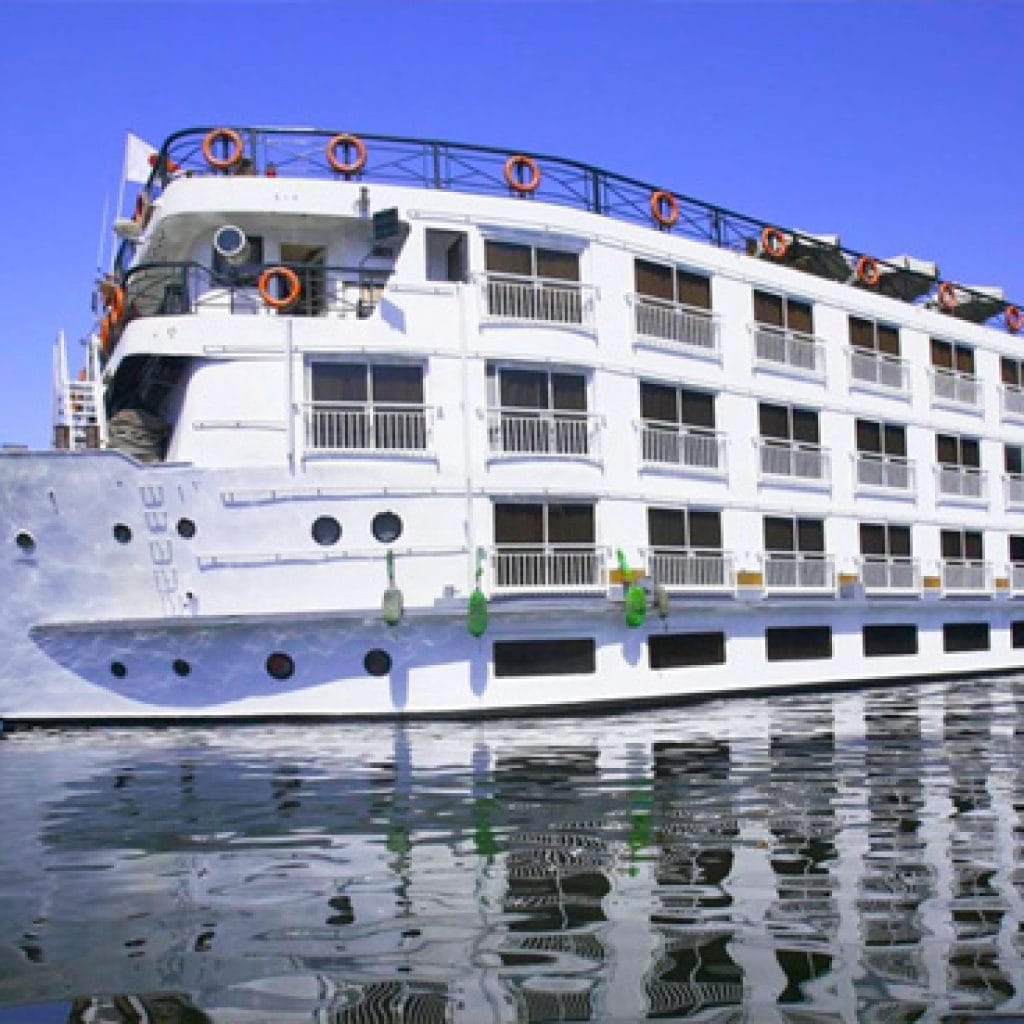
A Nile cruise is often the largest single expense after international flights. Standard three- or four-night cruises between Luxor and Aswan may begin around $350 to $700 per person, depending on season, cabin, meals, boat quality, and included excursions. Better ships and peak winter departures commonly cost more.
Luxury cruises, boutique vessels, dahabiyas, and private sailing arrangements may range from $900 to several thousand dollars per person. Some packages include guides, entrance tickets, transfers, and full board, while others include only accommodation and meals.
Compare the complete itinerary rather than the nightly price. Ask about drinks, Wi-Fi, tips, site tickets, guide fees, optional excursions, transfers, and single supplements. Solo travelers can pay significantly more because cruise cabins are commonly priced for double occupancy.
Attraction Tickets
Egypt’s archaeological sites and museums are not always cheap for foreign visitors, particularly when several are combined in one day. Major attractions can cost the equivalent of several dollars to more than $30 each, and special-access tickets may cost substantially more.
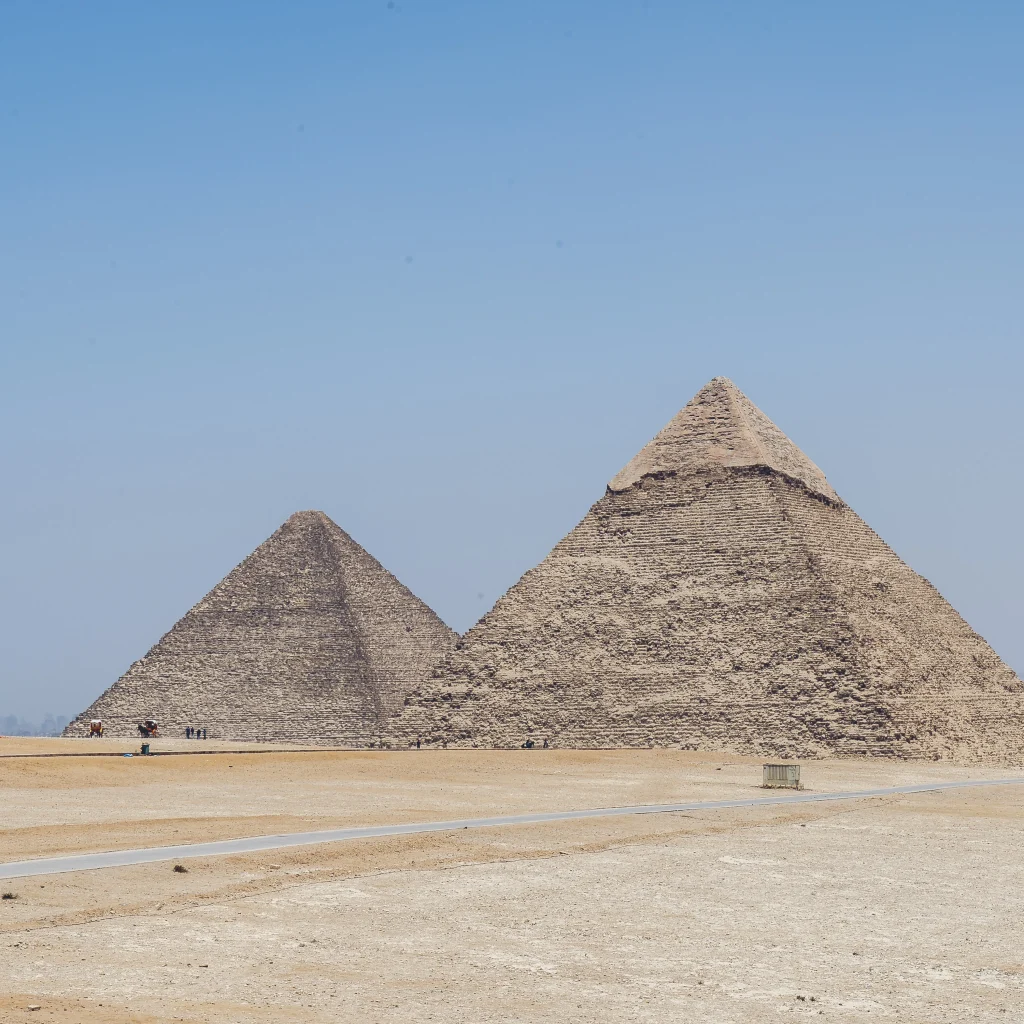
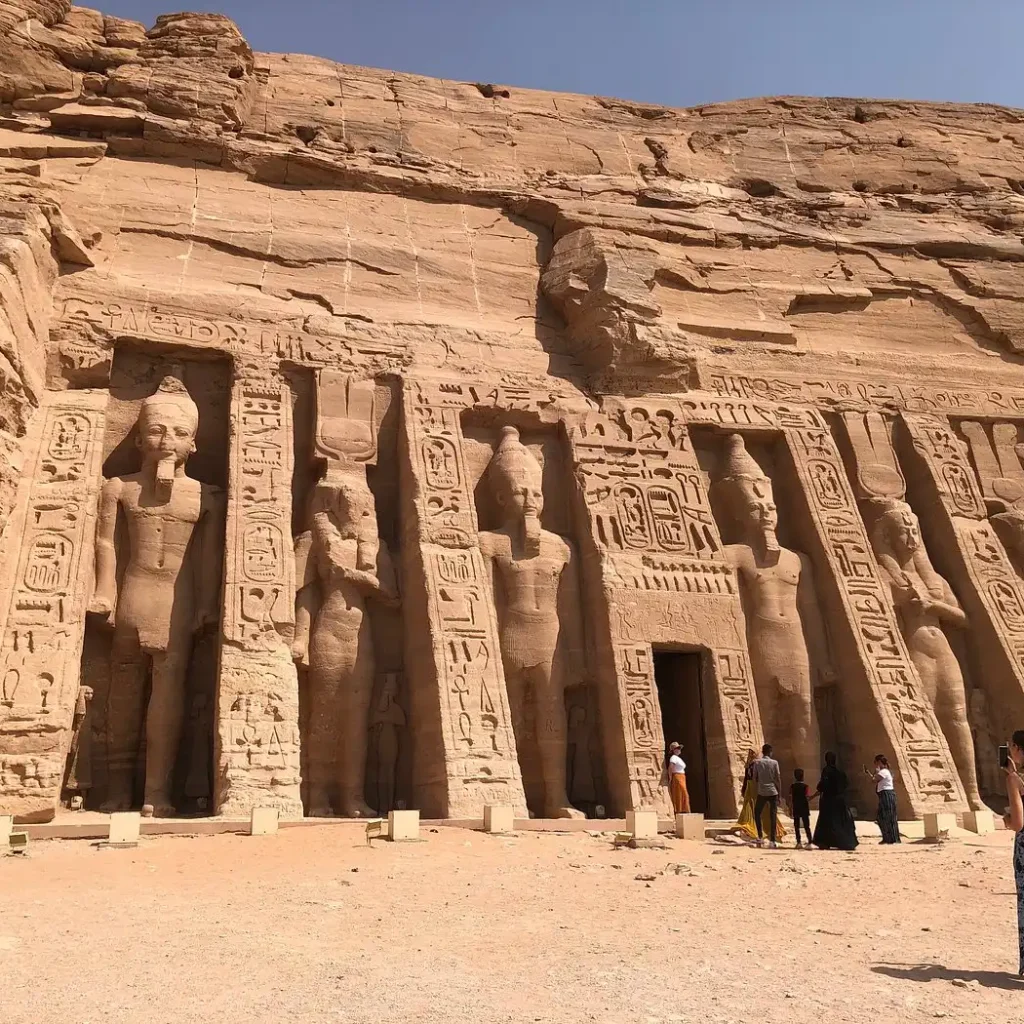
At the Giza Plateau, the general entrance ticket does not necessarily include entry inside every pyramid. In Luxor, separate tickets may be required for temples, tomb groups, premium tombs, museums, and photography privileges. Abu Simbel, the Grand Egyptian Museum, and other flagship attractions should be checked individually through official channels.
A culture-focused itinerary can easily allocate $15 to $50 per person daily for tickets, with occasional days costing more. Students with accepted identification may qualify for discounts, but eligibility and document requirements should be confirmed.
Ticket prices can be revised, so do not rely on an old blog screenshot. The Ministry of Tourism and Antiquities may update fees, and official booking platforms or on-site offices provide the final amount.
Guides and Organized Tours
A knowledgeable Egyptologist adds context that signs and guidebooks cannot always provide. Shared group tours may cost $20 to $60 per person for a half or full day, depending on transport, group size, tickets, and meals. Private guiding commonly starts around $50 to $100 per day before transportation and entrance fees.
A full private package with vehicle, driver, licensed guide, airport coordination, and tickets may cost $120 to $300 daily for one or two people. Premium specialists, complex routes, and multilingual experts can cost more.
Clarify whether the quoted guide is licensed, whether transportation is private, and whether meals, tickets, parking, and tips are included. The cheapest listing may involve a shopping stop where the operator earns commission.
Tipping and Small Payments
Tipping, often called baksheesh, is a normal part of travel in Egypt. Small tips may be expected for luggage assistance, hotel housekeeping, drivers, guides, cruise staff, restroom attendants, and minor services. Individually these amounts are modest, but they can become a meaningful daily expense.
A practical allowance is $5 to $15 per person daily for ordinary tipping, with more on privately guided days or cruises. Carry small Egyptian-pound notes. Do not use large foreign notes for tiny tips, because recipients may struggle to exchange them.
Cruises may provide suggested pooled gratuities. Ask the company whether tips are included and how they are distributed. Tipping should reward service, but clear expectations reduce awkwardness.
Mobile Data and Internet
Buying a local SIM or eSIM makes ride-hailing, maps, translation, and hotel communication easier. Tourist packages vary by provider, data allowance, and airport pricing. A moderate package may cost roughly $8 to $20, while large data bundles can cost more. A 2026 traveler report cited about 810 EGP for a 50 GB package, illustrating how package size affects the total.
Purchase from an official store or clearly branded airport counter. Bring your passport for registration, confirm the active data allowance, and test the connection before leaving. Hotel Wi-Fi is often included, but speed and reliability vary.
Shopping and Souvenirs
Souvenirs can be inexpensive or surprisingly costly. Small magnets, postcards, scarves, spices, and simple crafts may cost a few dollars. Handmade textiles, quality jewelry, alabaster, perfume oils, and artwork require a larger budget.
Bargaining is common in traditional markets but not in fixed-price shops. Decide what an item is worth to you, negotiate politely, and walk away if uncomfortable. Avoid assuming every object marketed as handmade, antique, or locally produced is authentic.
Set a shopping allowance before visiting markets. Even modest purchases across several cities can add $50 to $200 to a trip.
Hidden and Overlooked Costs
Many travelers underestimate taxes, hotel service charges, card fees, airport transfers, bottled water, public toilets, luggage handling, and last-minute transport. Photography permits, special tomb tickets, optional cruise excursions, and single supplements can also alter the total.
International card fees may apply to every transaction. ATM operators and home banks can charge separate withdrawal fees. Carrying two fee-efficient cards can save money and provide backup.
Build a contingency of at least ten to fifteen percent. This protects your egypt budget 2026 against price changes, illness, missed connections, upgraded rooms, or spontaneous experiences.
Sample Seven-Day Budget
A budget week might include hostels or simple guesthouses, local food, trains or buses, ride-hailing only when necessary, and independent sightseeing. Excluding international flights, allow approximately $350 to $600 per person.
A mid-range week with comfortable hotels, several guided days, domestic transport, attraction tickets, and varied dining may cost $900 to $1,500 per person. Adding a Nile cruise or domestic flights can push the total higher.
A luxury week with premium hotels, private transfers, expert guides, fine dining, and a high-end cruise may begin around $2,500 and rise beyond $5,000 per person.
These examples answer how much does egypt cost only in broad terms. Season, room sharing, route, and booking time can shift them considerably.
Money-Saving Strategies
Travel outside Christmas, New Year, and Easter when possible. Compare hotel totals across platforms, then check the property’s direct rate. Choose accommodations near the attractions you plan to visit, reducing transport.
Eat where residents eat, combine local restaurants with occasional upscale meals, and carry water from supermarkets rather than relying on minibars. Use ride-hailing for ordinary journeys and reserve private drivers for complex days.
Group nearby attractions together. In Cairo, avoid crossing the city repeatedly. In Luxor, plan West Bank sites together and East Bank sites together. Book trains and domestic flights early when your schedule is fixed.
Do not sacrifice safety for small savings. A reputable transfer, clean hotel, or qualified guide can prevent costly problems.
Building Your Final Egypt Budget
Start with international flights, accommodation, and major transport. Add attraction tickets, guides, food, local rides, tips, mobile data, insurance, visas, and shopping. Then include a contingency fund.
This egypt budget travel guide should be used as a framework, not a price promise. Check exchange rates and live quotes before paying. Save confirmations offline and record which costs are prepaid.
For a realistic answer to egypt travel costs, consider both money and time. A cheap overnight bus may save dollars but cost a productive morning. A centrally located hotel may appear expensive yet reduce daily rides. A private guide may raise the day’s price while helping you see more efficiently.
This egypt budget travel guide is therefore highly personal. Budget travelers can experience Egypt richly through local food, public transport, and selective guiding. Mid-range visitors can combine convenience with value. Luxury travelers can access exceptional hotels, cruises, and private expertise.
With research, flexible priorities, and a sensible emergency reserve, Egypt remains accessible across many spending levels. Use this egypt budget travel guide to compare choices, decide where comfort matters, and spend deliberately. Your final total will depend on how you travel, but careful planning ensures that surprises enhance the journey instead of damaging your finances.
Recheck all live prices immediately before departure.


0 Comment