

Traveling to Egypt is an unforgettable experience filled with ancient monuments, vibrant cities, beautiful beaches, and unique desert landscapes. Like any international destination, preparing for your trip involves more than booking flights and hotels. Understanding basic health precautions before you travel can help you stay healthy, avoid unnecessary medical problems, and enjoy your vacation with confidence.
This egypt health guide tourists explains the essential health information visitors should know before arriving in Egypt. From recommended vaccinations and food safety to drinking water, sun protection, pharmacies, and travel insurance, these practical tips are designed to help you prepare for a safe and enjoyable journey.
While millions of tourists visit Egypt every year without experiencing significant health issues, a little preparation goes a long way. Most travel-related illnesses are preventable through good hygiene, smart food choices, adequate hydration, and awareness of local conditions.
Do You Need Vaccines Before Visiting Egypt?
One of the first questions travelers ask is whether there are any egypt vaccines required before entering the country.
For most travelers arriving from the United States, Canada, Europe, Australia, and many other countries, there are generally no mandatory vaccinations simply for tourism. However, health authorities recommend that travelers are up to date on their routine immunizations before any international trip.
These commonly include protection against diseases such as measles, mumps, rubella, tetanus, diphtheria, pertussis, chickenpox, polio, influenza, and COVID-19 according to current recommendations in your home country.
Depending on your travel plans, personal health, length of stay, or previous vaccination history, your healthcare provider may also recommend additional vaccines before departure.
Scheduling a travel health appointment at least four to six weeks before leaving allows enough time for any recommended vaccinations to become effective.
Recommended Travel Vaccinations
Although there are few universal egypt vaccines required for ordinary tourists, travel medicine specialists may discuss several optional vaccinations depending on your itinerary.
Hepatitis A vaccination is commonly recommended because the virus can occasionally spread through contaminated food or water in many parts of the world.
Hepatitis B vaccination may be recommended for travelers expecting possible medical treatment, extended stays, volunteer work, or activities involving close personal contact.
Typhoid vaccination may also be considered, particularly for travelers spending extended periods outside major tourist areas or frequently eating from small local food vendors.
Your healthcare provider will assess your personal circumstances rather than applying identical recommendations to every traveler.
Consult Your Doctor Before Traveling
Every traveler has different medical needs.
Older adults, pregnant travelers, young children, and people living with chronic medical conditions should discuss their travel plans with a healthcare professional before departure.
Individuals managing diabetes, heart disease, asthma, allergies, or immune system conditions should ensure they carry sufficient medication for the entire journey, along with copies of prescriptions if needed.
If you wear glasses or contact lenses, consider bringing a backup pair in case of loss or damage during your trip.
Preparing before departure is much easier than trying to solve medical issues while traveling abroad.
Packing a Basic Medical Kit
A small personal medical kit can solve many minor health concerns without requiring a pharmacy visit.
Useful items include pain relievers, adhesive bandages, antiseptic wipes, anti-diarrheal medication recommended by your doctor, oral rehydration salts, insect repellent, sunscreen, motion sickness medication if needed, and any prescription medicines you regularly take.
Travelers with severe allergies should never forget emergency medications prescribed by their physician.
Store medications in original packaging whenever possible to simplify airport security procedures and identification.
Egypt Water Safety
Many visitors ask about egypt water safety before traveling.
The safest approach for most international tourists is to drink bottled or properly filtered water throughout their stay rather than tap water.
Bottled water is inexpensive, widely available, and commonly used by both visitors and many local residents.
When purchasing bottled water, check that the seal remains intact before opening.
Hotels, restaurants, and reputable cafés usually provide bottled drinking water, making it easy to stay hydrated during sightseeing.
Can You Brush Your Teeth with Tap Water?
Opinions vary among experienced travelers.
Many visitors choose bottled water for brushing their teeth during shorter trips simply to minimize any risk of stomach discomfort.
Others comfortably use tap water without problems.
Those with sensitive digestive systems often prefer bottled water for both drinking and brushing until they become accustomed to local conditions.
The choice ultimately depends on your comfort level, but bottled water remains the cautious option for many tourists.
Staying Hydrated
Egypt’s climate makes hydration especially important.
Summer temperatures regularly become extremely hot, particularly in destinations such as Luxor, Aswan, and desert regions.
Even during cooler months, long hours of sightseeing under direct sunshine increase fluid loss.
Drink water regularly throughout the day rather than waiting until you feel thirsty.
Electrolyte drinks or oral rehydration solutions can also help replace minerals lost through heavy sweating during particularly hot days.
Avoid excessive alcohol consumption in high temperatures because dehydration can develop more quickly than many travelers expect.
Food Safety in Egypt
Food is one of the highlights of visiting Egypt. Traditional dishes such as koshary, grilled meats, falafel, fresh bread, and local desserts offer memorable culinary experiences. Most visitors enjoy Egyptian cuisine without difficulty, especially when eating at reputable restaurants that maintain good hygiene standards.
Choose restaurants that appear clean, busy, and well maintained. High customer turnover usually means ingredients are prepared and served fresh. Freshly cooked meals served hot are generally safer than food left sitting at room temperature for long periods.
Wash or sanitize your hands before eating whenever possible, especially after visiting archaeological sites, markets, or public transportation.
Eating Street Food
Street food is an important part of Egyptian culture and can be both delicious and affordable.
However, travelers should use common sense when selecting vendors. Look for stalls preparing food fresh in front of customers rather than displaying cooked food for extended periods.
Choose vendors with steady customer traffic, clean cooking areas, and properly stored ingredients.
If food appears undercooked, has been exposed to insects, or looks poorly handled, it is better to choose another vendor.
Many experienced travelers enjoy street food throughout Egypt without problems by following these simple precautions.
Fresh Fruits and Vegetables
Fresh fruits are widely available across Egypt and make excellent snacks during sightseeing days.
Fruit with thick peels, such as bananas, oranges, and mangoes, can generally be enjoyed after peeling them yourself.
Raw vegetables and salads deserve a little more caution because they may have been washed with local water.
Restaurants catering to international tourists usually follow high hygiene standards, but travelers with particularly sensitive stomachs may choose cooked vegetables instead.
Avoiding Traveler’s Diarrhea
Digestive upset remains one of the most common travel-related health complaints worldwide.
Fortunately, many cases can be prevented through careful food and water choices.
Drink bottled water, eat freshly prepared meals, wash your hands frequently, and avoid unpasteurized dairy products if their storage conditions seem uncertain.
If mild symptoms develop, rest, stay hydrated, and replace lost fluids with oral rehydration solutions when appropriate.
Persistent diarrhea, high fever, severe abdominal pain, dehydration, or blood in the stool requires prompt medical attention.
Sun Protection
The Egyptian sun can be intense throughout much of the year.
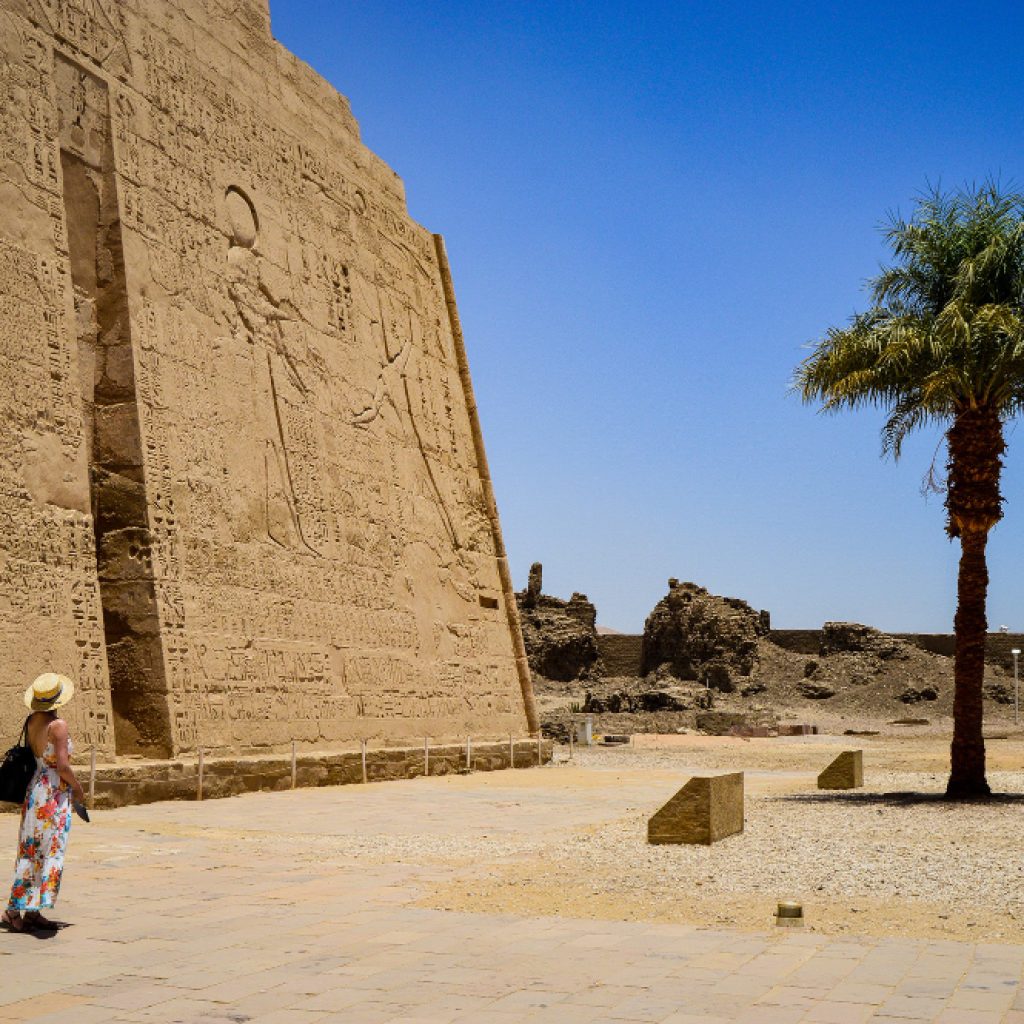
Long sightseeing days around the Pyramids, Luxor, Abu Simbel, or desert landscapes often involve prolonged exposure with limited shade.
Apply broad-spectrum sunscreen regularly, even during cooler months.
Wear lightweight long sleeves, sunglasses, and a wide-brimmed hat whenever possible.
Planning outdoor sightseeing during early mornings or late afternoons can also reduce heat exposure during summer.
These simple egypt health tips significantly reduce the risk of sunburn and heat-related illness.
Heat Exhaustion and Heatstroke
Recognizing early symptoms of heat exhaustion is extremely important.
Warning signs include heavy sweating, dizziness, weakness, headache, nausea, muscle cramps, and unusual fatigue.
If symptoms appear, move into shade or an air-conditioned space immediately, drink water slowly, loosen tight clothing, and rest.
Heatstroke is a medical emergency requiring immediate professional treatment. Symptoms may include confusion, unconsciousness, very high body temperature, or the absence of sweating despite extreme heat.
Never ignore severe heat-related symptoms.
Insect Bites
Mosquitoes are generally less problematic in many popular tourist areas than travelers sometimes expect, but they are still present in certain locations.
Use insect repellent during evenings, particularly near water or gardens.
Long sleeves and lightweight trousers provide additional protection after sunset.
Hotel rooms with air conditioning or screened windows further reduce insect exposure.
Following these basic egypt health tips helps minimize discomfort throughout your trip.
Swimming Safely
Egypt offers outstanding opportunities for swimming, snorkeling, and scuba diving, particularly along the Red Sea.
Always swim in designated areas supervised by lifeguards whenever available.
Follow local safety advice regarding currents, marine life, and weather conditions.
Avoid touching coral reefs or marine animals, both for your own safety and to protect delicate ecosystems.
Wear protective footwear when walking on rocky beaches or coral areas.
Air Quality and Allergies
Large cities occasionally experience dust, sand, or traffic-related air pollution.
Travelers with asthma or respiratory conditions should bring sufficient medication and discuss their travel plans with their healthcare provider before departure.
Those with seasonal allergies may also benefit from packing appropriate medications, particularly during windy conditions.
Air-conditioned hotels often provide welcome relief after busy sightseeing days outdoors.
Pharmacies in Egypt
Pharmacies are easy to find in most Egyptian cities, tourist destinations, and shopping districts. Many remain open late, and some operate around the clock. Pharmacists often speak at least basic English in areas popular with international visitors and can assist with common travel-related concerns.
However, travelers should never rely on purchasing important prescription medications after arrival. Bring enough medication for your entire trip, along with copies of prescriptions and the generic names of your medicines whenever possible.
If you require refrigeration for medication such as insulin, confirm storage arrangements with your hotel before traveling.
Medical Care for Tourists
Egypt offers a wide range of healthcare facilities, from local clinics to internationally accredited private hospitals in major cities such as Cairo, Alexandria, Hurghada, and Sharm El Sheikh.
Most routine travel illnesses can be treated at private medical centers commonly used by international visitors. Hotels and tour operators can usually recommend nearby clinics if medical attention becomes necessary.
For serious illness or injury, seek professional medical care immediately rather than attempting to self-treat significant symptoms.
Having comprehensive travel insurance can simplify access to private healthcare facilities and reduce unexpected medical expenses.
Travel Insurance
Travel insurance is strongly recommended for any international trip.
Policies may cover emergency medical treatment, hospitalization, prescription medications, emergency evacuation, trip cancellation, lost baggage, and other unexpected events.
Read your policy carefully before departure to understand exclusions, coverage limits, and emergency contact procedures.
Carry digital and printed copies of your insurance information throughout your trip.
Many experienced travelers consider travel insurance one of the most valuable investments for international travel, regardless of destination.
Managing Chronic Medical Conditions
Travelers with existing medical conditions should prepare carefully before departure.
Pack extra medication in case of travel delays.
Keep essential medicines in your carry-on luggage rather than checked baggage.
Wear medical identification if appropriate.
Bring a brief medical summary listing allergies, current medications, emergency contacts, and important health conditions.
These preparations allow healthcare professionals to provide faster assistance if an emergency occurs.
COVID-19 and Respiratory Illnesses
Entry requirements and public health recommendations can change over time.
Before departure, review the latest guidance issued by Egyptian authorities, your airline, and your home country’s travel advisory.
If you develop symptoms of a contagious respiratory illness during your trip, consider wearing a mask in crowded indoor environments and seek medical advice when appropriate.
Following local health guidance helps protect both yourself and those around you.
Animal Safety
Visitors occasionally encounter cats, dogs, camels, horses, and other animals throughout Egypt.
Avoid touching or feeding unfamiliar animals, even if they appear friendly.
Animal bites and scratches require prompt medical evaluation because preventive treatment may sometimes be necessary.
Choose reputable operators for camel rides, horseback excursions, or other animal-related activities to help ensure both safety and animal welfare.
Desert Excursions
Egypt’s deserts offer unforgettable landscapes, but preparation is essential.
Carry more water than you think you’ll need, particularly during warmer months.
Wear lightweight long sleeves, sunglasses, sunscreen, and a hat to reduce sun exposure.
Never explore remote desert areas without experienced guides or organized tour operators.
Temperatures may change dramatically after sunset, so pack an additional layer for evening comfort.
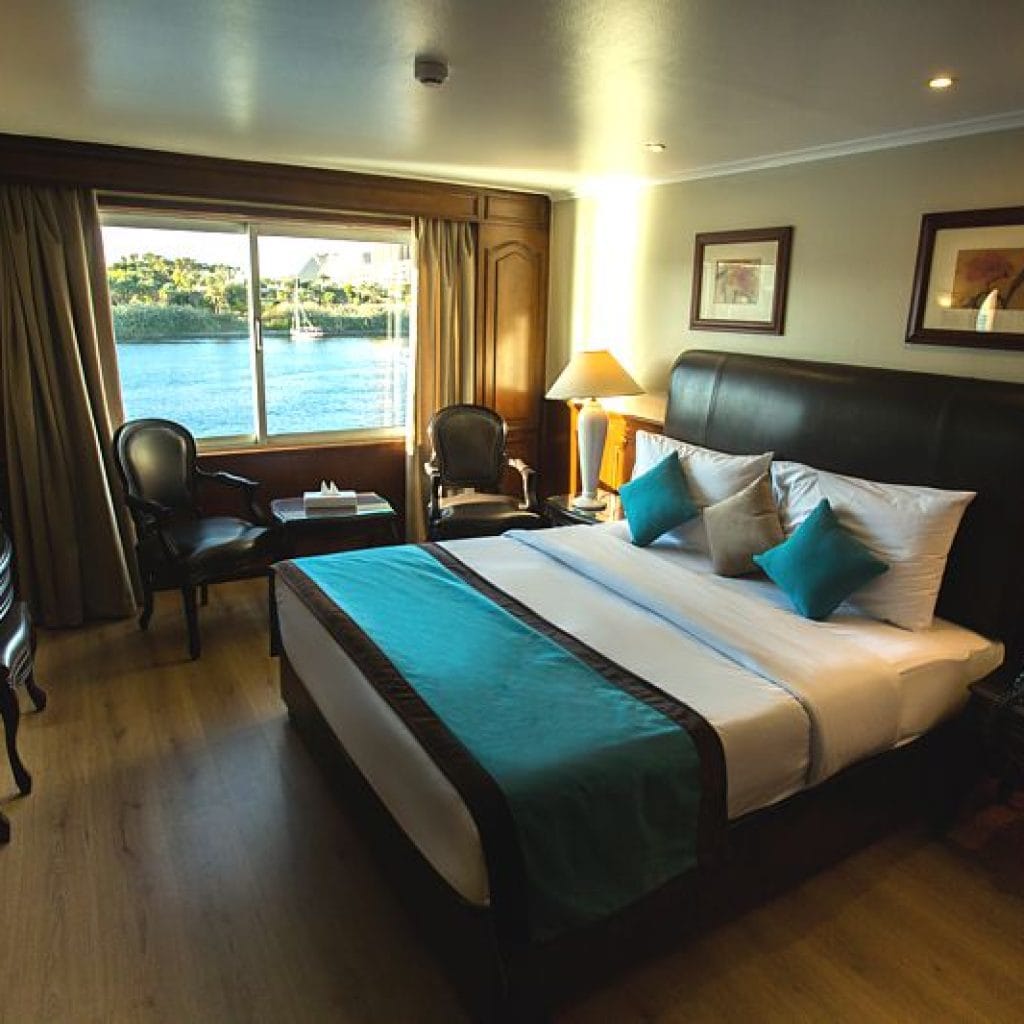
Nile Cruises and Boat Trips
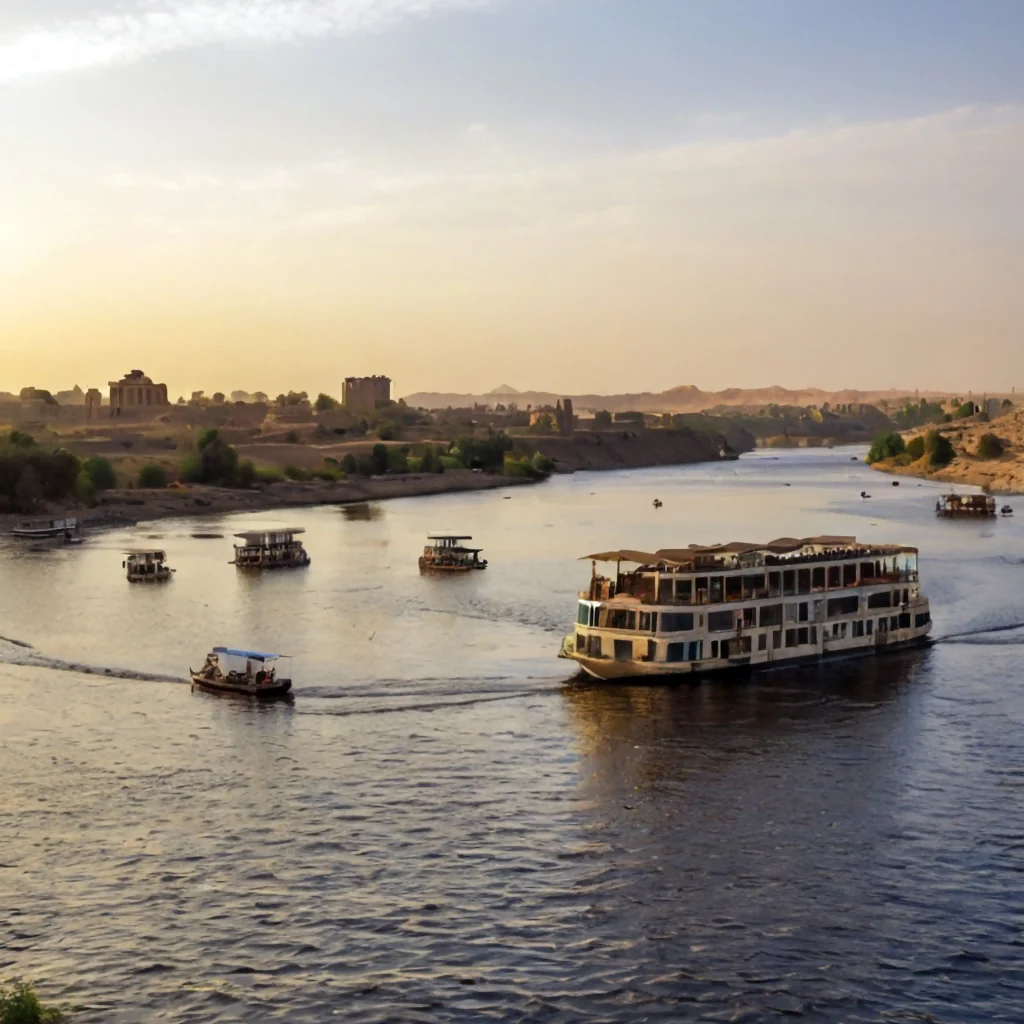
Cruises provide one of Egypt’s most relaxing travel experiences.
Most boats maintain good hygiene standards, but the same food and water precautions remain sensible.
Drink bottled water, wash your hands regularly, and protect yourself from the sun during shore excursions.
Passengers prone to motion sickness should bring appropriate medication, although the Nile is generally calm compared with open seas.
Mental Well-Being While Traveling
Long flights, changing climates, busy itineraries, and unfamiliar environments can sometimes feel overwhelming.
Allow yourself enough time to rest between major sightseeing days.
Stay hydrated, eat regular meals, and avoid overloading your itinerary.
Taking occasional breaks in cafés, hotel lounges, or shaded gardens can make your journey more enjoyable while reducing physical fatigue.
Health Tips for Families
Families traveling with children should pack familiar medications suitable for younger travelers, along with sunscreen, insect repellent, reusable water bottles, and healthy snacks.
Encourage children to drink water regularly, particularly during hot weather.
Schedule sightseeing around cooler parts of the day whenever possible.
Frequent rest breaks help younger travelers remain comfortable throughout long excursions.
Emergency Numbers and Preparation
Before arriving in Egypt, save important telephone numbers in your phone.
Include your travel insurance emergency assistance line, your country’s embassy or consulate, your accommodation contact details, and emergency family contacts.
Knowing where to find assistance provides reassurance should unexpected situations arise during your journey.
Final Health Checklist
Before departure, confirm that your routine vaccinations are current, discuss recommended egypt vaccines required with your healthcare provider if appropriate, purchase travel insurance, pack essential medications, prepare a small medical kit, and review the latest official travel health advice.
Plan for egypt water safety by drinking bottled water, stay hydrated during sightseeing, protect yourself from the sun, and practice sensible food hygiene throughout your trip.
Following these simple egypt health tips significantly reduces the likelihood of common travel-related illnesses.
Travel Healthy and Enjoy Egypt
This egypt health guide tourists is designed to help you prepare for a safe, comfortable, and enjoyable journey. Most visitors experience no significant health problems while traveling in Egypt, especially when they take a few sensible precautions before and during their trip.
Understanding egypt vaccines required, following good egypt water safety practices, and applying practical egypt health tips allow you to focus on Egypt’s extraordinary history, remarkable archaeological sites, welcoming hospitality, beautiful beaches, colorful markets, and unforgettable cultural experiences. By packing thoughtfully, staying hydrated, protecting yourself from the sun, choosing food carefully, and carrying appropriate travel insurance, you’ll be well prepared to enjoy everything Egypt has to offer with confidence and peace of mind.

0 Comment