

This siwa oasis egypt guide is designed for travelers who want more than a quick checklist. It explains how to reach the oasis, what makes it culturally distinctive, how long to stay, which sights deserve priority, what to expect from desert excursions, and how to travel respectfully. Siwa rewards slow travel, early mornings, quiet afternoons, and enough time to experience daily life rather than racing between attractions.
For many visitors, the question is not whether Siwa has enough to see, but whether the journey is worth the effort. If you enjoy remote landscapes, local traditions, simple food, unusual architecture, and places that feel removed from Egypt’s busiest tourism circuits, the answer is usually yes.
Where Is Siwa Oasis?
Siwa lies in Egypt’s Western Desert, far west of the Nile Valley and close to the border with Libya. Unlike Cairo, Luxor, or Aswan, it is not connected to Egypt’s main archaeological corridor, which means visiting Siwa requires a deliberate detour.
The oasis developed around natural springs and groundwater that made settlement possible in an otherwise arid environment. Date palms and olive trees dominate much of the cultivated landscape, while salt lakes, desert plateaus, and dunes surround the inhabited areas.
Siwa egypt travel feels shaped by geography. The town feels compact, but the wider oasis spreads across farms, villages, springs, ancient sites, and desert routes. A car, tuk tuk, bicycle, or arranged driver is useful for reaching places outside the center.
Why Siwa Feels So Different
Siwa’s cultural identity is one of the main reasons to visit. Many local families identify with Amazigh heritage, and the Siwi language remains part of community life alongside Arabic. Clothing, architecture, wedding customs, crafts, food, and social traditions have developed in ways that distinguish the oasis from many other parts of Egypt.
The architecture is especially memorable. Traditional buildings were made from kershef, a material created from salt rich earth and mud. It suited the dry climate but could be vulnerable during heavy rain. The ruins of old Shali show how this material shaped dense, fortress like urban forms.
Visitors should remember that Siwa is not an open air museum. It is a living community with homes, schools, farms, shops, mosques, and family spaces. Respectful behavior matters, especially when photographing people or entering quieter residential areas.
How to Get to Siwa
Reaching Siwa takes time. Most travelers arrive by road from Cairo or Alexandria, usually by bus, private car, or organized transfer. The journey is long enough that it is best treated as a travel day rather than combined with sightseeing elsewhere.
Private transfers offer the most flexibility and comfort, especially for families or small groups. Buses are more economical but involve fixed schedules and less control over stops. Some travelers break the journey on the Mediterranean coast, particularly if their wider route includes Alexandria or Marsa Matruh.
Because distances are significant, avoid planning your return journey on the same day as an important international flight. Giving yourself a buffer makes the trip less stressful and protects against delays.
How Many Days Do You Need?
Three nights is a practical minimum for visiting siwa oasis without feeling rushed. Four nights is better for most travelers, while five or more allows time for slower exploration, cycling, repeated spring visits, and a less structured pace.
A short stay can cover Shali Fortress, the Temple of the Oracle, Cleopatra’s Spring, the salt lakes, and one desert excursion. A longer stay makes room for Fatnas Island, local farms, craft shopping, sunset viewpoints, and relaxed meals.
Siwa works best when you allow empty space in the schedule. Part of its appeal is sitting beneath palms, watching changing light on the salt lakes, or spending an hour longer than planned at a spring.
Shali Fortress
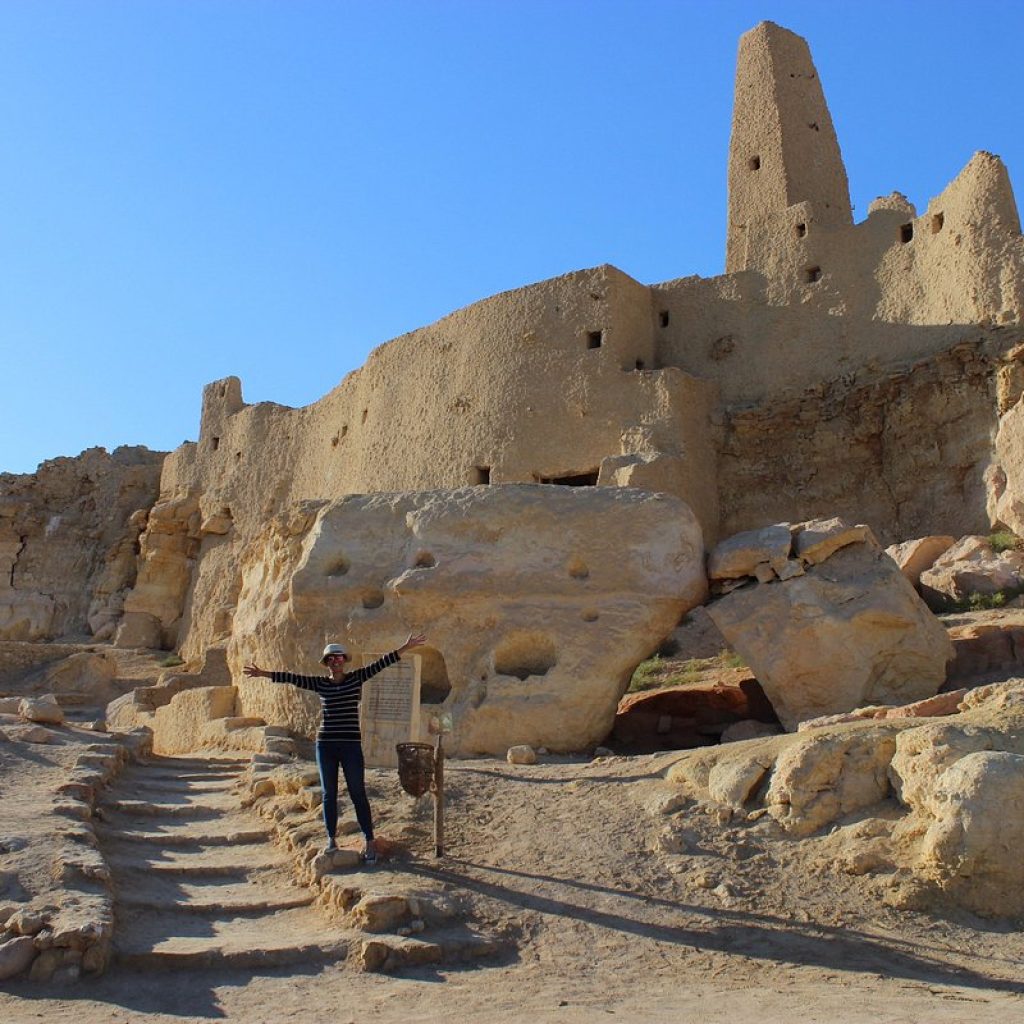
Shali Fortress is the visual heart of the old oasis. Its maze of narrow passages, collapsed walls, and elevated viewpoints rises above the modern town and gives visitors a sense of how earlier Siwan communities organized life within a fortified settlement.
The original buildings were constructed largely from kershef. Over time, rain and abandonment damaged much of the settlement, leaving dramatic ruins alongside restored sections.
Walk slowly through Shali rather than treating it as a quick photo stop. The textures of the walls, changing levels, small openings, and views toward palms and desert make the site more rewarding when explored without rushing.
Late afternoon is attractive because the lower sun creates stronger shadows and softer colors across the ruins.
The Temple of the Oracle
The Temple of the Oracle at Aghurmi is one of Siwa’s most important ancient sites. In antiquity, the oracle was associated with the god Amun and attracted visitors seeking divine guidance.
The site is often connected with Alexander the Great, who traveled to Siwa after entering Egypt. Ancient accounts describe his consultation with the oracle, although interpretations of what happened and what was said vary.
Today, the temple’s remains stand on a raised area overlooking parts of the oasis. The archaeological ruins are modest compared with Karnak or Abu Simbel, but the historical importance is substantial.
A siwa oasis egypt guide adds context. A knowledgeable guide can help explain why a remote oasis became significant within the political and religious world of the ancient Mediterranean.
Cleopatra’s Spring
Cleopatra’s Spring, also called Ain Juba, is one of Siwa’s best known freshwater springs. Despite the popular name, there is no reliable evidence that Cleopatra herself bathed here.
The spring is a circular stone pool fed by natural water and surrounded by cafes, palms, and local activity. Some visitors swim, while others stop for juice, tea, or a break between nearby attractions.
The experience depends heavily on timing. It can feel peaceful during quieter periods and much busier when tour groups arrive.
Bring appropriate swimwear and a towel if you plan to enter the water, and dress respectfully before and after swimming because the spring is part of a local community rather than an isolated resort.
The Salt Lakes
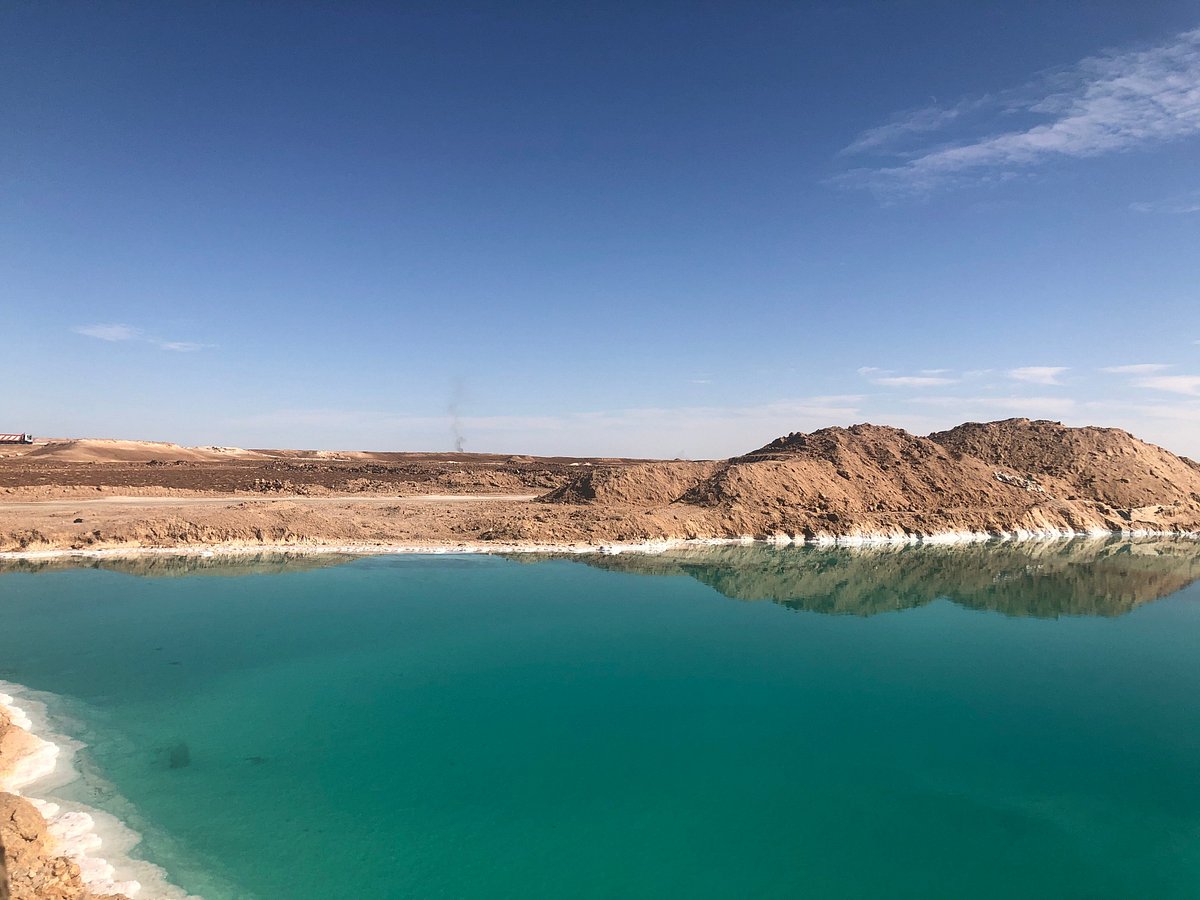
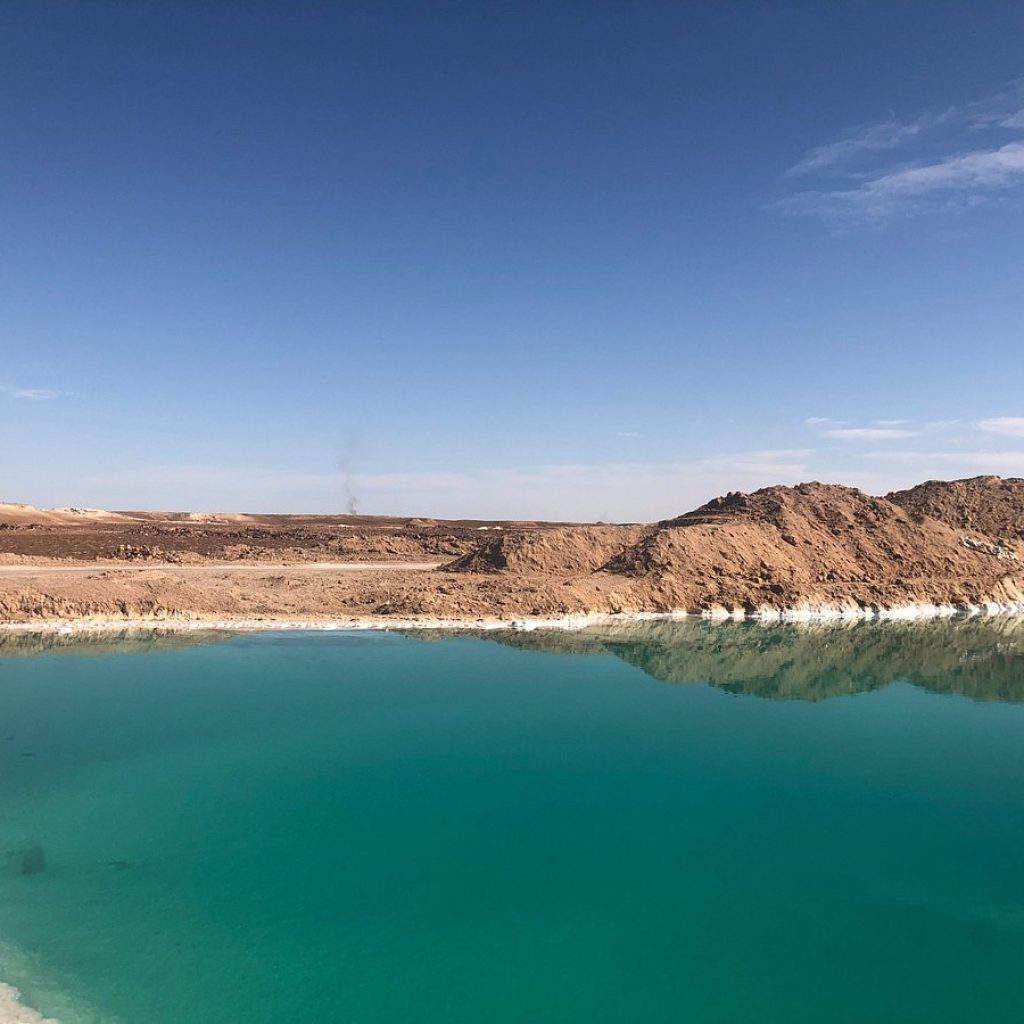
Siwa’s salt lakes have become some of the oasis’s most photographed landscapes. Their intense blue water, white salt edges, and surrounding desert create striking visual contrasts.
The high salt concentration makes floating easy, which is part of the attraction for visitors. However, salt water can sting cuts, freshly shaved skin, or irritated areas, so practical preparation matters.
Avoid splashing water into your eyes and bring fresh water to rinse afterward. Footwear can also help around rough salt surfaces.
The lakes are beautiful, but they are not amusement pools. Move carefully, follow local guidance, and avoid damaging fragile edges or leaving rubbish behind.
For travelers researching siwa what to see, the salt lakes usually belong near the top of the list.
Great Sand Sea Excursions
The Great Sand Sea stretches beyond the cultivated oasis and provides a different environment of dunes, open desert, and broad horizons.
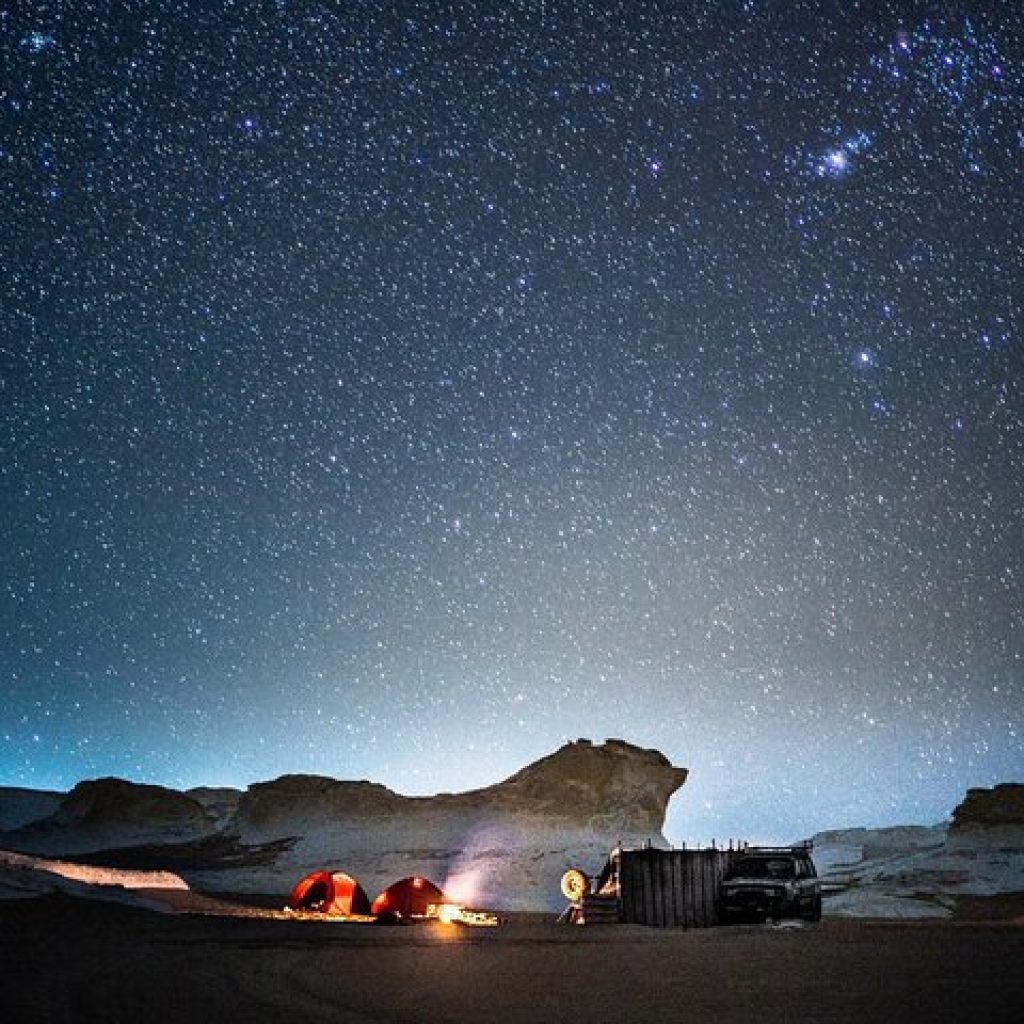
Desert excursions are typically arranged with local drivers who know the routes and terrain. Depending on the trip, activities may include dune driving, sandboarding, sunset stops, tea in the desert, and visits to springs.
The quality of the experience depends more on the operator than on how many activities are packed into the itinerary. A good excursion should feel safe, unhurried, and respectful of the environment.
Travelers who dislike rough vehicle rides should ask about the route before booking. Desert driving can be physically demanding, especially for people with back or neck problems.
Sunset in the dunes is one of the strongest reasons to extend a Siwa stay beyond a basic sightseeing itinerary.
Fatnas Island
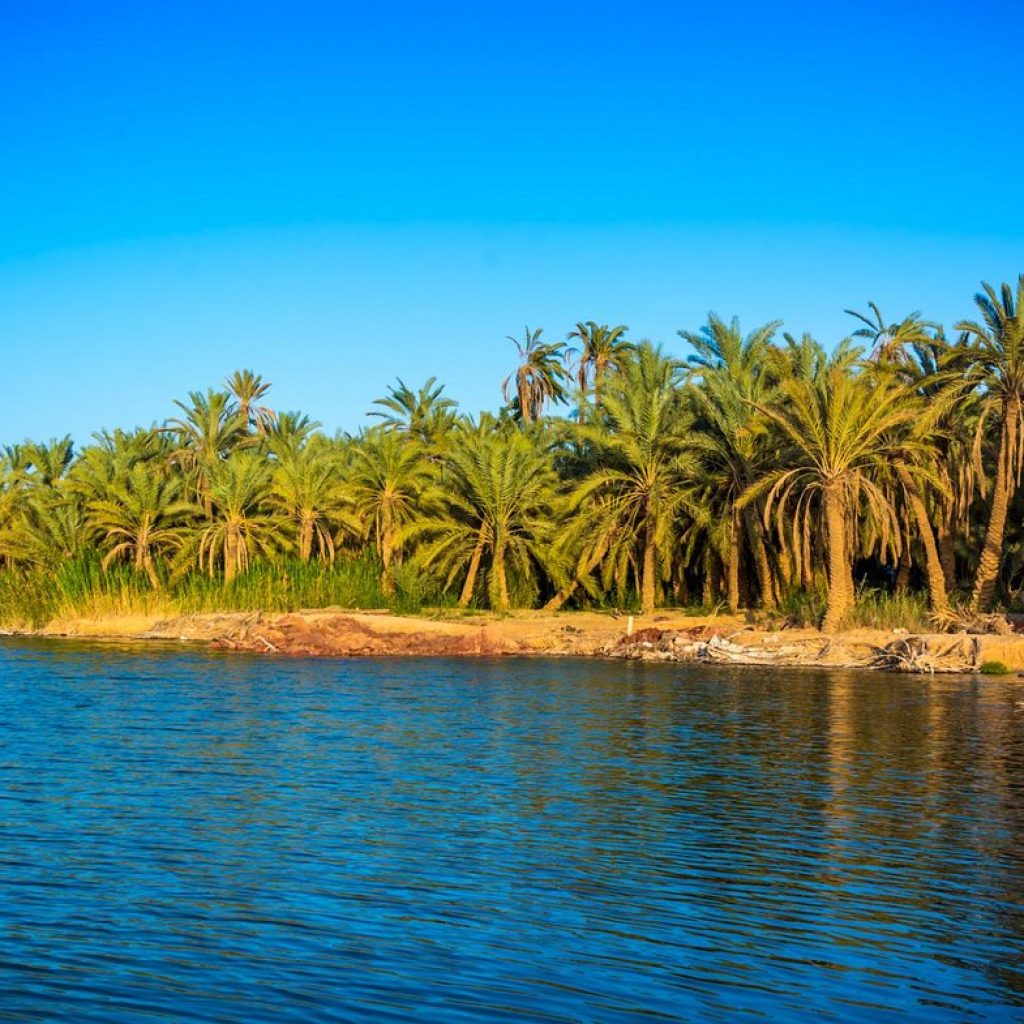
Fatnas, sometimes called Fantasy Island, sits beside one of Siwa’s lakes and is known for relaxed sunset views.
The word island can be slightly misleading because access and water levels can make the landscape feel more like a lakeside peninsula. The main attraction is the atmosphere rather than a major historical site.
Palm silhouettes, water, tea, and changing evening colors make Fatnas a good stop after a day of sightseeing.
Arrive before sunset rather than at the last minute so you can find a comfortable place and enjoy the transition from daylight into evening.
Mountain of the Dead
Gebel al Mawta, or the Mountain of the Dead, contains rock cut tombs dating from ancient periods. The hill rises above the oasis and offers both archaeological interest and broad views.
Some tombs preserve painted decoration, although access may vary. The site adds another layer to Siwa’s ancient history by showing that the oasis was connected to wider Egyptian funerary traditions while retaining its own local context.
The climb is manageable for many visitors but can feel tiring in strong heat. Morning is usually more comfortable than midday.
Food in Siwa
Siwan food reflects oasis agriculture and local traditions. Dates, olives, bread, grains, vegetables, and locally produced ingredients play important roles, while menus in visitor areas may also include familiar Egyptian dishes.
Do not expect the restaurant variety of Cairo. Siwa’s appeal lies more in simple meals, local ingredients, and relaxed settings than in a large fine dining scene.
Ask guesthouse hosts or local guides what they recommend rather than relying only on the most visible tourist cafes. Meals prepared in family run establishments can become one of the most memorable parts of the trip.
Dates and olive products also make practical local purchases if you want something connected directly to the oasis.
Getting Around the Oasis
Distances between attractions are greater than they first appear. Tuk tuks are common for shorter trips, while private cars or arranged drivers are more practical for longer sightseeing days.
Bicycles can be enjoyable in cooler weather, particularly around flatter areas, but heat and dust can make cycling harder than expected.
Agree on fares before longer rides and confirm whether a driver will wait or return later.
A well planned siwa oasis egypt guide itinerary usually groups nearby sites together rather than crossing the oasis repeatedly.
Best Time to Visit
The cooler months are generally the most comfortable for siwa egypt travel because daytime exploration, cycling, and desert excursions are easier when temperatures are moderate.
Winter can bring cold nights, especially in desert areas, so pack layers. Spring can be pleasant but increasingly warm, while summer heat can be intense.
Always consider day and night conditions separately. Desert climates can produce larger temperature changes than travelers expect.
Sun protection remains important even during cooler months.
What to Pack
Bring breathable clothing, comfortable shoes, sunscreen, sunglasses, a hat, and a reusable water bottle.
Pack modest clothing for town and community areas. A swimsuit is useful for springs and salt lakes, but bring something easy to cover with afterward.
A light jacket or warmer layer is important in cooler months and for desert evenings.
Bring fresh water for rinsing after salt lake swims, and protect cameras or electronics from dust during desert excursions.
Cash is useful because card acceptance may be limited compared with larger Egyptian cities.
Traveling Respectfully
Siwa’s relative isolation has helped preserve a strong local identity, and tourism should not come at the expense of community privacy.
Ask before photographing people. Dress modestly around town and villages, especially away from swimming areas. Avoid entering homes, farms, or private spaces without invitation.
Use local guides and businesses where possible. Listen when residents explain rules or customs rather than assuming practices common in Cairo or Red Sea resorts apply everywhere.
Responsible visiting siwa oasis means recognizing that the oasis is someone’s home before it is your destination.
Is Siwa Worth the Long Journey?
For travelers who want only Egypt’s most famous monuments, Siwa may be too large a detour. Cairo, Luxor, Aswan, and the Red Sea already fill a first itinerary easily.
For travelers who have more time, or who value remote landscapes and living culture as much as archaeology, Siwa can become a highlight.
The long road creates a sense of separation that is increasingly rare in heavily visited destinations. Once there, the combination of salt lakes, palms, ruins, springs, mud architecture, and desert makes the oasis feel visually and culturally distinct.
That contrast is the strongest argument for adding it.
Building a Three Day Itinerary
Day One: Old Siwa and Ancient Sites
Explore Shali Fortress, the Oracle Temple, Umm Ubayda, and Cleopatra’s Spring. End with sunset at Fatnas.
Day Two: Salt Lakes and Desert
Visit the salt lakes earlier in the day, return to rinse and rest, then take an afternoon excursion into the Great Sand Sea for dunes and sunset.
Day Three: Tombs, Farms, and Slow Travel
Visit the Mountain of the Dead, explore local farms or craft shops, enjoy a relaxed meal, and leave time for cycling or revisiting a favorite place.
This structure answers much of the common siwa what to see question without turning every day into a race.
Why Siwa Rewards Slow Travel
The best siwa oasis egypt guide advice is simple: do less.
Siwa is not rewarding because it contains dozens of famous monuments. It is rewarding because different elements work together: palms against desert, springs beside salt, ruined kershef walls, quiet roads, and sunsets that transform the landscape.
Rushing through the oasis reduces those contrasts to photographs.
Stay long enough to experience a quiet morning, an unscheduled meal, a desert sunset, and some time with no attraction planned.
That slower rhythm is what separates Siwa from many Egyptian itineraries.
Frequently Asked Questions
How many days should I spend in Siwa?
Three nights is a useful minimum, while four nights gives most travelers a better balance of sightseeing, desert activities, salt lakes, springs, and unstructured time. Longer stays suit travelers interested in cycling, photography, and slow travel.
Is Siwa difficult to reach?
Siwa requires a long overland journey from Egypt’s major cities, which is why it feels remote. Most visitors use buses, private vehicles, or organized transfers and treat the journey as a dedicated travel day.
What are the most important places to see?
Shali Fortress, the Temple of the Oracle, Cleopatra’s Spring, salt lakes, the Great Sand Sea, Fatnas, and the Mountain of the Dead provide a strong first introduction to the oasis.
Can you swim in Siwa’s salt lakes?
Visitors commonly float in some salt lakes, but concentrated salt can sting cuts and eyes. Follow local guidance, enter carefully, and carry fresh water so you can rinse your skin afterward.
Is Siwa suitable for a first trip to Egypt?
It can be, but travelers with limited time may prefer Cairo, Luxor, and Aswan first. Siwa works best for longer itineraries or visitors specifically interested in remote desert landscapes and local culture.
What is the best season for Siwa?
Cooler months are generally most comfortable for sightseeing and desert excursions. Winter nights can become cold, so bring warm layers even when daytime temperatures are pleasant.
Is Siwa safe for independent travelers?
Many travelers visit independently, but the oasis’s distance and desert environment make planning important. Arrange reliable transport, use experienced local drivers for desert excursions, respect local customs, and avoid entering remote desert areas without appropriate guidance.
0 Comment