
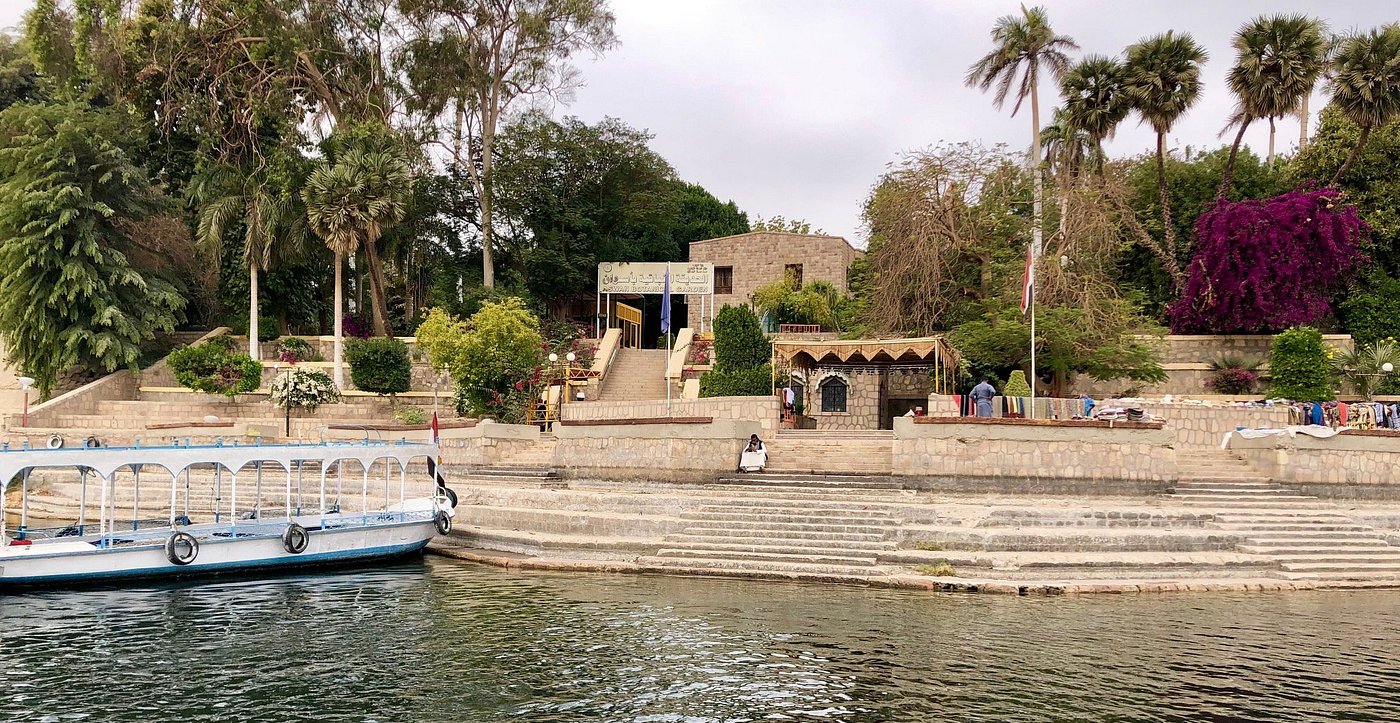

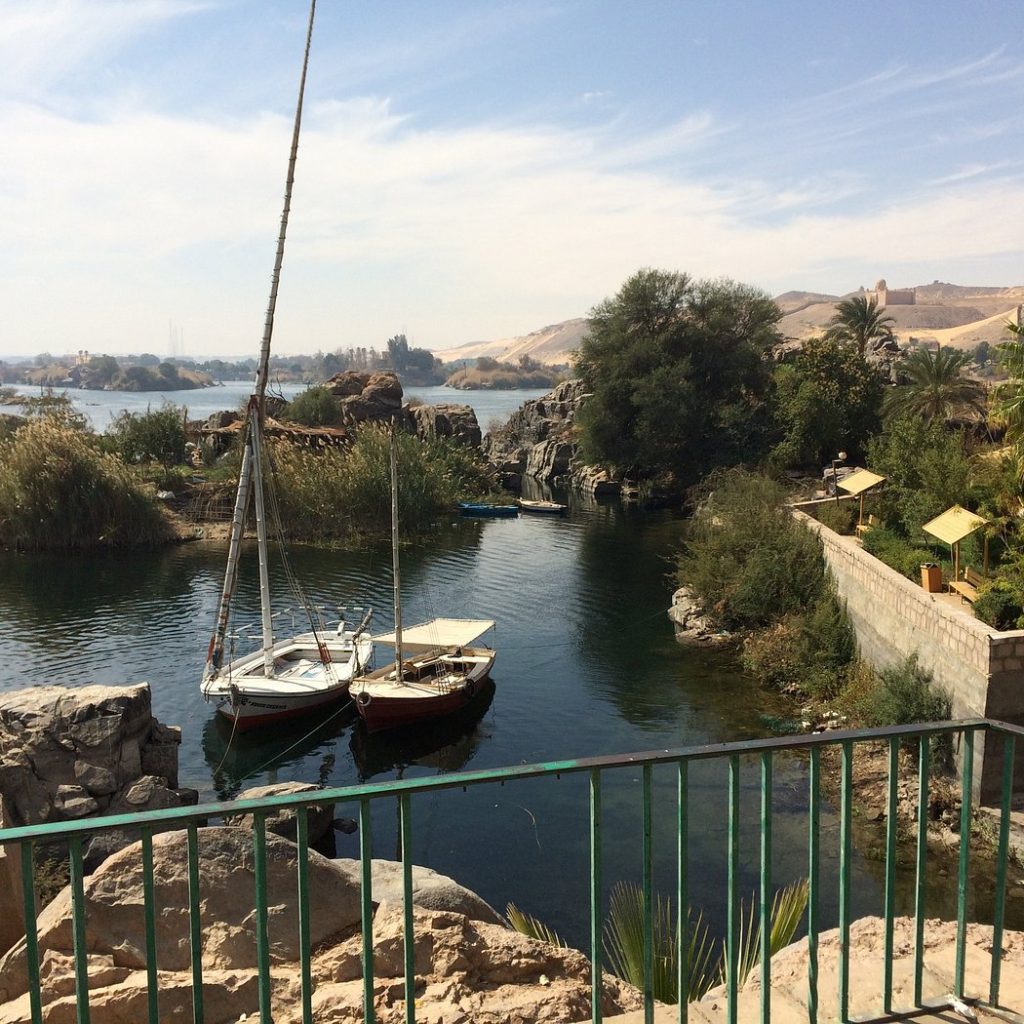
Aswan is famous for granite quarries, Philae Temple, Nubian villages, feluccas, and the broad blue reaches of the Nile, yet one of its most relaxing places sits quietly between the riverbanks. Kitchener’s Island, officially known as the Aswan Botanical Garden, offers a green contrast to the surrounding desert and a slower experience than the city’s major archaeological attractions.
For travelers researching kitcheners island aswan, the appeal is simple. You arrive by boat, step into shaded paths, and walk through a collection of palms, tropical plants, flowering trees, and landscaped areas surrounded by river views. The island is small enough to explore without rushing, but different enough from temples and museums to provide a genuine change of pace.
The garden also fits naturally into a broader Aswan itinerary. It can be paired with Elephantine Island, a felucca ride, Nubian villages, the Nubian Museum, or a sunset on the Nile. This guide explains the island’s history, what visitors can expect, how to reach it, how much time to allow, and whether it deserves a place on your list of things to do aswan.
What Is Kitchener’s Island?
Kitchener’s Island is a narrow Nile island in Aswan that is home to the city’s botanical garden. The island lies close to Elephantine Island and can be reached only by boat, which makes the approach part of the experience.
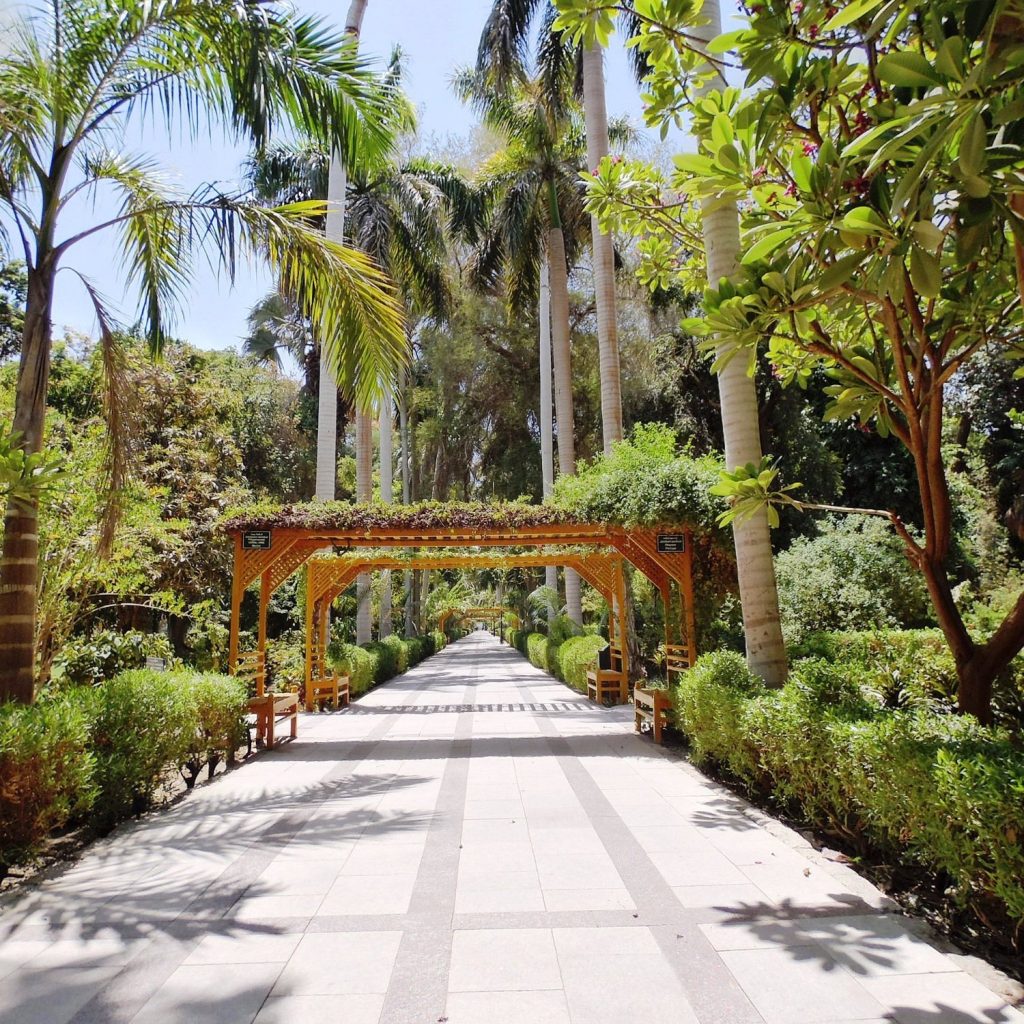
The garden is known for its collection of trees and plants from different tropical and subtropical regions. Shaded walkways run between palms, shrubs, flowering species, and planted lawns, creating a noticeably cooler visual atmosphere than the granite hills and dry desert landscape surrounding Aswan.
The island is also commonly called the Aswan Botanical Garden or El Nabatat Island. Travelers may hear several names used by local boatmen and guides, so it helps to know that they refer to the same garden island.
For visitors using an aswan islands guide to plan their day, Kitchener’s Island works best as a peaceful stop rather than a headline attraction. Its charm comes from contrast, river scenery, greenery, and the relaxed pace of wandering without a strict sightseeing agenda.
Why Is It Called Kitchener’s Island?
The island’s English name is associated with Lord Horatio Kitchener, the British military officer and administrator who spent time in Egypt and Sudan during the late nineteenth and early twentieth centuries. Historical accounts commonly connect his period on the island with the introduction and cultivation of plants brought from different regions.
Over time, the site developed into a botanical garden rather than remaining a private retreat. Today, the landscape is valued primarily as a public garden and green space within Aswan.
The name can feel unusual in a city whose history stretches back thousands of years, especially because many travelers arrive expecting only pharaonic and Nubian heritage. Yet the island reflects another layer of Aswan’s more recent history, including colonial-era administration, botanical collecting, and the reshaping of Nile landscapes.
Understanding that context adds depth to a visit without requiring the island to be treated as a major historical monument.
The Botanical Garden Experience
The main reason to visit is the garden itself. The kitcheners island aswan experience is less about checking off individual landmarks and more about walking slowly beneath trees, looking at plant varieties, listening to birds, and watching boats pass on the Nile.
Paths cross the island from one end to the other, with side routes leading through different planted areas. Depending on maintenance, season, and recent weather, some sections may feel lush while others appear more open or dry.
You will see a variety of palms and ornamental trees, as well as species adapted to warm climates. Labels may identify some plants, but visitors should not expect the interpretation standards of a large scientific botanical institution. The experience is more like a historic garden walk than a formal botany lesson.
That relaxed character is exactly why many travelers enjoy it after several days of intensive sightseeing.
What Plants Can You See?
The exact collection changes over time, and any botanical garden is a living environment rather than a fixed museum display. Visitors can generally expect numerous palm species, tropical and subtropical trees, ornamental shrubs, flowering plants, and other warm-climate vegetation.
The island’s greenery feels especially striking because Aswan is one of Egypt’s driest major cities. Palms and dense foliage rise beside a river bordered by granite outcrops, sandy banks, and desert hills.
Some travelers visit specifically for plant photography, while others simply appreciate shade. Even if you are not interested in botany, the changing textures of leaves, trunks, flowers, and river reflections create appealing photographic opportunities.
The kitchener island botanical garden egypt experience is therefore as much about atmosphere as plant identification.
How the Nile Shapes the Garden
The island cannot be separated from the Nile. Its location gives the garden much of its character and explains why the approach by boat feels so memorable.
Aswan’s river landscape is broken into islands, channels, granite rocks, and small stretches of cultivated land. From the garden, visitors can look toward Elephantine Island, the city shoreline, sailing boats, and desert ridges beyond the water.
This combination of green vegetation and blue river against dry hills creates one of the most distinctive visual contrasts in Upper Egypt.
The Nile also affects temperature and mood. Breezes can make shaded sections pleasant even when Aswan is warm, although summer temperatures remain intense and should never be underestimated.
For photographers, early morning and late afternoon generally provide softer light and richer contrasts than midday.
How to Get to Kitchener’s Island
There is no road connection, so visitors must arrive by boat. This is usually one of the easiest parts of the visit because boats are central to daily tourism in Aswan.
You can hire a motorboat or arrange a felucca ride that includes the island. Boatmen operate from several points along the Aswan waterfront, and hotels or guides can also organize transportation.
Before departure, agree clearly on the route, total price, waiting time, and whether the fare is one-way or return. If you want to combine the botanical garden with Elephantine Island or another stop, confirm the full itinerary before boarding.
A private boat gives you control over timing. A felucca is slower and more atmospheric but depends more heavily on wind conditions.
Combining the Island with a Felucca Ride
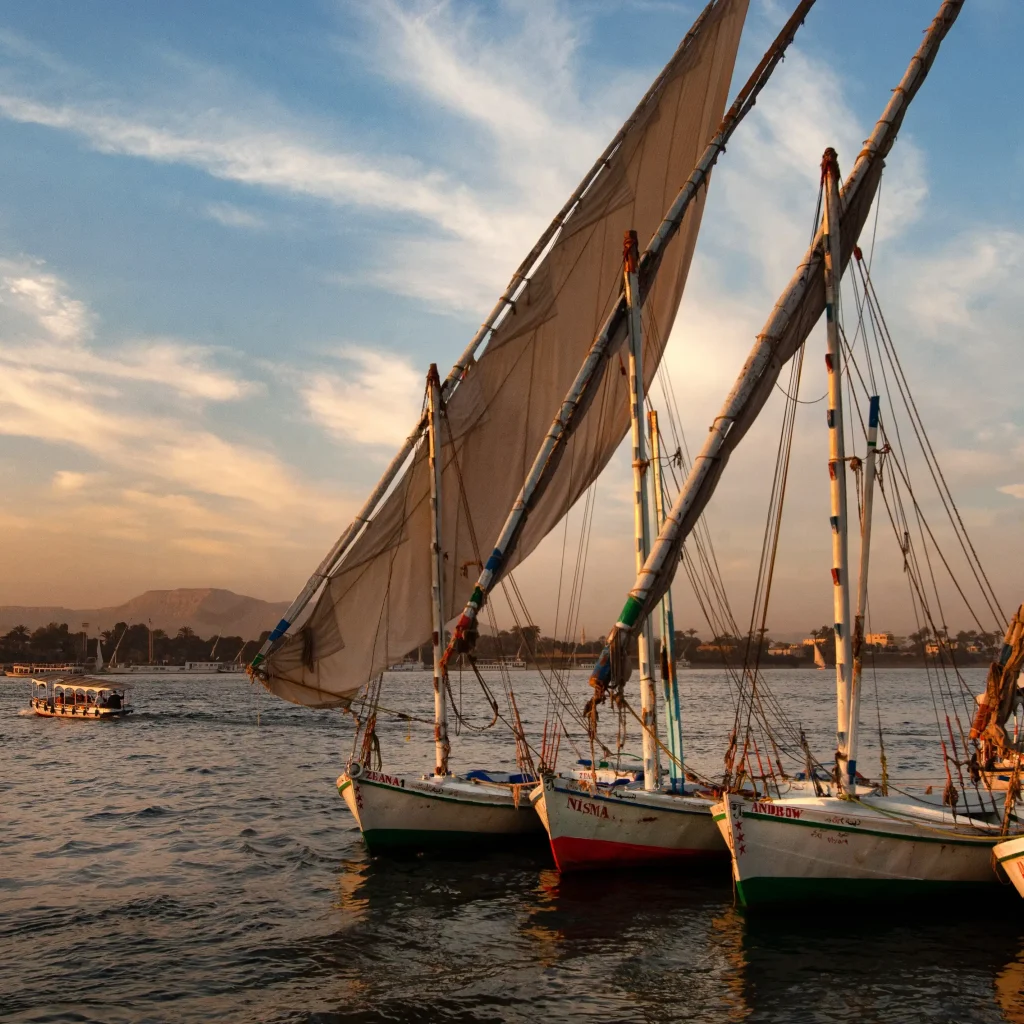
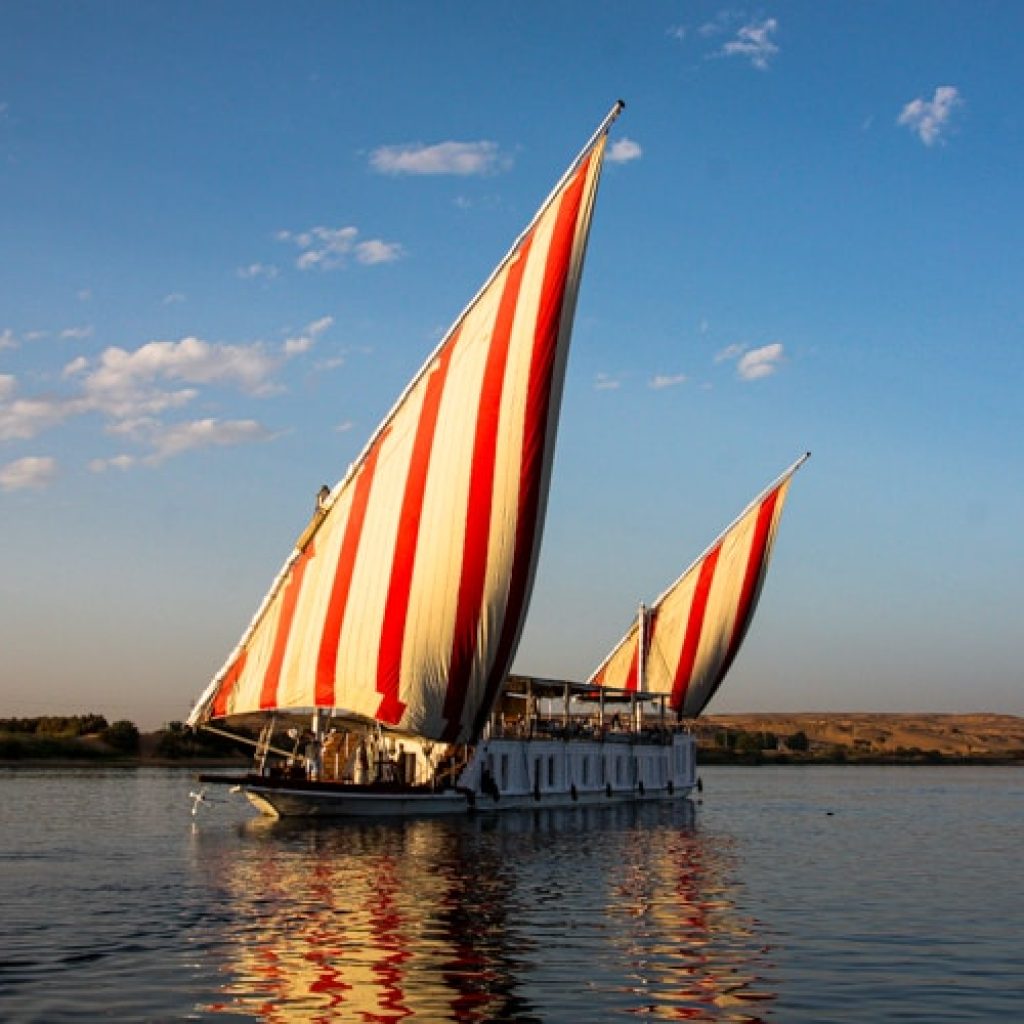
A visit becomes particularly memorable when incorporated into a traditional felucca trip. These lateen-sailed boats are one of Aswan’s signature experiences and move quietly through the Nile channels when wind conditions are favorable.
Instead of treating transportation as dead time, the journey becomes part of the attraction.
If the wind is weak, the route may take longer or require adjustments. Travelers with tight schedules may prefer a motorboat for predictability.
For those with a relaxed afternoon, however, combining the garden and a felucca trip is one of the most pleasant things to do aswan because it blends river scenery with time on land.
How Much Time Do You Need?
Most visitors need about one to two hours on the island itself. That is enough to walk the main paths, pause for photographs, enjoy the shade, and explore without rushing.
If you are genuinely interested in plants, photography, or birdlife, you may want longer. If you simply want a peaceful walk between major sightseeing stops, an hour can be sufficient.
Allow extra flexibility when traveling by felucca because sailing times depend on wind.
Best Time of Day to Visit
Morning and late afternoon are generally the most comfortable periods, particularly during warmer months.
An early visit offers cooler temperatures and can feel peaceful before more tour boats appear.
The garden itself should be visited with enough daylight to walk comfortably, so do not arrive too close to closing time.
Midday is possible during cooler months, but shade does not eliminate Aswan’s heat. In late spring, summer, and early autumn, intense temperatures can make even a garden walk tiring.
Always carry water, sun protection, and a hat.
Best Season for the Garden
Aswan is most comfortable for general sightseeing during the cooler months, roughly from late autumn through early spring. Winter days are typically easier for walking than the extreme heat of summer.
Winter is pleasant for walking, while early spring can combine greenery with warmer light and longer afternoons. Summer requires careful timing, hydration, and realistic expectations about heat.
There is no single guaranteed month when every section will look equally lush.
What Is the Atmosphere Like?
The island feels quieter than Aswan’s busiest streets and archaeological sites.
There are no monumental temples to interpret and no sequence of must-see rooms. That absence of pressure is part of the appeal.
Photographers gain different subjects from those found at temples. Solo travelers can simply wander at their own pace.
In an itinerary filled with historical information, the garden gives your attention a rest.
Is It Worth Visiting?
The answer depends on how much time you have in Aswan.
If you have only a few hours and have never seen Philae Temple, the Nubian Museum, or the Nile, kitcheners island aswan probably should not replace those experiences.
If you have one or two full days, however, the island becomes much easier to recommend. It adds variety and works particularly well between more demanding attractions.
Travelers who enjoy gardens, photography, river journeys, and peaceful walks are likely to appreciate it most.
The kitcheners island aswan visit is not dramatic in the way Abu Simbel or Philae is dramatic. Its value lies in contrast and calm.
Kitchener’s Island vs. Elephantine Island
Kitchener’s Island is primarily a botanical garden. You go there for plants, shaded paths, and a quiet walk.
Elephantine Island has deeper archaeological and cultural significance. It contains ancient remains, Nubian communities, a museum area, and evidence of Aswan’s long history as a frontier and trading center.
If time allows, visiting both creates a stronger understanding of the Nile landscape.
A thoughtful aswan islands guide should therefore treat them as complementary rather than competing stops.
Pairing the Garden with Other Aswan Sights
The garden combines easily with several nearby attractions.
A morning could begin at Philae Temple before temperatures rise, followed by lunch and an afternoon felucca ride to the botanical garden.
Another option is to pair Kitchener’s Island with Elephantine Island and explore both during one river outing.
Travelers staying longer can combine the garden with the Nubian Museum, Unfinished Obelisk, Nubian villages, or a sunset viewpoint on another day.
Boat movements, entrance time, heat, and photography stops all add up.
Aswan is best enjoyed at a slower rhythm than a checklist suggests.
Photography Tips
The garden gives photographers a useful change from sandstone temples and desert landscapes.
Use pathways as natural leading lines and frame river views with palm trunks or leaves. Look for contrasts between dense foliage and the dry hills beyond the Nile.
Morning or late-afternoon light is usually softer and produces better depth than midday sun.
A standard phone camera is sufficient for most visitors. Photographers carrying larger equipment should protect it from dust and keep an eye on belongings while moving between boats.
When photographing people, ask permission first rather than assuming the garden setting makes every subject part of the scenery.
Practical Visitor Tips
Wear comfortable shoes because you will be walking on garden paths and boarding boats.
Carry water even if your visit is short. Aswan’s dry climate can make dehydration easy to underestimate.
Use sunscreen and a hat because parts of the island are exposed despite the abundant trees.
Bring small Egyptian-pound notes for minor purchases, boat-related expenses, or tips when appropriate.
Agree on boat prices before leaving the waterfront and confirm exactly where your boatman will wait or collect you.
Check current opening hours and admission arrangements locally because operational details can change.
Most importantly, do not expect a perfectly manicured European-style botanical garden. Enjoy it as an Aswan green space with history, local character, and an exceptional Nile setting.
Where It Fits in an Aswan Itinerary
For a first-time visitor spending two or three days in Aswan, Kitchener’s Island works best as a secondary attraction.
Prioritize Philae, the river itself, Nubian heritage, and any major excursions that matter to you. Then use the garden to create breathing space between them.
On a longer stay, the island can become part of a relaxed afternoon dedicated entirely to boating and river scenery.
The kitchener island botanical garden egypt stop is especially useful for travelers arriving from Luxor after several monument-heavy days.
A Different Side of Aswan
For travelers researching things to do aswan, the most famous answers understandably involve temples, Nubian culture, and boat trips. Kitchener’s Island combines two of those pleasures indirectly: a Nile journey and a quiet cultural landscape.
You will not leave with the same sense of awe produced by Abu Simbel, and that is not the point.
The island works because it asks very little of you. Walk, notice the plants, photograph the river, find shade, and enjoy being somewhere that feels separate from the traffic and heat of the mainland.
Within a busy Egyptian itinerary, experiences like this can become unexpectedly memorable.
Frequently Asked Questions
Is Kitchener’s Island the same as the Aswan Botanical Garden?
Yes. The island is widely known as Kitchener’s Island and also as the Aswan Botanical Garden or El Nabatat Island. Visitors travel there primarily to walk through its planted areas and enjoy Nile views.
How do you reach Kitchener’s Island?
You must travel by boat because there is no road connection for visitors. Motorboats and feluccas can be arranged from Aswan’s waterfront, through hotels, or with local guides.
How long should I spend at the botanical garden?
Most travelers will find one to two hours sufficient for walking the main paths, taking photographs, and enjoying the atmosphere. Allow additional time for boat travel, especially when using a felucca.
Is Kitchener’s Island worth visiting if I have only one day in Aswan?
With only one day, prioritize the attractions that matter most to you, usually Philae and key Nile experiences. The garden is more worthwhile when you have enough time to enjoy it without replacing a major priority.
Can I visit Kitchener’s Island and Elephantine Island together?
Yes. They are neighboring islands but offer different experiences. Kitchener’s Island focuses on the botanical garden, while Elephantine offers archaeology, Nubian communities, and deeper historical context.
What is the best time to visit Kitchener’s Island?
Morning or late afternoon is generally best because temperatures are more comfortable and the light is softer. During hotter months, avoid scheduling a long walk around the strongest midday heat.
What should I bring for the visit?
Bring comfortable shoes, water, sunscreen, a hat, and small cash. Confirm boat arrangements before departure and check current local opening hours and admission details before relying on an older schedule.
0 Comment