

Choosing the right direction for a Nile cruise can seem like a small detail, but it can shape the pace, cost, and overall feel of an Egypt holiday. Most classic cruises operate between Luxor and Aswan, stopping at major sights such as Esna, Edfu, and Kom Ombo. The same river, temples, and ship may be involved, yet starting in one city rather than the other can make a meaningful difference.
The key question is not simply which route is better. It is which direction fits your flights, hotel plans, sightseeing priorities, and preferred travel pace. This nile cruise luxor to aswan vs aswan to luxor comparison explores the practical differences between the two routes and helps you decide where to start.
How Nile Cruise Directions Work
A traditional Nile cruise connects Luxor and Aswan over several days, usually stopping at important archaeological sites along the river. The itinerary may include Luxor Temple, Karnak Temple, the Valley of the Kings, Edfu Temple, Kom Ombo, and Philae Temple, depending on the exact schedule and whether sightseeing is included before or after sailing.
The direction changes the order in which you experience these attractions. A cruise from Luxor to Aswan generally travels southward, while a cruise from Aswan to Luxor travels northward. Because the Nile flows generally from south to north, the two directions involve different sailing conditions.
However, modern cruise ships are not simply carried by the current. Engines, docking schedules, locks, and operational arrangements all affect the journey. As a result, the practical difference between directions is often more about itinerary structure than dramatic sailing speed.
Luxor to Aswan: What Is the Experience Like?
A Luxor-to-Aswan cruise is one of the most familiar ways to experience the Nile. Luxor provides a strong starting point because it contains an extraordinary concentration of ancient monuments.
Before boarding, travelers can visit Karnak Temple and Luxor Temple on the East Bank, while the West Bank offers the Valley of the Kings, Hatshepsut Temple, and other archaeological sites.
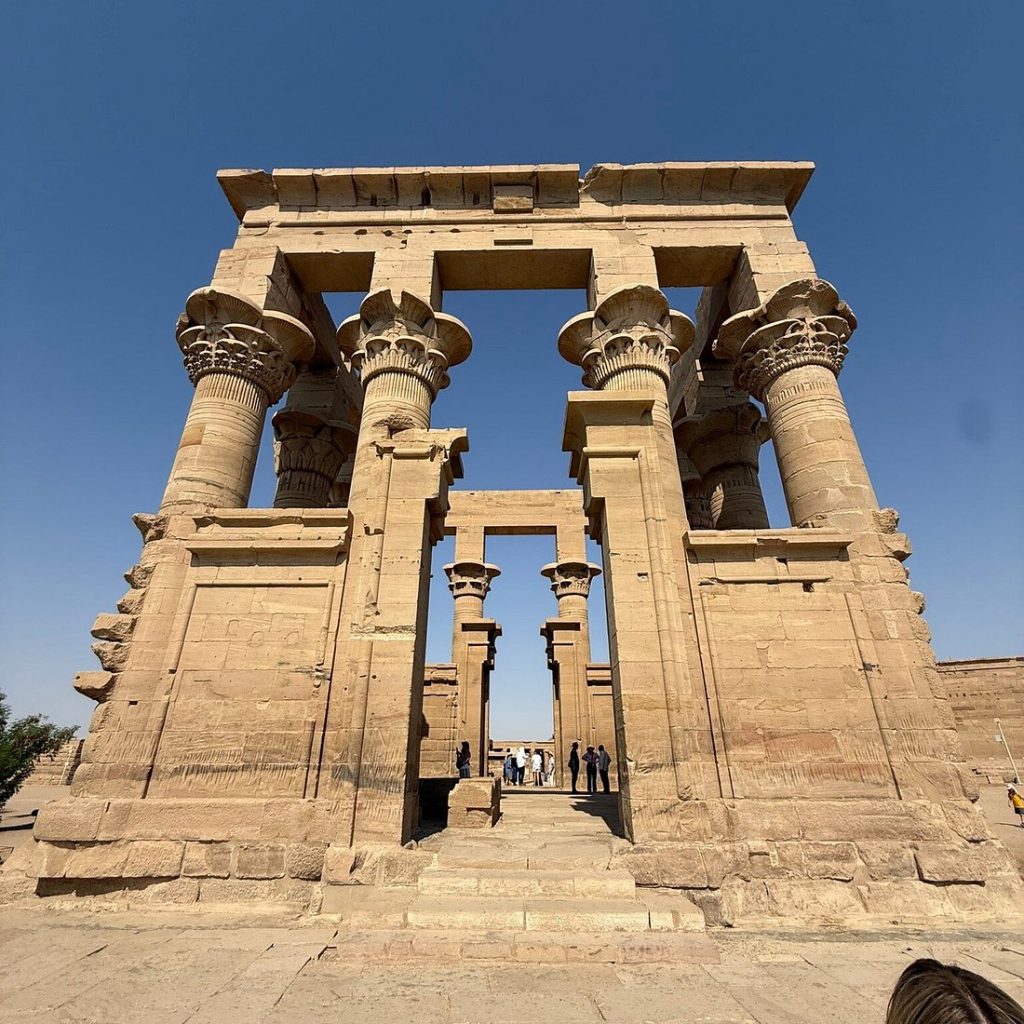
After the initial sightseeing, the cruise becomes a gradual journey south. The scenery changes from urban areas to agricultural villages, palm-lined riverbanks, and desert landscapes. The journey eventually reaches Aswan, where Philae Temple, the High Dam, the Unfinished Obelisk, and Nubian communities offer additional experiences.
Advantages of Starting in Luxor
One major advantage is that the itinerary begins with some of Egypt’s most famous monuments. Travelers who are particularly interested in ancient Egyptian history may appreciate having Luxor’s major sites as the opening chapter of the cruise.
Another benefit is the sense of progression. You begin in the heart of ancient Thebes and gradually move south toward Aswan and the First Cataract. The changing scenery makes the cruise feel like a journey rather than simply accommodation on water.
Luxor can also be convenient for travelers arriving from Cairo. Many itineraries connect Cairo with Luxor by domestic flight, train, or private transfer, allowing the cruise to become the central part of the trip.
Aswan to Luxor: What Is the Experience Like?
The reverse route begins in Aswan and travels north toward Luxor. For some travelers, this creates a more relaxed opening because Aswan has a slower atmosphere than Luxor.
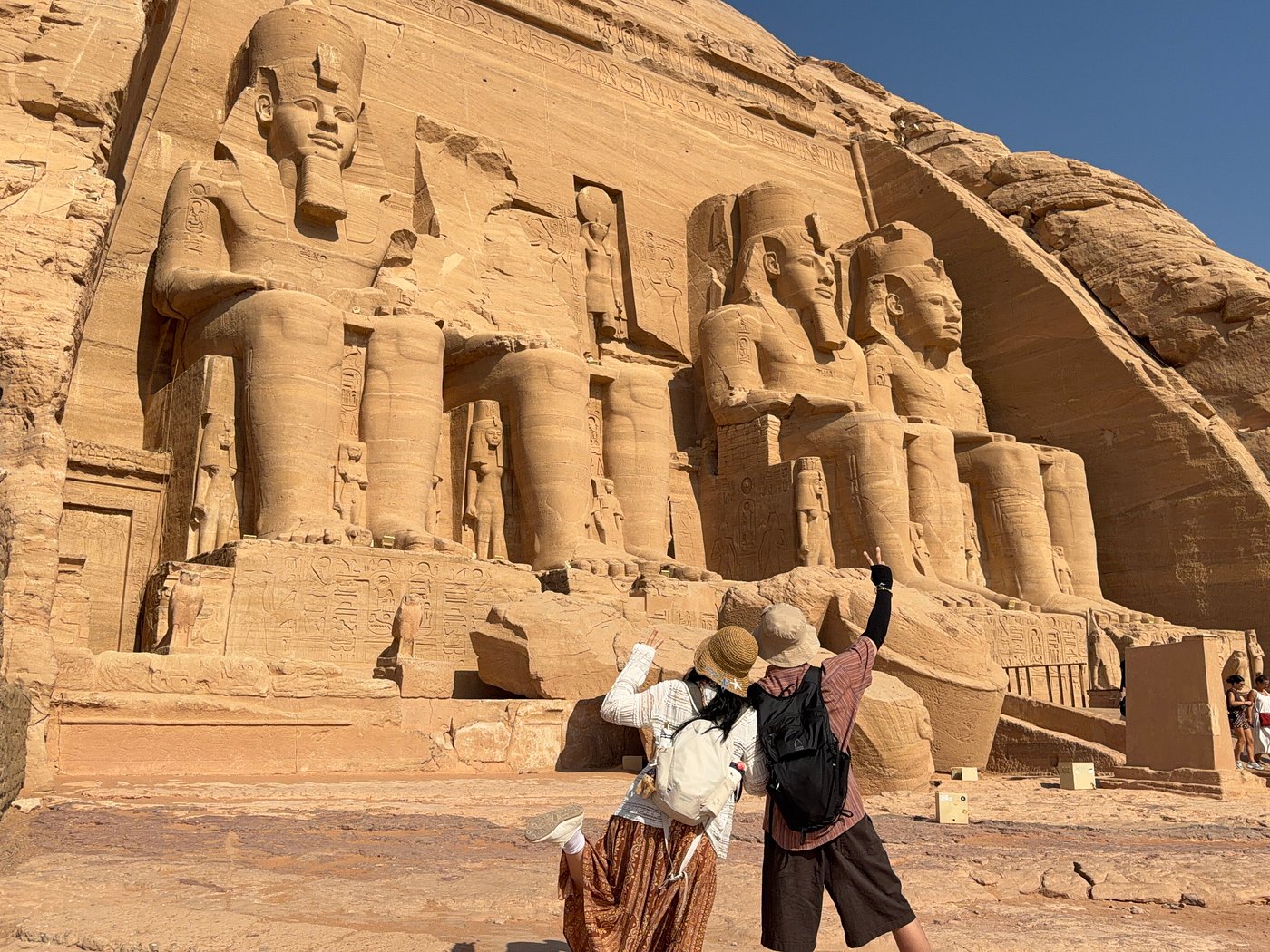
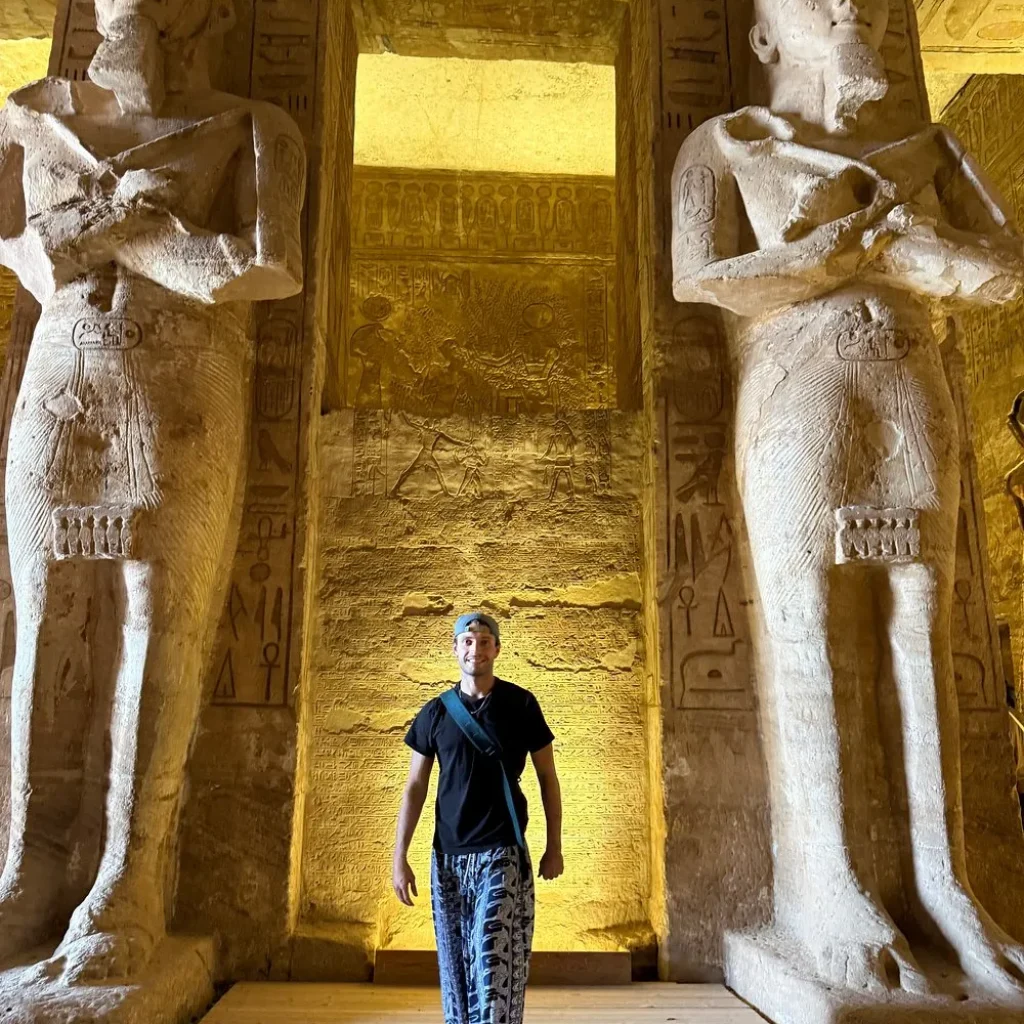
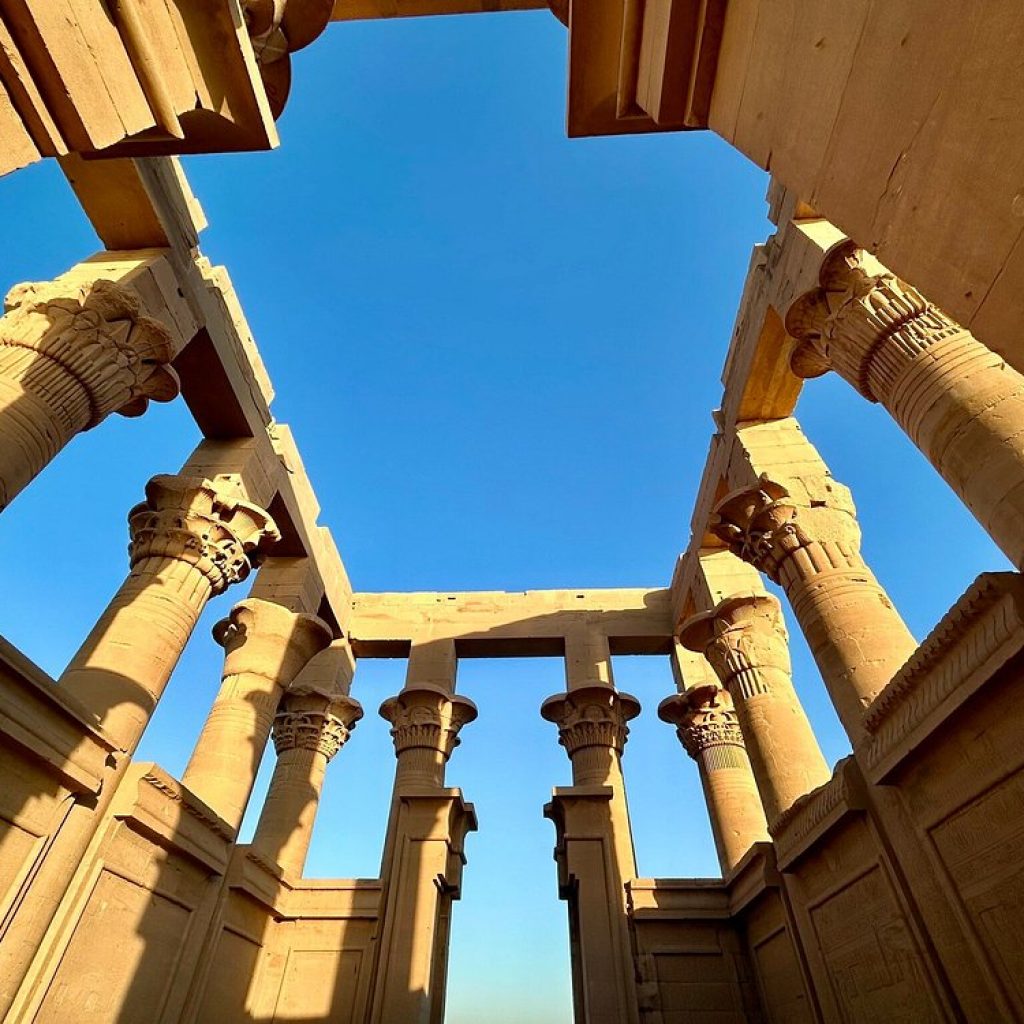
Before boarding, visitors can explore Philae Temple, the Unfinished Obelisk, the High Dam, and nearby Nubian communities. Abu Simbel can also be added before the cruise, depending on the itinerary.
The ship then travels north, stopping at Kom Ombo and Edfu before continuing toward Luxor. The final stages bring travelers into the historical landscape of ancient Thebes.
Finishing in Luxor can be especially convenient for people who want several additional days of sightseeing after the cruise. Instead of leaving an archaeological city immediately, you can use Luxor as a base for deeper exploration.
Advantages of Starting in Aswan
The biggest advantage may be logistical. Travelers planning Abu Simbel or a longer stay in southern Egypt can place those experiences before the cruise and then continue north.
Aswan also offers a quieter introduction to the Nile. Instead of beginning with the intensity of Luxor’s archaeological attractions, you can spend time beside the river, explore Nubian culture, and settle into a slower rhythm.
For some visitors, ending in Luxor is also satisfying. The cruise builds toward the large temple complexes and royal tombs of Thebes, giving the final part of the journey a strong historical climax.
Upstream vs Downstream Nile Cruise
The phrase upstream vs downstream nile cruise can sound more complicated than it really is. Since the Nile flows from south to north, traveling from Aswan toward Luxor is generally considered downstream, while Luxor to Aswan is upstream.
In practical terms, however, the difference in travel time is not always dramatic. Cruise schedules depend on the ship, itinerary, locks, docking arrangements, and sightseeing program. Some departures may also spend different amounts of time at ports.
What matters more is how the direction fits your schedule. If you have a fixed flight after the cruise, check the expected arrival and disembarkation arrangements carefully rather than choosing a direction based only on assumptions about river flow.
Which Direction Has Better Scenery?
Both directions provide beautiful scenery, and the views do not change fundamentally because you reverse the route. The Nile Valley remains the same landscape of cultivated fields, palm trees, villages, desert cliffs, and traditional boats.
The difference is in what you notice as the journey unfolds.
From Luxor to Aswan, the scenery gradually leads toward the distinctive landscapes around Aswan and the First Cataract. From Aswan to Luxor, the journey moves from the granite landscapes of the south toward the wider agricultural valley.
If photography is important, consider the position of the sun as well as the direction of travel. Morning and afternoon light can dramatically change the appearance of the riverbanks, so the ship’s orientation at different times may matter more than the overall route.
How Long Should a Nile Cruise Take?
Classic cruises commonly operate for several nights, but the exact duration varies. Four-night and five-day patterns are common, while longer itineraries may add additional sightseeing or time on board.
Do not choose a cruise solely by the number of nights. Check what is actually included.
Look at:
- Number of nights on the ship
- Meals included
- Guided sightseeing
- Entrance fees
- Transfers
- Pickup and drop-off
- Cabin category
- Departure and arrival times
A cheaper cruise may appear attractive until you discover that transportation, entrance fees, or guided visits cost extra.
Comparing Costs Between Directions
Egypt travel prices change according to season, ship category, availability, and booking conditions. In many cases, the same vessel can operate in both directions, so the basic cruise price may be similar.
However, the total cost of your trip can differ because of transportation before and after the cruise.
For example, starting in Luxor may be cheaper if your flight or train arrives directly there. Starting in Aswan may make more sense if you are already traveling south from Cairo or planning Abu Simbel.
When comparing prices, calculate the entire itinerary rather than comparing cruise prices alone.
Where to Start Based on Your Flights
Flights can be one of the strongest reasons to choose one direction.
If your international arrival connects conveniently to Luxor, starting there can reduce unnecessary transfers. If you already plan to visit Aswan first, beginning the cruise there may create a smoother route.
Think about the trip as one continuous line rather than separate bookings.
For example, Cairo to Aswan, Abu Simbel, Aswan to Luxor cruise, then several nights in Luxor creates a logical south-to-north journey. Another traveler might prefer Cairo to Luxor, cruise to Aswan, then Abu Simbel before returning to Cairo.
Neither is automatically better. The strongest itinerary is the one with fewer unnecessary backtracks.
Where to Start If You Want Abu Simbel
Abu Simbel is an important factor when choosing a direction. The temples are located south of Aswan, so travelers often combine them with an Aswan stay.
If you start your cruise in Aswan, you can visit Abu Simbel before boarding and then continue north by ship. This creates a particularly efficient sequence for travelers whose main goal is to experience southern Egypt.
If you cruise from Luxor to Aswan, you can finish the cruise in Aswan and then add Abu Simbel afterward. This also works well, especially if you have an extra day available.
The important point is to leave enough time between the cruise and any fixed transportation.
Where to Start If Luxor Is Your Priority
Travelers fascinated by pharaohs, tombs, and temples may prefer beginning or ending around Luxor.
Luxor deserves more than a rushed visit. Karnak, Luxor Temple, the Valley of the Kings, and the West Bank contain enough attractions to fill multiple days.
If your cruise ends in Luxor, you can stay longer without worrying about catching a same-day connection. This makes Aswan-to-Luxor attractive for travelers who want to explore Luxor at a slower pace.
If you begin in Luxor, you can complete the major sightseeing first and then enjoy a more relaxed cruise afterward.
How the Cruise Fits Into a Larger Egypt Itinerary
The best nile cruise direction is often determined by everything around it.
A typical itinerary might include Cairo, a Nile cruise, Abu Simbel, and additional days in Luxor or Aswan. The order can change depending on flights and interests.
Before booking, write down every destination and connect them logically.
For example:
Cairo → Luxor → Cruise → Aswan → Abu Simbel → Cairo
or:
Cairo → Aswan → Abu Simbel → Cruise → Luxor → Cairo
Both routes are practical. The second may be particularly efficient if Abu Simbel is a priority, while the first can work well for travelers who want to begin with Luxor’s major temples.
What About Cruise Schedules?
Cruise schedules are not identical across every ship or operator. Some vessels sail on fixed days, while others operate according to seasonal schedules.
This means that flexibility can be valuable.
If you have several possible travel dates, compare ships and directions before making a final decision. A slightly different departure date might provide a better cabin, price, or itinerary.
Always confirm the exact boarding and disembarkation points. Some packages describe a cruise by its destination rather than clearly stating where passengers board.
Choosing a Cruise Ship
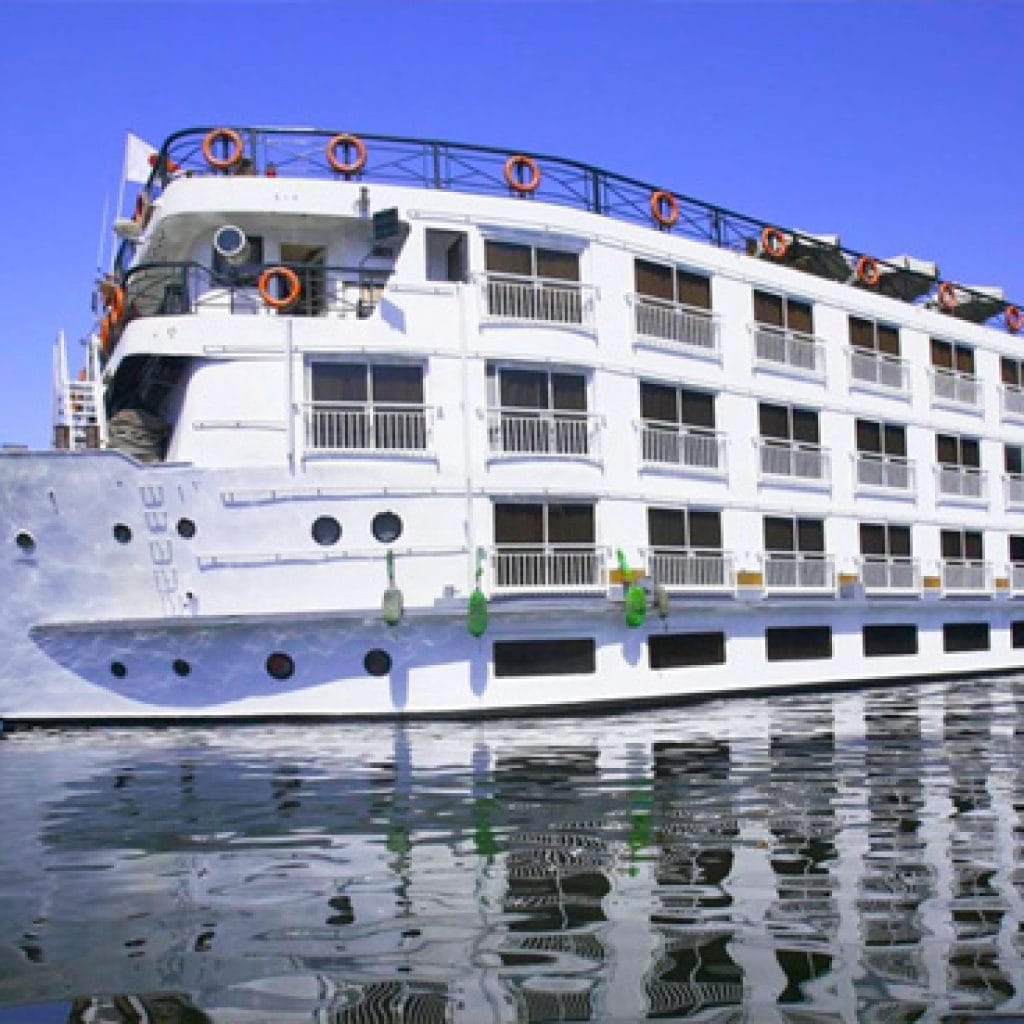
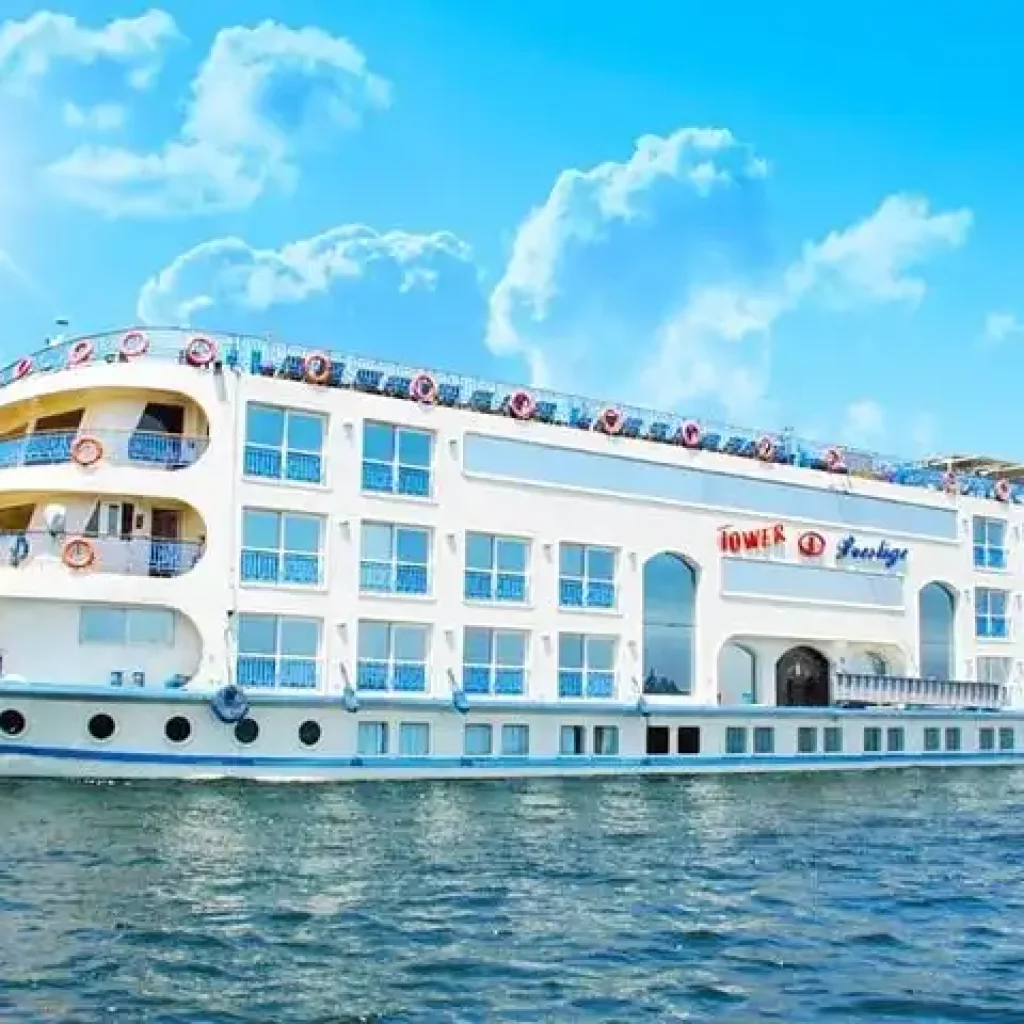
The direction is only one part of the decision. The quality of the ship can affect your experience significantly.
Compare cabin size, deck space, dining arrangements, pool area, renovation date, reviews, and included services.
A good itinerary on a poorly maintained ship may be less enjoyable than a slightly more expensive cruise with better accommodation.
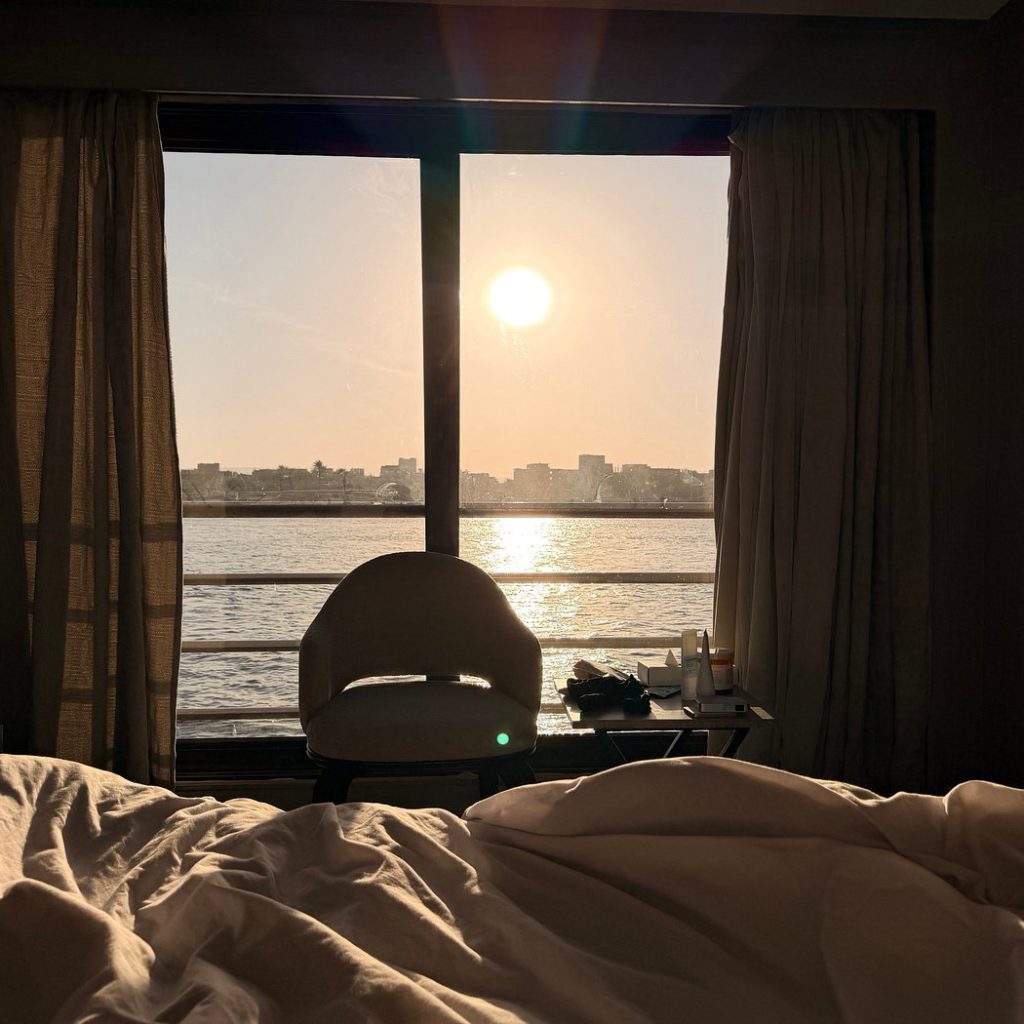
Also consider how much time you expect to spend in your cabin. If you plan to spend most of the journey on deck watching the Nile, outdoor space may be more important than having the largest room.
Private or Group Cruise?
A private cruise arrangement can provide more flexibility around transfers and sightseeing, but it may cost more. Group cruises can be more economical and make it easier to meet other travelers.
Your choice should depend on the level of independence you want.
If you have specific interests, such as photography, archaeology, or Nubian culture, a private guide before or after the cruise can add significant value even when the cruise itself is shared.
A Simple Decision Guide
If you are still wondering where to start nile cruise, use your wider itinerary as the deciding factor.
Choose Luxor if you want to begin with Egypt’s major ancient monuments, prefer ending in Aswan, or have convenient transportation into Luxor.
Choose Aswan if you want to combine Abu Simbel before sailing, prefer a quieter beginning, or want to finish in Luxor for additional sightseeing.
There is no universal winner.
Luxor to Aswan
Pros include starting with major archaeological sites, a natural southbound progression, and finishing near Aswan’s Nubian and Abu Simbel experiences.
Cons can include a busier opening, potentially more intensive sightseeing at the beginning, and the need to arrange onward travel from Aswan.
Aswan to Luxor
Pros include a relaxed beginning, easy integration with Abu Simbel, and the ability to finish in Luxor with extra time for sightseeing.
Cons may include less flexibility if your arrival into Aswan is complicated and a longer transfer from northern Egypt before boarding.
FAQ
Is Luxor to Aswan better than Aswan to Luxor?
Neither direction is universally better. The best option depends on your flights, Abu Simbel plans, preferred sightseeing order, and how much time you want in Luxor or Aswan.
Is a Nile cruise faster from Aswan to Luxor?
Traveling downstream can have advantages because the Nile flows north, but actual cruise times depend on the ship, itinerary, locks, docking, and scheduled sightseeing.
Where should I start my Nile cruise if I want to visit Abu Simbel?
Starting in Aswan can be convenient because you can visit Abu Simbel before boarding and then travel north. You can also visit Abu Simbel after a Luxor-to-Aswan cruise.
How many nights should I spend on a Nile cruise?
Several-night itineraries are common, but the ideal duration depends on how much sightseeing you want and how much time you have for the rest of Egypt.
Which direction is better for first-time visitors?
Both work well. First-time visitors who prioritize Luxor may prefer starting there, while those interested in Abu Simbel and southern Egypt may find Aswan more convenient.
Is the cruise direction important for scenery?
Both directions offer similar Nile landscapes. The main differences come from the order of attractions, lighting conditions, and the overall rhythm of your itinerary.
How do I choose between the two?
Compare your flights, hotel nights, Abu Simbel plans, cruise schedules, and sightseeing priorities. The best cruise direction is the one that creates the smoothest overall journey.
Final Recommendation
The nile cruise luxor to aswan vs aswan to luxor decision should be based on your complete Egypt itinerary rather than a simple idea that one direction is always superior.
Luxor to Aswan is excellent for travelers who want to begin with ancient Thebes and gradually travel south. Aswan to Luxor is ideal for travelers who want to combine Abu Simbel with a quieter start and finish their cruise near Luxor’s major attractions.
Before booking, compare the full cost, cruise schedule, transfers, included sightseeing, and time available in each city. A well-planned route can make the cruise feel effortless, while an itinerary built around unnecessary transfers can create avoidable stress.
For help planning your Nile journey, compare available cruise options, choose the direction that fits your schedule, and build the rest of your Egypt itinerary around it. The right cruise is not simply the one with the best ship or lowest price; it is the one that makes the entire journey work together.


0 Comment