

Planning a trip to Egypt can feel overwhelming. With thousands of years of history, incredible archaeological sites, vibrant cities, desert landscapes, and beautiful Red Sea beaches, deciding what to see first isn’t easy.
If you have two weeks, you’re in luck. This 2 week Egypt itinerary is the perfect balance of ancient history, cultural experiences, scenic cruising, and relaxing by the sea. Over 14 unforgettable days, you’ll discover the iconic pyramids of Giza, explore the temples of Luxor, sail along the Nile, visit the magnificent Abu Simbel temples, wander through Aswan, and finish your adventure on the stunning Red Sea coast.
Whether you’re visiting Egypt for the first time or returning to explore more, this guide covers everything you need to know, including daily activities, transportation, estimated costs, and practical travel tips for 2026.
Why Two Weeks Is the Perfect Amount of Time in Egypt
Many travelers wonder how long they should spend in Egypt. While a week allows you to see the highlights, two weeks in Egypt gives you enough time to experience the country’s incredible diversity without rushing.
With 14 days, you can:
- Explore Cairo’s world-famous landmarks
- Visit both the Egyptian Museum and the Grand Egyptian Museum (when fully available)
- Discover Luxor’s east and west banks
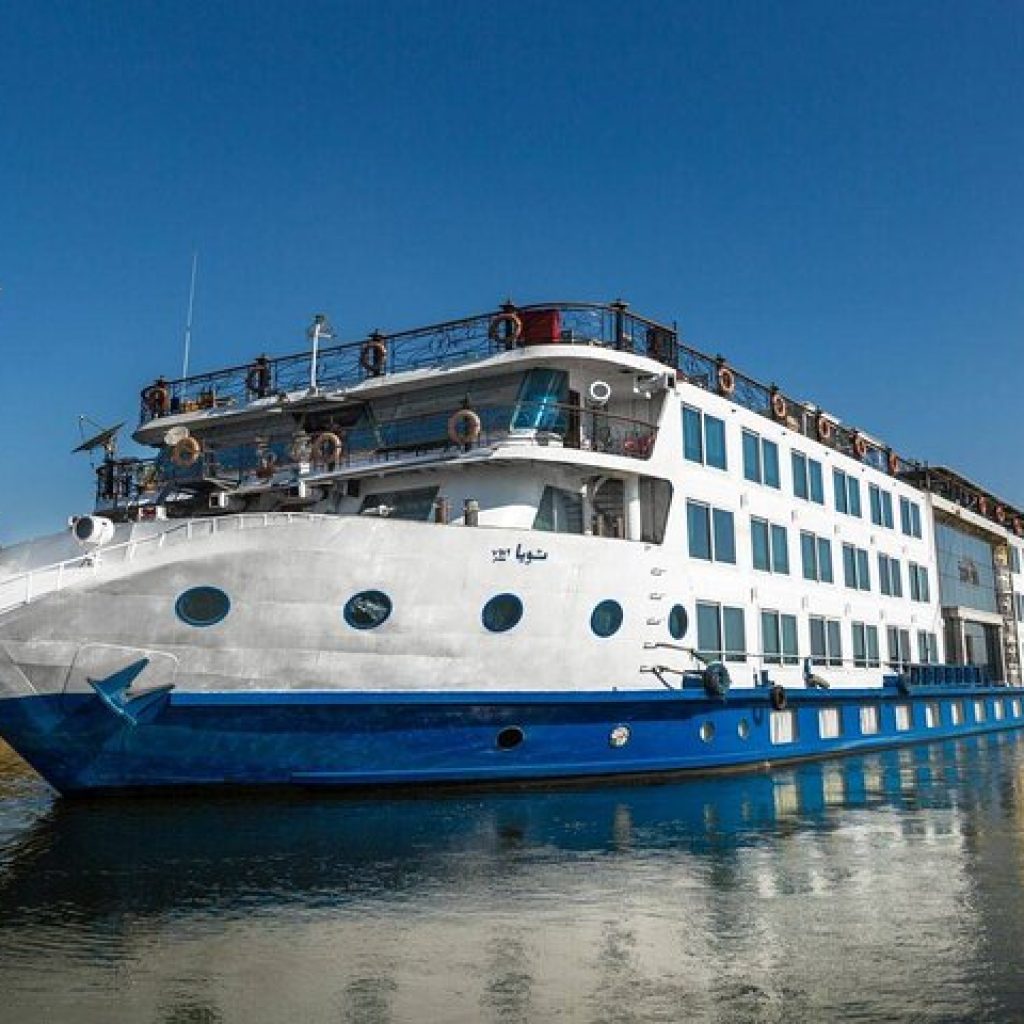
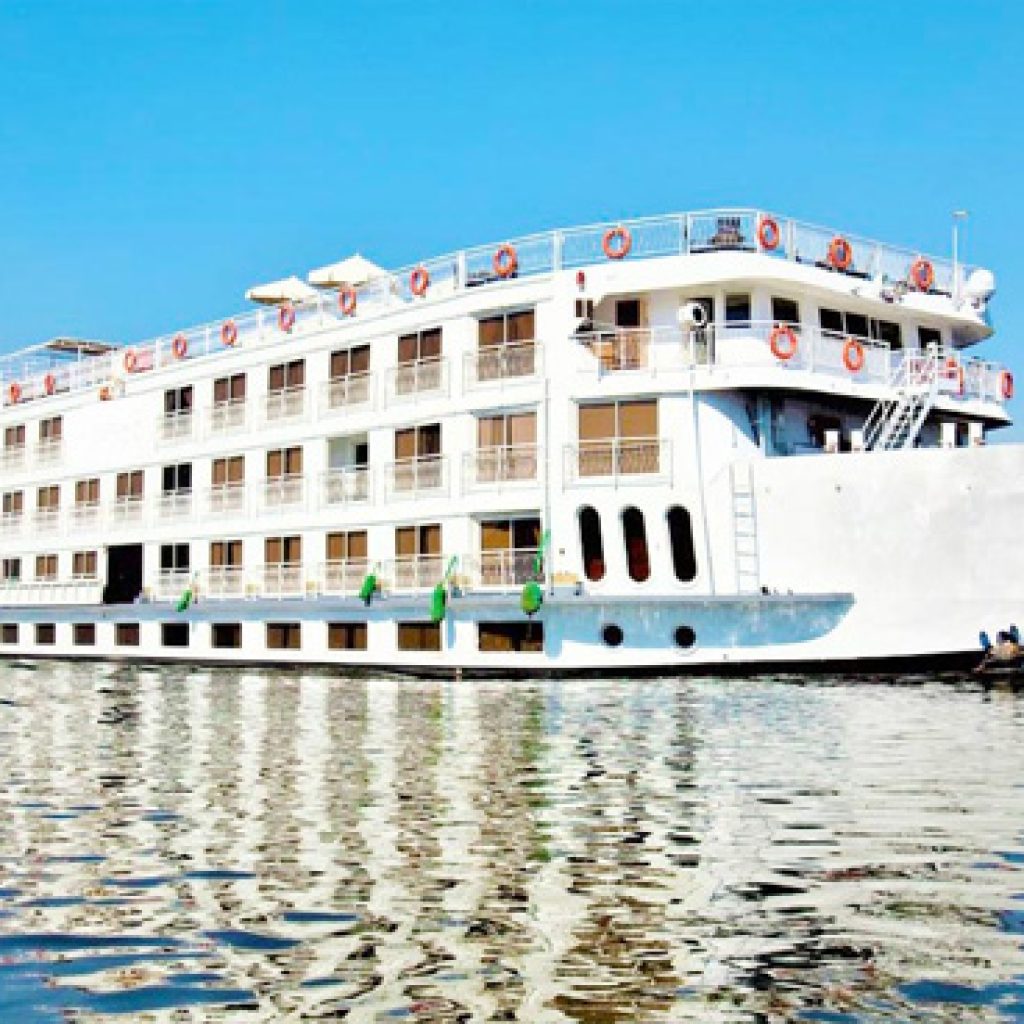
- Enjoy a relaxing 7-night Nile cruise
- Experience Aswan’s peaceful atmosphere
- Take a day trip to Abu Simbel
- Unwind on the Red Sea beaches
- Enjoy authentic Egyptian food and local culture
This 2 week Egypt itinerary combines sightseeing with downtime, making it suitable for couples, families, solo travelers, and history lovers alike.
Why This Route Works So Well
One of the biggest mistakes first-time visitors make is trying to squeeze too many destinations into a short vacation. Egypt is a large country, and while domestic flights make travel easier, constantly moving from one city to another can quickly become exhausting.
This itinerary has been designed to minimize unnecessary travel while ensuring you experience Egypt’s most iconic attractions. Beginning in Cairo allows you to explore the country’s modern capital and its most famous ancient monuments before heading south to Upper Egypt.
Flying directly to Luxor saves valuable travel time, while a 7-night Nile cruise provides a comfortable and scenic way to visit several remarkable temples without repeatedly packing and unpacking your luggage. Instead of spending hours on buses every day, you’ll wake up each morning at a new destination with your hotel traveling alongside you.
Ending your journey on the Red Sea is equally important. After days of early mornings, walking through archaeological sites, and learning about thousands of years of history, a few days by the beach provide the perfect opportunity to relax before returning home.
Overview of Your 14-Day Egypt Itinerary
| Days | Destination |
| Days 1–3 | Cairo & Giza |
| Day 4 | Fly to Luxor |
| Days 5–10 | 7-Night Nile Cruise |
| Day 11 | Abu Simbel Excursion |
| Day 12 | Aswan to Red Sea |
| Days 13–14 | Red Sea Relaxation |
This Egypt itinerary 14 days follows a logical route, minimizing travel time while maximizing sightseeing opportunities.
What Makes Egypt So Special?
Egypt is one of the few destinations where nearly every day brings a completely different experience. One morning you may be standing beside the last remaining Wonder of the Ancient World, and the next you could be sailing quietly along the Nile while watching farmers tend their fields just as their ancestors did centuries ago.
The country’s incredible diversity is what makes it unforgettable. Cairo offers energetic markets, historic mosques, modern cafés, and world-famous museums. Luxor feels like an enormous open-air museum, home to some of the most significant temples and tombs ever discovered. Aswan introduces visitors to Nubian culture and peaceful Nile scenery, while the Red Sea showcases colorful coral reefs and some of the world’s best diving locations.
This combination of history, culture, nature, and relaxation is difficult to find anywhere else, making Egypt one of the most rewarding travel destinations in the world.
Day 1 – Arrive in Cairo
Welcome to Egypt!
Most international flights arrive at Cairo International Airport. After checking into your hotel, spend the rest of the day relaxing after your journey.
If time allows, enjoy a sunset dinner overlooking the Nile or explore nearby neighborhoods like Zamalek or Downtown Cairo.
Highlights
- Airport transfer
- Hotel check-in
- Nile dinner cruise (optional)
- Traditional Egyptian cuisine
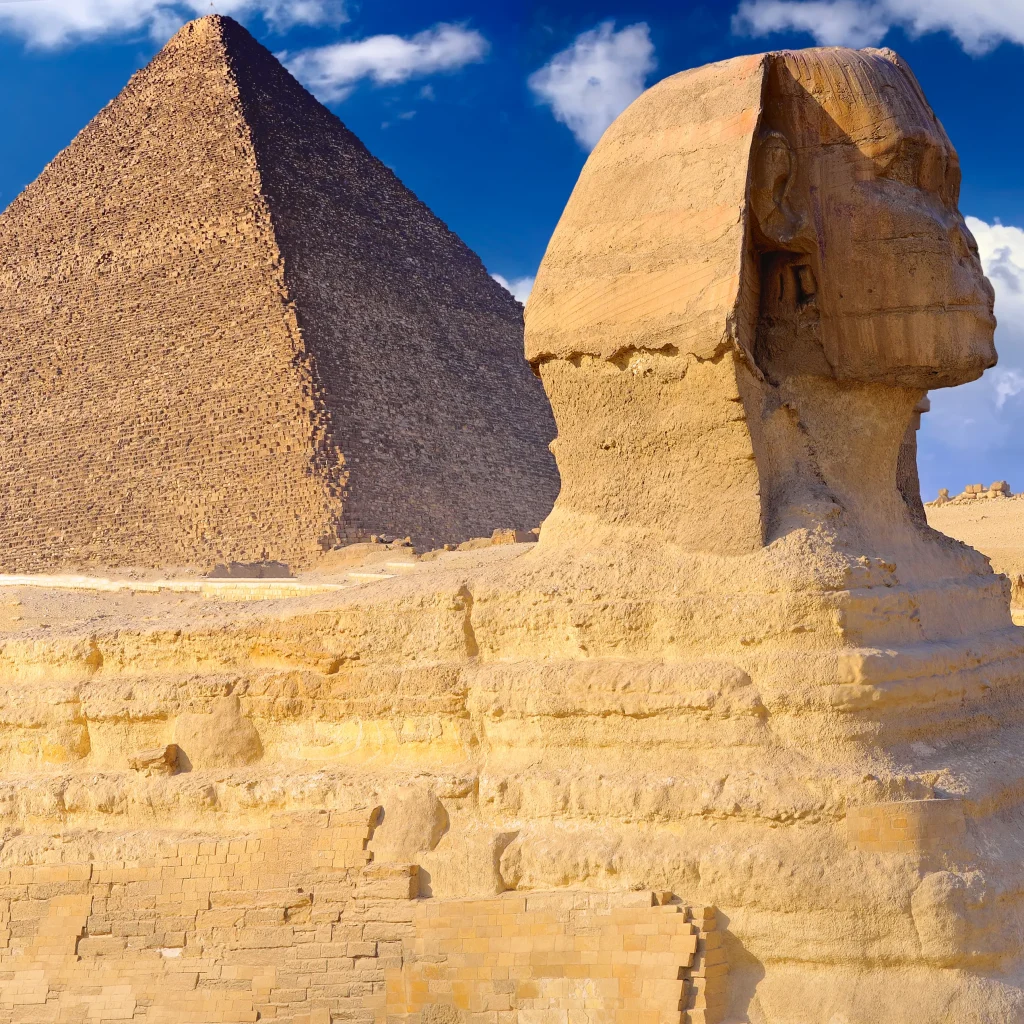
Day 2 – Giza Pyramids, Sphinx & Grand Egyptian Museum
Today is one of the highlights of your 2 week Egypt itinerary.
Start early at the Giza Plateau to beat the crowds and the midday heat.
Visit:
- Great Pyramid of Khufu
- Pyramid of Khafre
- Pyramid of Menkaure
- Great Sphinx
- Valley Temple
After lunch, continue to the Grand Egyptian Museum, home to one of the world’s largest collections of ancient Egyptian treasures.
Travel Tip
Book your pyramid tickets online when possible to save time.
Day 3 – Discover Historic Cairo
Spend the day exploring Cairo’s rich Islamic and Coptic heritage.
Suggested itinerary:
Morning
- Egyptian Museum (or revisit the Grand Egyptian Museum if preferred)
- Tahrir Square
Afternoon
- Salah El-Din Citadel
- Mosque of Muhammad Ali
Evening
- Khan El Khalili Bazaar
- El Moez Street
- Local cafés
Don’t forget to try:
- Koshari
- Shawarma
- Fresh sugarcane juice
Food You Should Try During Your Trip
Egyptian cuisine is flavorful, affordable, and incredibly varied. During your 2 week Egypt itinerary, you’ll have plenty of opportunities to sample traditional dishes that locals enjoy every day.
Start with Koshari, Egypt’s national dish, made with rice, lentils, pasta, chickpeas, crispy onions, tomato sauce, and garlic vinegar. Although simple, it’s one of the country’s most beloved comfort foods.
Another favorite is Ful Medames, slow-cooked fava beans served with olive oil, lemon, and spices. It’s commonly eaten for breakfast alongside fresh Egyptian bread.
You’ll also find delicious grilled meats, including kofta and kebab, served with rice, salads, and tahini. Seafood lovers should take advantage of the fresh catches available in Red Sea resorts, where grilled fish and shrimp are local specialties.
For dessert, don’t miss Basbousa, Konafa, or Om Ali, a rich baked bread pudding with nuts and raisins that’s especially popular after dinner.
Fresh juices, mint tea, Turkish coffee, and sugarcane juice are widely available and make excellent refreshments after a day of sightseeing.
Day 4 – Fly to Luxor
A short flight brings you to Luxor, often called the world’s greatest open-air museum.
Board your luxurious Nile cruise and enjoy lunch onboard before visiting Luxor Temple in the evening.
Luxor Temple is especially beautiful after sunset when the monuments are illuminated.
Day 5 – Karnak Temple & Begin Your Nile Cruise
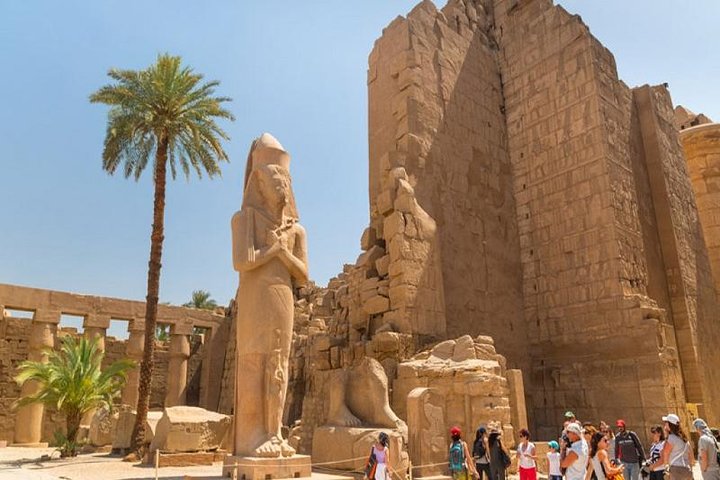
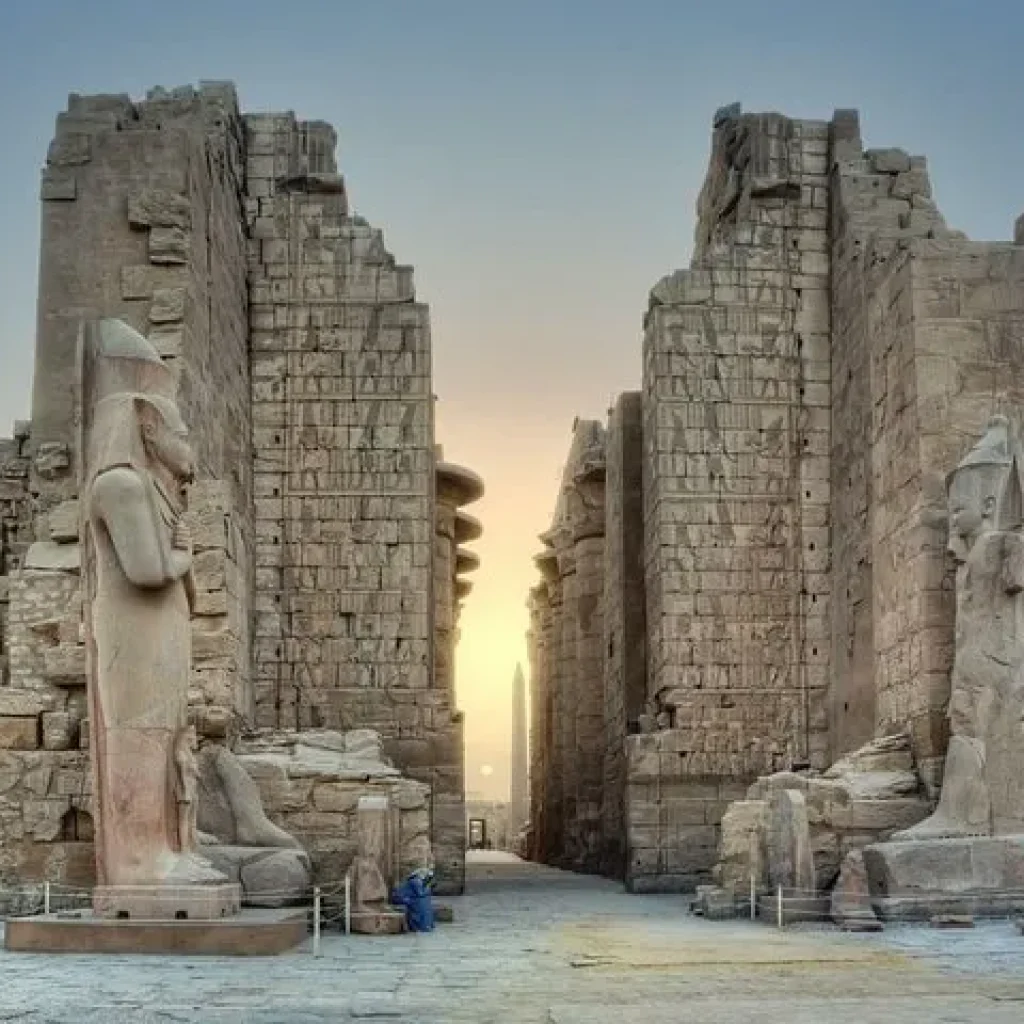
Start your morning at Karnak Temple, one of Egypt’s most impressive archaeological sites.
Highlights include:
- Great Hypostyle Hall
- Sacred Lake
- Obelisks
- Avenue of Sphinxes
After your visit, your cruise begins sailing south along the Nile.
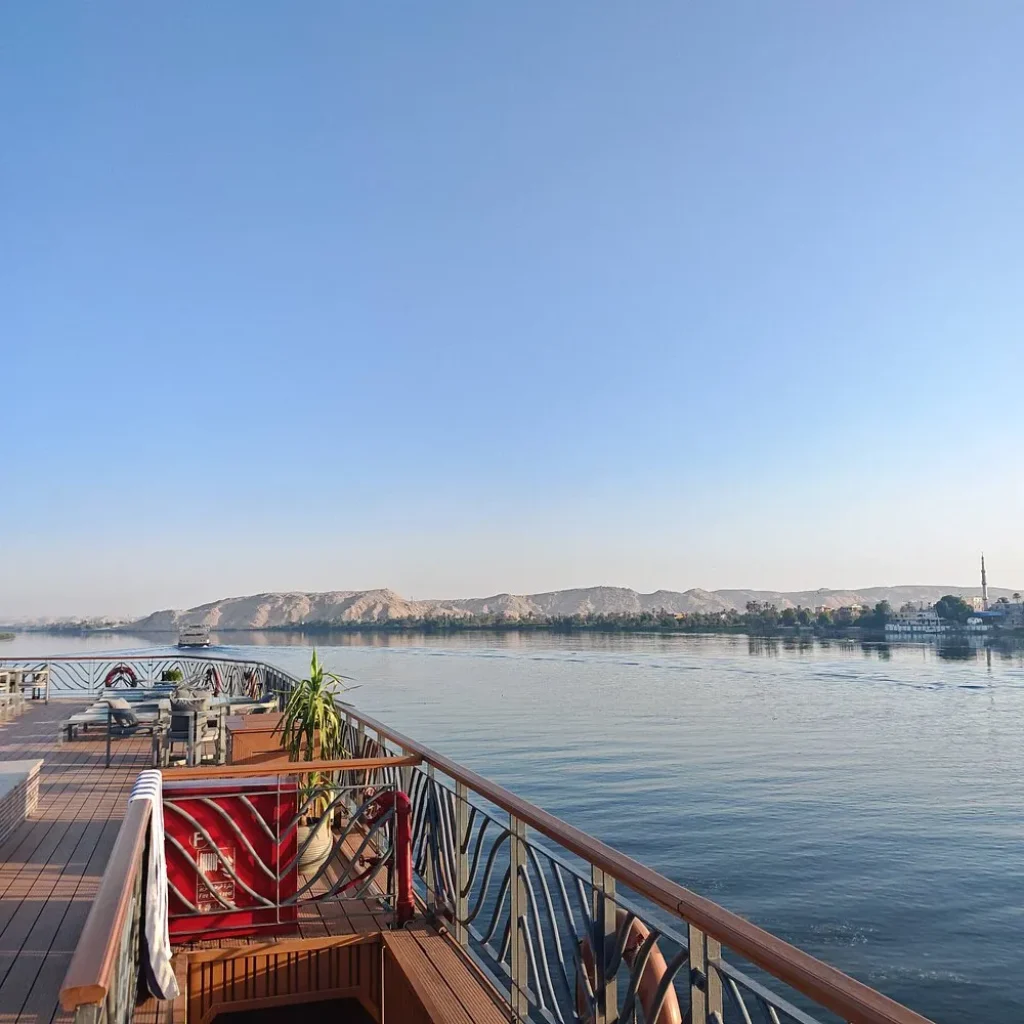
Spend the afternoon relaxing on deck while enjoying beautiful river scenery.
Day 6 – Edfu Temple
Wake up to peaceful Nile views before arriving in Edfu.
The Temple of Horus is among the best-preserved temples in Egypt.
Highlights include:
- Massive entrance pylons
- Falcon statues
- Ancient inscriptions
- Sacred sanctuary
After exploring, continue sailing toward Kom Ombo.
Day 7 – Kom Ombo Temple
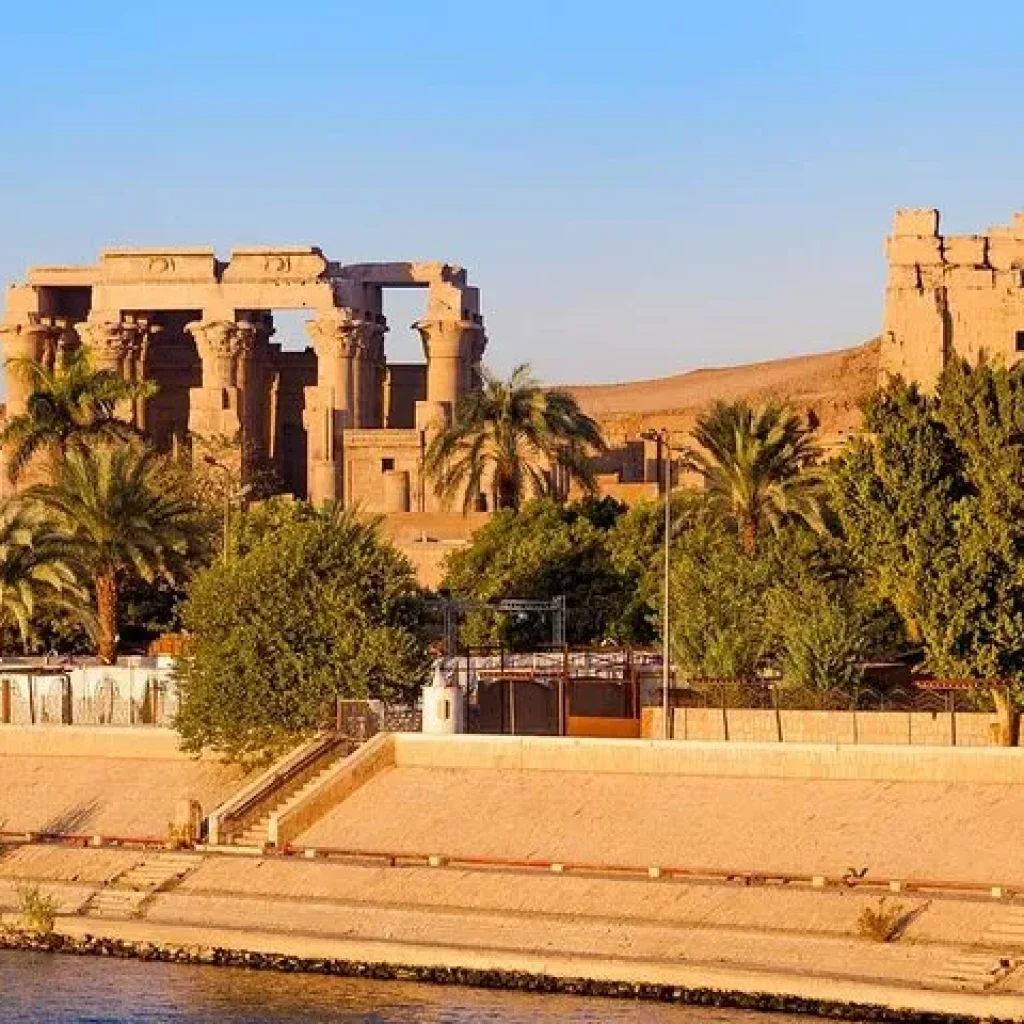
Unlike any other temple in Egypt, Kom Ombo is dedicated to two gods:
- Sobek, the crocodile god
- Horus the Elder
Don’t miss:
- Ancient surgical instruments carved into stone
- Crocodile Museum
- Riverside views
Continue cruising toward Aswan.
Day 8 – Explore Aswan
Aswan offers a slower pace and beautiful scenery.
Today’s attractions include:
- Philae Temple
- High Dam
- Unfinished Obelisk
Optional:
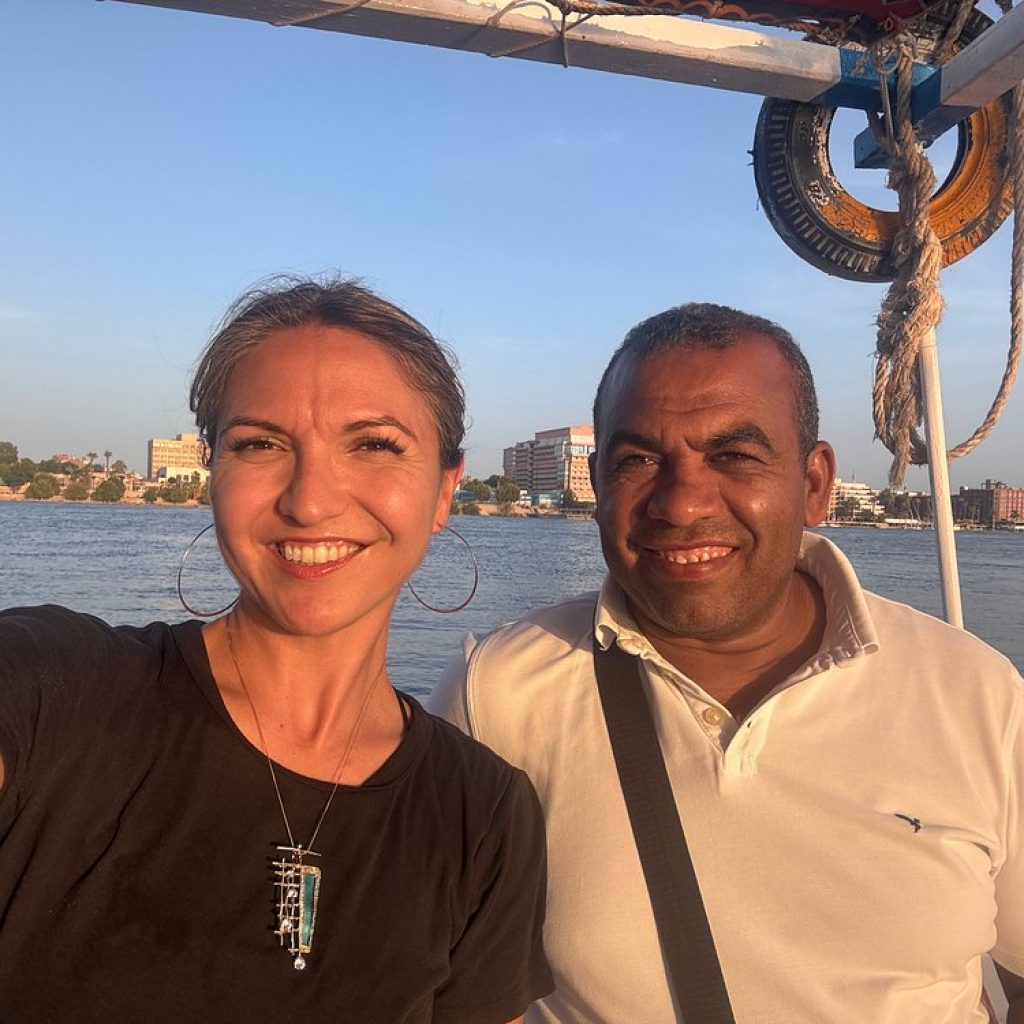
Take a traditional felucca ride around Elephantine Island during sunset.
Day 9 – Relax on the Nile
After several days of sightseeing, enjoy a slower day aboard your cruise.
Activities may include:
- Swimming pool
- Sun deck
- Afternoon tea
- Egyptian cooking demonstration
- Nubian entertainment
This relaxing day is one of the reasons many travelers choose a Nile cruise during their 14 days Egypt adventure.
Day 10 – Free Time in Aswan
Spend your final cruise day exploring at your own pace.
Ideas include:
- Nubian Village
- Botanical Garden
- Local markets
- Riverside cafés
Prepare for tomorrow’s early departure to Abu Simbel.
Day 11 – Abu Simbel Day Trip
Leave before sunrise for one of Egypt’s greatest masterpieces.
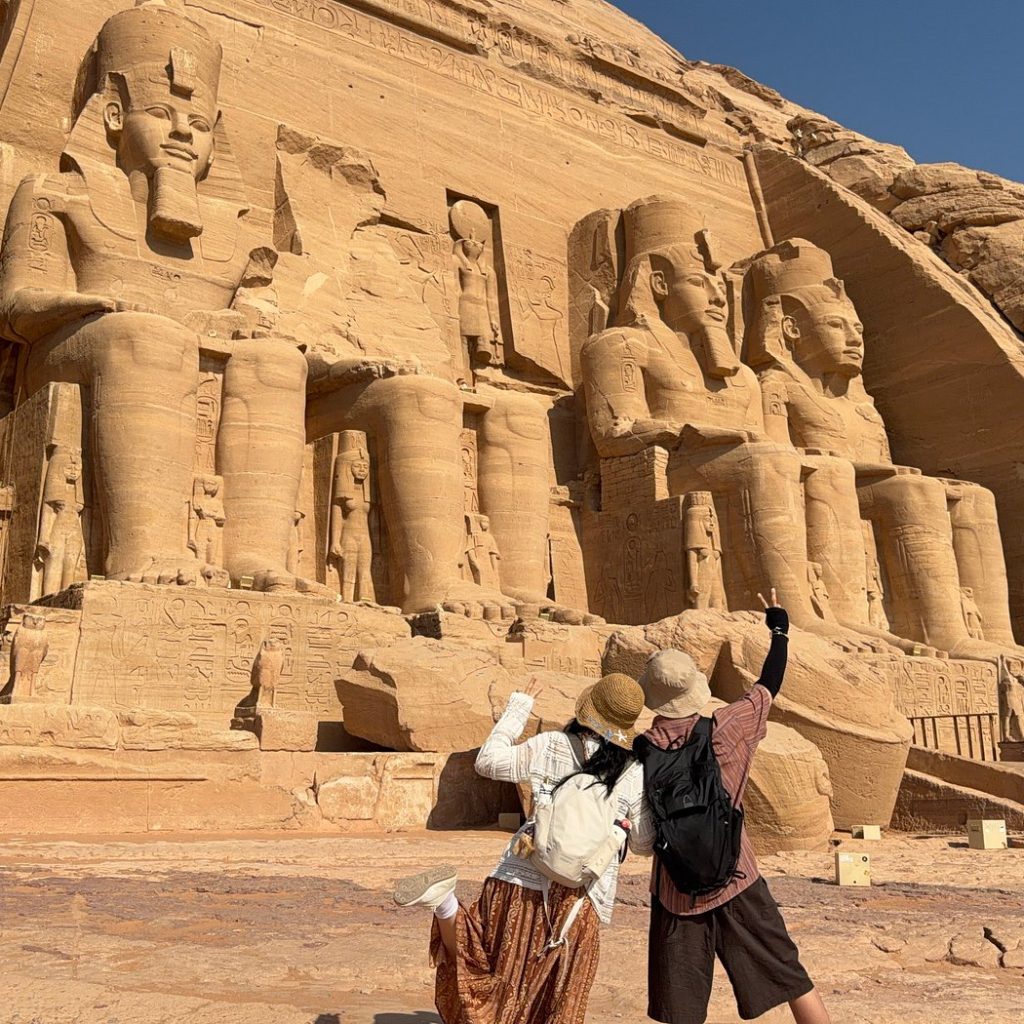
The temples of Abu Simbel were built by Ramses II and relocated during the construction of the Aswan High Dam.
Highlights include:
- Four colossal statues of Ramses II
- Temple of Queen Nefertari
- Ancient wall reliefs
- Lake Nasser views
The journey takes approximately three to four hours each way by road, although flights are also available.
For many travelers, Abu Simbel becomes the most memorable stop of this egypt itinerary 14 days.
Day 12 – Travel to the Red Sea
After returning from Abu Simbel, continue to the Red Sea.
Popular destinations include:
- Hurghada
- El Gouna
- Soma Bay
- Makadi Bay
Spend the evening relaxing at your beach resort.
Day 13 – Enjoy the Red Sea
After nearly two weeks of exploring ancient temples, today is all about relaxation.
Popular activities include:
- Snorkeling
- Diving
- Boat trips
- Desert safari
- Parasailing
- Spa treatments
The Red Sea is famous for its crystal-clear waters and vibrant coral reefs.
Day 14 – Return to Cairo & Departure
Depending on your flight schedule, fly back to Cairo for your international departure.
If you have extra time, consider visiting:
- City Stars Mall
- Local cafés
- Last-minute souvenir shopping
Your unforgettable 2 week Egypt itinerary comes to an end, filled with incredible memories spanning more than 5,000 years of history.
Estimated Budget for 14 Days
| Category | Budget Traveler | Mid-Range | Luxury |
| Hotels | $40–80/night | $120–220/night | $300+ |
| Nile Cruise | $700–1,000 | $1,200–2,000 | $2,500+ |
| Flights | $120–250 | $120–250 | $120–250 |
| Food | $15–35/day | $40–80/day | $100+ |
| Attractions | $250–350 | $250–350 | $250–350 |
Average total:
- Budget: $1,800–2,300
- Mid-range: $3,000–4,500
- Luxury: $6,000+
Best Time to Follow This Itinerary
The ideal months are:
- October
- November
- December
- January
- February
- March
- April
These months offer pleasant temperatures for sightseeing and cruising.
Summer (June–August) is considerably hotter, especially in Luxor and Aswan.
Transportation Tips
For this 2 week Egypt itinerary, you’ll use several transportation options:
- Domestic flights between Cairo and Luxor
- Nile cruise between Luxor and Aswan
- Private transfers
- Tour buses
- Taxis and ride-hailing apps in Cairo
- Flights or transfers from Aswan to the Red Sea
Booking domestic flights in advance can significantly reduce costs.
What to Pack
Bring:
- Comfortable walking shoes
- Lightweight clothing
- Sun hat
- Sunglasses
- Sunscreen
- Reusable water bottle
- Power adapter
- Light jacket for winter evenings
- Swimsuit for the Red Sea
Remember that some religious sites require modest clothing.
Helpful Packing Checklist
Packing wisely can make your journey much more comfortable.
For sightseeing, lightweight breathable clothing is ideal, especially if you’re visiting between April and October. Loose-fitting fabrics help keep you cool while also respecting local customs.
Comfortable walking shoes are essential since many archaeological sites require extensive walking over uneven stone surfaces.
Other useful items include:
- Sunscreen with high SPF
- Lip balm
- Sunglasses
- Wide-brim hat
- Portable phone charger
- Small backpack
- Refillable water bottle
- Hand sanitizer
- Personal medications
- Camera with extra memory cards
If you’re traveling during winter, bring a light sweater or jacket, as evenings in Cairo, Luxor, and Aswan can become surprisingly cool.
Essential Travel Tips for 2026
- Start sightseeing early to avoid the heat.
- Carry cash for small purchases and tips.
- Stay hydrated throughout the day.
- Book Abu Simbel and Nile cruises well in advance.
- Purchase travel insurance before your trip.
- Respect local customs when visiting mosques and villages.
- Hire licensed guides at major archaeological sites for a richer experience.
Tips for Visiting Temples and Archaeological Sites
Egypt’s archaeological sites are among the world’s greatest historical treasures, and visiting them responsibly helps preserve them for future generations.
Whenever possible, arrive early in the morning. Temperatures are cooler, lighting is better for photography, and the sites are generally less crowded.
Wear comfortable footwear because you’ll spend several hours walking on ancient stone paths and sandy terrain.
Avoid climbing on monuments or touching carved reliefs, as even small amounts of contact contribute to erosion over time.
If photography is permitted, remember that some tombs may charge an additional camera fee, while flash photography is often prohibited to protect the ancient artwork.
Hiring a knowledgeable local guide can dramatically improve your experience by explaining the fascinating stories behind temples, pharaohs, and hieroglyphs that you might otherwise miss.
FAQ
Is 14 days enough for Egypt?
Yes. 14 days Egypt allows you to experience the country’s most iconic destinations while still enjoying time to relax.
Is a Nile cruise worth it?
Absolutely. A Nile cruise is one of the most enjoyable ways to travel between Luxor and Aswan while visiting several temples along the way.
Should I visit Abu Simbel?
Yes. Although it’s a long journey from Aswan, the temples are among Egypt’s most spectacular monuments and are well worth the trip.
Can beginners travel independently?
Yes. Egypt has excellent domestic flights, organized tours, and plenty of transportation options, making independent travel increasingly easy.
Final Planning Advice
Planning ahead is the key to making the most of your Egyptian adventure, but don’t try to see everything in one trip. Egypt’s rich history and diverse landscapes deserve time to be appreciated at a comfortable pace. Enjoy unforgettable moments like watching the sunset over the Nile, exploring ancient temples, tasting authentic Egyptian cuisine, and meeting friendly locals. Whether it’s your first visit or not, 14 days Egypt offers the perfect balance of history, culture, and relaxation, leaving you with lasting memories and plenty of reasons to return for another incredible journey.
0 Comment