

This Egypt Jordan itinerary combines the Pyramids of Giza, a Nile cruise, Petra, Wadi Rum, and the Dead Sea in a balanced 14-day journey. Designed for international travelers, it covers ancient history, desert landscapes, local food, museums, and temples, with a smart route that keeps the trip exciting, practical, and unhurried, while allowing time for cultural encounters, scenic views, and meaningful moments across both countries.
Why Combine Egypt and Jordan in One Trip?
Egypt and Jordan work beautifully together because each country offers a different side of the region. Egypt gives you pharaonic monuments, the Nile Valley, Cairo’s energy, Islamic and Coptic heritage, and some of the world’s most iconic archaeological sites. Jordan adds Petra, Roman ruins, dramatic desert scenery, Bedouin culture, and the healing waters of the Dead Sea.
For travelers coming from the US, UK, Canada, Australia, and Europe, combining both countries can also make excellent use of vacation time. Cairo and Amman are well-connected capitals, and flying between them is usually the easiest way to move from one part of the journey to the next.
A good Egypt and Jordan tour should not try to include everything. Instead, it should focus on the places that create the strongest travel experience: Cairo, Giza, Luxor, Aswan, a Nile cruise, Amman, Jerash, Petra, Wadi Rum, and the Dead Sea.
This kind of journey gives travelers a powerful contrast. One day, you may be standing in front of ancient pyramids. A few days later, you could be sailing between temples on the Nile, walking through Petra’s rose-red cliffs, or watching the sunset over Wadi Rum’s desert valleys.
Is 14 Days Enough to Visit Egypt and Jordan?
Yes, 14 days is enough to visit both countries if you follow a focused route. You will not see every beach, oasis, museum, or archaeological site, but you can comfortably cover the major highlights.
The best split for Egypt Jordan 2 weeks is usually eight days in Egypt and six days in Jordan. Egypt needs more time because the route normally includes Cairo, Luxor, Aswan, and the cruise between Luxor and Aswan. Jordan is more compact, so its major highlights can be covered in fewer days with private transfers or a well-organized tour.
For most first-time visitors, this balance works well. It gives you enough time to experience the Pyramids, the Nile, Petra, Wadi Rum, and the Dead Sea without making every day feel overloaded.
Best Route for a 14-Day Egypt and Jordan Trip
The most practical route is:
Cairo → Giza → Luxor → Nile Cruise → Aswan → Cairo → Amman → Jerash → Petra → Wadi Rum → Dead Sea → Amman
A smart Egypt Jordan itinerary usually starts in Egypt because it is the more travel-intensive part of the trip. You begin with the Pyramids, museums, and temples, then slow down on the Nile before moving into Jordan for desert landscapes and Petra.
For most travelers, flying from Cairo to Amman is better than using land or ferry routes. Border crossings and ferry schedules can take time, and procedures may change. With only two weeks, a direct flight helps keep the itinerary smooth.
Day-by-Day Itinerary
Day 1: Arrive in Cairo
Arrive in Cairo and keep the first day relaxed. After a long international flight, check into your hotel, rest, and enjoy a gentle introduction to Egypt’s capital.
If you arrive early, take a short walk along the Nile Corniche or have dinner with river views. Stay in Giza if you want pyramid views, or choose Zamalek or central Cairo if you prefer restaurants and easier access to city neighborhoods.
Travel tip: Avoid major sightseeing on arrival day. Cairo traffic can be tiring, and it is better to start fresh the next morning.
Day 2: Pyramids of Giza, Sphinx, and Grand Egyptian Museum
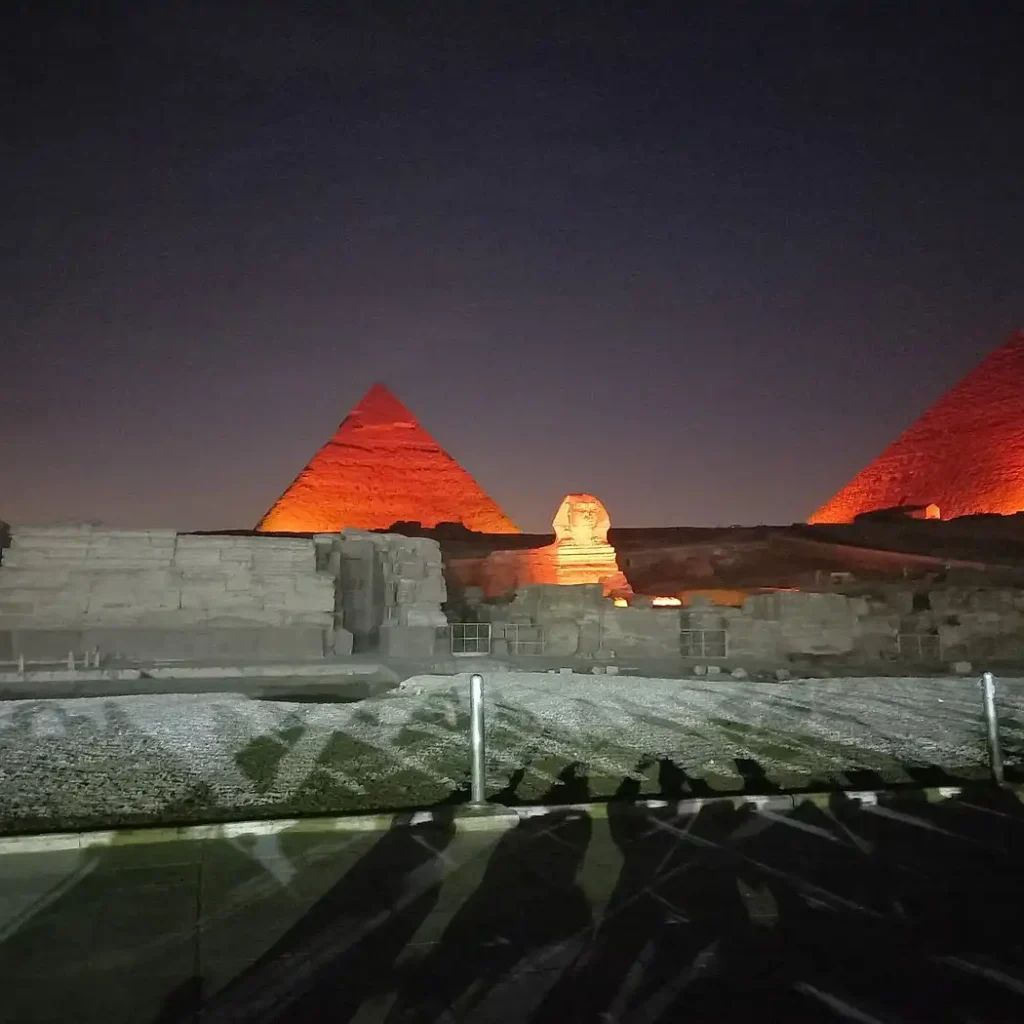
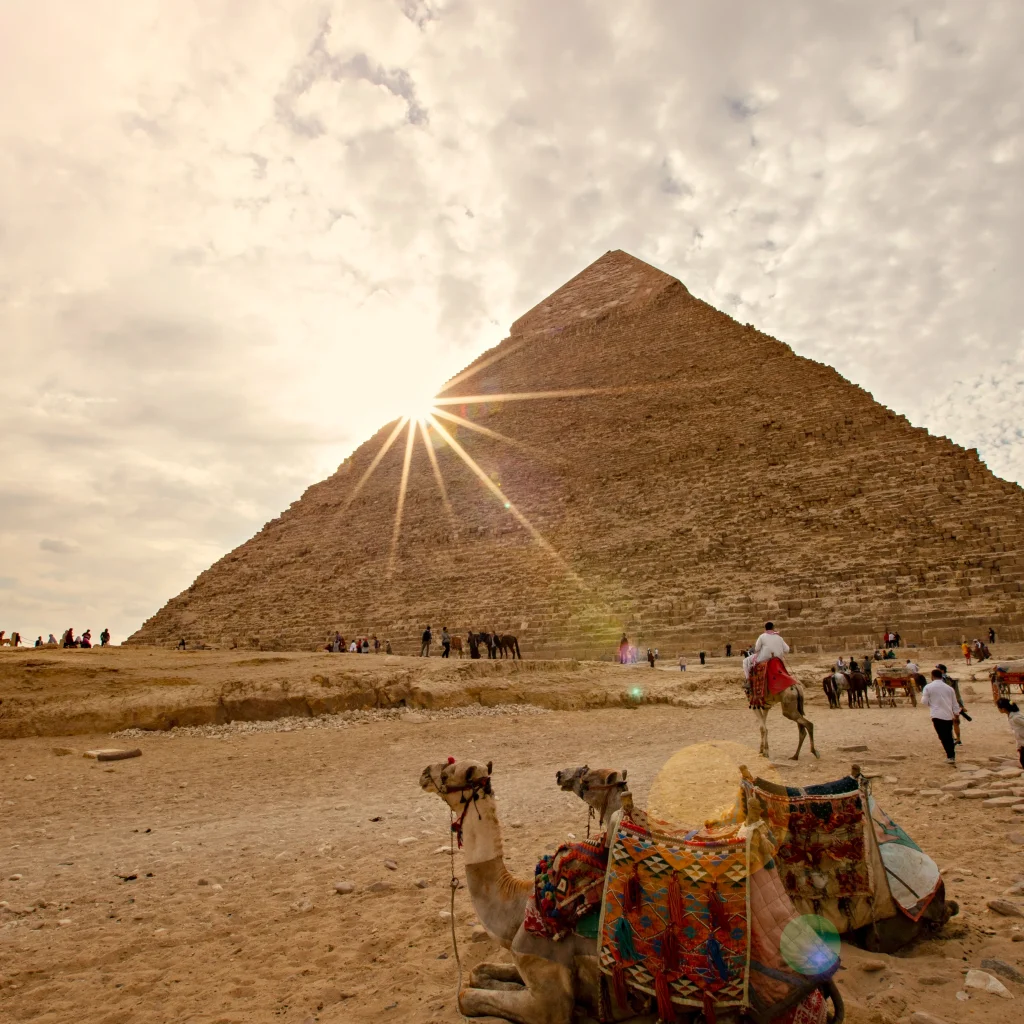
Start your first full day at the Pyramids of Giza, visiting Khufu, Khafre, Menkaure, and the Great Sphinx before crowds arrive. Then explore the nearby Grand Egyptian Museum for deeper context on ancient Egypt. A private Egyptologist guide will make the history, symbolism, and stories far more meaningful and memorable.
Day 3: Old Cairo, Islamic Cairo, and Khan El Khalili
Spend your third day discovering Cairo’s cultural layers beyond the Pyramids. Visit Coptic Cairo’s historic churches and Ben Ezra Synagogue, then explore Islamic Cairo, including the Citadel, Muhammad Ali Mosque, and Al-Muizz Street. End the day at Khan El Khalili, shopping for souvenirs and enjoying mint tea or Arabic coffee.
Day 4: Fly to Luxor and Visit Karnak Temple
Fly from Cairo to Luxor and begin at Karnak Temple, famous for its vast halls, massive columns, and detailed carvings of rituals and royal power. Later, visit Luxor Temple, beautifully illuminated after sunset. Before finalizing plans, confirm your Nile cruise start date, as schedules may slightly change the sightseeing order.
Day 5: Valley of the Kings and Nile Cruise
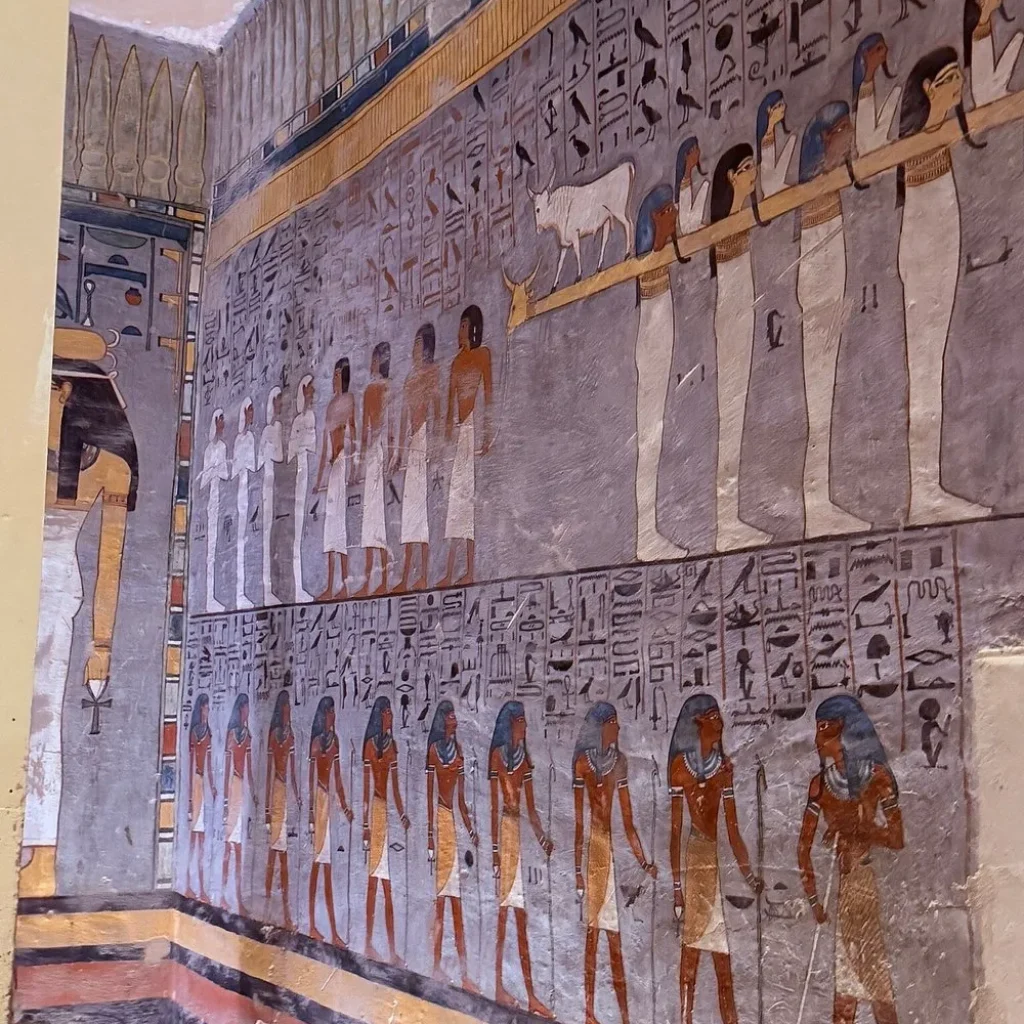
Start early on Luxor’s West Bank to explore the Valley of the Kings, home to decorated royal tombs of New Kingdom pharaohs. Continue to Hatshepsut’s cliffside temple at Deir el-Bahari and the Colossi of Memnon. Later, board your Nile cruise and enjoy a relaxed journey from Luxor to Aswan onward.
Day 6: Edfu and Kom Ombo
Today, the cruise continues south. Visit Edfu Temple, dedicated to Horus, and admire one of the best-preserved temple structures in Egypt.
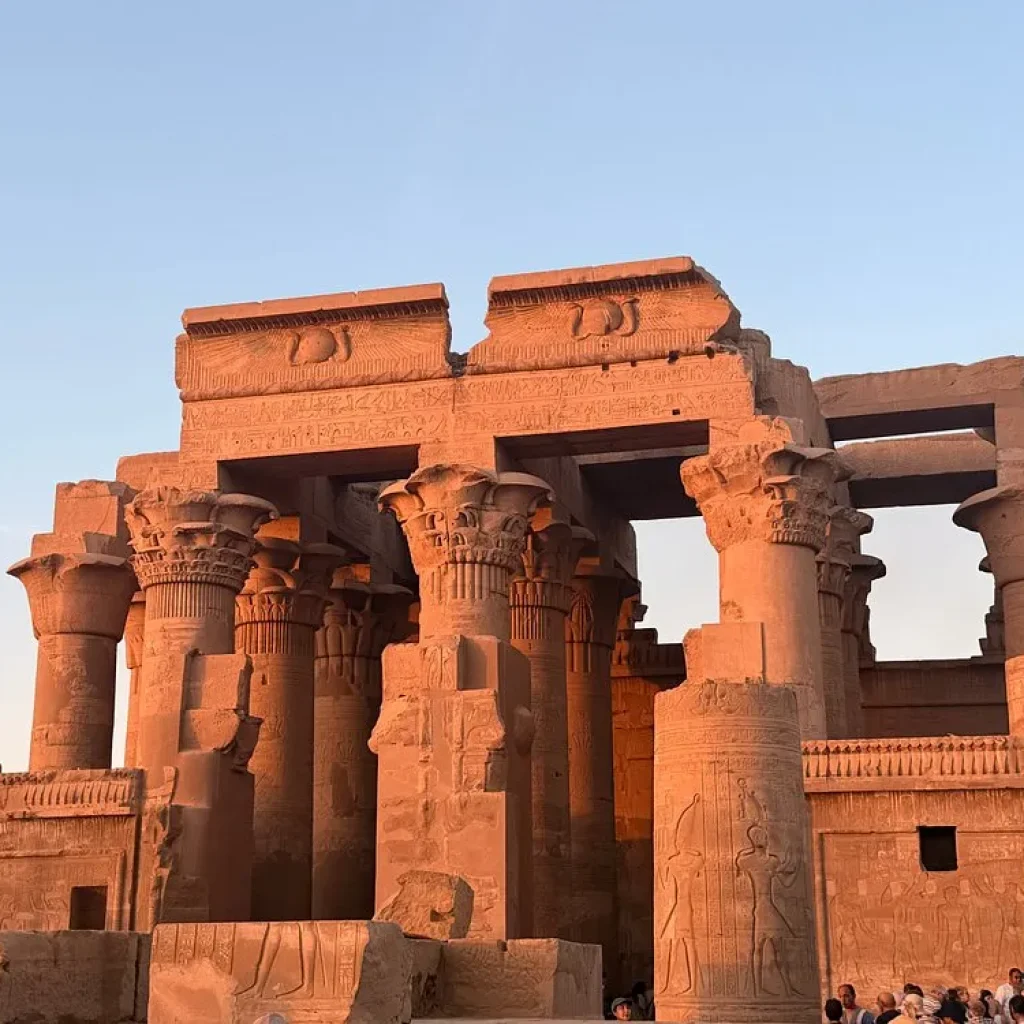
Later, visit Kom Ombo Temple, a unique riverside temple dedicated to Sobek and Horus the Elder. Its double design makes it different from other temples, and the setting beside the Nile is especially beautiful in softer afternoon light.
Back on board, enjoy the slower pace of the river. From the deck, you may see palm groves, villages, fishing boats, fields, and everyday life along the Nile.
Insider recommendation: Pack a light scarf or jacket for breezy evenings on the cruise deck, especially during winter months.
Day 7: Aswan, Philae Temple, and Nubian Culture
Arrive in Aswan, one of Egypt’s calmest and most scenic cities. Start with Philae Temple, dedicated to Isis and located on an island reached by small boat. The journey to the temple adds to the experience.
Depending on your program, you may also visit the High Dam and the Unfinished Obelisk. Later, consider a Nubian village visit to experience colorful houses, local hospitality, and a different cultural side of Egypt.
Aswan is a good place to slow down. After busy days in Cairo and Luxor, enjoy the Nile views, take photos, and watch the sunset from the river.
Day 8: Abu Simbel and Return to Cairo
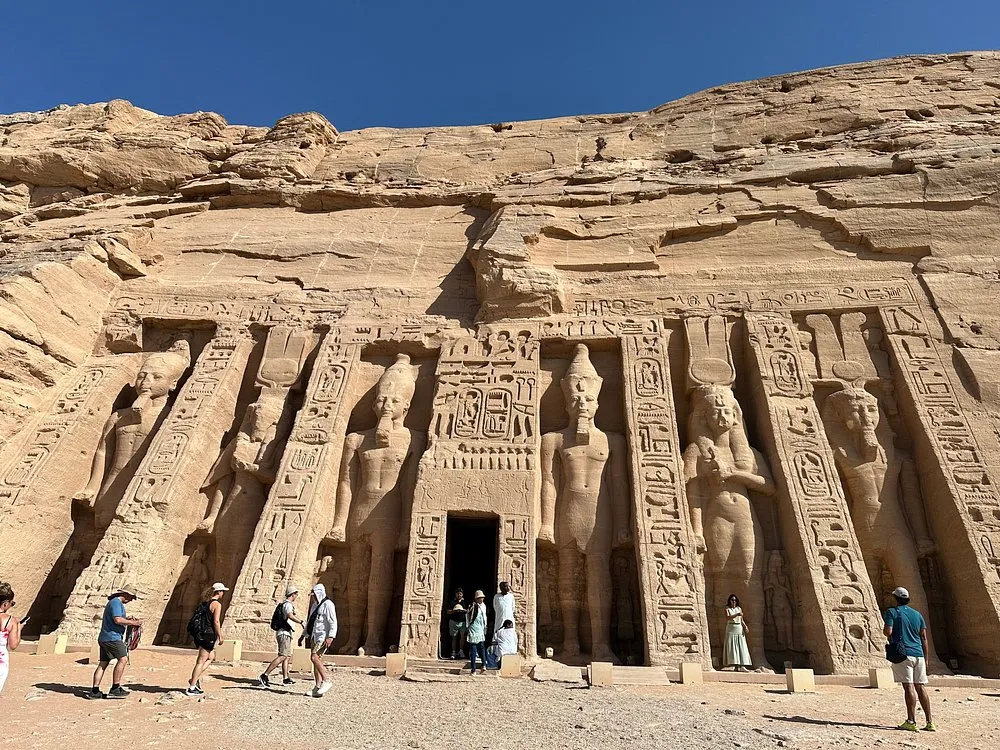
If your schedule allows, take an early morning trip to Abu Simbel. The temples of Ramses II and Queen Nefertari near Lake Nasser are among Egypt’s most dramatic monuments.
The journey from Aswan is long, but many travelers consider it worth the effort. After returning to Aswan, fly back to Cairo for one final night before continuing to Jordan.
If you prefer a more relaxed day, skip Abu Simbel and spend extra time in Aswan before your Cairo flight.
Travel tip: Abu Simbel is best arranged in advance because departure times are early and transport logistics matter.
Day 9: Fly from Cairo to Amman
Fly from Cairo to Amman, Jordan’s hilly capital. After arrival, check into your hotel and enjoy a light introduction to the city.
Depending on your arrival time, visit the Amman Citadel, the Roman Theater, or Rainbow Street. Amman offers a mix of ancient ruins, local markets, modern cafés, and hilltop views.
This is also a good day to enjoy Jordanian food. Try mansaf, falafel, hummus, moutabbal, fresh bread, and kunafa.
Planning note: Many travelers buy the Jordan Pass before arrival because it can include entry to more than 40 attractions and may waive tourist visa fees when the official stay conditions are met. The official Jordan Pass website states that the visa fee waiver applies when travelers purchase the pass before arrival and stay at least two whole nights, or three days, in Jordan. (Jordan Pass)
Day 10: Jerash, Ajloun, and Amman
Take a day trip north to Jerash, one of the best-preserved Roman cities in the region. Walk through Hadrian’s Arch, the Oval Plaza, colonnaded streets, theaters, temples, and ancient gates.
If time allows, continue to Ajloun Castle, a hilltop fortress surrounded by countryside. It gives the day a different atmosphere and adds variety before the route continues south.
Return to Amman for dinner. This day adds depth to your Egypt and Jordan tour because it shows Jordan’s Roman and Islamic heritage beyond Petra.
Day 11: Madaba, Mount Nebo, and Petra
Leave Amman and travel south toward Petra. Stop first in Madaba, known for its Byzantine mosaics, including the famous mosaic map of the Holy Land.
Continue to Mount Nebo, traditionally associated with Moses and known for views toward the Jordan Valley on clear days. Depending on your timing, you can take the scenic King’s Highway or the faster Desert Highway.
Arrive in Wadi Musa, the town beside Petra, and rest before the next day. Try to stay close to the Petra Visitor Center so you can begin early.
Day 12: Full Day in Petra
- Petra is a highlight of any Egypt and Jordan trip, known for its rose-colored cliffs, rock-cut architecture, and dramatic desert setting. Start early through the Siq to reach the Treasury, then explore the Royal Tombs, theater, and colonnaded street. Hike to the Monastery if time and energy allow.
Day 13: Wadi Rum Desert Camp
After Petra, head to Wadi Rum for a 4×4 Bedouin desert tour among red dunes, sandstone mountains, and natural arches, then spend the night in a desert camp beneath stars.
Day 14: Dead Sea and Departure from Amman
On your final day, travel north toward the Dead Sea. Floating in the salty water is a classic Jordan experience and a relaxing way to end two active weeks.
Many travelers book a day pass at a Dead Sea resort for beach access, showers, changing rooms, and pools. After floating, try a mineral mud treatment before continuing to Queen Alia International Airport or returning to Amman for one more night.
This final day gives the trip a softer ending after temples, tombs, museums, ancient cities, and desert landscapes.
Best Time to Visit Egypt and Jordan
The best time to follow this route is usually from October to April. During these months, the weather is more comfortable for walking around Cairo, Luxor, Aswan, Petra, and Wadi Rum.
Spring and autumn are especially pleasant. Winter is also popular, although desert evenings can feel cool. Summer can be very hot in southern Egypt and Jordan, so plan early starts, stay hydrated, and choose hotels with strong air conditioning if you travel from June to August.
How to Travel Between Egypt and Jordan
The easiest way to connect both countries is by air. Most travelers fly from Cairo to Amman because it is faster, simpler, and more comfortable than overland alternatives.
Before departure, check visa requirements for your nationality, passport validity, flight times, and Jordan Pass conditions. Egypt’s official e-Visa portal advises travelers to create an e-Visa application at least seven days before departure, so do not leave this step until the last minute.
A land-and-sea route through Sinai, Aqaba, or border crossings may be possible for some travelers, but it can take longer and may be less predictable. For a 14-day trip, saving time usually matters more than adding a complicated transfer.
Where to Stay During the Trip
Choosing the right hotel locations can make this itinerary much smoother.
In Cairo, stay in Giza for pyramid views or Zamalek for restaurants and a central city base. In Luxor, the East Bank is convenient for Luxor Temple and cruise departures, while the West Bank feels quieter and more local.
In Aswan, choose a Nile-view hotel if your budget allows. In Petra, stay near the visitor entrance so you can start early. In Wadi Rum, select a camp that matches your comfort level, whether you prefer a simple Bedouin-style stay or a luxury tent with a private bathroom.
Practical Tips for Visiting Egypt and Jordan
A successful Egypt Jordan itinerary needs smart planning. Book domestic and Cairo-to-Amman flights early, as timing shapes the route. Use guides in Giza, Luxor, Jerash, and Petra. Pack breathable clothes, walking shoes, sun protection, modest outfits, and a light jacket. Leave time to rest, enjoy meals, and absorb the atmosphere.
Who Is This Trip Best For?
This route is ideal for first-time visitors to the Middle East, couples, families with older children, history lovers, photographers, and travelers who want a mix of guided touring and scenic landscapes.
It also works well for travelers who prefer private tours. With private transfers, expert guides, handpicked hotels, and a clear schedule, the experience becomes smoother and more comfortable than organizing every detail alone.
If you want a trip that combines ancient history, desert adventure, cultural immersion, and scenic relaxation, Egypt and Jordan are a perfect match.
Planning Your Egypt and Jordan Trip
Can I visit Egypt and Jordan in the same trip?
Yes. The two countries combine very well, especially when you fly from Cairo to Amman and follow a focused two-week route. This allows you to see the Pyramids, the Nile, Petra, Wadi Rum, and the Dead Sea in one journey.
Is 14 days enough for both countries?
Yes. Fourteen days is enough for the highlights, especially with around eight days in Egypt and six days in Jordan. This gives you enough time to enjoy the main sites without rushing every single day.
Should I visit Egypt or Jordan first?
Starting with Egypt is often better because Egypt usually involves more internal travel. Jordan is more compact and works beautifully as the second half of the trip, especially when ending with Wadi Rum and the Dead Sea.
How do I travel between Egypt and Jordan?
The easiest option is to fly from Cairo to Amman. This saves time and avoids complicated transfers, which is especially useful when you only have two weeks.
Can this itinerary be customized?
Absolutely. You can add Abu Simbel, spend more time in Petra, include Aqaba, upgrade your Nile cruise, or adjust the pace based on your travel style, budget, and interests.
Two Countries, One Unforgettable Journey
A 14-day Egypt and Jordan journey goes beyond sightseeing. It takes travelers from pyramids, Nile temples, and Cairo’s energy to Petra’s rose-red canyons, Wadi Rum’s desert silence, and the Dead Sea’s healing waters. For history, culture, beauty, and adventure, this itinerary offers an unforgettable Middle East experience.






0 Comment