
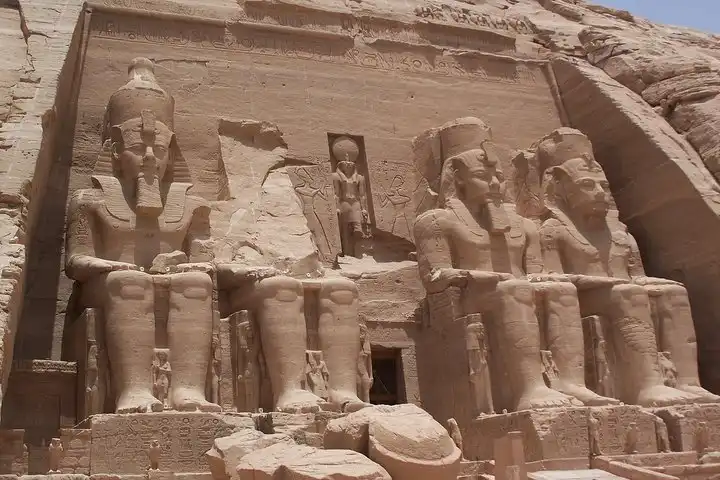

Philae Temple is one of Aswan’s most enchanting and historically significant sites, attracting travellers from across the globe. Situated on the serene Agilkia Island, this temple complex is dedicated to the goddess Isis and beautifully combines ancient Egyptian architecture with stunning Nile views. A well-structured Philae Temple visitor guide ensures you enjoy every moment, whether you’re stopping in Aswan for a few hours, visiting as part of a Nile cruise, or exploring Upper Egypt on a multi-day journey.
The temple’s relocation from the original Philae Island to Agilkia, due to the construction of the Aswan High Dam, preserved its remarkable reliefs, hieroglyphics, and majestic gateways. Visitors will notice the intricate carvings depicting mythological stories, royal ceremonies, and ancient religious rituals, offering a fascinating glimpse into Egypt’s spiritual history.
Getting to Philae Temple is simple and scenic, most travellers take a short boat ride across the Nile from Aswan’s docks, enjoying panoramic river views along the way. For those on a tight schedule, guided tours or private transfers provide convenience and expert insights into the temple’s history and significance.
Inside the complex, you can explore the Temple of Isis, the Court of Offerings, and the Kiosk of Trajan, each highlighting different eras and architectural styles. Photographers will especially appreciate the temple’s reflection on the Nile during early mornings or late afternoons, when the light is soft and crowds are lighter.
By following this guide, visitors can plan their trip efficiently, know the best time to visit, and combine Philae Temple with nearby Aswan attractions like the High Dam, Unfinished Obelisk, or Nubian villages, making the experience truly unforgettable.
Quick Facts
- Location: Agilkia Island, Aswan, Egypt
- Dedicated to: Goddess Isis
- Original Site: Philae Island (relocated due to Aswan High Dam)
- Best Time to Visit: October to April
- Access: Short boat ride from Aswan or Nile cruise stop
- Recommended Visit Duration: 2–3 hours
History of Philae Temple
Philae Temple dates back to the Ptolemaic period, with construction starting around 380 BCE. Dedicated primarily to the goddess Isis, it quickly became one of the most important religious centers in ancient Egypt, attracting pilgrims from all over the country. The temple complex wasn’t just a place of worship, it was a hub for cultural, social, and spiritual life, hosting festivals, rituals, and ceremonies that celebrated the divine.
Its beautifully preserved hieroglyphics, reliefs, and inscriptions depict fascinating mythological scenes, royal decrees, and religious practices, offering a unique insight into the beliefs and traditions of ancient Egyptians. After the construction of the Aswan High Dam in the 1960s, rising waters threatened to submerge Philae Temple, prompting an ambitious relocation project. The entire complex was carefully moved to the nearby Agilkia Island, where it now sits amidst tranquil Nile waters, maintaining its historic grandeur while ensuring its preservation for future generations. Today, visiting Philae Temple is not just about seeing architecture, it’s stepping into a living piece of Egyptian history.
How to Get There
Philae Temple is easily accessible from Aswan, and travellers have multiple convenient options.
- By Boat: Most visitors take a short, scenic boat ride from Aswan’s Nile docks to Agilkia Island. The ride provides stunning views of the river, nearby islands, and palm-fringed shores, making the journey part of the experience.
- Private Transfers: Ideal for those with limited time or who prefer a comfortable, direct route to the temple. Many private tours include a licensed guide who provides historical context during the trip.
- Nile Cruises: Many Upper Egypt cruises include Philae as a highlight stop. These tours often come with guided visits, allowing extra time to explore the temple’s interiors, take photos, and learn about its history in depth.
A Philae Temple visitor guide always recommends booking tickets in advance and planning your transport to make the most of your visit. Combining careful timing, a guided tour, and the scenic boat ride ensures a smooth, enriching experience that captures the essence of this remarkable temple.
What to See Inside
Philae Temple offers a wealth of attractions for history lovers and photographers alike:
- Temple of Isis: Main sanctuary with stunning reliefs depicting the goddess and pharaohs.
- Court of Offerings: Open courtyard with beautifully carved columns and ceremonial spaces.
- Kiosk of Trajan: Roman-era addition featuring intricate stone carvings and panoramic Nile views.
- Sanctuary Rooms: Smaller chambers that reveal detailed hieroglyphics and religious iconography.
A guided tour is highly recommended to understand the symbolic meanings behind the carvings, the historical context of each temple section, and the fascinating stories of Egyptian mythology.
Best Time to Visit
The most comfortable period to visit Philae Temple is from October to April, when temperatures are mild and the weather is ideal for walking around the complex.
- Morning Visits: Offer cooler temperatures and better lighting for photography.
- Late Afternoon Visits: Provide a serene atmosphere and stunning sunset reflections on the Nile.
- Avoid Midday in Summer: Temperatures can soar above 40°C, making the visit less comfortable.
How Long Does a Visit Take
Most travellers spend 2–3 hours exploring Philae Temple to fully appreciate its history, architecture, and serene surroundings. This typical visit usually includes several key elements:
- Main Temple and Sanctuary Rooms: Walking through the temple complex allows visitors to admire the beautifully preserved hieroglyphics, reliefs, and statues. Guided tours often explain the mythology behind the carvings and the religious significance of each hall.
- Photography: The temple’s location on Agilkia Island provides stunning views of the Nile and nearby islands. Early morning or late afternoon light creates perfect conditions for photography, capturing the temple’s reflection on the water and highlighting its intricate details.
- Historical Insight: A visit isn’t just sightseeing it’s a journey through thousands of years of Egyptian history. Learning about the Ptolemaic period, the worship of Isis, and the temple’s relocation after the Aswan High Dam enriches the experience.
- Boat Ride: Travellers should include the short boat trip to and from the island in their timing. The ride is scenic and adds to the overall charm of visiting Philae.
For those including Philae Temple in a full-day Aswan itinerary, 1–2 hours may suffice if combined with other nearby attractions such as the Unfinished Obelisk, the High Dam, or a felucca ride on the Nile. However, spending extra time allows visitors to explore in a more relaxed manner, take photos, and soak in the tranquil atmosphere. Planning ahead ensures you get the most out of your visit and avoids feeling rushed while discovering one of Aswan’s most iconic sites.
Can You Combine It with Other Aswan Sites?
Yes! Philae Temple is often combined with:
- Aswan High Dam: Modern engineering marvel with panoramic views
- Unfinished Obelisk: Insight into ancient Egyptian stone-carving techniques
- Nubian Villages: Cultural immersion in local traditions and crafts
- Felucca Rides on the Nile: Relaxing way to explore the river and surrounding scenery
Combining Philae with other attractions allows visitors to make the most of their time in Aswan and experience both historical and cultural highlights.
FAQ
Yes, the temple and surrounding areas are generally safe, especially when visiting during peak tourist hours.
Yes, but hiring a guide or joining a tour is recommended to fully understand the historical and cultural context.
Take a short boat ride, private transfer, or join a Nile cruise with Philae as a stop.
2–3 hours is sufficient for a complete experience, including boat travel and photography.
Yes, many Upper Egypt Nile cruises or private tours include both sites, making it easy to plan a full-day excursion.
Experience the magic of Philae Temple on your next trip to Aswan! Book your Aswan tours today, explore the highlights of Upper Egypt, and enjoy guided visits to Philae Temple, Abu Simbel, and more. Plan your itinerary with our Best Things to Do in Aswan and Aswan itinerary article for a seamless and unforgettable journey.




0 Comment