

Egypt’s desert landscapes are often associated with pyramids, pharaohs, and ancient temples, but another extraordinary chapter of the country’s history developed far from the Nile Valley’s famous monuments. Hidden among mountains, valleys, and isolated desert routes are some of the oldest Christian monastic communities in the world.
The coptic monasteries egypt are more than historical buildings. They represent a living spiritual tradition that has survived for centuries, preserving ancient prayers, manuscripts, architecture, and ways of life that continue today. Long before many famous European medieval churches were built, Egyptian monks were creating communities dedicated to faith, simplicity, and devotion.
These monasteries developed during the early centuries of Christianity when individuals seeking spiritual isolation moved into Egypt’s deserts. Their ideas influenced Christian monasticism across the world, making Egypt one of the most important centers in religious history.
This guide explores the origins of Egyptian desert monasticism, the most important monasteries to visit, their architecture, traditions, and what travelers should know before planning a coptic monastery visit.
The Origins of Coptic Monasticism
Christian monasticism began in Egypt during the third and fourth centuries AD. At that time, some Christians chose to leave urban life behind and move into remote areas to focus on prayer, discipline, and spiritual reflection.
The Egyptian desert provided the perfect environment for this lifestyle. Its isolation allowed monks to escape political pressures and distractions while creating communities centered around religious practice.
Two figures are especially important in the history of monasticism: Saint Anthony the Great and Saint Pachomius. Saint Anthony is often considered one of the founders of Christian desert monasticism, choosing a solitary life in the Eastern Desert. Saint Pachomius developed a more organized community system where monks lived together under shared rules.
Their approaches shaped the future of Christian monastic traditions throughout Egypt and beyond.
Why Did Monks Choose the Desert?
The desert was not chosen because it was easy. Life there was extremely difficult, requiring physical endurance and strong commitment.
For early monks, the desert represented a place away from worldly concerns. The harsh environment became part of their spiritual journey, teaching patience, humility, and dependence on faith.
Many monks lived in caves, simple shelters, or small cells carved into rocky landscapes. Over time, groups formed around respected spiritual leaders, creating the first organized monastic communities.
These communities were not completely isolated. Monks produced manuscripts, welcomed visitors, offered spiritual guidance, and developed agricultural systems that allowed monasteries to survive.
The desert became both a place of solitude and a center of knowledge.
Saint Anthony’s Monastery
Saint Anthony’s Monastery is one of the oldest continuously operating monasteries in the world. Located near the Red Sea mountains, it was established around the fourth century near the cave where Saint Anthony lived.
The monastery contains churches, chapels, ancient manuscripts, and important religious artwork. Its remote location reflects the original purpose of desert monasticism: separation from ordinary life and dedication to spiritual practice.
Visitors can explore the monastery buildings and learn about the life of Saint Anthony, whose teachings influenced Christian communities internationally.
The surrounding mountains create a powerful atmosphere, reminding visitors why early monks viewed the desert as a place for reflection and transformation.
Saint Paul’s Monastery
Near Saint Anthony’s Monastery lies Saint Paul’s Monastery, another important center of Egyptian Christianity.
The monastery is traditionally associated with Saint Paul the First Hermit, who is believed to have lived in the desert during the early centuries of Christianity.
Like other egypt desert monasteries, Saint Paul’s combines religious importance with a dramatic natural setting. Surrounded by mountains and desert landscapes, the monastery provides insight into the challenges faced by early Christian communities.
Visitors can see churches, manuscripts, and traditional monastic spaces while learning about the history of hermit life in Egypt.
The journey to reach these remote monasteries is part of the experience, offering travelers a sense of the isolation that shaped early monastic traditions.
Wadi Natrun: The Heart of Egyptian Monasticism
One of the most important areas for Christian monastic history is wadi natrun egypt. Located between Cairo and Alexandria, this desert valley became one of the largest centers of monastic life in Egypt.
The area was attractive because of its natural resources, including salt lakes and minerals, which helped communities survive in the desert.
Historically, Wadi Natrun contained many monasteries, although only a few remain active today. The surviving monasteries continue to preserve Coptic traditions, manuscripts, and religious practices.
The valley remains a major destination for pilgrims and visitors interested in understanding the development of Christianity in Egypt.
The Monasteries of Wadi Natrun
Several important monasteries remain active in Wadi Natrun, including:
- Deir Anba Bishoy
- Syrian Monastery
- Monastery of Saint Macarius
- Monastery of Saint Mary, known as Baramus Monastery
Each monastery has its own history, architecture, and spiritual traditions.
The Syrian Monastery is especially famous for its ancient manuscripts and preserved artwork. The Monastery of Saint Macarius has played a major role in modern Coptic spiritual renewal.
Visitors should remember that these are active religious communities, not only tourist attractions. Respectful behavior is essential.
The Role of Monasteries in Preserving Knowledge
Coptic monasteries were important centers of learning. Monks copied religious texts, preserved manuscripts, and maintained knowledge through periods of political and cultural change.
Many ancient manuscripts discovered in Egyptian monasteries provide valuable information about early Christianity, languages, theology, and daily life.
Monasteries also preserved artistic traditions, including icon painting, wood carving, and religious decoration.
Their importance extends beyond religion because they represent some of the longest-running educational and cultural institutions in Egypt.
Architecture of Coptic Monasteries
The architecture of Egyptian monasteries reflects their defensive and spiritual purposes.
Many monasteries were built with thick walls, towers, and limited entrances because some communities faced periods of instability and attacks.
Inside the walls, visitors often find churches, living quarters, gardens, libraries, and areas for prayer.
The design combines practicality with symbolism. Simple spaces encouraged humility, while churches contained detailed icons and religious artwork representing centuries of artistic development.
Unlike large European cathedrals built to impress through height and scale, many Egyptian monasteries communicate strength through simplicity and endurance.
The Relationship Between Monks and Local Communities
Although monks traditionally sought isolation, monasteries were never completely disconnected from society.
They provided spiritual support, produced agricultural goods, preserved knowledge, and welcomed visitors seeking guidance.
Many local communities developed around monasteries, creating relationships that continue today.
Modern monasteries often receive pilgrims, researchers, and travelers who want to experience their history and traditions.
A responsible coptic monastery visit should recognize this balance between tourism and religious life.
Visiting Coptic Monasteries in Egypt
Travelers interested in visiting monasteries should plan carefully because locations vary greatly.
Some monasteries are relatively accessible from Cairo, while others require long desert journeys and organized transportation.
Before visiting, check opening arrangements, dress requirements, photography rules, and whether special permission is needed.
Visitors should wear modest clothing and behave respectfully, especially during prayers or religious events.
Many monasteries have limited facilities, so carrying water and preparing for outdoor conditions is recommended.
Best Time to Visit
The cooler months are generally the most comfortable for exploring desert monasteries.
Winter and early spring provide better conditions for walking and traveling through remote areas.
Summer temperatures can become extremely high, especially in desert locations such as those near the Red Sea mountains.
Early morning visits often provide a quieter atmosphere and better weather.
Why These Monasteries Matter Today
The importance of coptic monasteries egypt goes beyond their age. They represent continuity.
For more than fifteen centuries, these communities have preserved religious traditions despite political changes, environmental challenges, and social transformations.
They demonstrate how cultural identity can survive through dedication and preservation.
Today, Coptic monasteries remain places of worship, pilgrimage, history, and learning.
They also provide visitors with a different understanding of Egypt—one that includes Christianity, desert spirituality, and living heritage.
Comparing Egyptian Monasteries With Other Historic Religious Sites
Egypt’s monasteries offer a different experience from famous European churches or ancient temples.
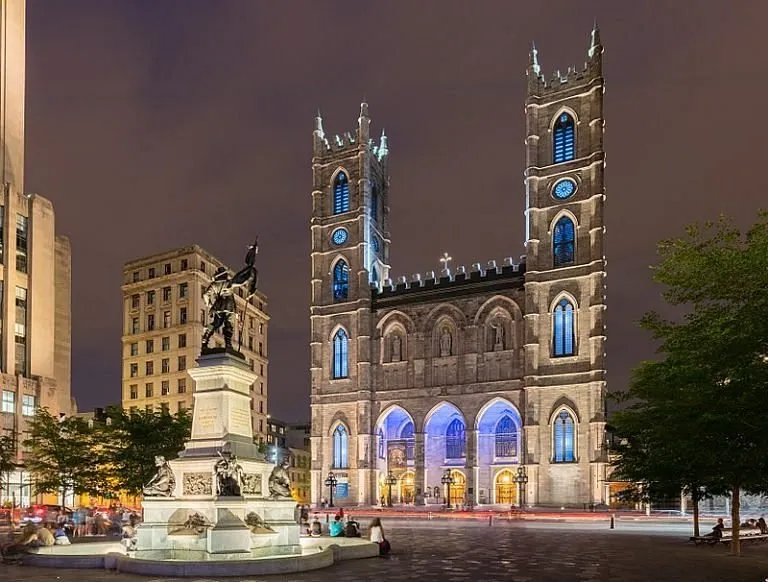
While places like Notre-Dame represent medieval European Christianity, Egyptian monasteries preserve some of the earliest Christian traditions in the world.
Their importance comes from their continuity rather than their architectural size.
A visit provides insight into a form of Christianity that developed in Egypt’s deserts and influenced religious communities worldwide.
Planning Your Monastery Experience
A successful visit requires realistic expectations.
These sites are not designed like major tourist attractions with large visitor centers and extensive facilities. Their value comes from atmosphere, history, and spiritual significance.
Travelers should allow enough time to explore slowly and listen to local explanations.
Hiring a knowledgeable guide can greatly improve the experience by explaining religious traditions, architecture, and historical events.
How Egyptian Monasticism Influenced Christianity Worldwide
The importance of Egyptian monasticism was not limited to Egypt itself. The ideas developed by early monks spread throughout the Christian world and influenced religious communities in Europe, the Middle East, and beyond.
Travelers, religious figures, and scholars visited Egypt to learn from the experiences of desert monks. Their writings about discipline, prayer, and spiritual life became important references for later Christian traditions.
The lifestyle created by Egyptian monks introduced concepts that remain central to many monastic communities today, including communal living, personal discipline, and dedication to religious study.
Because of this influence, Egypt is often considered one of the birthplaces of Christian monasticism. The desert communities that developed along isolated landscapes became examples for future monasteries built in different parts of the world.
The Daily Life of Early Monks
Life inside Egyptian monasteries was based on simplicity and routine. Monks usually followed structured schedules that included prayer, religious study, manual work, and community responsibilities.
Work was an important part of monastic life. Monks produced food, created handmade items, copied manuscripts, and maintained their communities through agriculture and craftsmanship.
Although outsiders often imagine monasteries as completely separated from society, many communities interacted with visitors, travelers, and nearby villages.
The balance between isolation and connection allowed monasteries to survive for centuries. They were places of spiritual reflection but also centers of knowledge, hospitality, and cultural preservation.
Understanding this daily lifestyle helps visitors appreciate that monasteries were not only religious buildings but complete communities with their own systems and traditions.
More About Wadi Natrun’s Historical Importance
The history of wadi natrun egypt is deeply connected with the development of organized monastic communities. The area became famous because its natural environment provided conditions suitable for religious retreat.
The valley’s remote location helped monks seek solitude, while its natural resources supported long-term settlement. Salt production and agricultural activity contributed to the survival of communities in the desert.
Over centuries, Wadi Natrun became a destination for pilgrims and religious leaders. Many important Coptic figures had connections with the area, and several monasteries continued preserving ancient traditions.
Today, the surviving monasteries represent only a portion of what once existed in the region. However, the remaining sites still demonstrate the historical importance of Wadi Natrun as one of Christianity’s oldest monastic centers.
Inside a Traditional Coptic Monastery
A traditional monastery usually contains several important areas, each serving a different purpose.
The main church is the spiritual center where prayers and religious ceremonies take place. Many churches contain icons, wooden screens, and decorations created according to Coptic artistic traditions.
Living areas provide spaces for monks’ daily activities, while libraries preserve manuscripts and historical documents.
Some monasteries also include ancient caves or areas connected with early hermits who lived there before organized communities developed.
The design of these spaces reflects the values of monastic life: simplicity, protection, prayer, and continuity.
The Importance of Coptic Art and Manuscripts
One of the greatest contributions of Egyptian monasteries is the preservation of artistic and written traditions.
Monks carefully copied religious texts and protected manuscripts through centuries of political changes. These documents provide valuable information about Christianity, languages, history, and ancient Egyptian society.
Coptic art also developed unique characteristics. Icons, carvings, and decorative elements often combine religious symbolism with local Egyptian artistic influences.
Visitors exploring egypt desert monasteries can see how these traditions survived through generations.
The artwork inside monasteries is not only decorative. Each image, inscription, and object reflects religious beliefs and historical experiences.
Practical Tips for a Better Visit
Before planning a coptic monastery visit, travelers should prepare for a different type of cultural experience.
Unlike major tourist attractions, monasteries operate primarily as religious communities. Visitors should avoid loud behavior, respect prayer times, and follow instructions from monks or staff.
Photography rules can vary, so asking permission before taking pictures is recommended.
Because some monasteries are located in remote areas, transportation should be arranged in advance. Comfortable clothing, water, and sun protection are especially important for desert locations.
A local guide can make the visit much more meaningful by explaining religious symbols, historical events, and traditions that may not be obvious to visitors.
Preserving Ancient Traditions Today
The survival of these monasteries shows the importance of cultural preservation and the role communities play in protecting heritage.
Why a Monastery Visit Is Different From Other Egypt Experiences
Many visitors come to Egypt searching for ancient monuments, but monasteries offer a different type of historical journey.
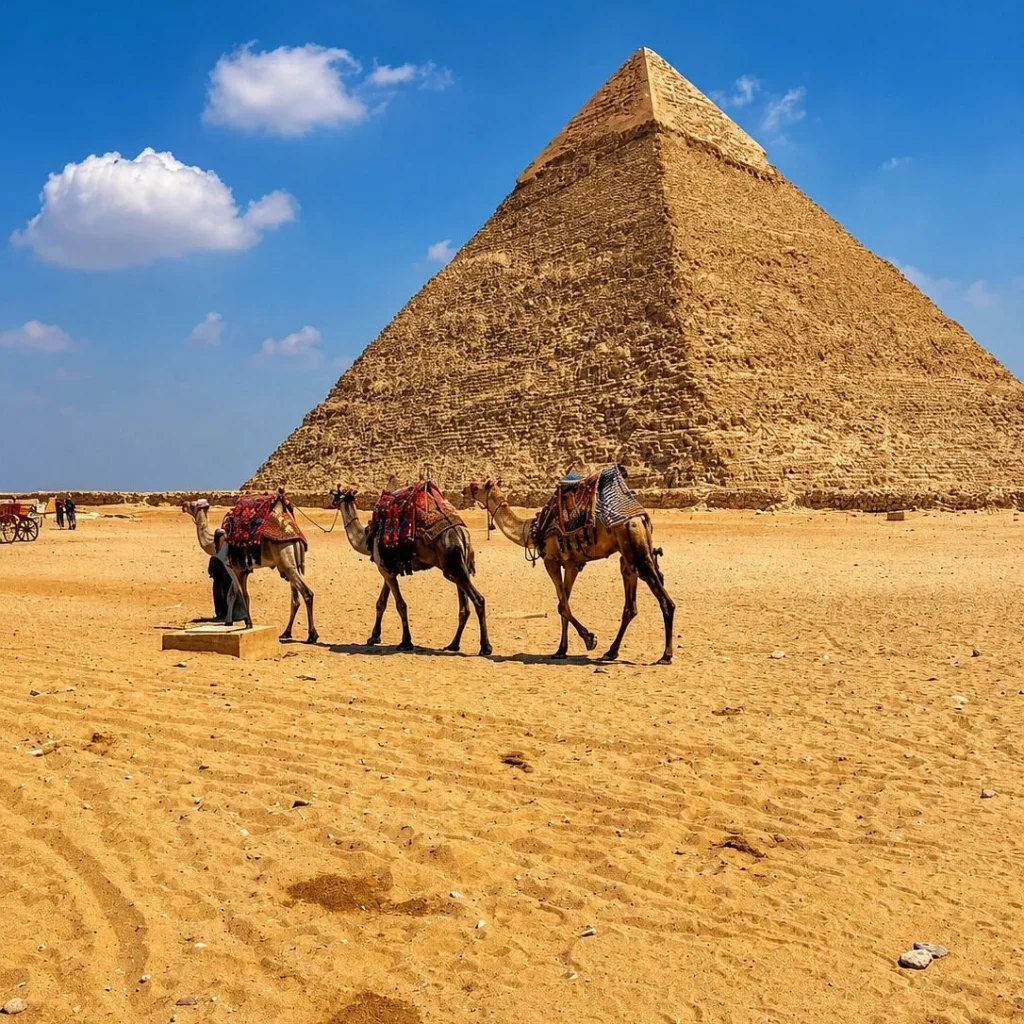
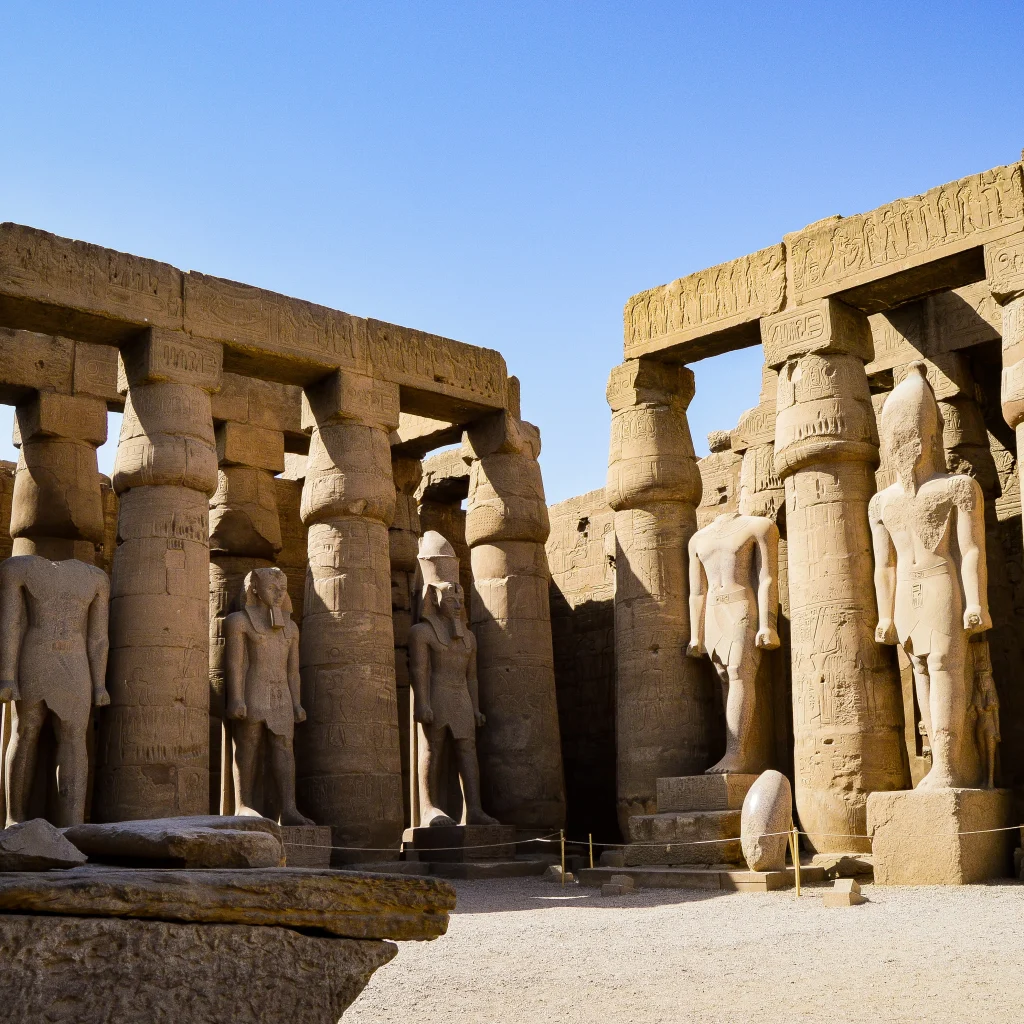
The pyramids reveal the achievements of ancient kings. Temples show religious beliefs from thousands of years ago. Monasteries reveal the personal and spiritual experiences of communities that continued through changing eras.
For travelers interested in deeper cultural experiences, these places provide a unique perspective on Egypt’s identity.
Final Thoughts
The coptic monasteries egypt represent one of the most remarkable surviving traditions of early Christianity.
From the mountains of Saint Anthony and Saint Paul to the ancient communities of Wadi Natrun, these monasteries reveal a side of Egypt that many visitors never discover.
They are places where history is not simply displayed—it continues.
For travelers interested in religion, architecture, culture, and unique historical experiences, Egyptian desert monasteries offer a journey into a world shaped by devotion, resilience, and centuries of tradition.
Frequently Asked Questions
What are the oldest Coptic monasteries in Egypt?
Saint Anthony’s Monastery and Saint Paul’s Monastery are among the oldest continuously operating Christian monasteries in Egypt, dating back to the early centuries of Christianity.
Where can I find the main Egyptian desert monasteries?
Important monasteries are located in areas including Wadi Natrun, the Eastern Desert near the Red Sea, and other remote desert regions.
Is Wadi Natrun worth visiting?
Yes. Wadi Natrun is one of the most important centers of Coptic monastic history and contains several active monasteries with centuries of religious significance.
What should I wear when visiting a Coptic monastery?
Visitors should wear modest clothing and dress respectfully because monasteries are active religious communities.
Can tourists visit Coptic monasteries?
Yes, many monasteries welcome visitors, but travelers should respect religious practices, check visiting rules, and follow local guidance.
How long does a coptic monastery visit usually take?
The duration depends on the monastery location. Some visits take a few hours, while remote monasteries may require a full day trip.
Why are Egyptian monasteries historically important?
They preserved early Christian traditions, manuscripts, religious artwork, and monastic practices that influenced Christianity around the world.



0 Comment