
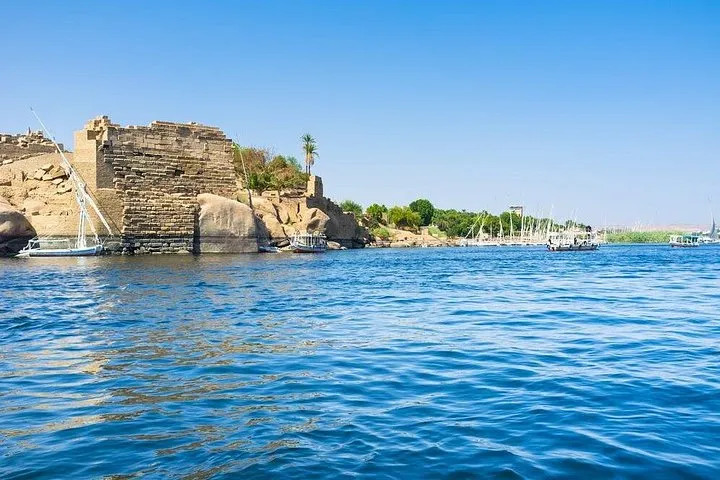

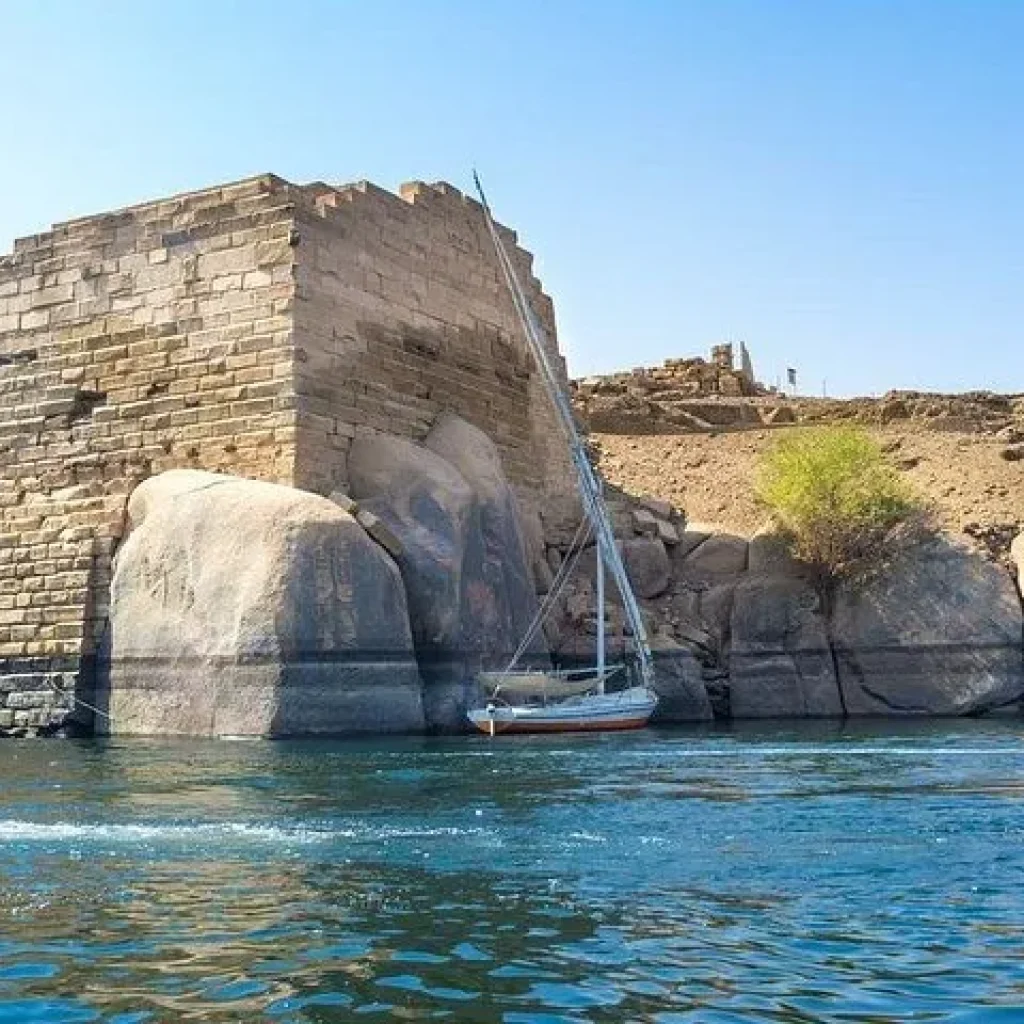
Located in the middle of the Nile at Aswan, Elephantine Island is one of Egypt’s most fascinating historical landscapes. Unlike many archaeological sites that focus on one period or one monument, the island preserves evidence from thousands of years of settlement, religion, trade, daily life, and cultural exchange.
This elephantine island aswan destination offers a different perspective from Egypt’s famous temples. Instead of only seeing monumental architecture created by kings, visitors can explore an ancient community where people lived, worked, worshipped, and interacted with the river that shaped their lives.
For travelers interested in archaeology, local culture, and quieter experiences, Elephantine Island provides a deeper understanding of southern Egypt. Its location at the First Cataract made it strategically important throughout history, acting as a natural boundary between Egypt and Nubia.
This elephantine island guide explains the island’s history, important archaeological discoveries, what visitors can see, how to visit, and why it remains one of the most rewarding stops in Aswan.
Where Is Elephantine Island?
Elephantine Island sits in the Nile directly opposite modern Aswan. The island stretches along the river and provides views of the city, surrounding desert hills, traditional boats, and nearby islands.
Its location was not accidental. The First Cataract created a natural obstacle in the Nile, making the area important for controlling movement between Egypt and Nubia. Because of this position, Elephantine developed as a military, commercial, and religious center.
The island was connected to ancient trade routes carrying goods such as gold, ivory, spices, stones, and other valuable materials from regions further south.
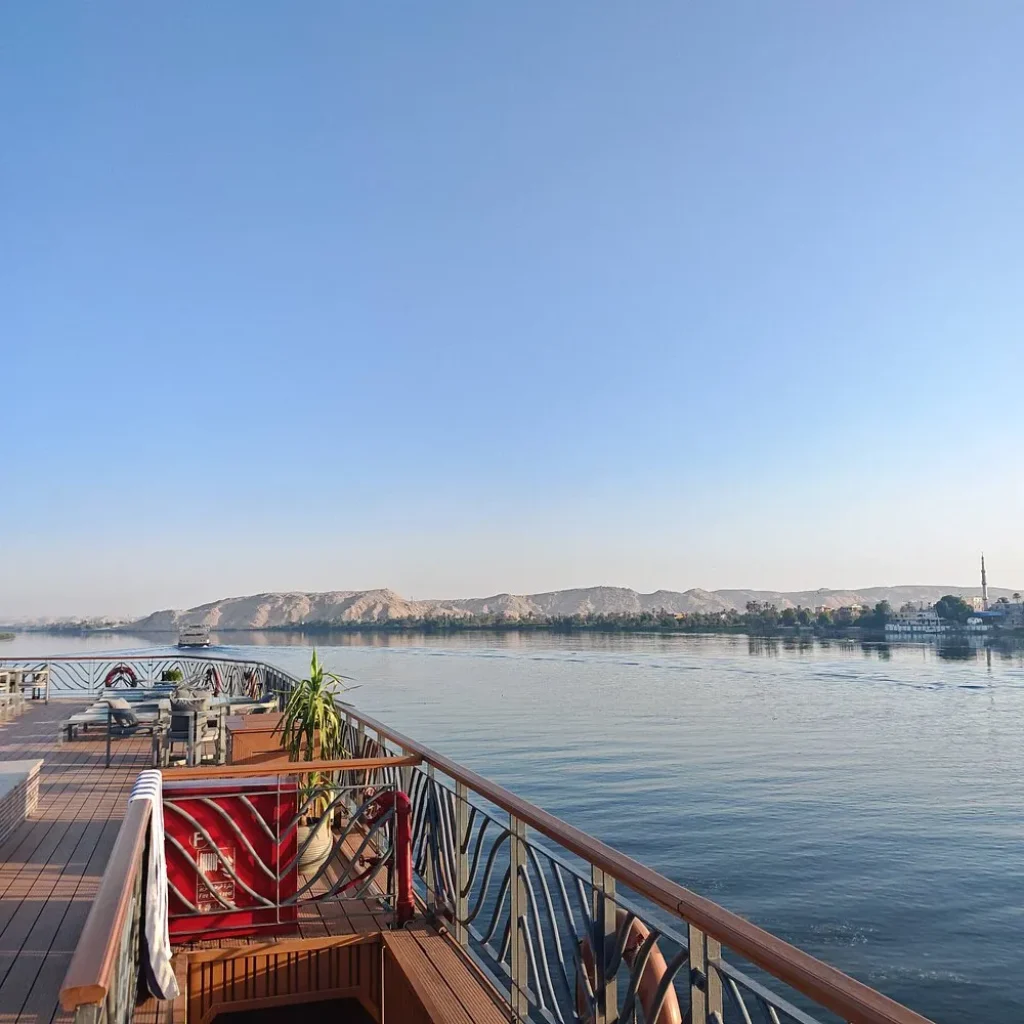
Today, visitors reach Elephantine by boat from Aswan’s waterfront. The short journey itself is part of the experience, offering views of the Nile landscape before arriving at a place where modern village life exists alongside ancient ruins.
Why Is It Called Elephantine Island?
The name Elephantine is believed to have connections with the ancient Egyptian word associated with elephant or ivory. The island was an important trading point for ivory, which was transported through the region from Africa.
Ancient Egyptians knew the island as Abu or Yebu. It was connected with Khnum, the ram-headed creator god believed to control the waters of the Nile and shape human beings on a potter’s wheel.
The island’s religious importance grew around worship of the triad of Khnum, Satet, and Anuket. Temples dedicated to these deities reflected the importance of the Nile’s annual flooding and the relationship between water, fertility, and survival.
Understanding this background makes the archaeological remains more meaningful because the island was not simply a settlement. It was a sacred place connected to some of ancient Egypt’s most important beliefs.
A History Spanning Thousands of Years
The history of Elephantine stretches from prehistoric times through the Islamic period and beyond. Archaeologists have discovered layers of occupation showing how communities continuously adapted to changing political and environmental conditions.
During the Old Kingdom, Elephantine was already an important southern frontier location. Officials stationed there monitored trade and military activity between Egypt and Nubia.
In later periods, including the Middle Kingdom and New Kingdom, the island remained strategically valuable. Temples expanded, trade increased, and the settlement developed further.
The Persian period, Greek period, Roman era, and early Christian period also left evidence on the island.
Few places in Egypt demonstrate historical continuity as clearly as Elephantine. A single walk can reveal remains from temples, houses, fortifications, and religious buildings from completely different eras.
The Ancient Settlement
One of the most interesting aspects of Elephantine Island is that it preserves evidence of ordinary life, not only royal monuments.
Archaeologists have uncovered houses, streets, administrative buildings, and everyday objects that reveal how people lived thousands of years ago.
The ancient settlement provides information about architecture, family life, occupations, food production, and social organization.
This makes the island different from many famous Egyptian attractions. At places such as large temple complexes, visitors mainly encounter official religious architecture. On Elephantine, they can understand the human side of ancient Egypt.
The ruins show that history was created not only by pharaohs but also by farmers, craftsmen, soldiers, traders, and families who lived along the Nile.
Elephantine Island Archaeological Museum
The Elephantine Island Museum contains objects discovered during excavations and helps visitors understand the importance of the site.
The museum displays artifacts connected with daily life, religious practices, and different historical periods. Items include pottery, tools, statues, inscriptions, and objects found during archaeological work.
The museum is relatively small compared with Egypt’s major museums, but its location gives it special value. Seeing artifacts near the places where they were discovered creates a stronger connection between objects and their original context.
Visitors using an elephantine island aswan itinerary should consider including the museum because it provides background before exploring the outdoor ruins.

The Temple of Khnum
The Temple of Khnum was one of the island’s most important religious structures. Khnum was associated with creation and the control of the Nile’s waters.
Although much of the temple complex has not survived, remaining blocks and inscriptions demonstrate the importance of the sanctuary.
Ancient Egyptians believed Khnum shaped human bodies and controlled the life-giving flood of the Nile. His worship was closely connected with agriculture, fertility, and the survival of communities throughout Egypt.
The temple area helps explain why Elephantine became a major religious center. The island’s location beside the Nile was not only economically valuable but also spiritually significant.
The Nilometer of Elephantine Island
One of the most important structures visitors can see is the ancient Nilometer. Because Egypt depended completely on the Nile flood, measuring water levels was essential for agriculture, taxation, and planning.
The Nilometer allowed ancient Egyptians to monitor the height of the river and predict the effects of the annual inundation. A successful flood meant fertile fields and strong harvests, while a low flood could create shortages.
The structure consists of a staircase and measuring system connected to the river. Marks on the walls helped officials record water levels.
The Nilometer demonstrates how science, government, and religion were connected in ancient Egypt. The Nile was not simply a natural resource; it was considered the foundation of Egyptian civilization.
The Ancient City of Abu
Before it became known as Elephantine, the island was called Abu. The settlement developed as a major administrative center in southern Egypt.
Officials living there managed trade routes, military activities, and relationships with Nubian communities. The island served as Egypt’s gateway toward the south.
Because of this role, Elephantine became a meeting point between different cultures. Egyptians, Nubians, traders, soldiers, and travelers passed through the island over centuries.
This cultural exchange is one reason the site is so valuable today. The island does not represent one isolated civilization but rather the interaction between different societies connected by the Nile.
Elephantine and Nubia
The relationship between Elephantine and Nubia is one of the most important parts of its history.
Located near the traditional boundary between Egypt and Nubia, the island played a major role in communication and trade between the two regions.
Visitors exploring aswan islands often notice that the area contains a mixture of Egyptian and Nubian influences. Elephantine reflects this shared history through architecture, artifacts, and the continued presence of Nubian communities nearby.
The island helps explain that ancient Egypt was not separated from its southern neighbors. Instead, the Nile connected communities and created relationships based on trade, politics, and cultural exchange.
The Jewish Community of Elephantine
Another fascinating chapter of the island’s history is the presence of a Jewish community during the Persian period.
Archaeologists discovered documents known as the Elephantine Papyri, which provide information about daily life, administration, and religious practices during the fifth century BCE.
These documents reveal a diverse population living on the island and offer rare insight into ancient communities outside traditional Egyptian religious structures.
The papyri are important historical sources because they discuss contracts, letters, legal matters, and relationships between different groups.
This discovery adds another dimension to Elephantine’s history and shows how the island became home to multiple communities over time.
Nubian Village Life Today
Modern visitors to Elephantine Island can experience more than archaeology. Parts of the island remain home to Nubian families who continue traditional ways of life.
Colorful houses, local gardens, small paths, and peaceful river views create a different atmosphere from busy urban areas.
Visitors should remember that these are real communities, not simply tourist attractions. Respectful behavior is important when walking through villages or photographing residents.
Many travelers enjoy visiting local homes, drinking tea, learning about Nubian traditions, and understanding how communities continue living beside the Nile.
This combination of ancient ruins and modern culture is what makes the island unique.
Elephantine Island What to See
Travelers often ask elephantine island what to see because the island contains several attractions within a relatively small area.
The main highlights include:
- The archaeological ruins
- The Temple of Khnum remains
- The Nilometer
- Elephantine Museum
- Ancient settlement areas
- Nubian villages
- Nile viewpoints
The experience is not based on one enormous monument. Instead, the island rewards visitors who enjoy exploring gradually and noticing details.
Walking between ruins, gardens, and villages allows travelers to understand how ancient and modern life exist together.
How to Visit Elephantine Island
Visitors wondering about elephantine island guide information should know that the island is reached by boat from Aswan.
Public ferries and private boats connect the island with the city. Many hotels and tour operators can also arrange transportation.
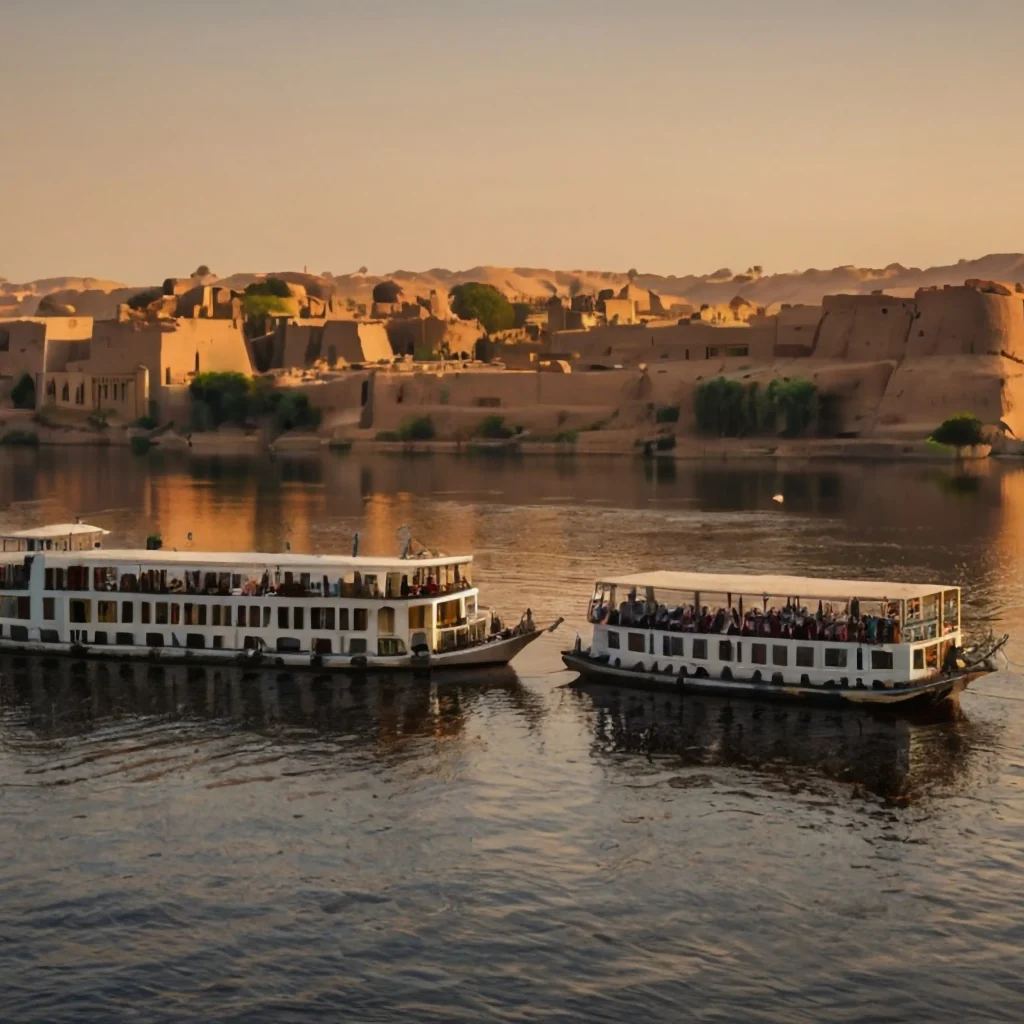
The boat ride is short but offers beautiful views of the Nile, nearby islands, traditional sailing boats, and the surrounding landscape.
A visit usually takes several hours, depending on whether you explore only archaeological areas or also spend time in villages and museums.
Comfortable shoes, water, sunscreen, and a hat are recommended because some areas require walking under the sun.
Best Time to Visit
The best months to explore Elephantine Island are generally during the cooler season when walking conditions are more comfortable.
From autumn through early spring, temperatures are usually better for outdoor exploration. Summer can be extremely hot, especially during midday.
Early morning and late afternoon are ideal times for photography because the light is softer and temperatures are lower.
A slower visit is recommended because the island’s value comes from observation rather than rushing between locations.
Elephantine Island vs Other Aswan Islands
Aswan has several beautiful islands, each offering a different experience.
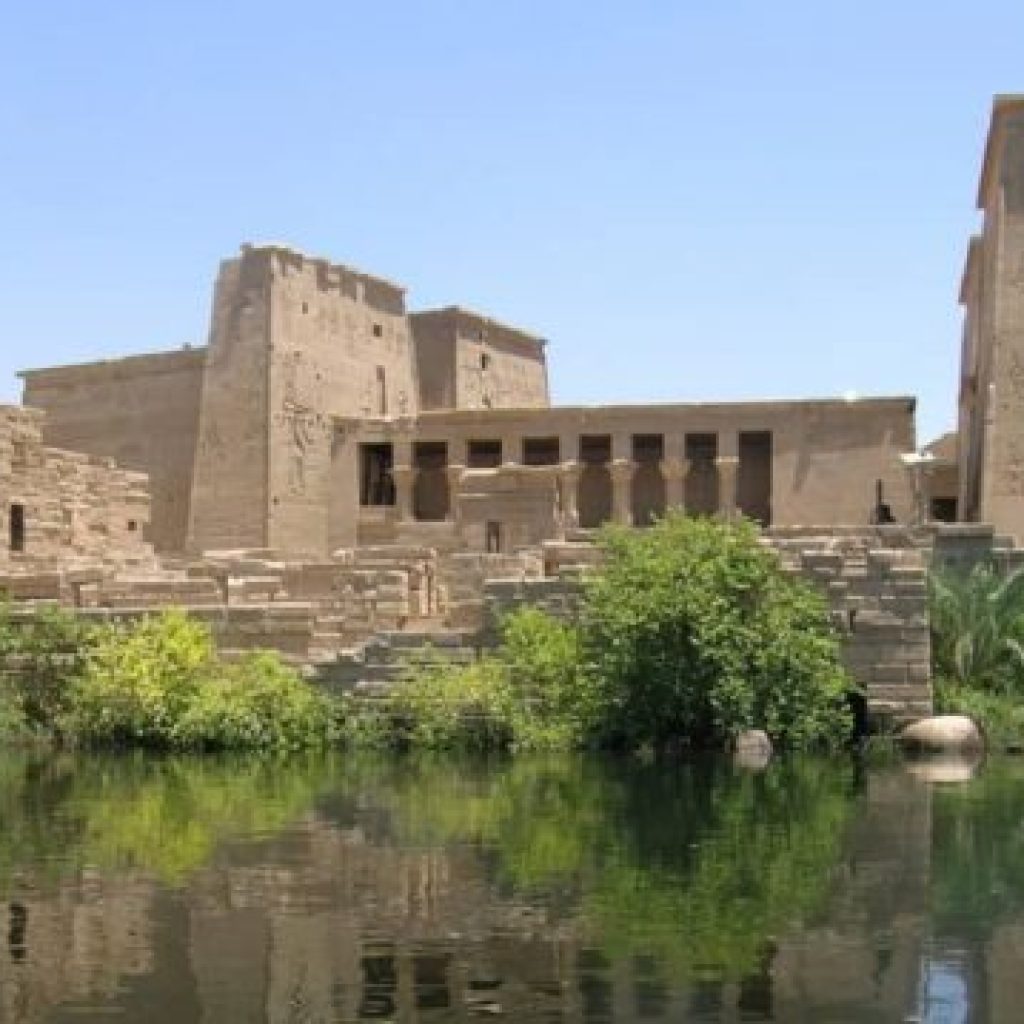
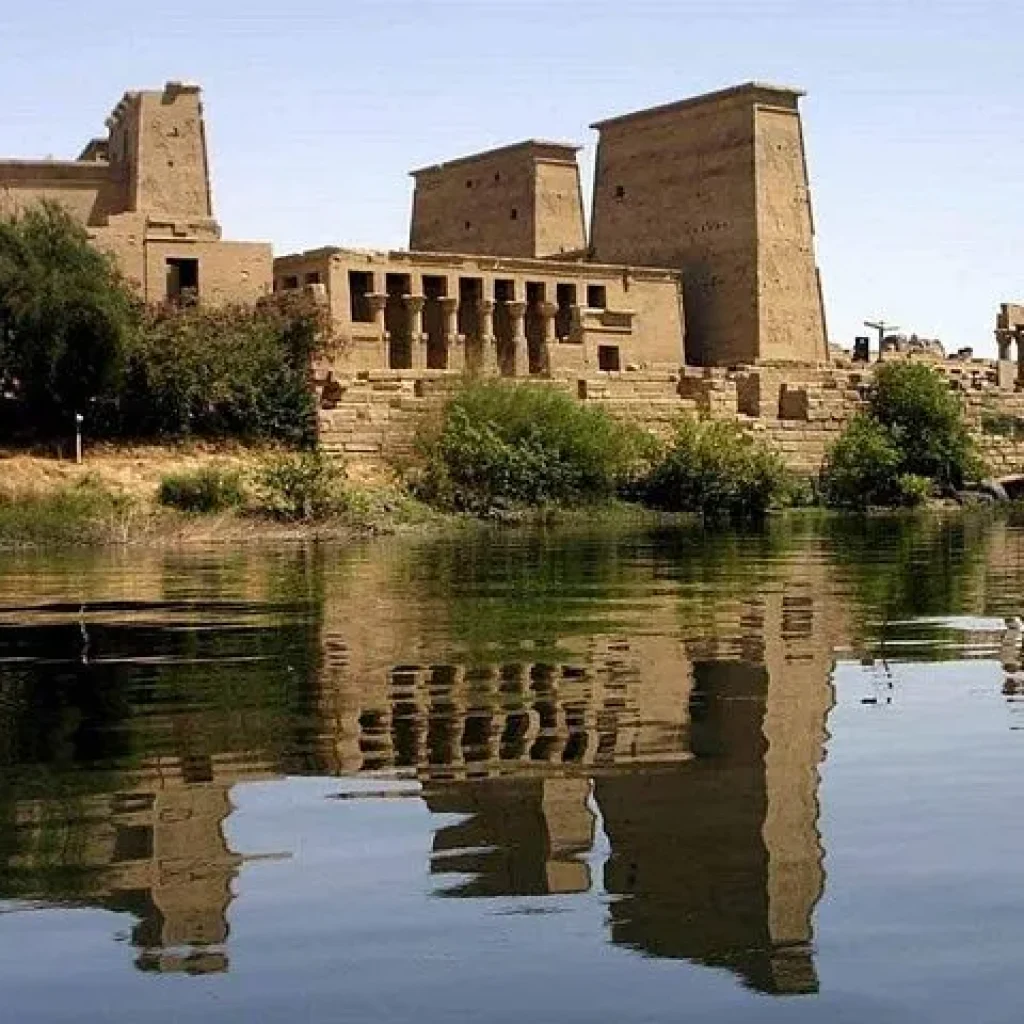
Agilkia Island is famous because it houses the relocated temples of Philae, one of Egypt’s greatest archaeological rescue projects.
Kitchener’s Island is known for its botanical garden and peaceful greenery.
Elephantine Island is different because it combines archaeology, living communities, and thousands of years of continuous settlement.
For travelers interested in history and culture, Elephantine often provides the deepest connection with daily life in ancient and modern Aswan.
A complete elephantine island aswan visit can easily complement trips to Philae Temple, the Nubian Museum, and a Nile felucca ride.
Photography on Elephantine Island
The island offers many photography opportunities beyond traditional ruins.
The contrast between ancient stone, green gardens, colorful houses, and blue Nile water creates varied scenes.
Photographers can capture:
- Traditional boats crossing the river
- Desert landscapes behind the island
- Village streets
- Archaeological remains
- Sunset views over Aswan
Visitors should always ask permission before photographing people, especially within residential areas.
The best images often come from slowing down and observing everyday moments rather than searching only for famous landmarks.
Why Elephantine Island Matters Today
Elephantine Island represents a complete historical story. It shows how geography influences civilization, how rivers create communities, and how cultures interact over thousands of years.
Unlike sites focused only on royal achievements, Elephantine preserves evidence of ordinary people alongside temples and administrative buildings.
Its importance comes from the combination of archaeology, environment, and living heritage.
The island reminds visitors that Egypt’s history is not only found in pyramids and temples. It also exists in streets, villages, farms, and communities that continue beside the Nile.
Is Elephantine Island Worth Visiting?
For travelers staying in Aswan, Elephantine Island is one of the most rewarding experiences available.
It may not have the massive scale of Karnak or Abu Simbel, but its strength comes from authenticity and variety.
Visitors can explore ancient ruins, learn about Nile history, meet local communities, and enjoy peaceful views away from crowded attractions.
Those interested only in famous monuments may prefer other sites. However, travelers who want a deeper understanding of Egypt will likely appreciate the island.
The combination of archaeology and daily life makes Elephantine unlike many other destinations in the country.
Final Thoughts
A journey to elephantine island aswan is a journey through layers of history. From ancient temples and trade routes to Nubian villages and modern communities, the island shows how the Nile has shaped human life for thousands of years.
It is not simply an archaeological stop. It is a place where history remains connected to the present.
For anyone exploring Aswan, adding Elephantine Island creates a more complete picture of southern Egypt and the civilizations that developed along the river.
Planning Your Elephantine Island Visit
To make the most of your visit, try combining Elephantine Island with other nearby Aswan experiences. A morning exploration of the island can be followed by a relaxing felucca ride on the Nile or a visit to another historical attraction. Take your time walking through the paths, observing local life, and appreciating the connection between ancient ruins and the modern community. The island is best experienced slowly, because many of its most valuable moments come from the atmosphere, scenery, and stories behind each location rather than only the monuments themselves together.
Frequently Asked Questions
What is Elephantine Island famous for?
Elephantine Island is famous for its thousands of years of history, ancient settlements, temples dedicated to Khnum, the Nilometer, archaeological discoveries, and Nubian communities.
How do you get to Elephantine Island?
Visitors reach Elephantine Island by boat from Aswan’s waterfront. Public ferries, private boats, and organized tours are available depending on preference and budget.
How long should I spend on Elephantine Island?
Most visitors need two to four hours, but a longer visit allows time to explore archaeological areas, villages, museums, and enjoy the Nile views.
What are the main things to see on Elephantine Island?
The main attractions include the Temple of Khnum remains, Nilometer, Elephantine Museum, ancient settlement areas, and Nubian villages. These are the highlights often included in elephantine island what to see recommendations.
Is Elephantine Island suitable for families?
Yes. Families can enjoy the boat ride, open spaces, cultural experiences, and historical discoveries. However, visitors should prepare for walking and warm weather.
Is Elephantine Island better than other Aswan islands?
It depends on your interests. Elephantine focuses on history and communities, while other aswan islands offer different experiences such as botanical gardens or relocated temples.
What is the best way to explore Elephantine Island?
The best approach is to explore slowly with a local guide or reliable elephantine island guide who can explain the history and cultural importance of the island.

0 Comment